
Turbine Flowmeter for Cement Industry
Turbine flowmeters are widely used in cement plants for accurate measurement of clean, low-viscosity liquids. They are ideal for fuel oil, lubricating oil, cooling water, and liquid grinding additives. The meter uses a rotor that spins with the flow, and the pulse output is converted into flow rate and total volume. This gives operators fast, reliable data for energy control, additive dosing, and equipment protection.
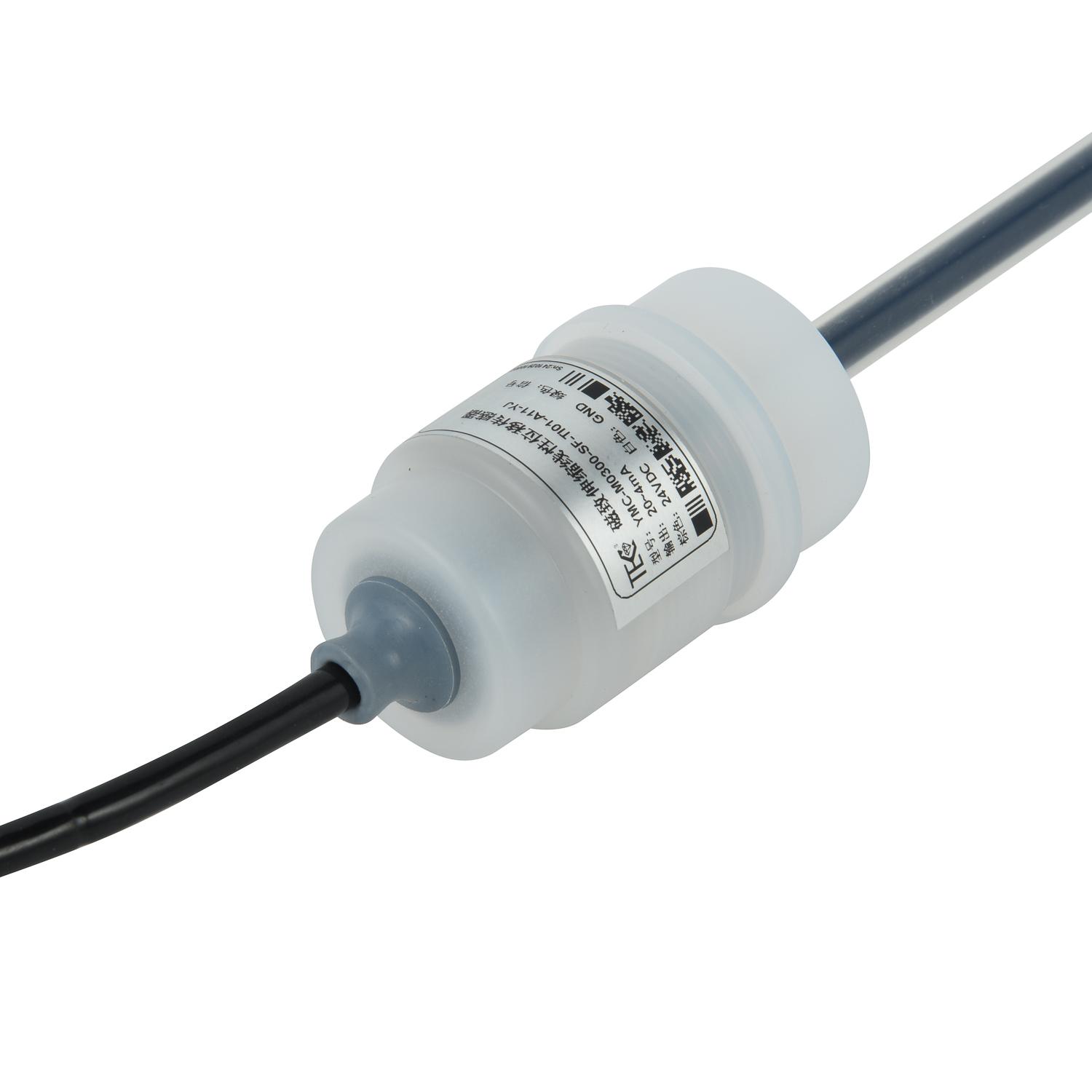
Cement production is dusty, hot, and demanding. A turbine flowmeter must be selected for the actual liquid, pressure, temperature, and pipe size. Choose durable bearings, a wear-resistant rotor, and a sealed, dust-protected transmitter. Use proper filtration to prevent particles from jamming the rotor. Do not apply turbine meters to abrasive cement slurry or dirty water, as wear and blockage will reduce accuracy.
Correct installation is important. Keep suitable straight pipe lengths upstream and downstream, avoid vibration and pressure spikes, and maintain stable flow. Regular inspection and calibration help extend service life. For reliable results, match the meter range to normal flow, provide a bypass for maintenance, and monitor filter differential pressure. In dusty areas, protect electronics with a suitable enclosure or remote display. Keep calibration records and spare rotors to improve uptime. With correct sizing and maintenance, a turbine flowmeter provides compact, cost-effective, and repeatable measurement for many liquid services in cement industry operations.
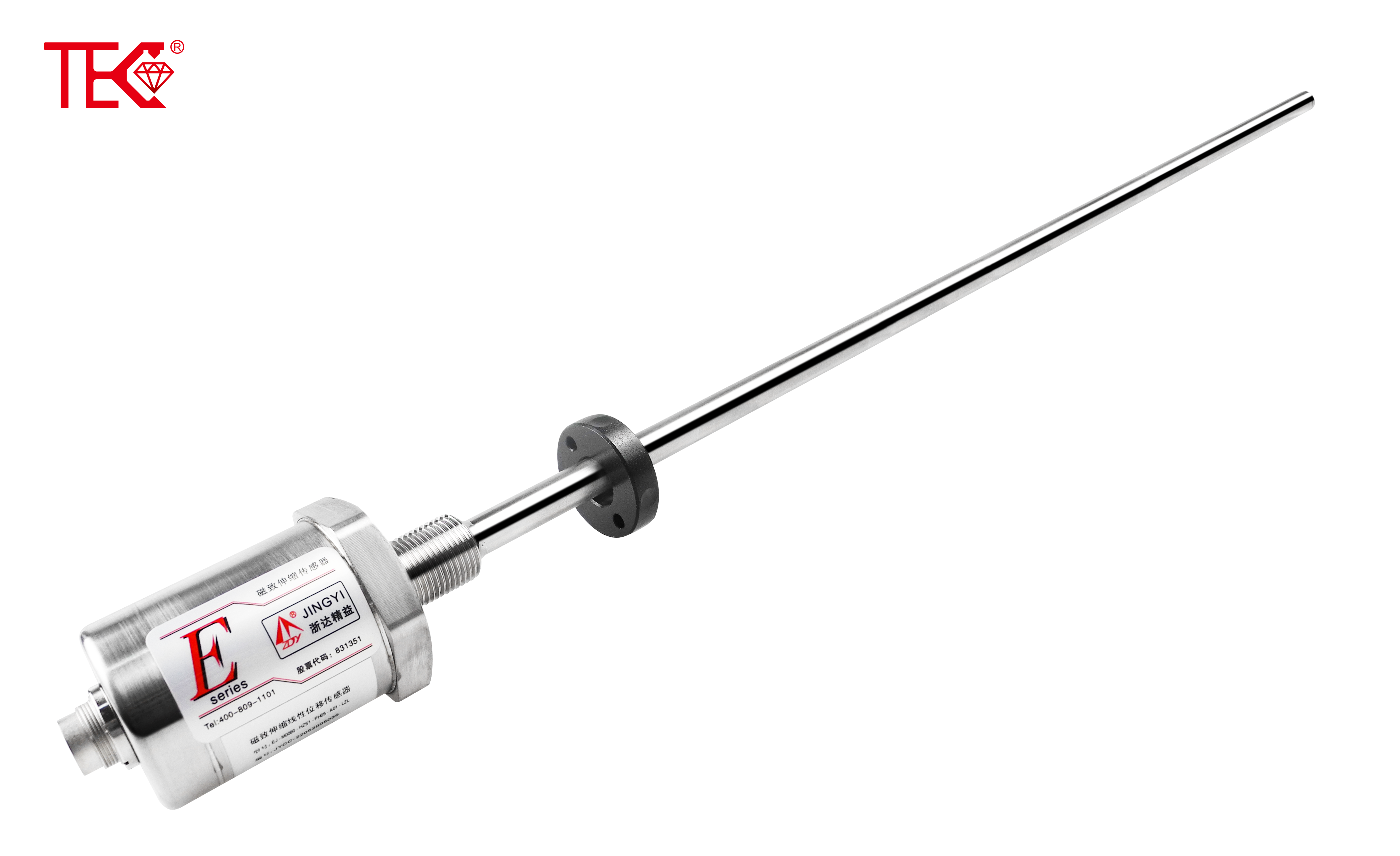 Turbine Flowmeter for Chemical
Turbine Flowmeter for Cement I
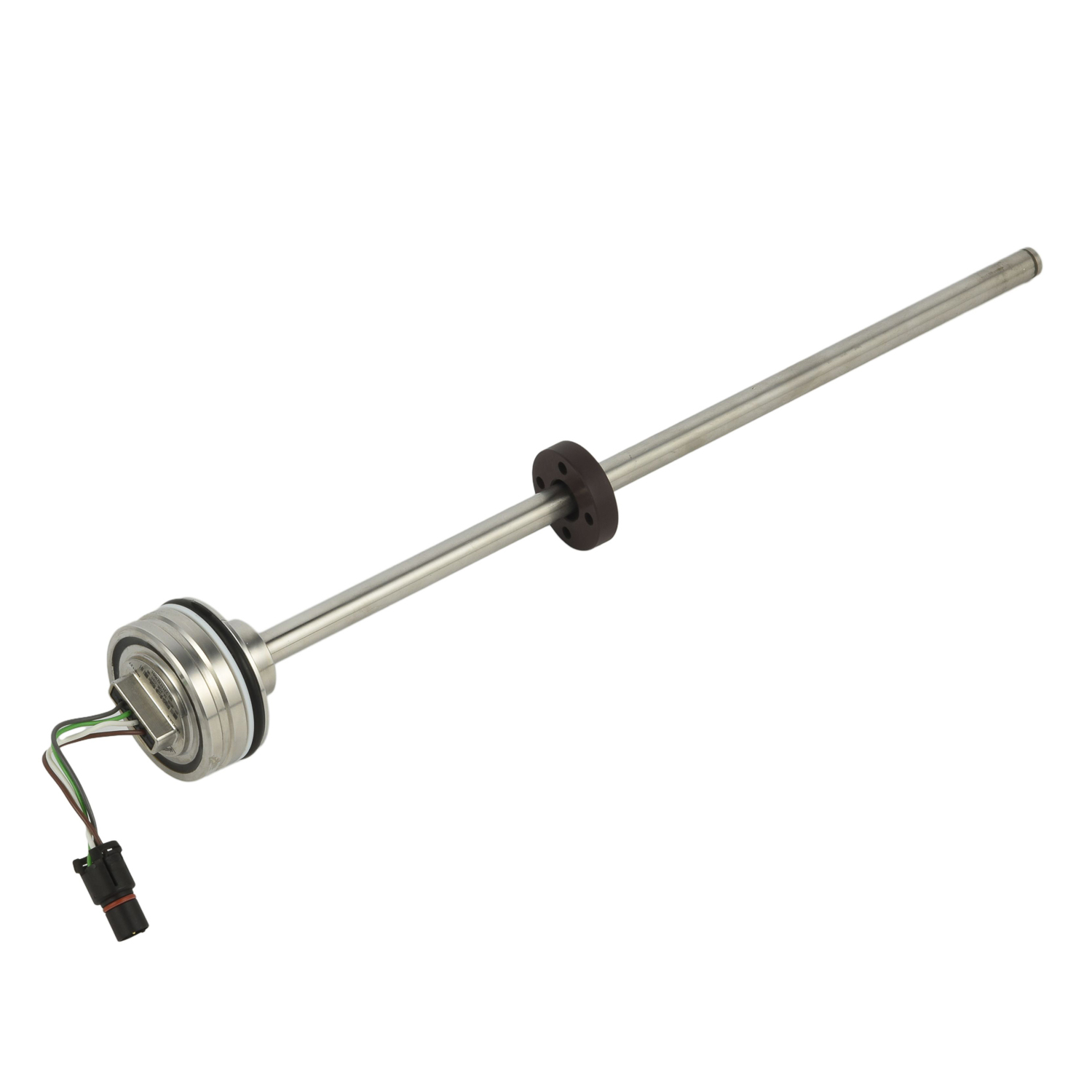 Turbine Flowmeter for Mining
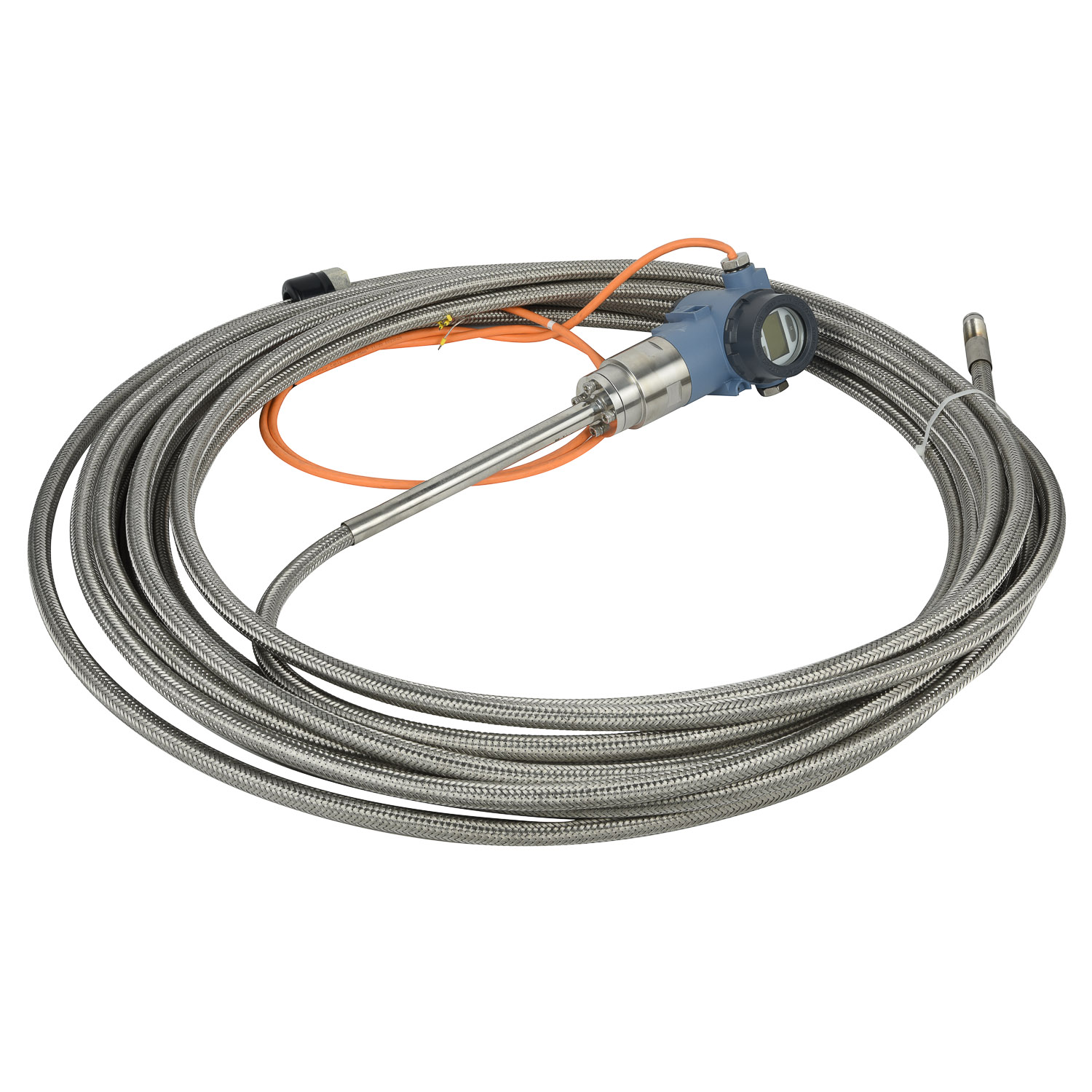 Turbine Flowmeter for Metallur