
Linear Displacement Sensor for Grain and Oil Storage Tanks
Linear displacement sensors are increasingly used in grain and oil storage tanks because they provide reliable, continuous level and position feedback. In these tanks, accurate measurement is essential for inventory control, safety, and efficient logistics. A linear displacement sensor converts the straight-line movement of a float, guide rod, or tank gauge into an electrical signal. This signal allows operators to calculate product level, volume, and sometimes temperature-related changes in real time.
For grain storage, dust, vibration, and temperature swings can challenge conventional sensing methods. A robust linear displacement sensor with a sealed enclosure and stable output performs well in such conditions. For oil storage, explosion-proof designs and corrosion-resistant materials are often required. Non-contact or wear-resistant measuring principles reduce maintenance and support long-term use.
These sensors can connect to PLCs, RTUs, and monitoring systems, enabling alarms, trend analysis, and automatic reporting. They also support remote monitoring and data logging in modern automated tank farms. By improving measurement accuracy and reducing manual dipping, linear displacement sensors help facilities lower operating costs and improve safety. When selecting a sensor, engineers should consider measuring range, resolution, repeatability, protection rating, output type, and compatibility with tank structures. Proper installation and calibration further ensure stable performance in grain and oil storage applications.
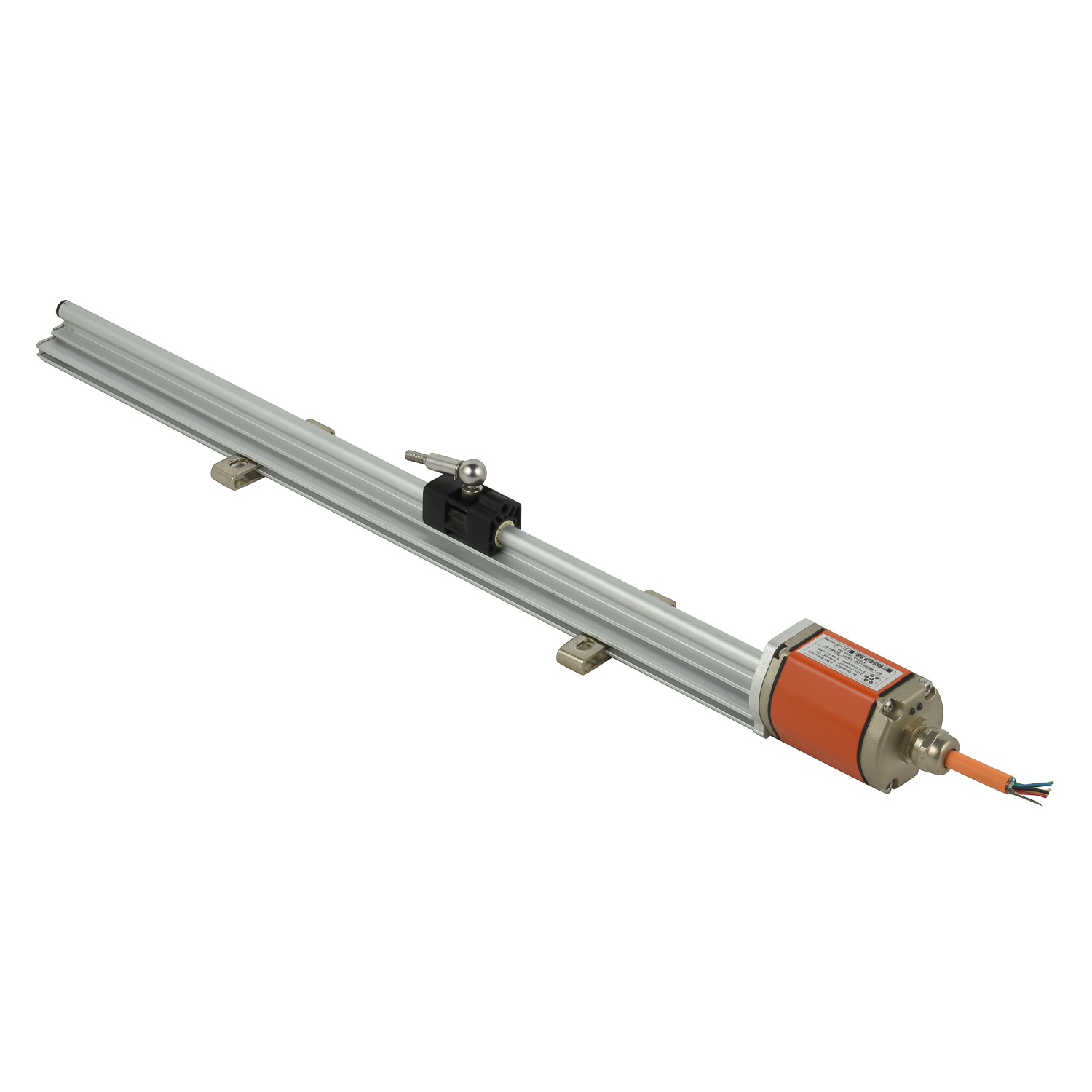
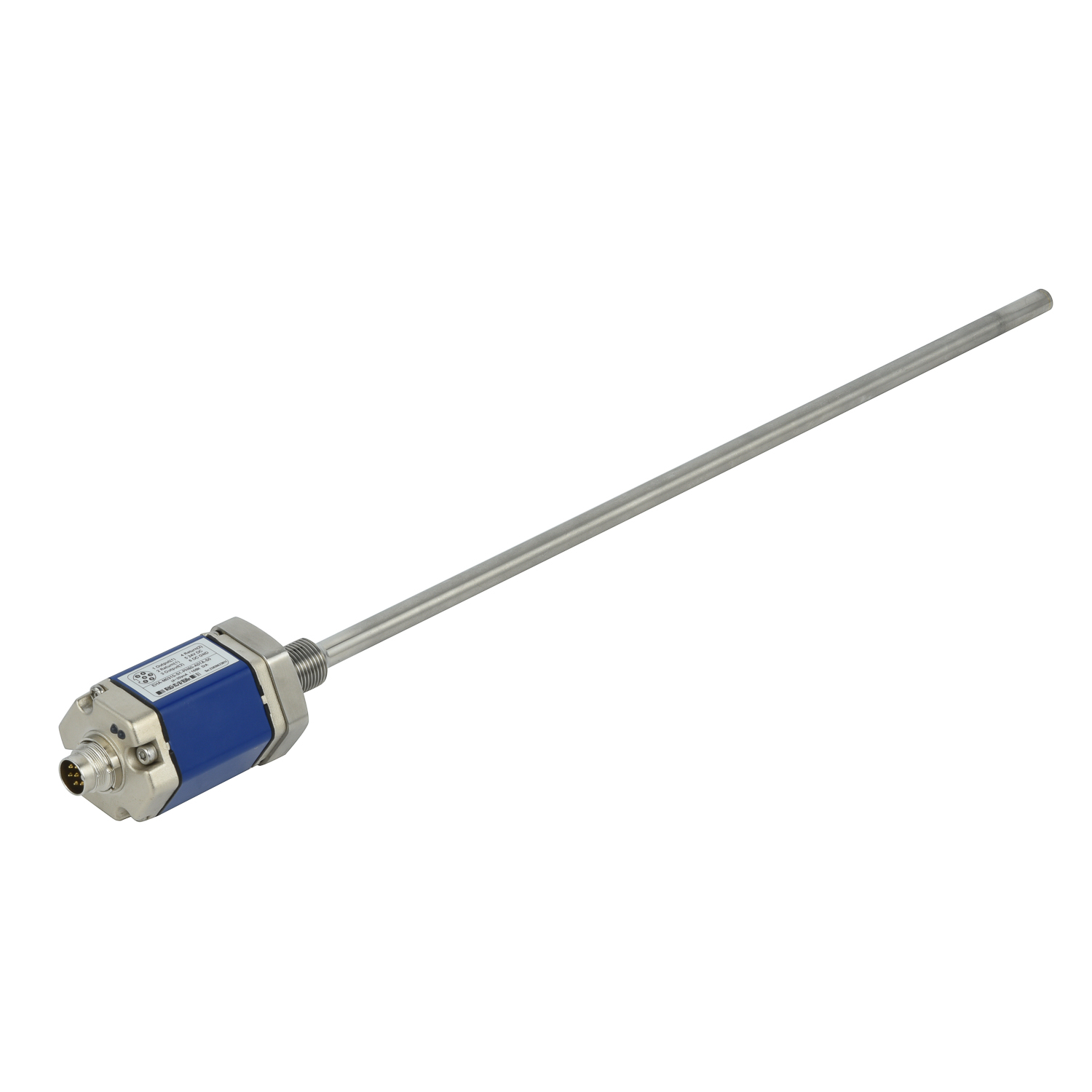 Linear Displacement Sensor for
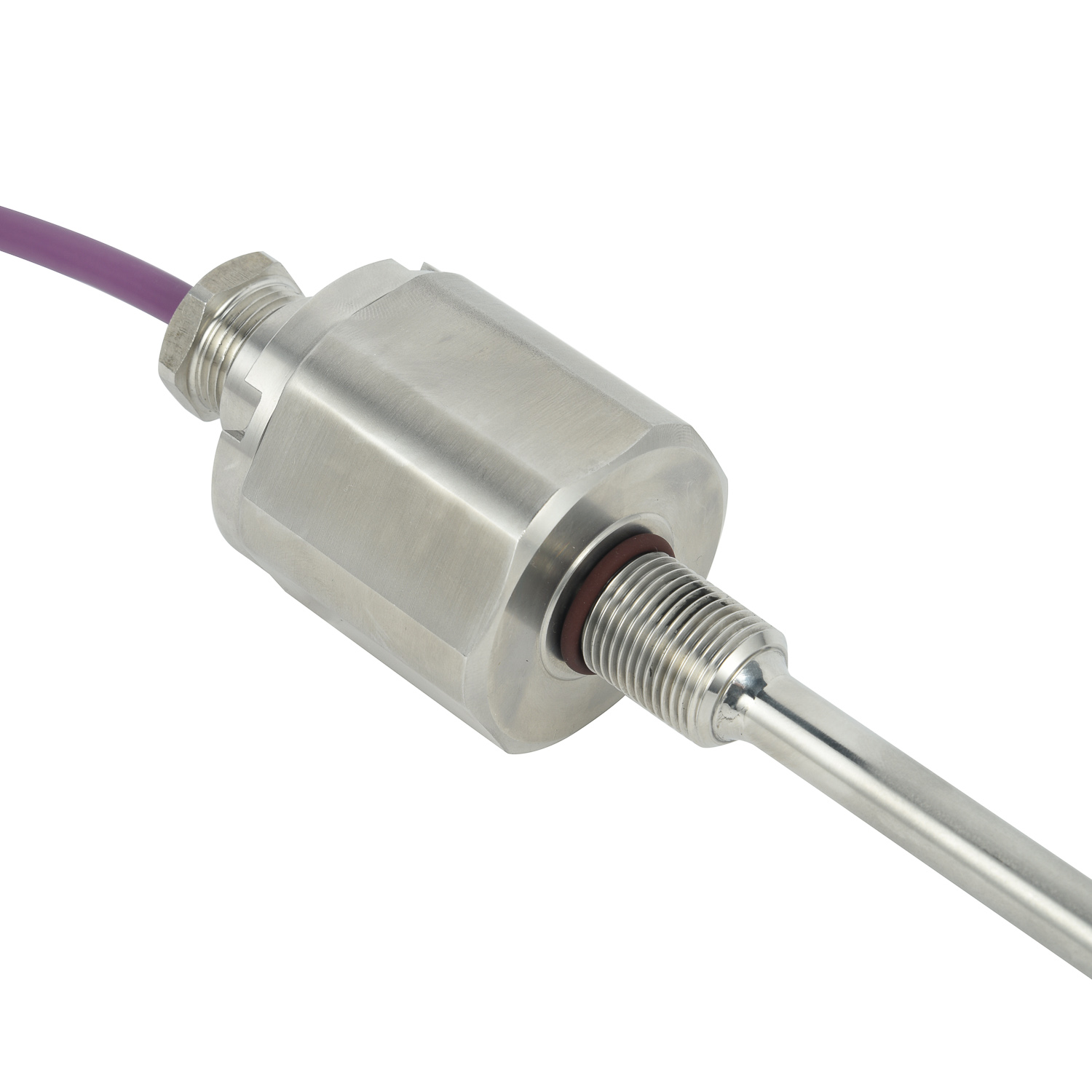 Linear Displacement Sensor for
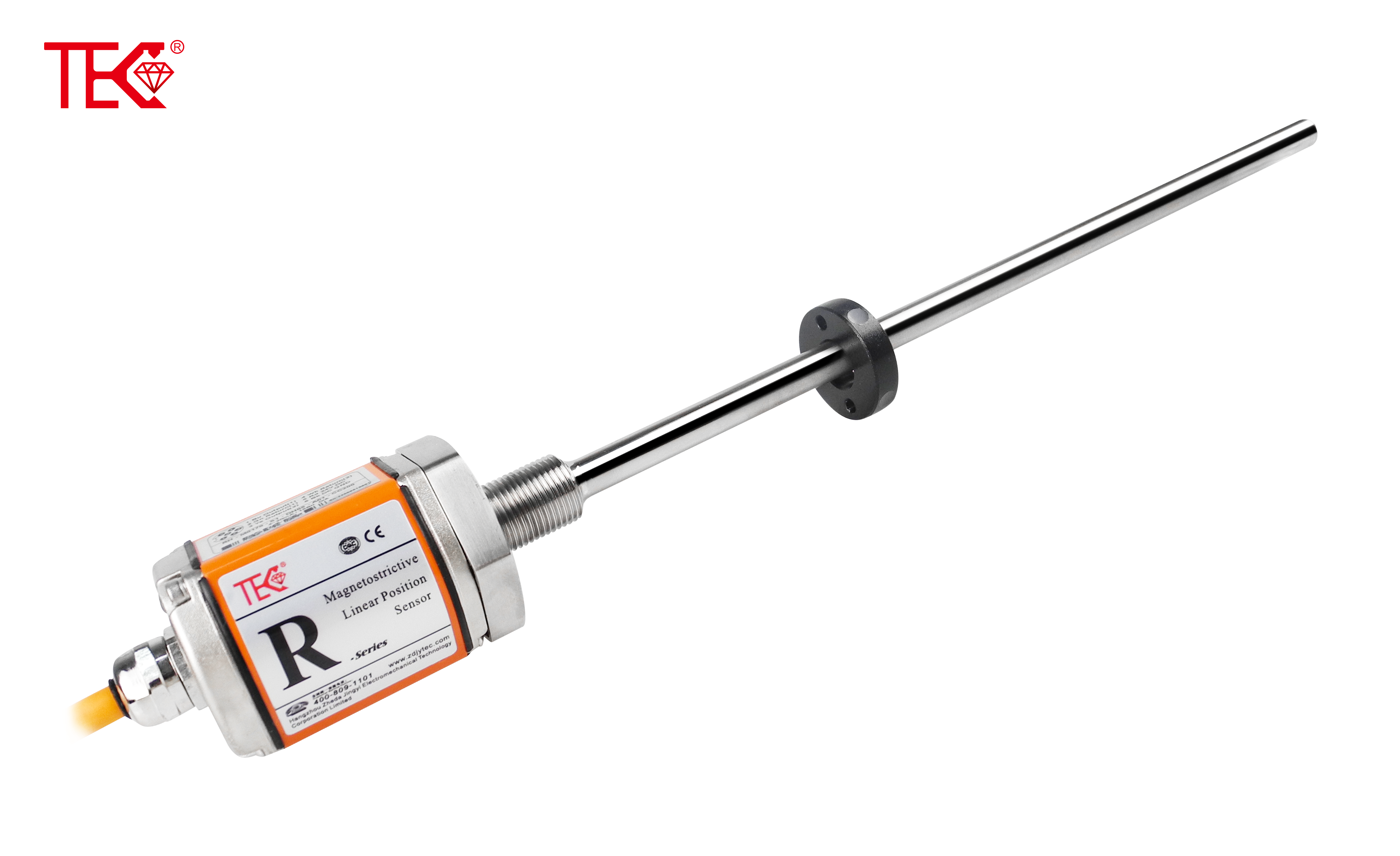 Linear Displacement Sensor for