
Linear Displacement Sensor for Shield Tunneling
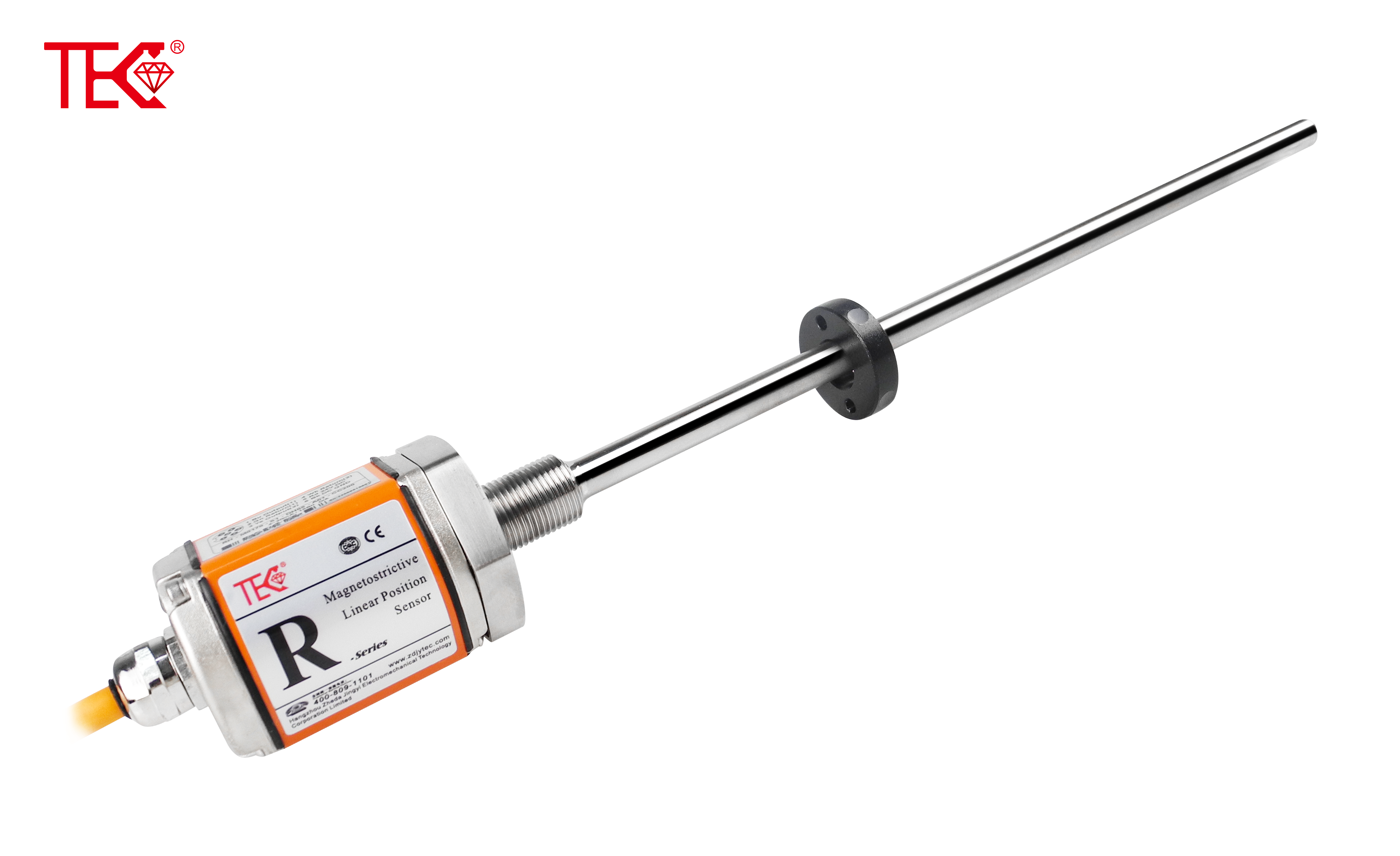
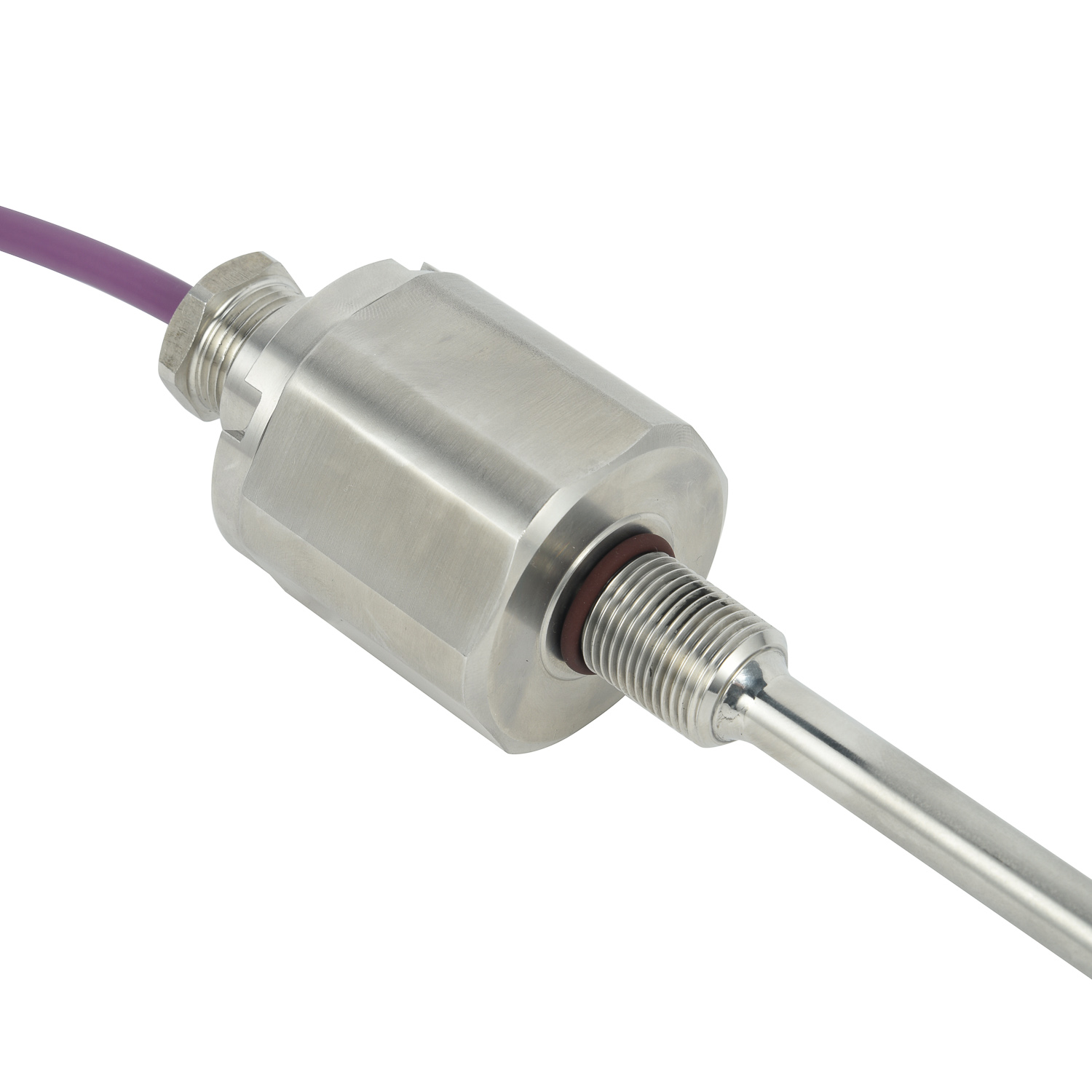
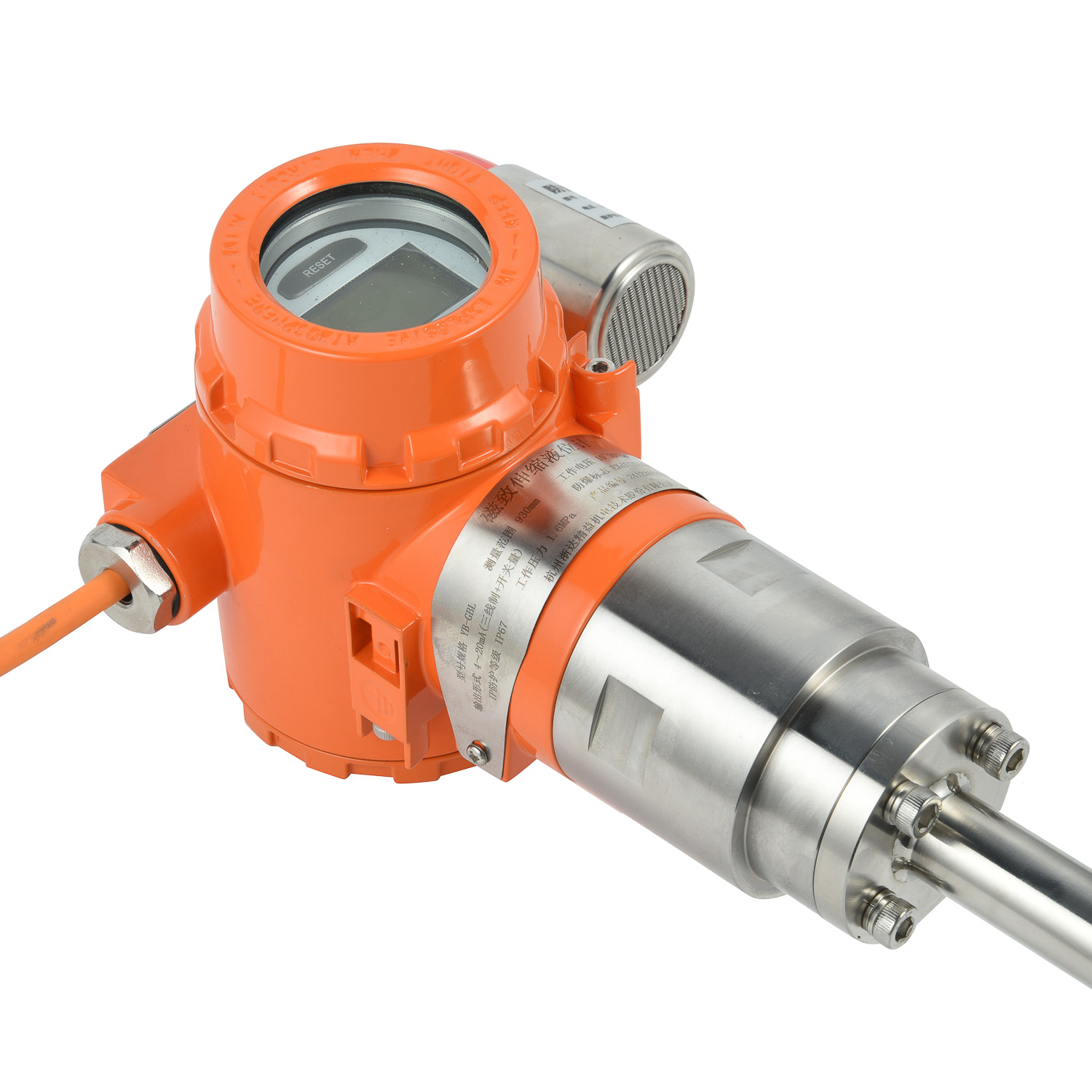
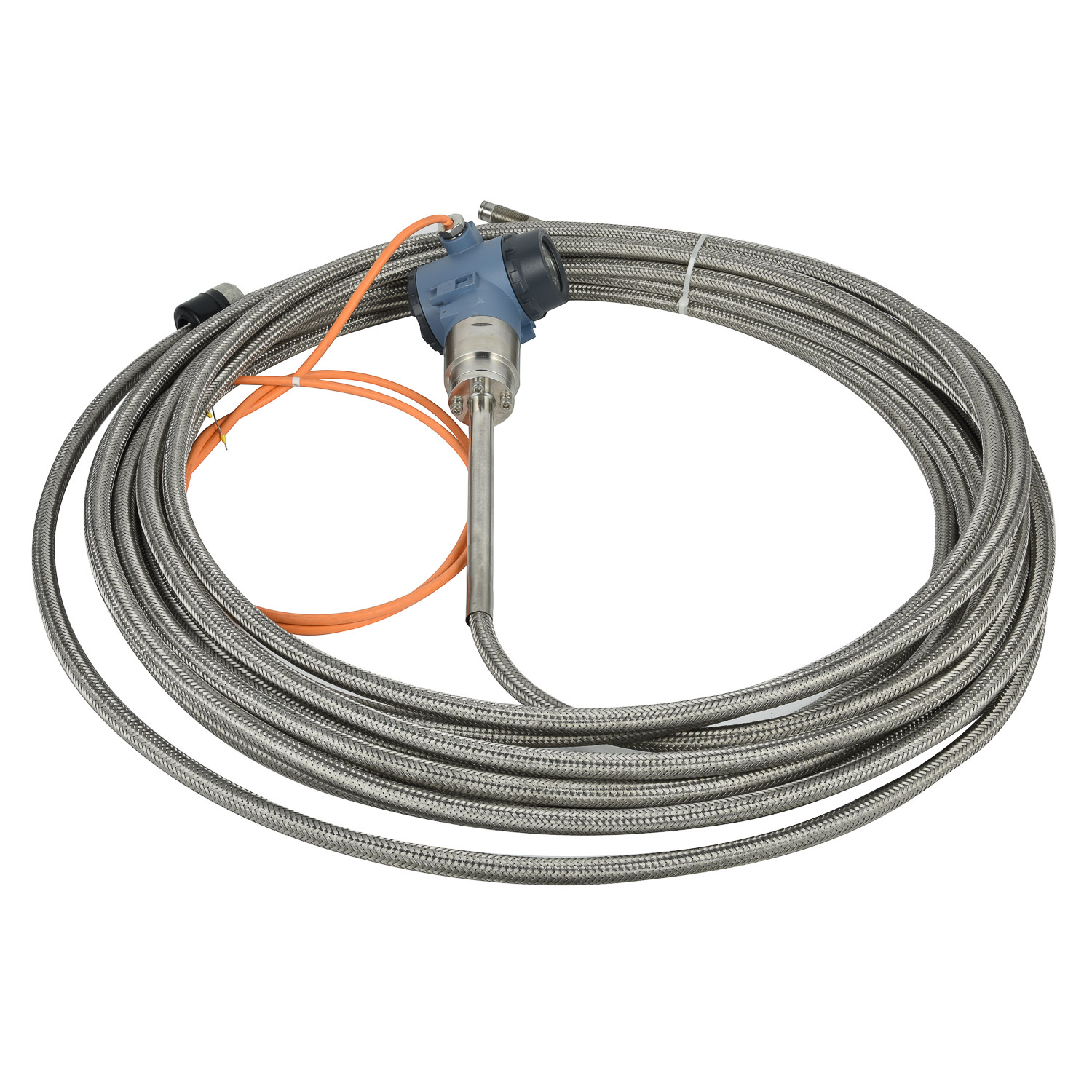
Shield tunneling requires precise, continuous position feedback to keep a tunnel boring machine on alignment while protecting nearby structures. A linear displacement sensor converts mechanical movement into an electrical signal, enabling operators to monitor thrust cylinder stroke, articulation angle, cutterhead position, and shield gap in real time. In harsh underground conditions, these sensors must resist vibration, dust, moisture, and electromagnetic interference. Mounted on thrust cylinders, articulation joints, and segment erectors, they support advance speed control, steering correction, and segment alignment. High resolution and repeatability provide millimeter-level guidance, reducing overcut, ground loss, and surface settlement. Stable output options such as analog, SSI, CANbus, or industrial Ethernet integrate smoothly with PLC and TBM control systems. For shield tunneling, select sensors with sealed IP-rated housings, wide temperature tolerance, shock resistance, and proven linearity. Routine calibration, cable protection, and condition monitoring prevent downtime and extend service life. By delivering dependable displacement data, linear sensors improve safety, accuracy, and efficiency in urban tunnel projects. Reliable sensing also supports data logging, fault diagnosis, and automated guidance, helping teams respond quickly to deviation, vibration, or hydraulic pressure changes. Correct installation and shielding of signal cables further reduce noise and ensure stable readings throughout long drives.
 Linear Displacement Sensor for
 Linear Displacement Sensor for
 Linear Displacement Sensor for