
Linear Displacement Sensor for Injection Molding and Die Casting
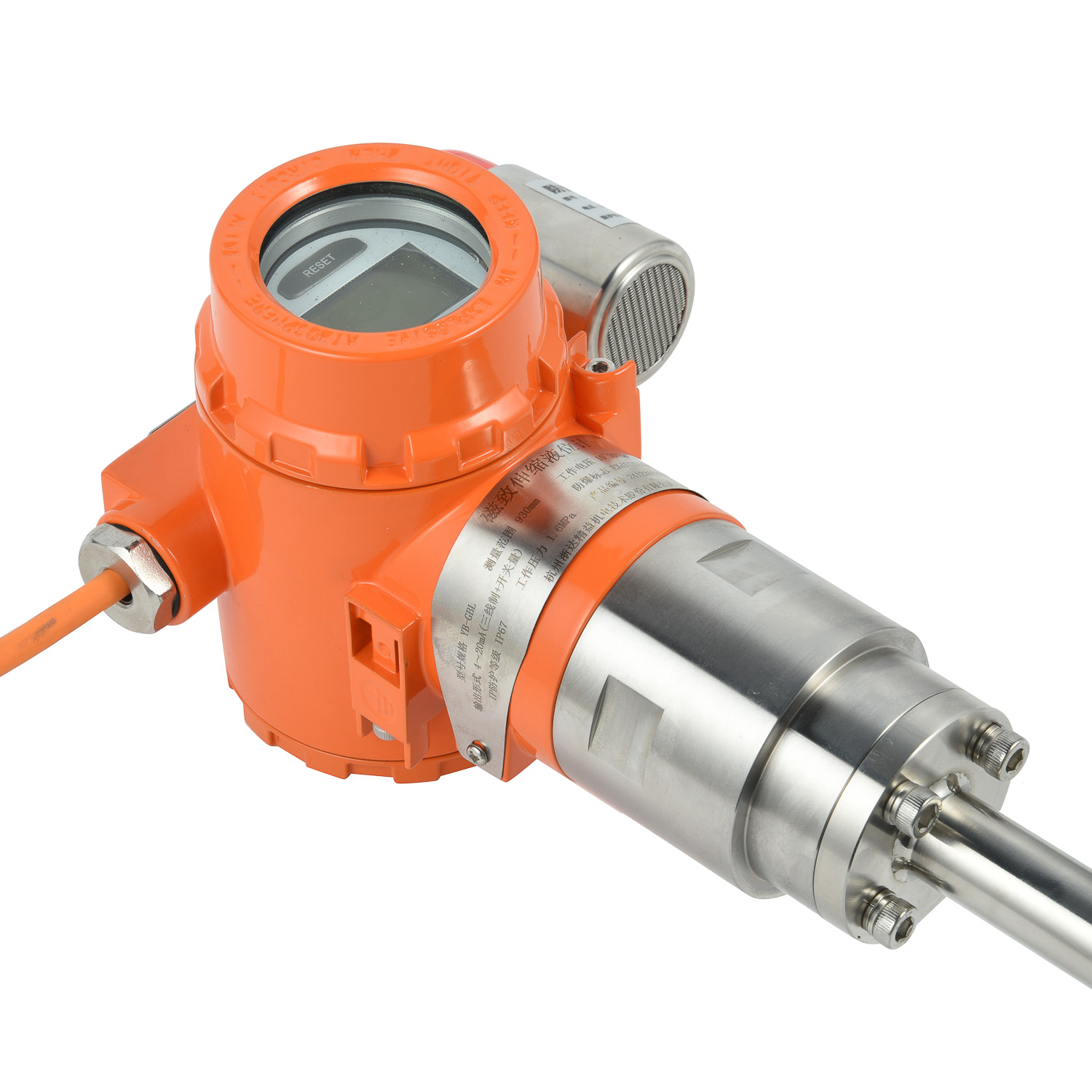
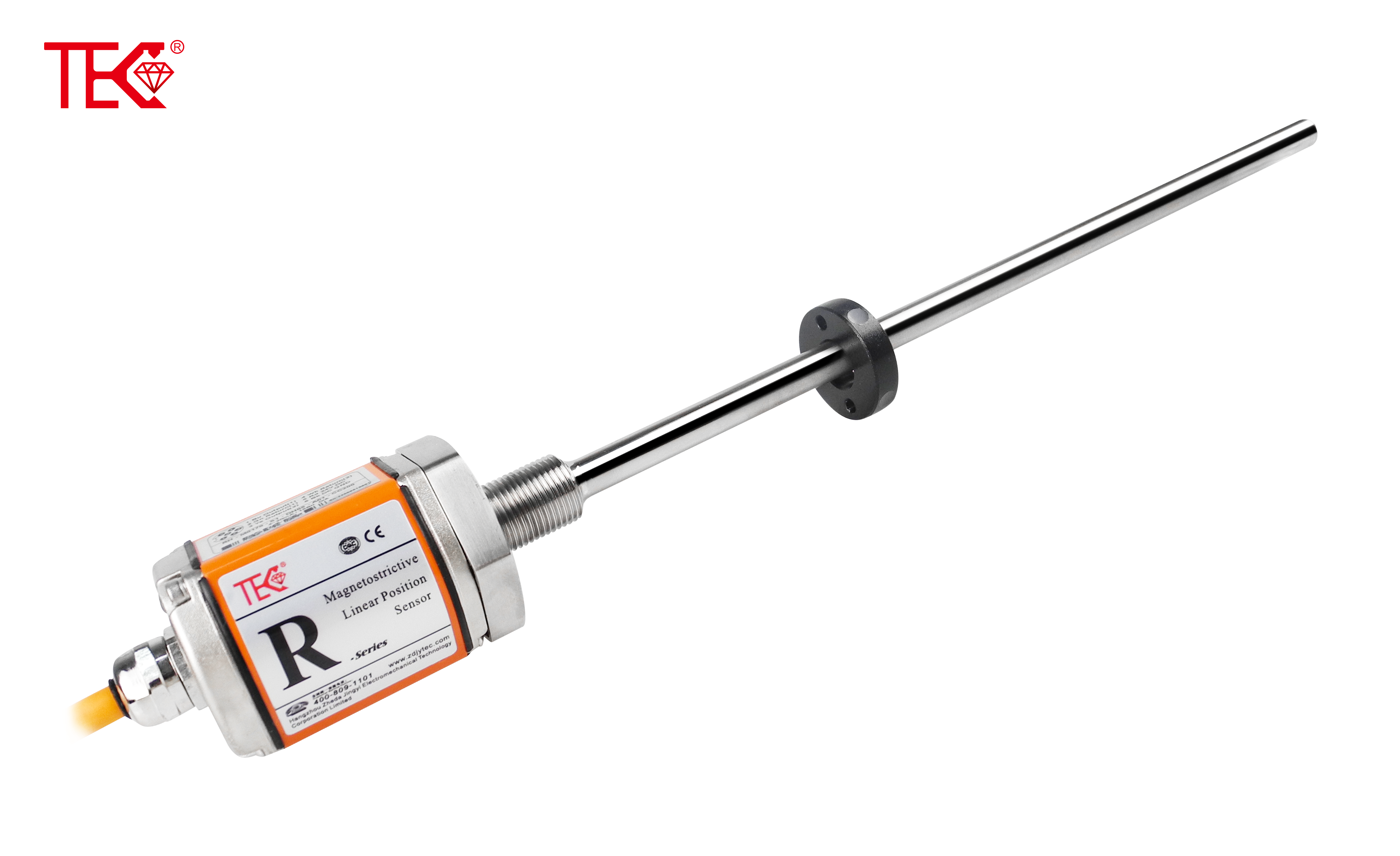
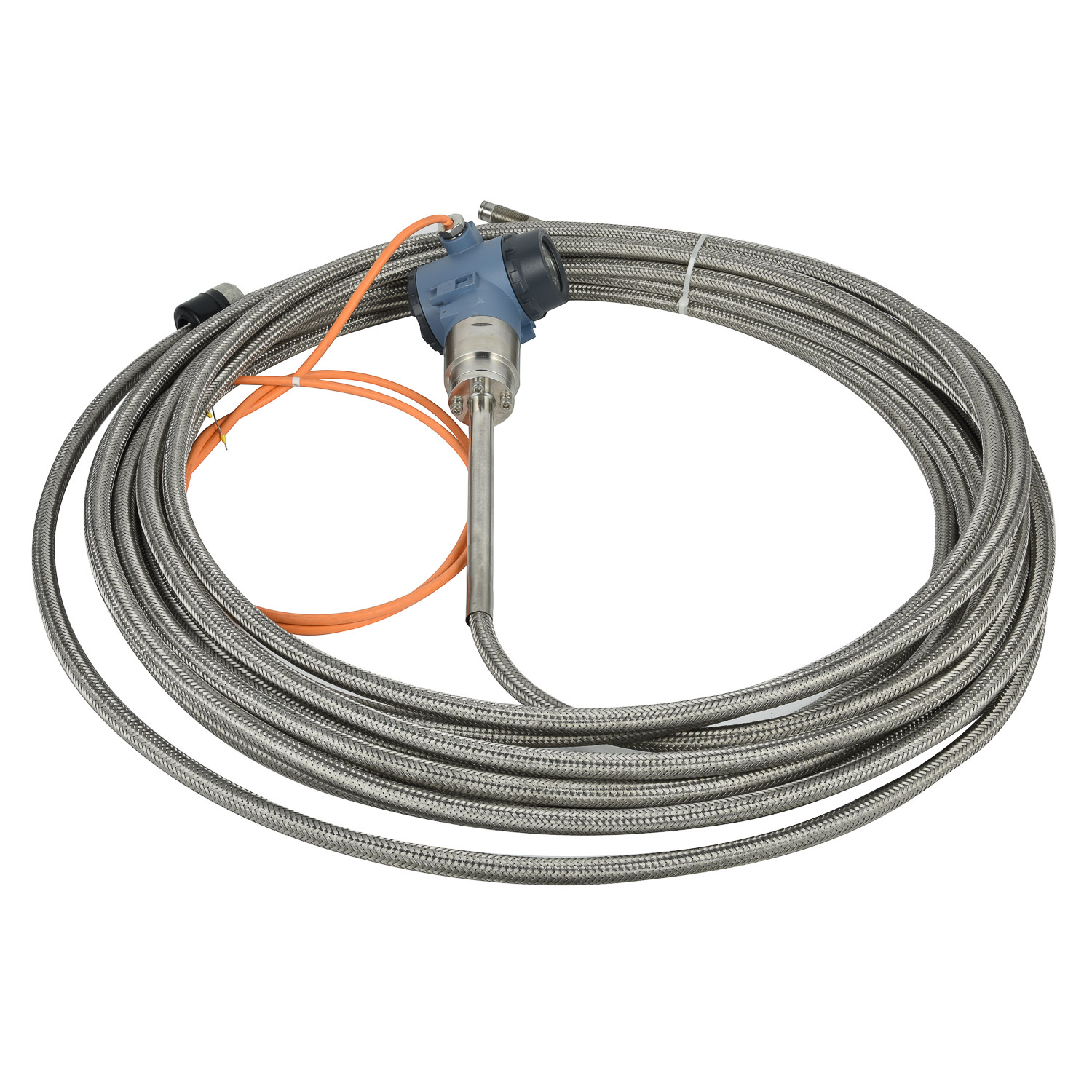
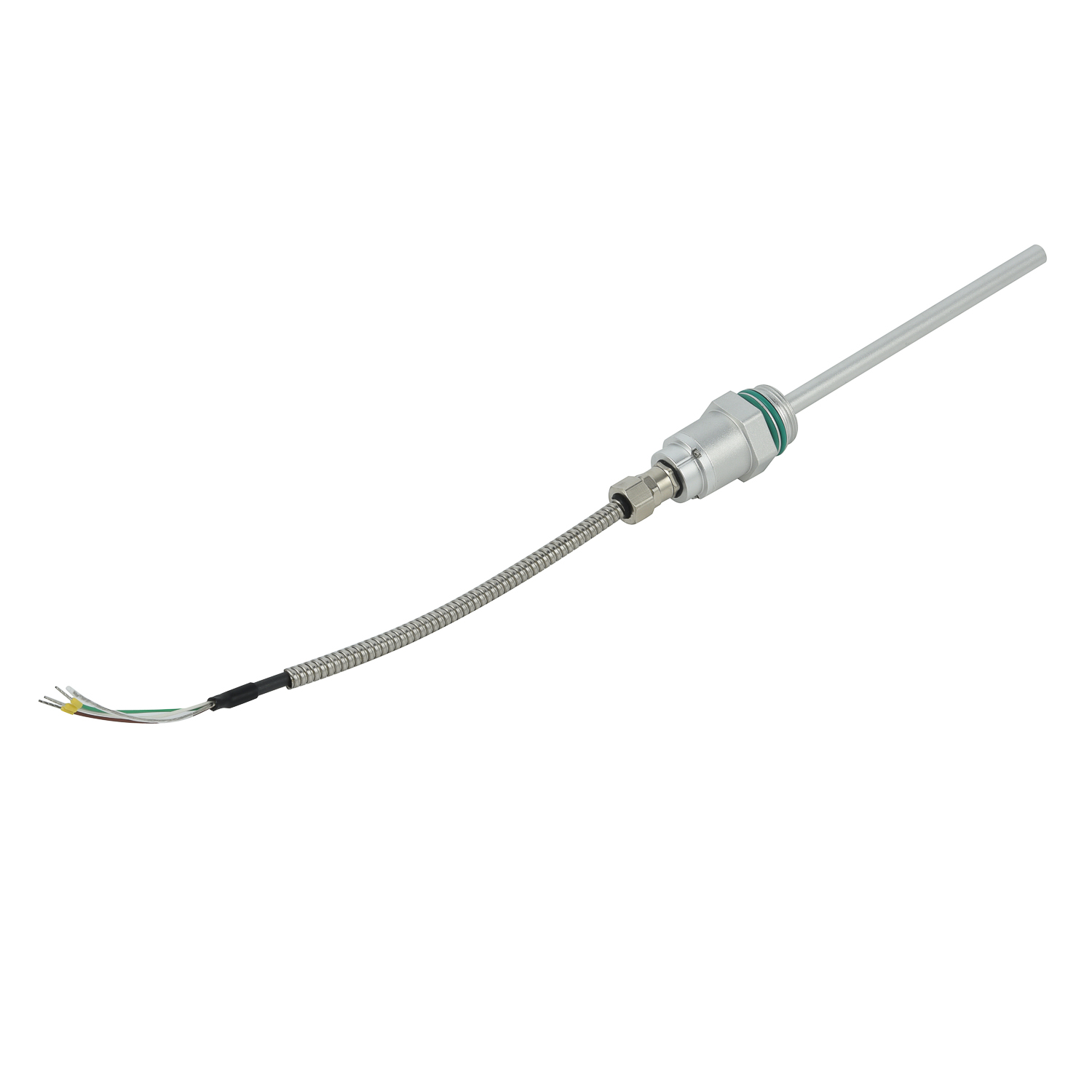
Injection molding and die casting demand precise, repeatable motion control. A linear displacement sensor provides direct position feedback on clamping, injection, ejection, and shot movements, helping machines maintain accuracy under high pressure, heat, and vibration. Unlike indirect encoders, linear sensors measure actual slide position, so they detect mechanical wear, backlash, and drift early. In injection molding, they support mold protection, precise injection stroke control, and consistent part weight. In die casting, they help control shot speed, intensification position, and die closing, where harsh conditions require rugged, sealed designs. Choose a sensor with a suitable stroke, repeatability, IP rating, temperature resistance, and output signal such as analog, SSI, or CANopen. Proper mounting and shielding reduce electromagnetic interference and extend service life. Regular calibration and condition monitoring improve uptime, scrap reduction, and process traceability. For OEMs and retrofits, compact linear displacement sensors are a practical upgrade for safer, more stable, and energy-efficient production. In high-volume production, reliable position data enables fast cycle optimization, closed-loop control, and predictive maintenance. Look for non-contact or robust potentiometric designs, high resolution, and repeatable linearity. Correct installation avoids side loads and ensures long-term accuracy. Rugged sealing and shielded cables are also important. Use shielded cables.
 Linear Displacement Sensor for
 Linear Displacement Sensor for
 Linear Displacement Sensor for