
Linear Displacement Sensor for Construction Machinery
Linear displacement sensors are essential feedback devices in modern construction machinery. They measure the linear movement of hydraulic cylinders, booms, buckets, blades, and steering systems, converting position into precise electrical signals. This real-time data enables accurate control, repeatable motion, and safer operation in excavators, loaders, cranes, pavers, and drilling rigs. In harsh job sites, sensors must resist dust, mud, water, shock, vibration, and wide temperature swings. Robust sealing, magnetic or inductive sensing, and stainless-steel housings help maintain reliable performance. Output options such as analog voltage, current loop, CAN bus, and IO-Link make integration easier with mobile controllers and telematics. Benefits include improved grading accuracy, reduced operator fatigue, better cylinder synchronization, collision avoidance, and predictive maintenance. When selecting a sensor, check measuring range, resolution, linearity, repeatability, IP rating, pressure resistance, EMC immunity, and mounting flexibility. Redundant designs may be required for safety-critical functions. Proper installation and cable protection prevent damage from debris and flexing. For mobile use, choose pressure-resistant tubes, abrasion-resistant cables, and flexible mounts. Routine calibration and connector checks extend service life. With the right linear displacement sensor, construction equipment achieves higher productivity, lower downtime, and more intelligent automation.
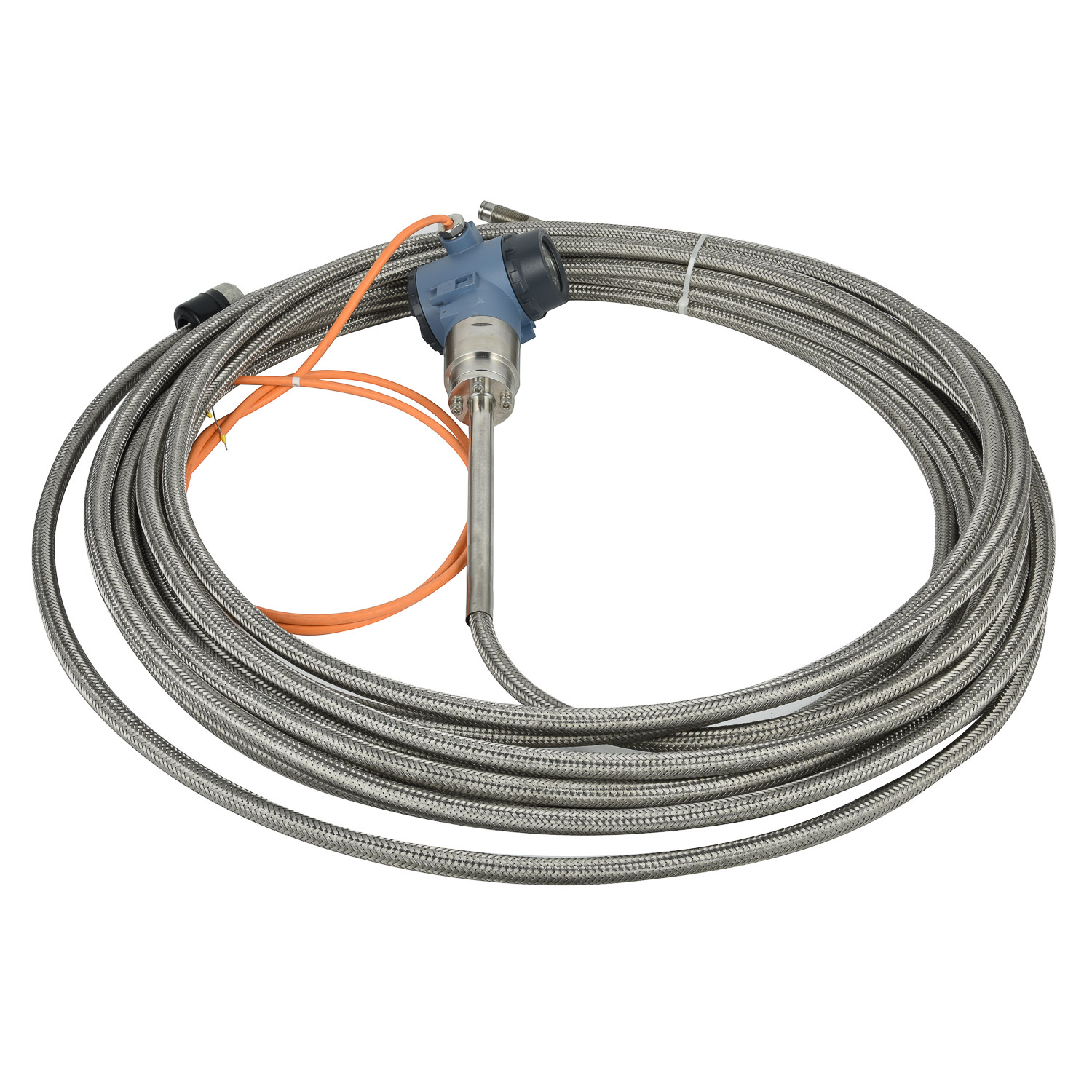
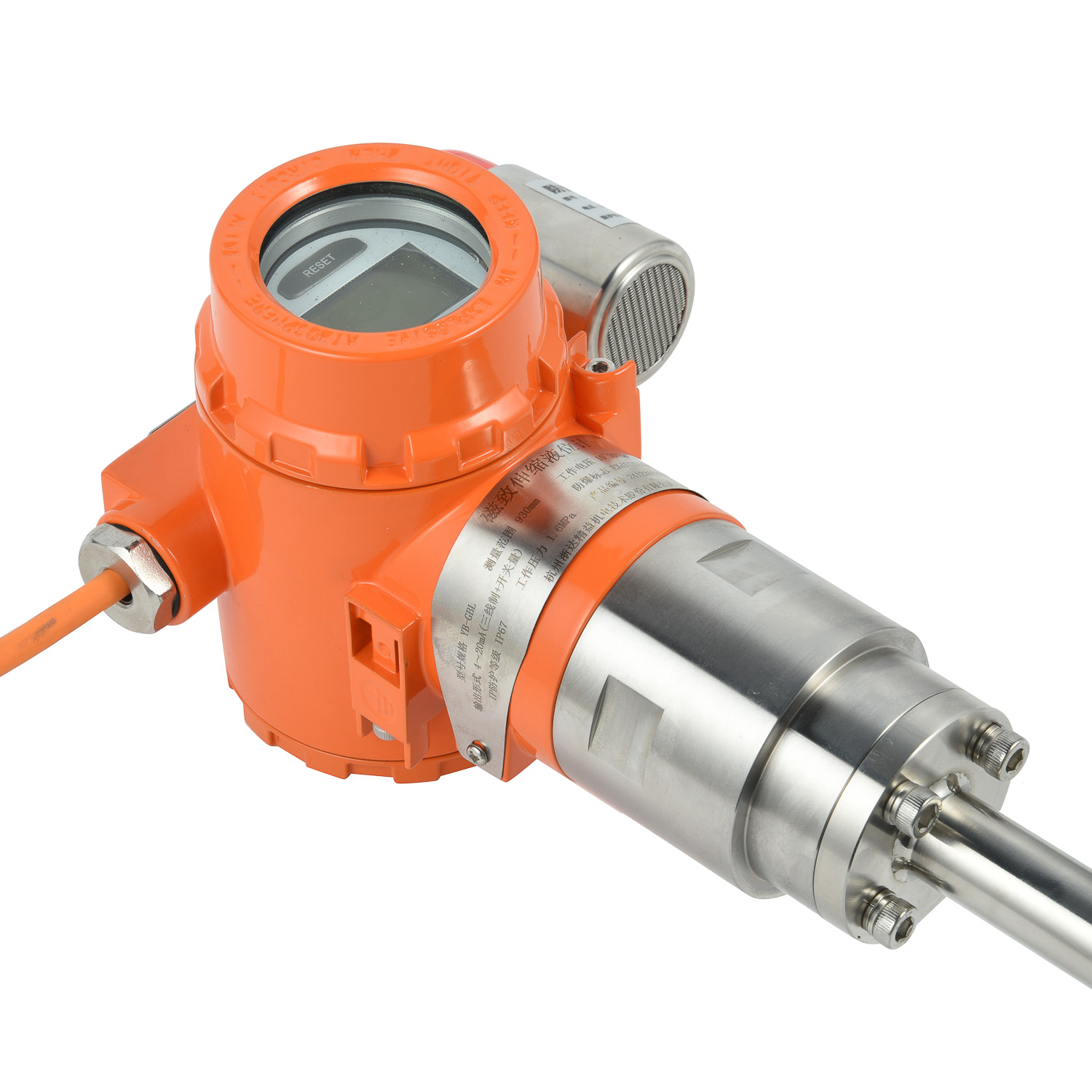 Linear Displacement Sensor for
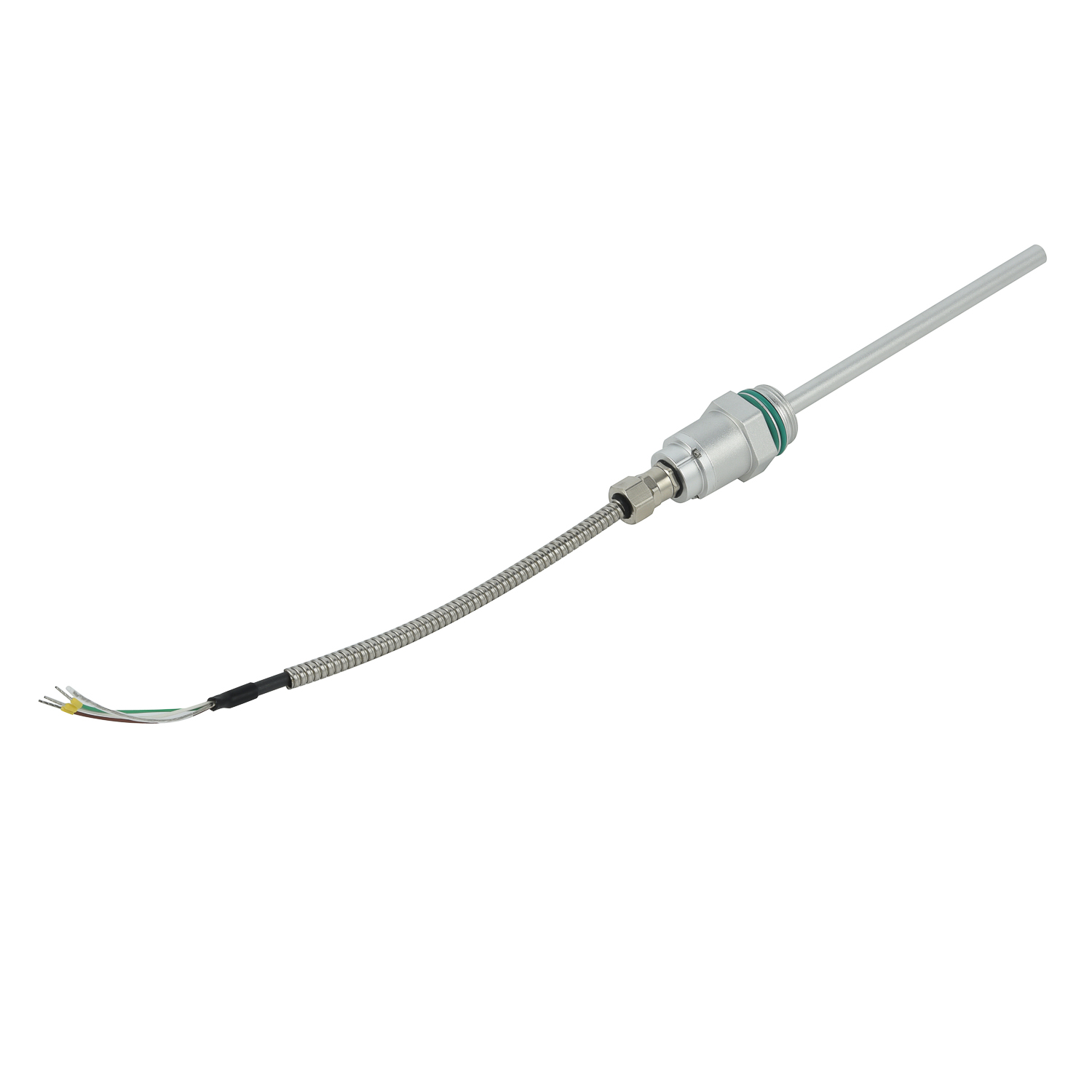 Linear Displacement Sensor for
 Linear Displacement Sensor for