
Linear Displacement Sensor for Hydraulic Cylinders
A linear displacement sensor for hydraulic cylinders provides continuous position feedback inside demanding fluid-power systems. Unlike simple end-of-stroke switches, it measures the piston rod or piston position across the full working stroke, enabling precise control, smoother motion, and better machine safety. Common sensing technologies include magnetostrictive, inductive, and potentiometric designs. Magnetostrictive sensors are popular in hydraulic cylinders because they are robust, non-contact at the sensing element, and capable of high accuracy in harsh conditions. Integration usually involves a probe or rod mounted within the cylinder and a position magnet attached to the piston. The sensor converts movement into an analog or digital signal for PLCs, controllers, and drives. Engineers select a model by considering stroke length, pressure rating, temperature, shock and vibration, IP protection, output type, and mounting space. Good sealing and cable routing are essential to prevent fluid ingress and mechanical damage. Accurate feedback supports closed-loop control of speed, force, and synchronization in mobile machinery, presses, injection molding, and automation equipment. It also helps detect faults and reduce downtime. For reliable performance, choose a sensor rated for the cylinder’s pressure and environment, verify signal compatibility, and follow installation guidance. A well-matched linear displacement sensor improves hydraulic cylinder precision, efficiency, and service life.
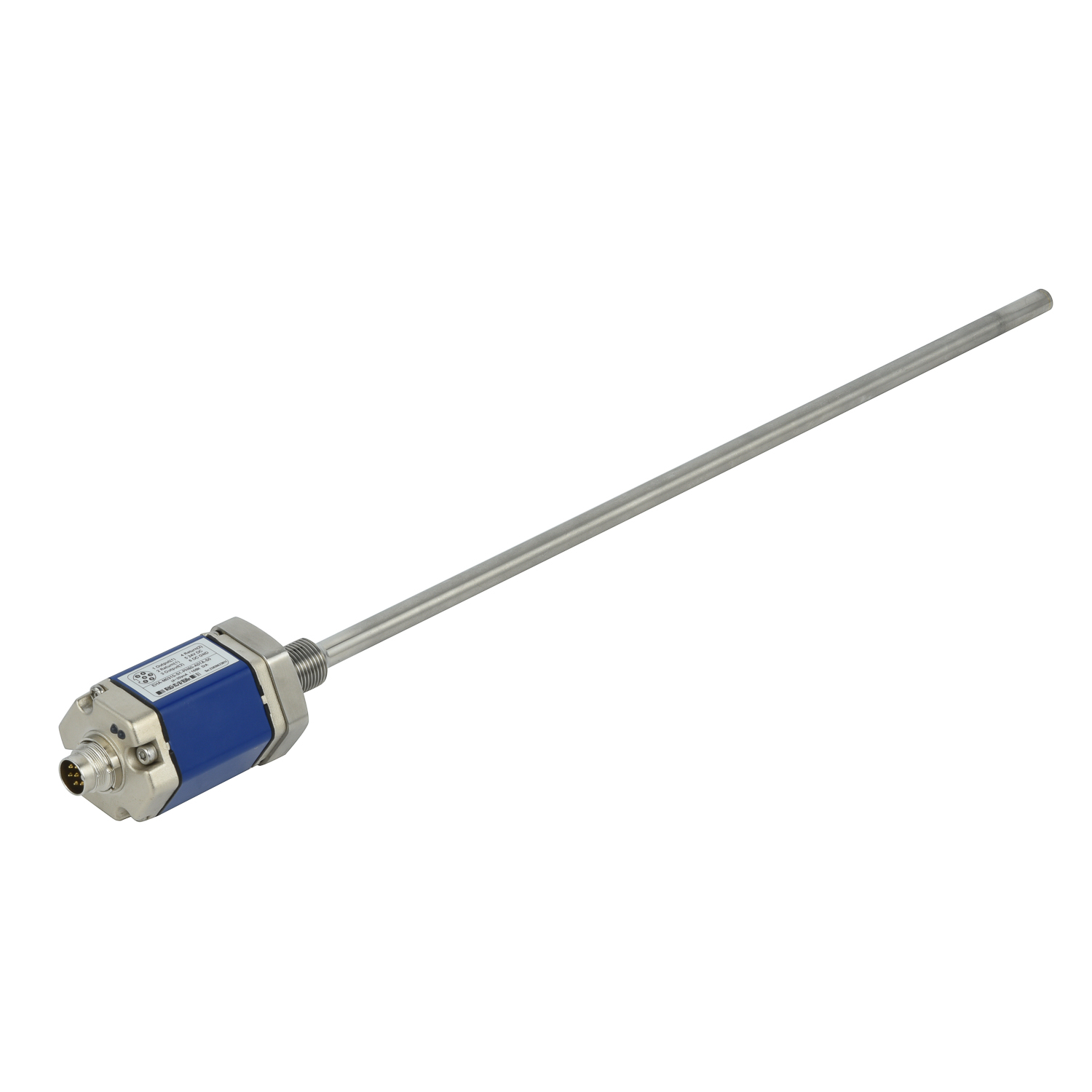
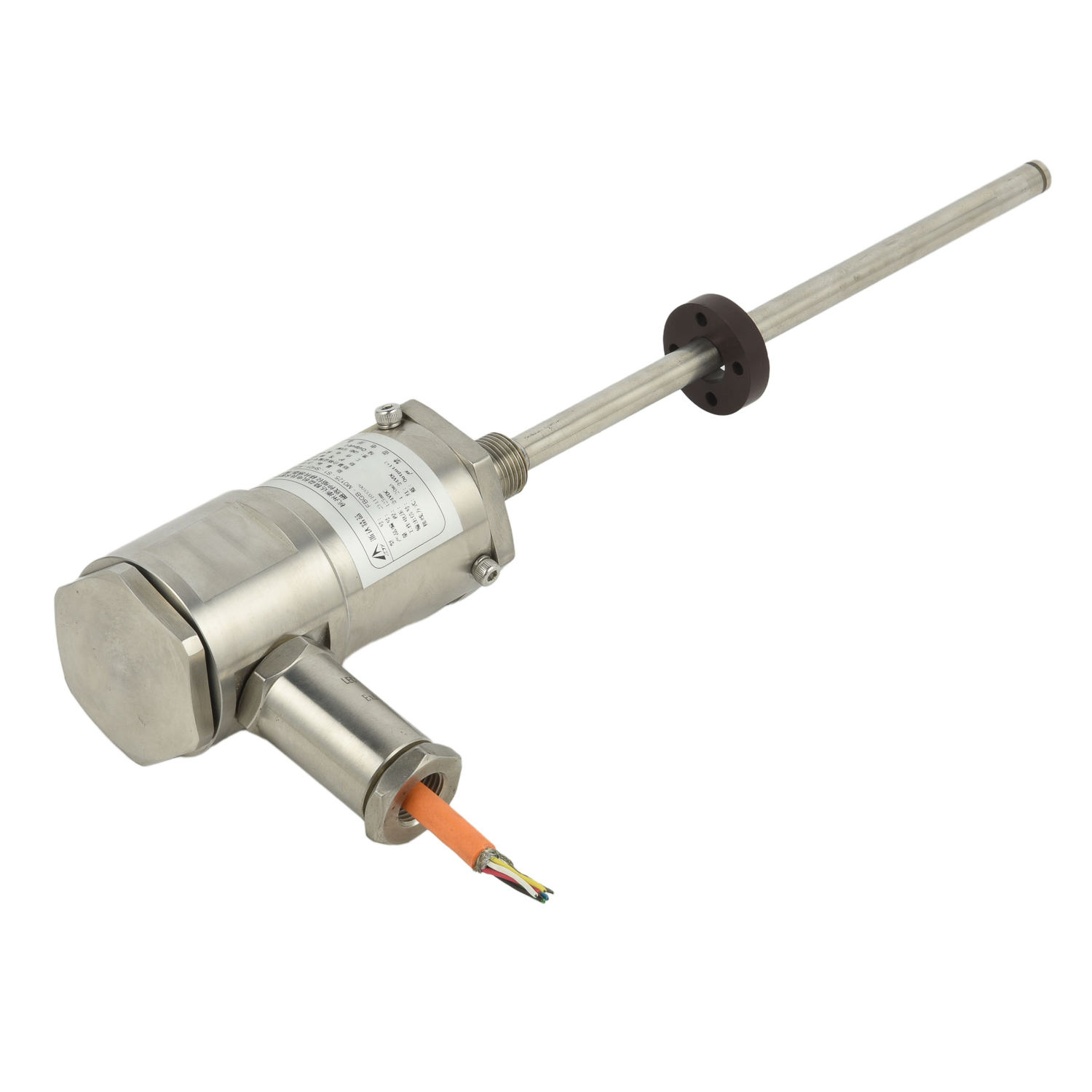 Linear Displacement Sensor for
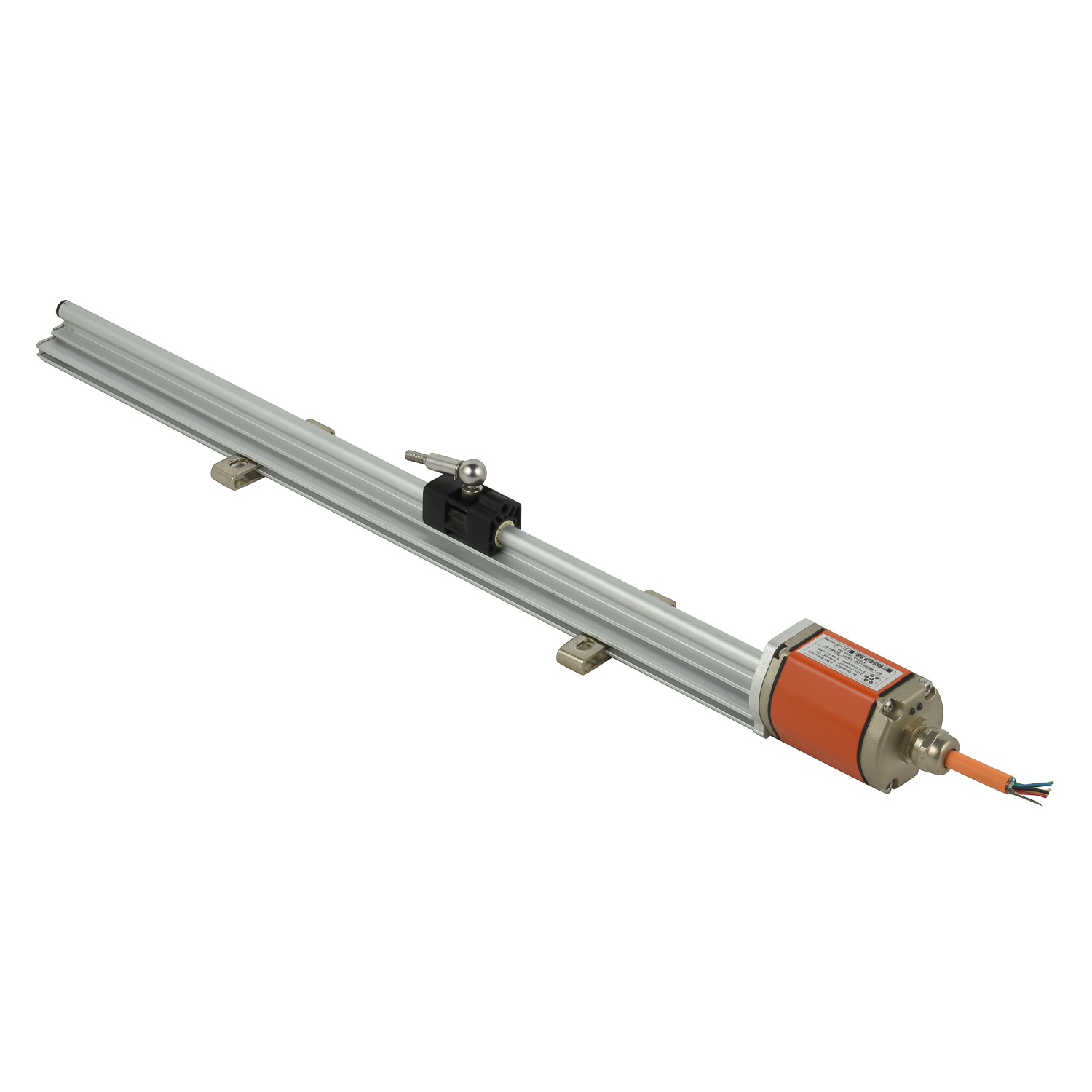 Linear Displacement Sensor for
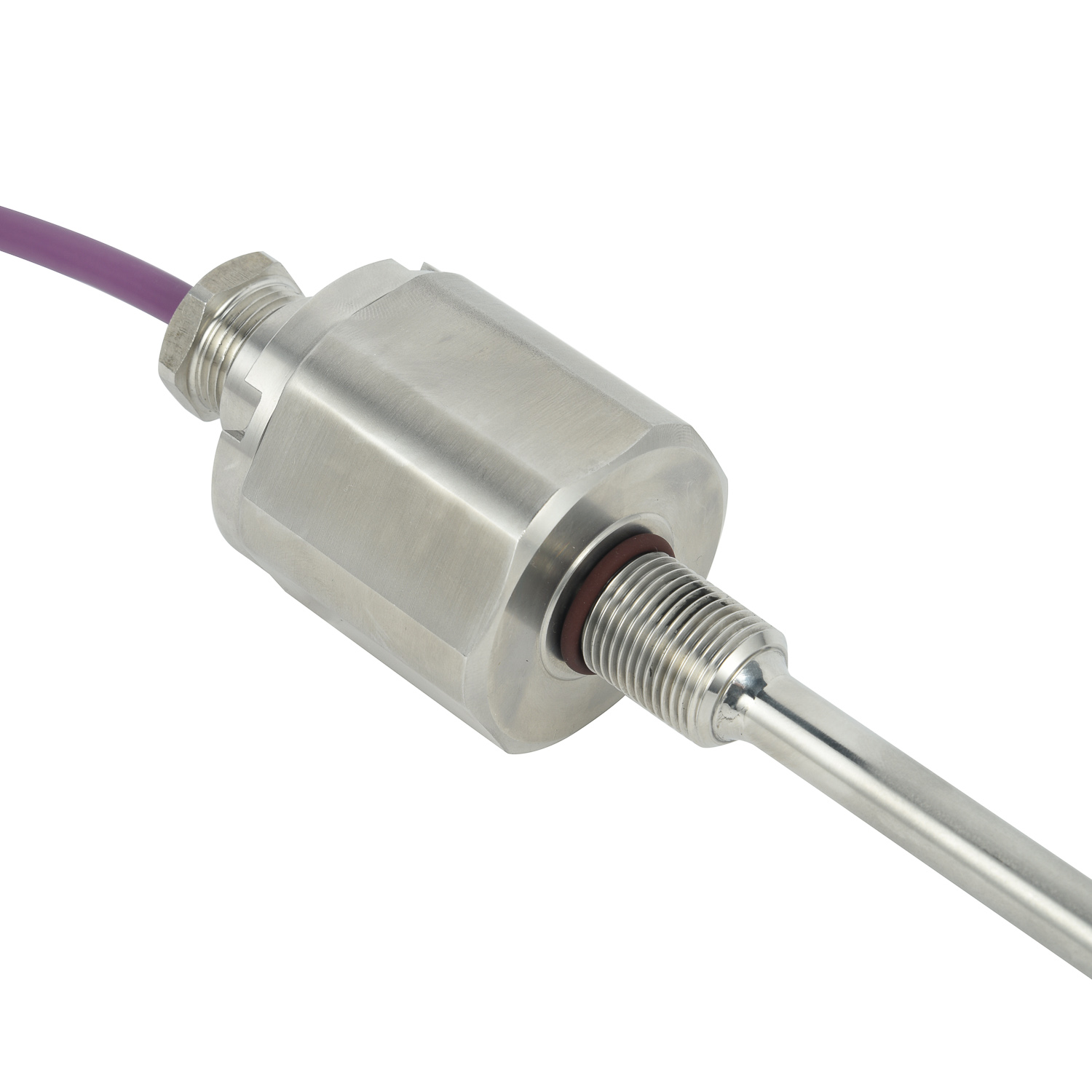 Linear Displacement Sensor for