
Intrinsically Safe Explosion-proof Magnetostrictive Displacement Sensor Selection
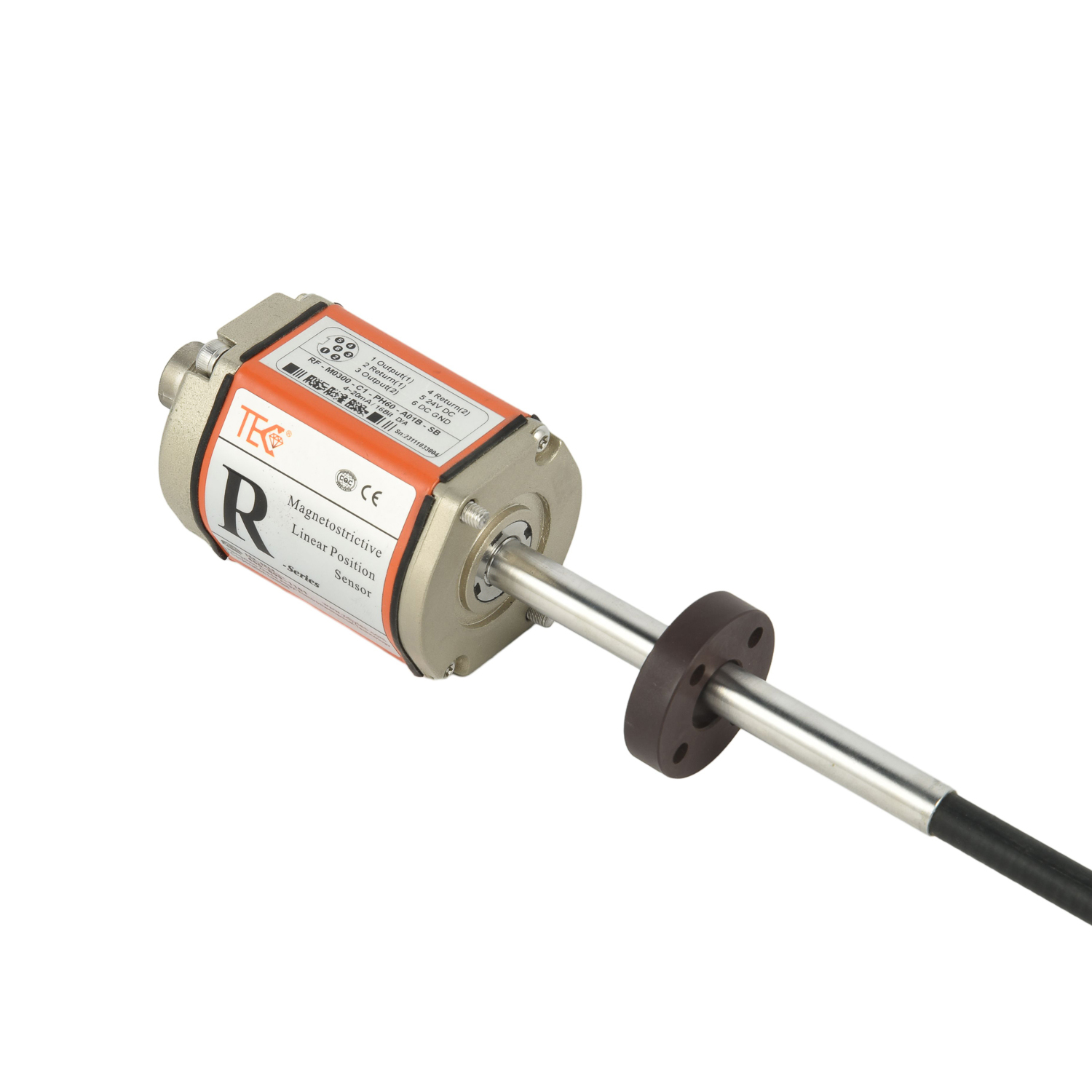
Selecting an intrinsically safe explosion-proof magnetostrictive displacement sensor requires matching hazardous-area certification, measurement needs, and mechanical fit. First, define the zone: Class I, Division 1 or Zone 0/1, gas group, and temperature class. The sensor must carry a correct intrinsic safety rating, such as Ex ia IIC T6, and work with an approved barrier or isolator. Second, check stroke length, resolution, repeatability, and mounting style. Magnetostrictive sensors offer long life and high accuracy, but explosive areas limit excitation energy. Choose a low-power model with 4-20 mA, HART, or RS-485 output, and confirm loop parameters (Ui, Ii, Pi, Ci, Li) match the barrier. Third, review process conditions: pressure, temperature, vibration, shock, and media compatibility. A stainless-steel housing, IP67 protection, and rugged connectors improve reliability. For cylinders, use rod-mounted or embedded types; for tanks and valves, choose flexible probe or flange mount. Fourth, assess EMI from motors, drives, and welding. Use shielded cables, surge protection. Fifth, verify calibration and diagnostics. Remote calibration, linearity correction, and fault detection reduce downtime. Finally, check certificates: ATEX, IECEx, NEC, EC-type examination. Do not rely on an explosion-proof label alone; intrinsic safety depends on the circuit. A well-selected sensor gives accurate displacement feedback in oil, gas, chemical, and mining applications while keeping safety and compliance.
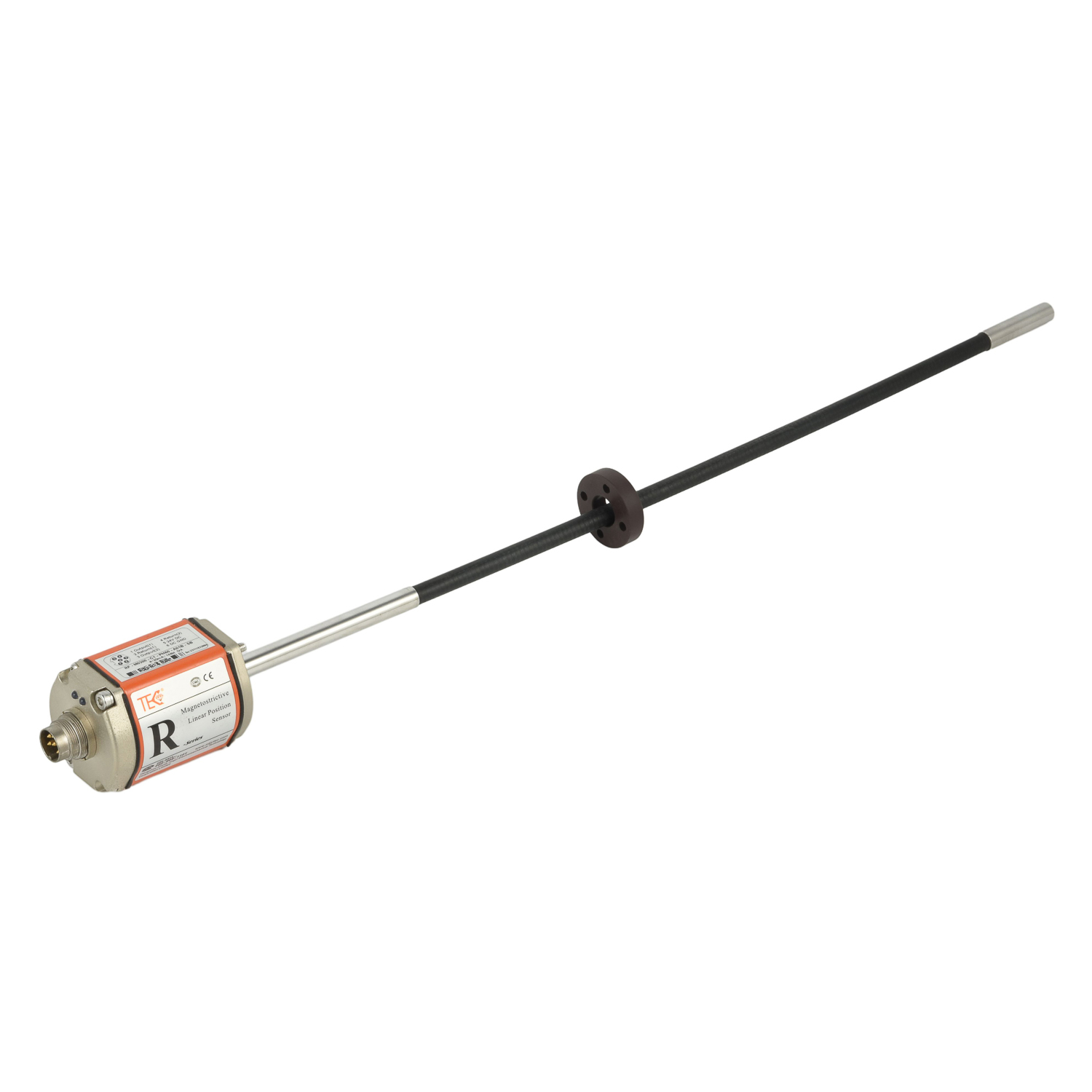
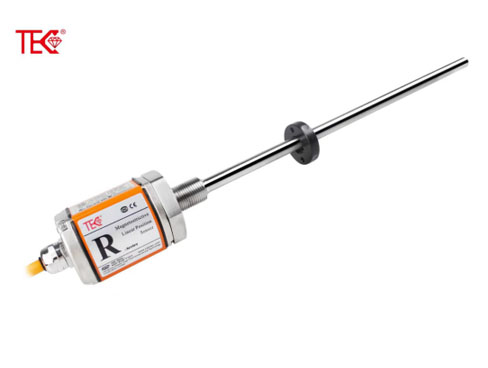 Corrosion-resistant Linear Dis
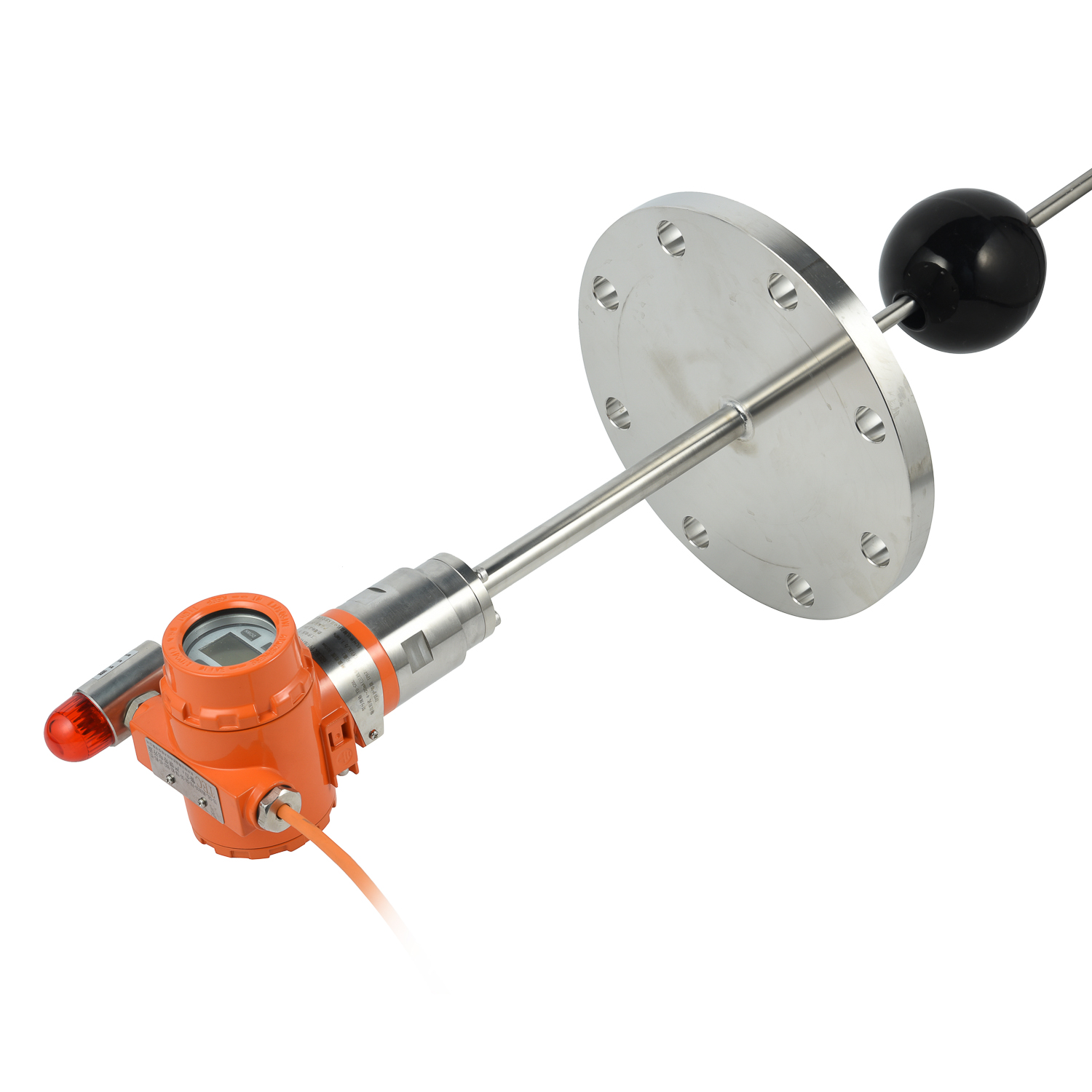 Field Application of Rod-type
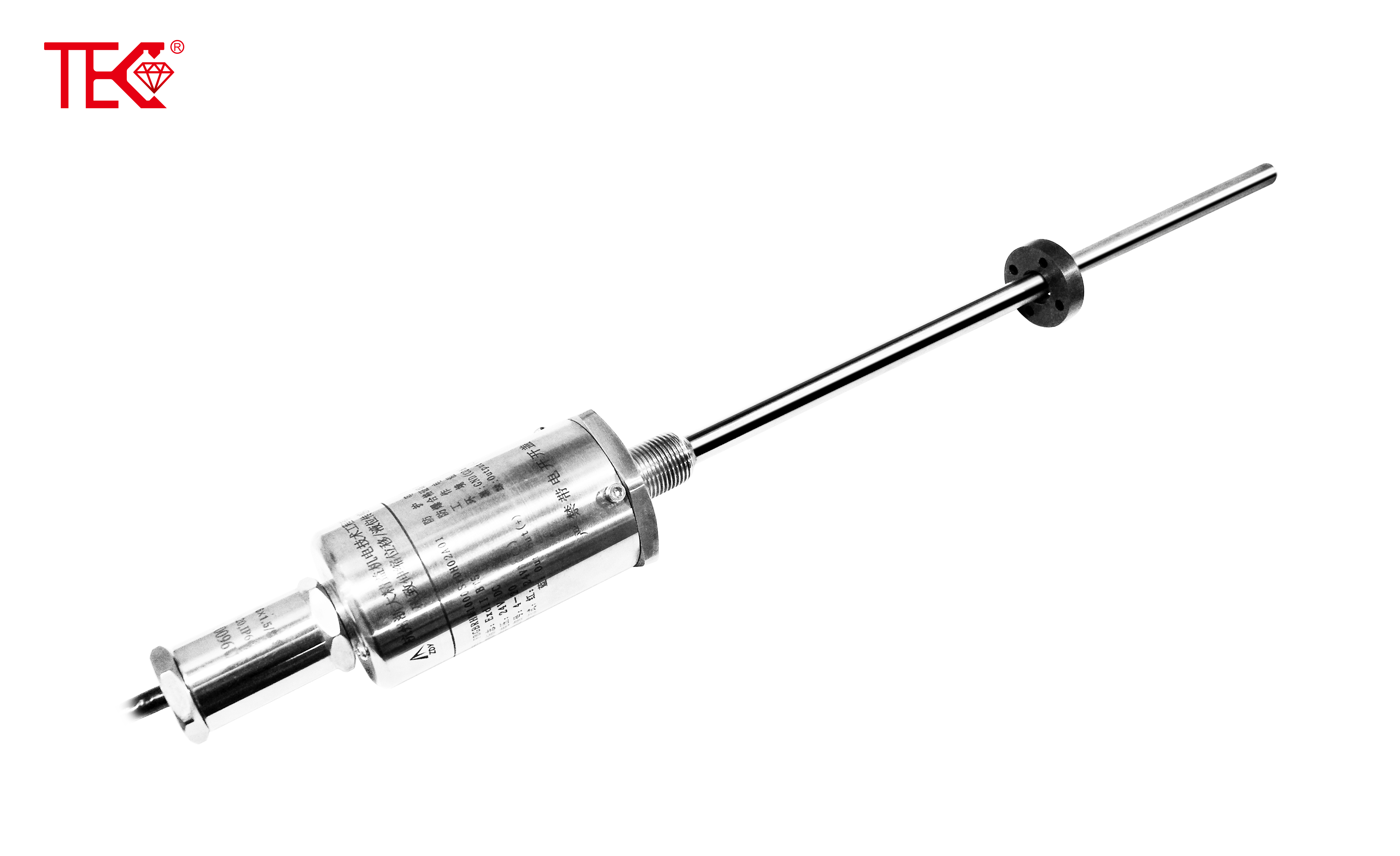 Model and Specification of Fla
 Import Substitute Non-contact