
Magnetostrictive Displacement Sensor for Crane
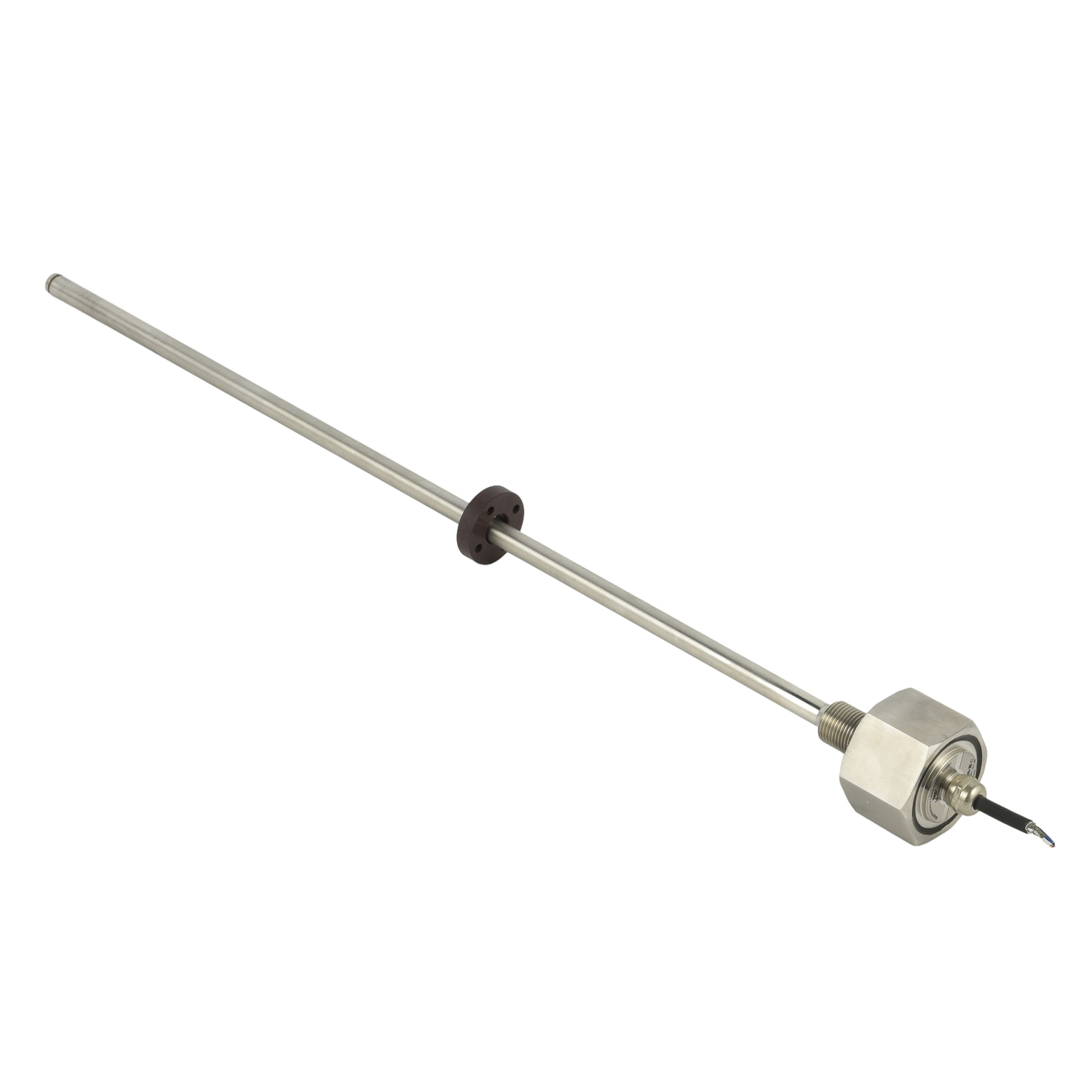
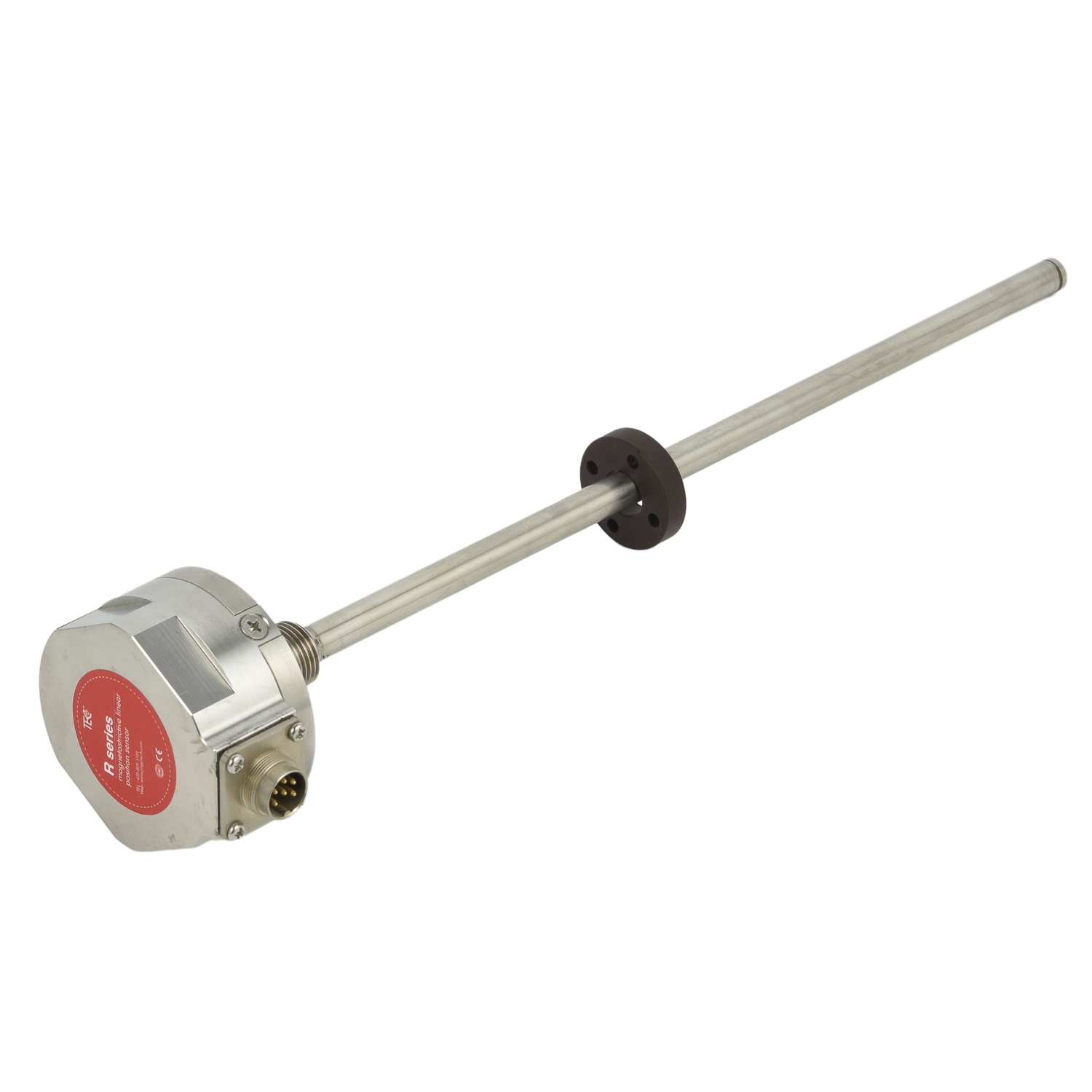
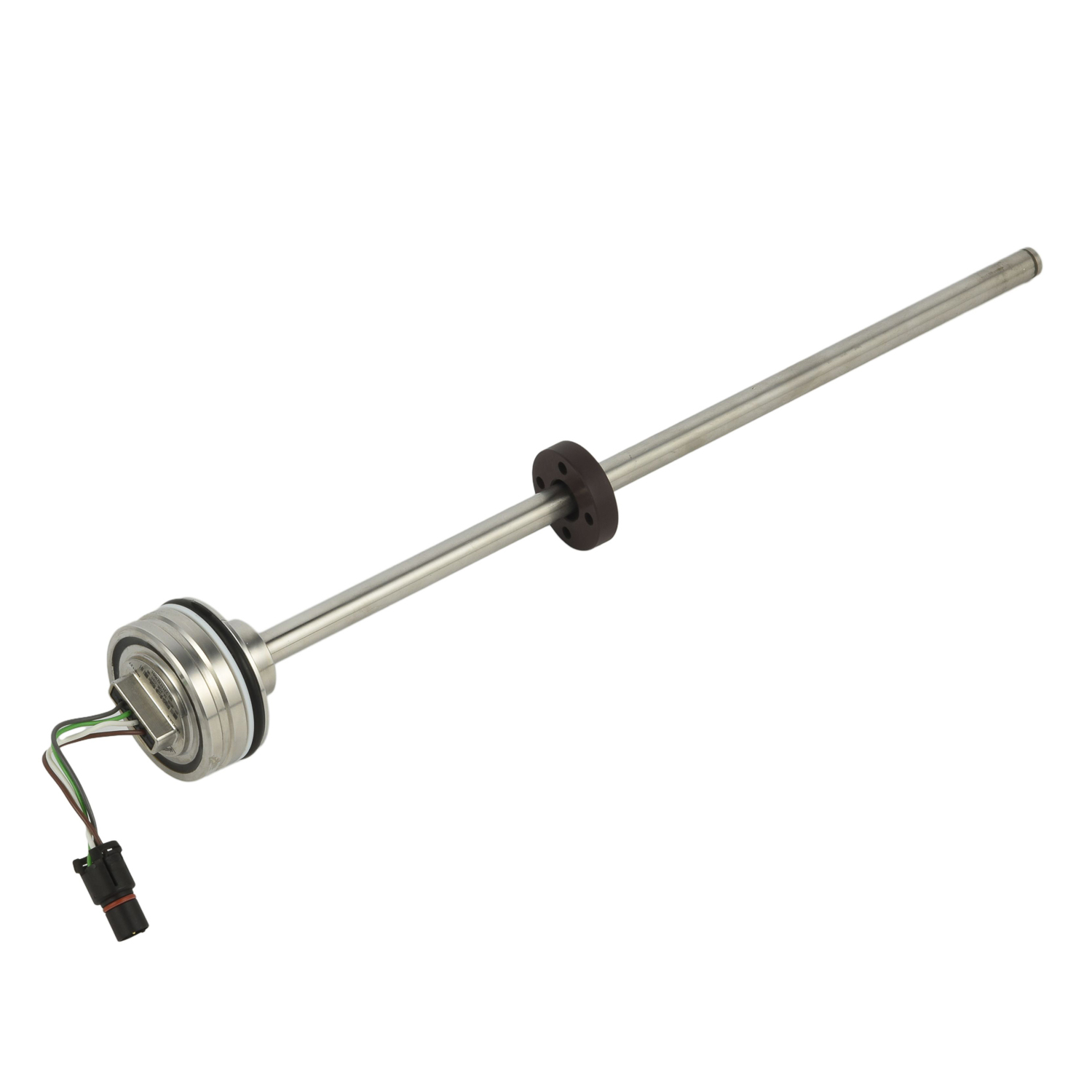
Cranes operate in harsh industrial environments where precise position feedback is critical for safety, efficiency, and load control. A magnetostrictive displacement sensor for crane systems provides reliable, absolute measurement of boom extension, trolley position, hoist height, and hydraulic cylinder stroke. Unlike potentiometers or optical encoders, magnetostrictive sensors use a waveguide and a movable magnet to detect position without contact. A current pulse travels along the waveguide, interacts with the magnet's field, and creates a return strain pulse. The time difference determines exact displacement, even after power loss.
For crane applications, this technology offers high accuracy, long life, and resistance to shock, vibration, dust, and moisture. It supports continuous operation in ports, steel mills, construction sites, and logistics centers. Mounted on hydraulic cylinders, booms, or rail tracks, the sensor sends analog, SSI, CANbus, or Profibus signals to the crane controller. This enables smooth speed control, anti-sway functions, overload protection, and automatic positioning.
Choosing the right sensor requires attention to stroke length, pressure rating, IP protection, output type, and temperature range. Proper installation aligns the sensor with the magnet and avoids mechanical stress. Regular inspection of cables and connectors helps prevent downtime. With a magnetostrictive displacement sensor, crane operators gain real-time feedback, reduced maintenance, and safer lifting.
 LVDT Displacement Sensor for M
 Grain and Oil Storage Tank Int
 Mixing Station Rod-type Linear
 Shield Tunneling Flange-mounte