
Magnetostrictive Displacement Sensor for Overhead Crane
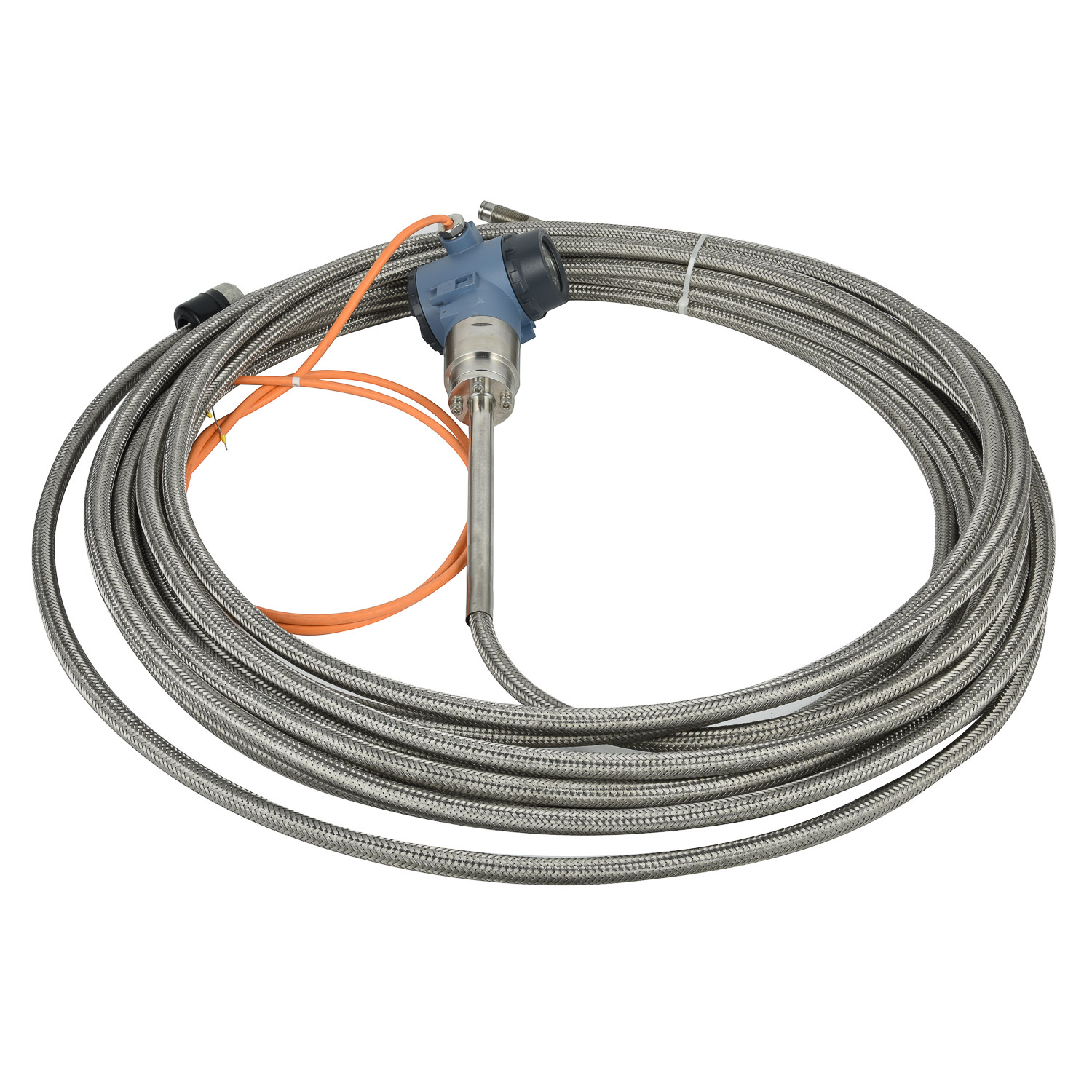
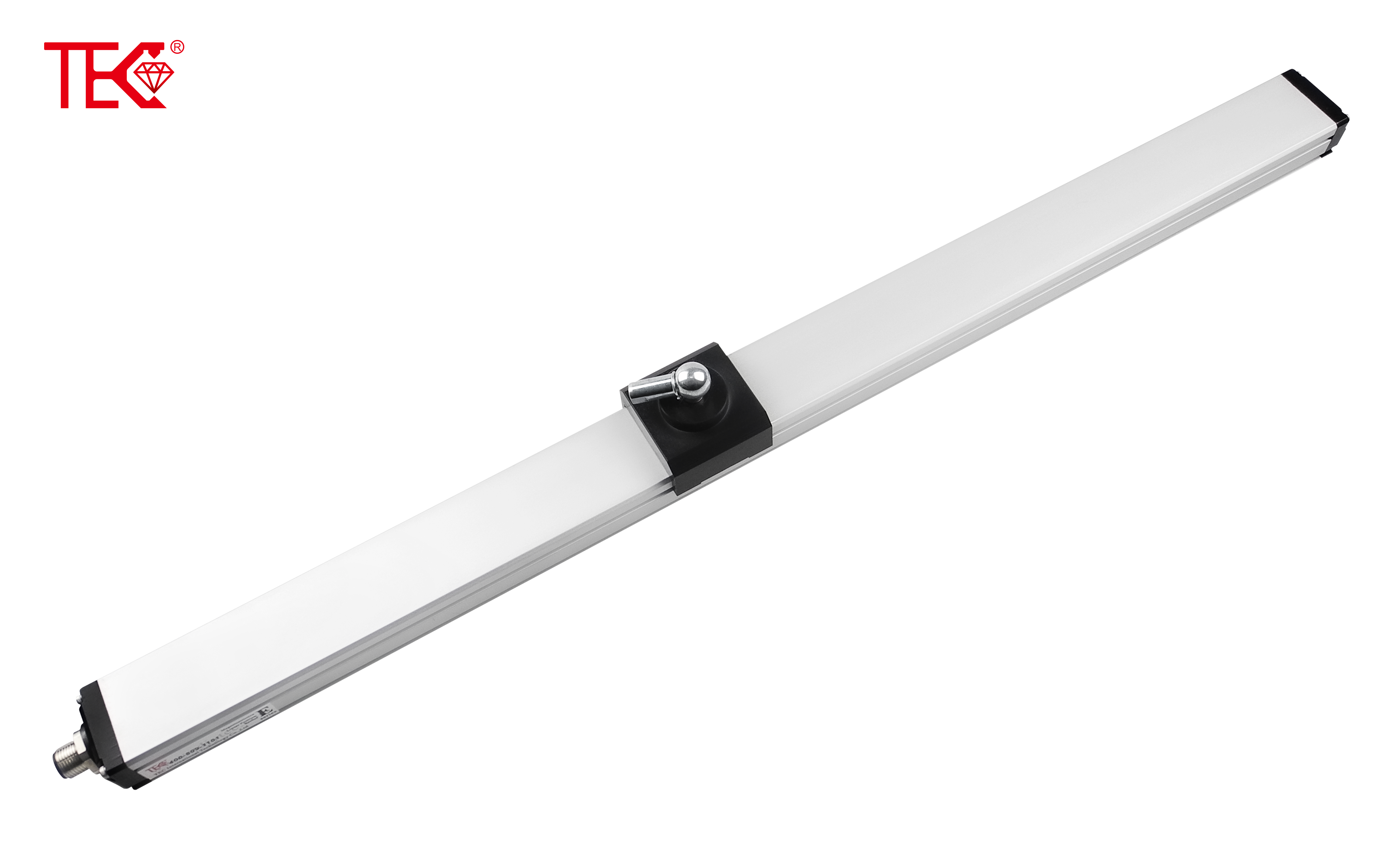
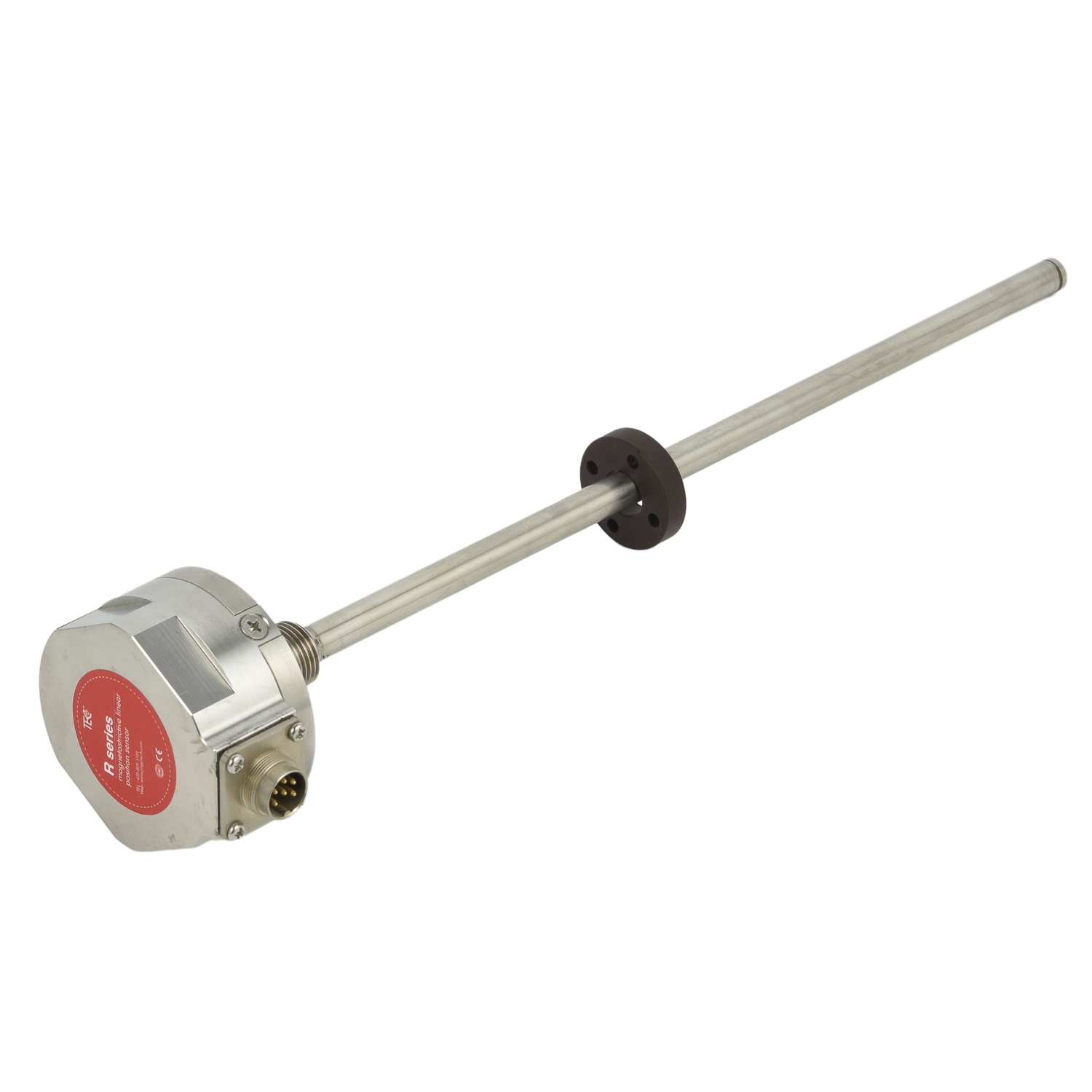
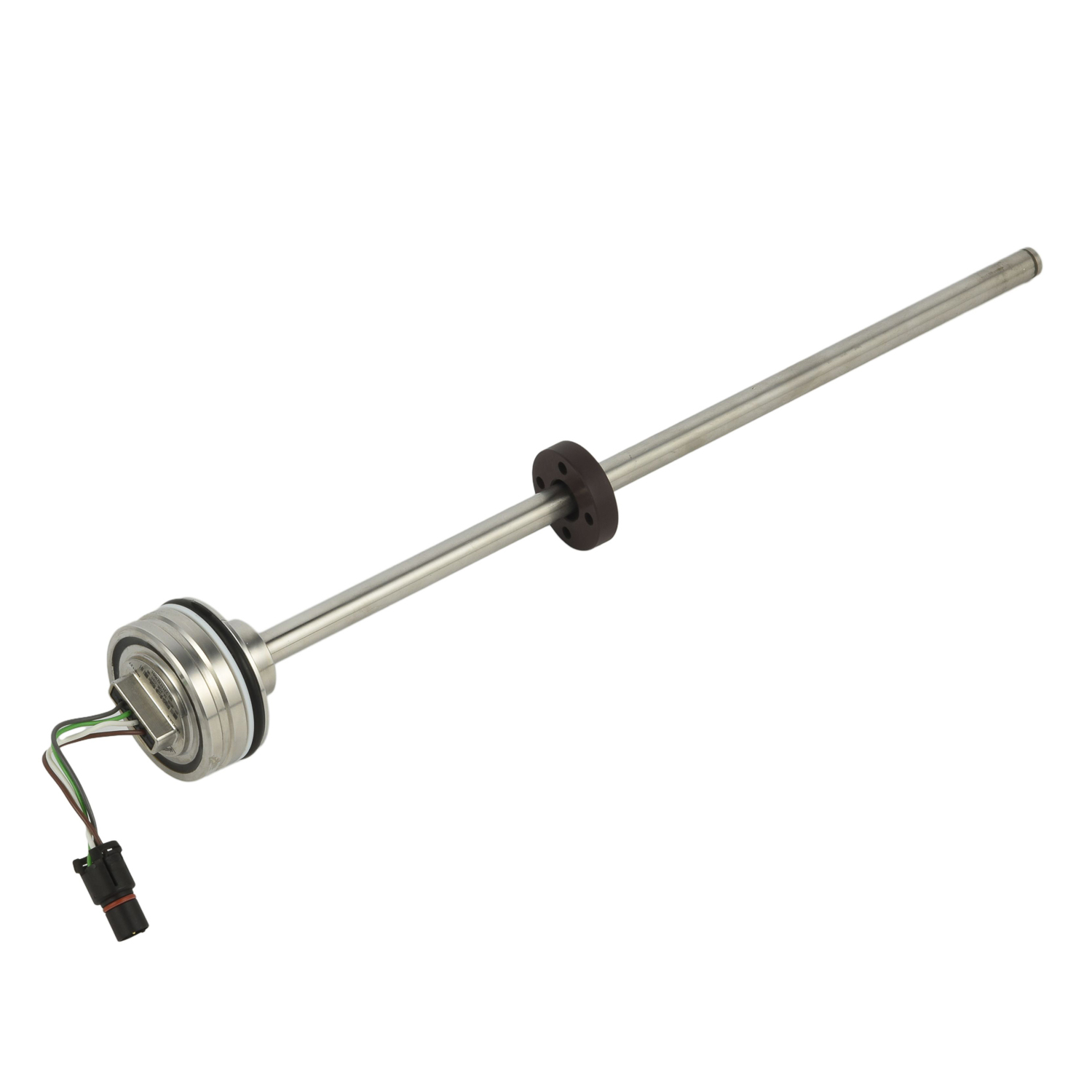
Overhead cranes operate in demanding industrial environments where accurate positioning is critical. A magnetostrictive displacement sensor offers a reliable way to measure the linear position of trolley travel, bridge movement, hoist height, and other key motions. Unlike mechanical switches or optical devices, it uses a magnetostrictive waveguide and a movable magnet. When a current pulse travels along the waveguide, the magnet creates a torsional strain wave. The sensor measures the time between the pulse and the returning wave to calculate absolute position with high precision.
For overhead cranes, this technology brings clear benefits. It provides absolute position data without re-zeroing after power loss, helping operators and automated systems know the exact location of the trolley or hook. The non-contact sensing design reduces wear, so the sensor can withstand vibration, dust, moisture, and temperature changes common in steel mills, warehouses, ports, and heavy manufacturing. It also supports faster cycle times by enabling smooth acceleration, deceleration, and anti-sway control.
Installation can be flexible. The sensor may be mounted along the crane rail, bridge, or hoist frame, depending on the measurement axis. A floating magnet or a magnet block is attached to the moving part. With analog, SSI, CANopen, Profibus, or Ethernet outputs, the sensor integrates easily with PLCs, drives, and crane management systems. Magnetostrictive sensors support safer, smarter overhead crane automation.
 LVDT Displacement Sensor for M
 LVDT Displacement Sensor for M
 Grain and Oil Storage Tank Int
 Mixing Station Rod-type Linear