
Magnetostrictive Displacement Sensor for Stacker-reclaimer
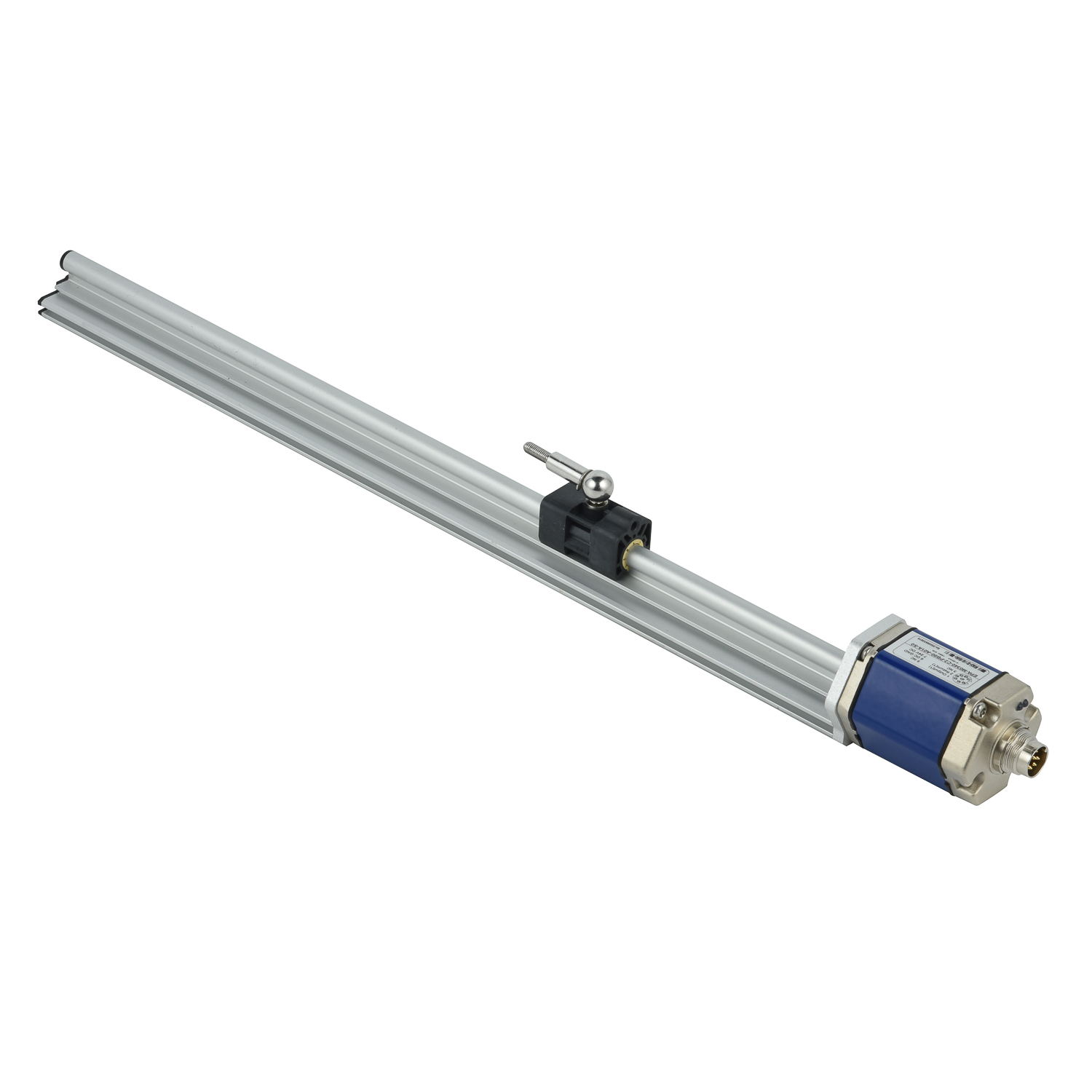
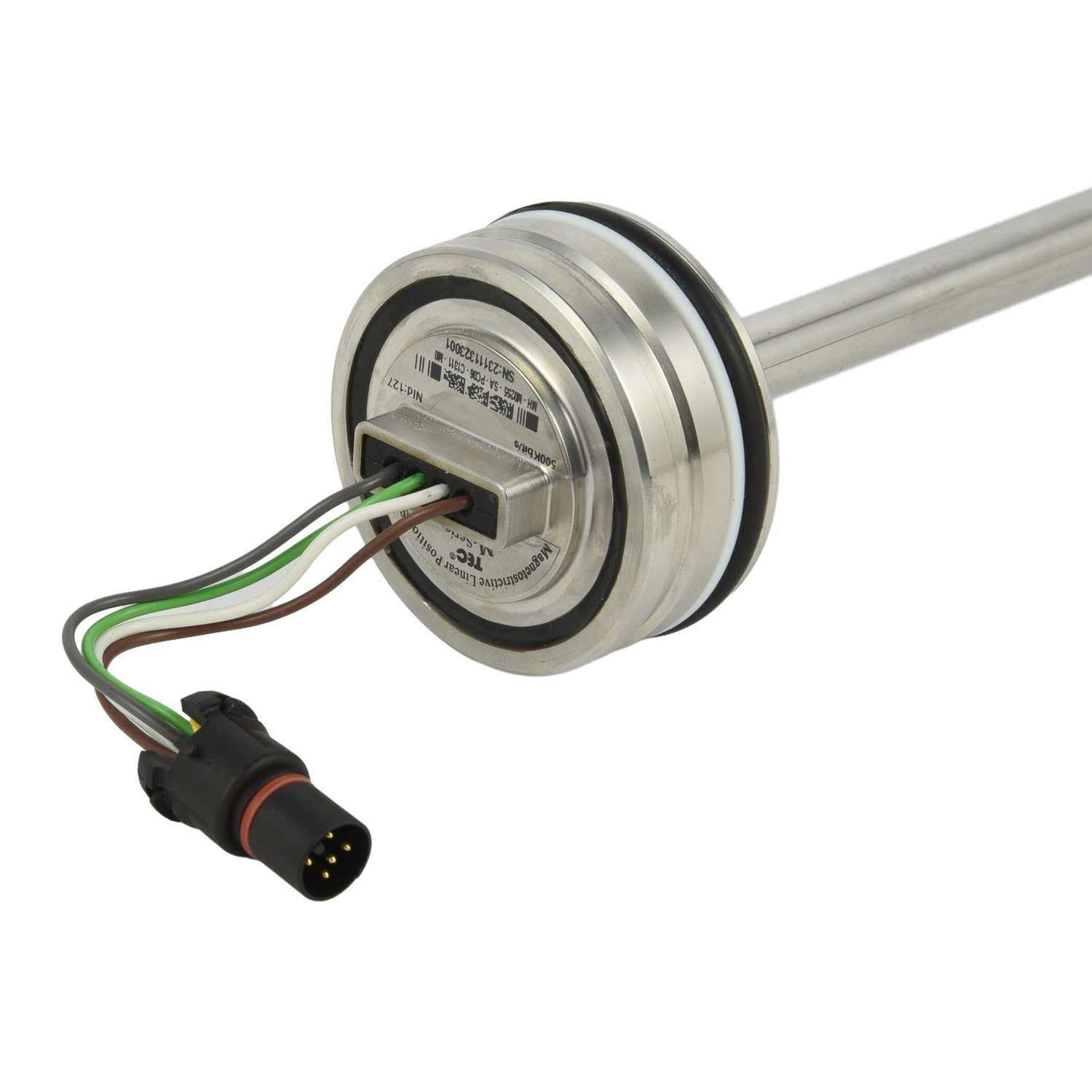
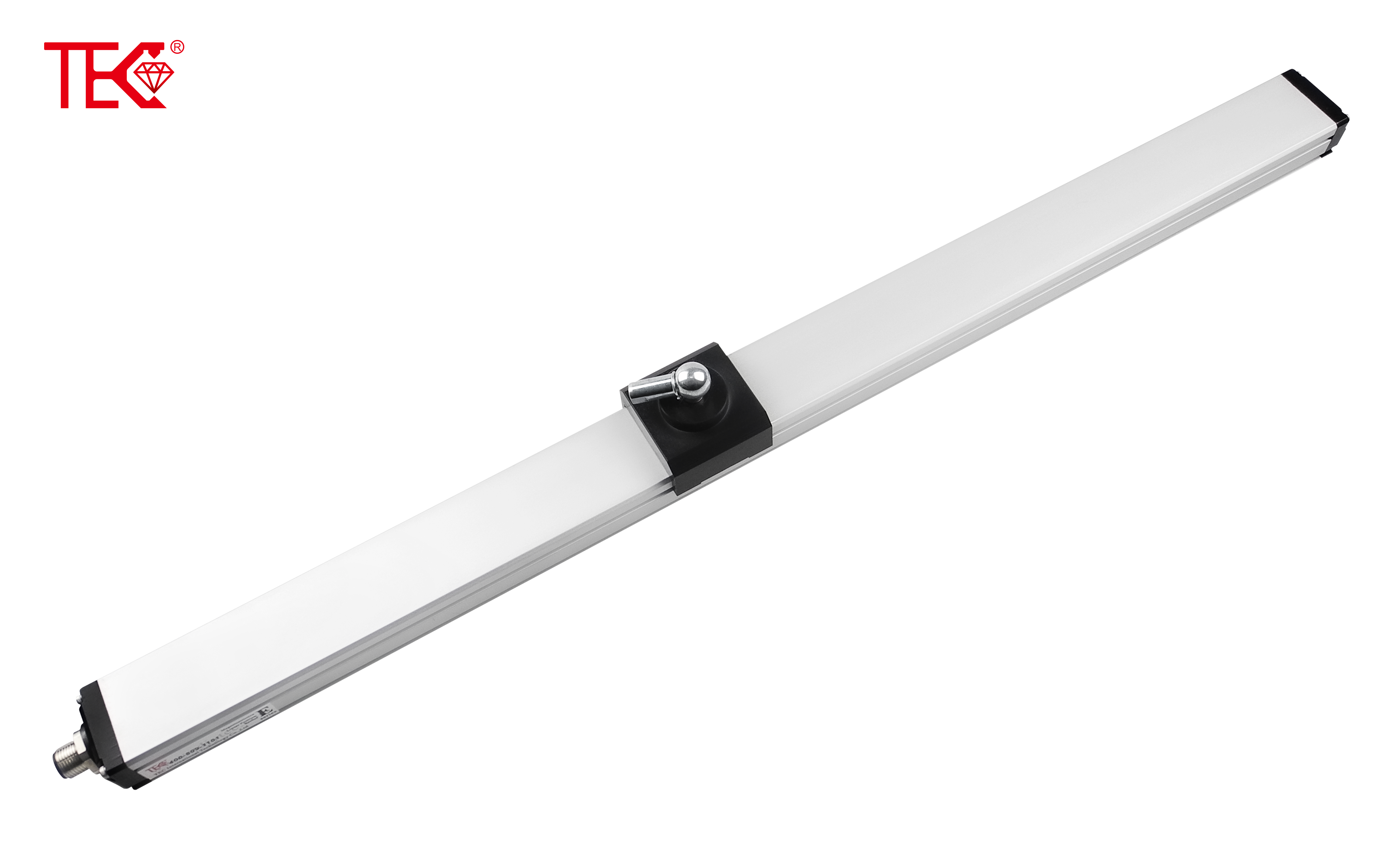
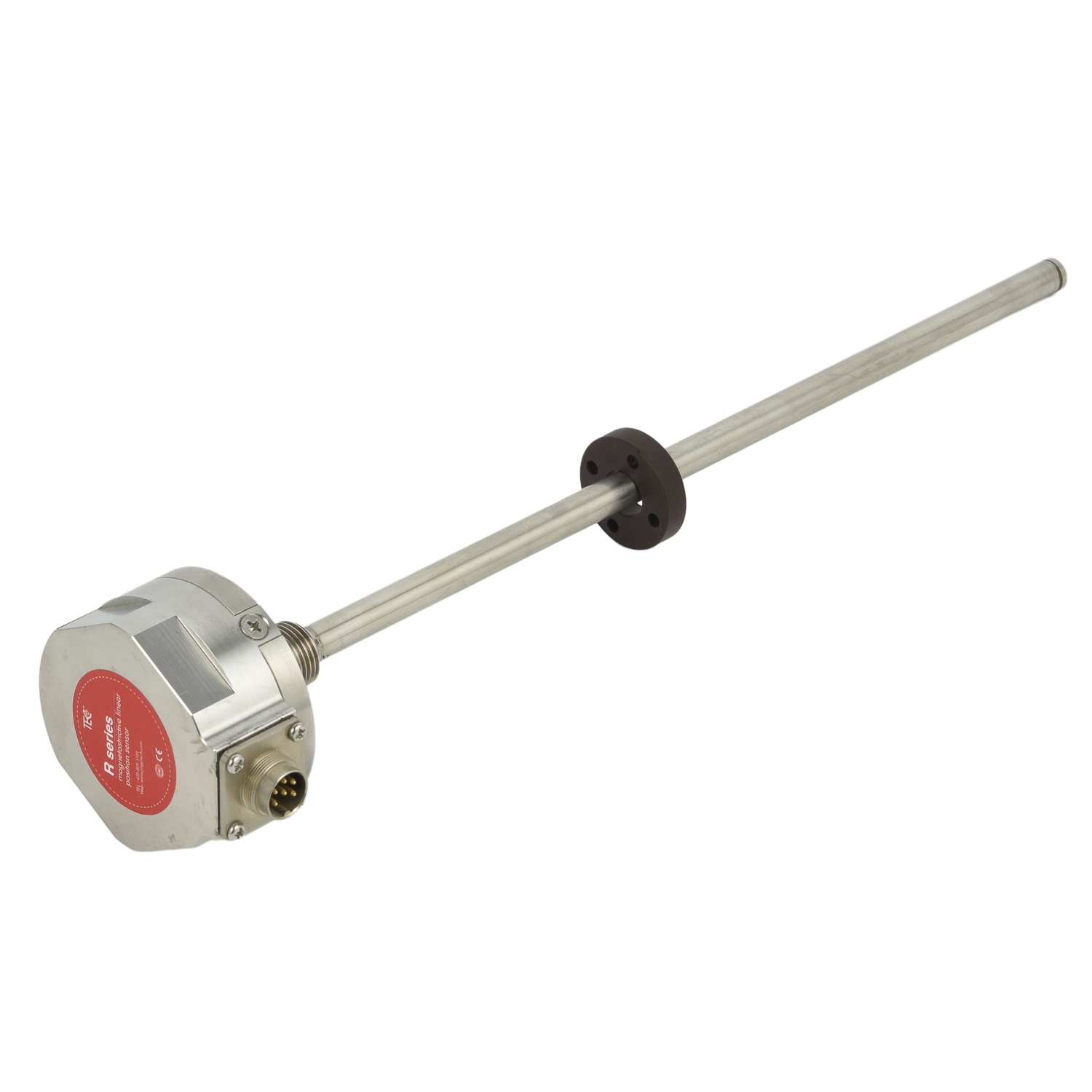
Magnetostrictive displacement sensors are widely used in stacker-reclaimers to deliver accurate, absolute linear position feedback in demanding bulk material handling environments. A stacker-reclaimer relies on precise motion control for boom luffing, bucket wheel positioning, travel, slewing, and chute or gate adjustment. If position feedback drifts or fails, productivity drops and safety risks rise. The sensor works by sending a current pulse through a magnetostrictive waveguide. A permanent magnet attached to the moving part creates a torsional strain pulse. The time difference between the two pulses indicates the magnet's exact position. Because the measurement is non-contact and absolute, the sensor needs no homing after power loss and suffers little mechanical wear. For stacker-reclaimers, this technology offers major advantages. It resists dust, vibration, moisture, temperature changes, and electromagnetic interference. It provides high resolution and repeatability, often with 4-20 mA, SSI, CANopen, Profibus, or EtherCAT output. Rod-style and profile-style models can be installed on hydraulic cylinders, boom pivots, and telescopic structures. The sensor helps prevent over-travel, ensures smooth stacking and reclaiming, and supports automated stockyard operations. When selecting a magnetostrictive displacement sensor, consider stroke length, mounting style, IP rating, output signal, pressure rating for cylinder integration, and operating temperature. Proper installation ensures reliable, long-term performance.
 LVDT Displacement Sensor for C
 LVDT Displacement Sensor for M
 LVDT Displacement Sensor for M
 Grain and Oil Storage Tank Int