
Crane and Trolley Positioning Fault
Crane and trolley positioning faults can halt overhead cranes. A trolley may overshoot, creep, or report a false target. Common causes include encoder damage, loose couplings, dirty rails, worn wheels, misaligned limit switches, weak radio signals, PLC logic errors, and VFD parameter drift. These faults can cause collisions, dropped loads, and downtime.
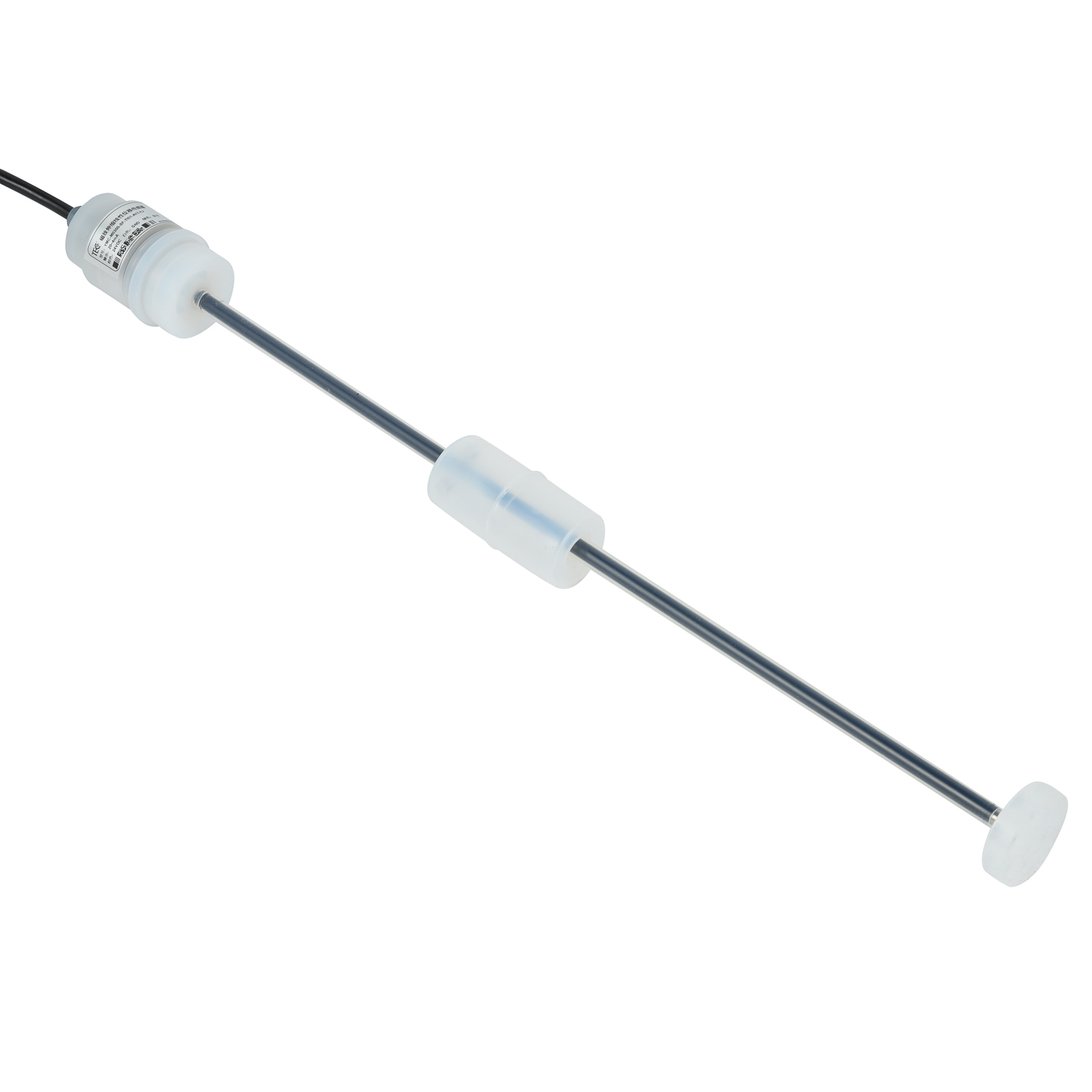
Begin with a structured check. Review the HMI or PLC position value. If feedback is frozen or jumping, inspect the encoder, resolver, laser sensor, or absolute positioning system. Check wiring, moisture, dust, vibration, and shield grounding. Test the trolley drive. Confirm the brake releases and the VFD reaches commanded speed. Compare actual travel with the target distance. Wheel slip, flat spots, and rail debris can create counting errors.
After replacing an encoder, motor, or coupling, calibrate the reference point. Set soft limits and end limits. Match slow-down and stop points to the physical layout. For radio remote systems, check battery, antenna, interference, and channel pairing. For laser positioning, clean the reflector and lens, then verify distance with a tape measure. For PLC control, review scan time and communication delay; latency can cause overshoot.
Preventive care helps. Clean rails weekly, check encoder couplings monthly, and calibrate position sensors quarterly. Record fault codes and target errors. Train operators to stop safely and report unusual trolley movement. Use shielded cables, proper routing, and stable power. If faults repeat, add redundant sensors or closed-loop control with absolute feedback. Systematic troubleshooting reduces positioning faults and improves safety, uptime, and load accuracy.
 Radar Sensor Fault
 Field Application of Radar Sen
 Model and Specification of Rad
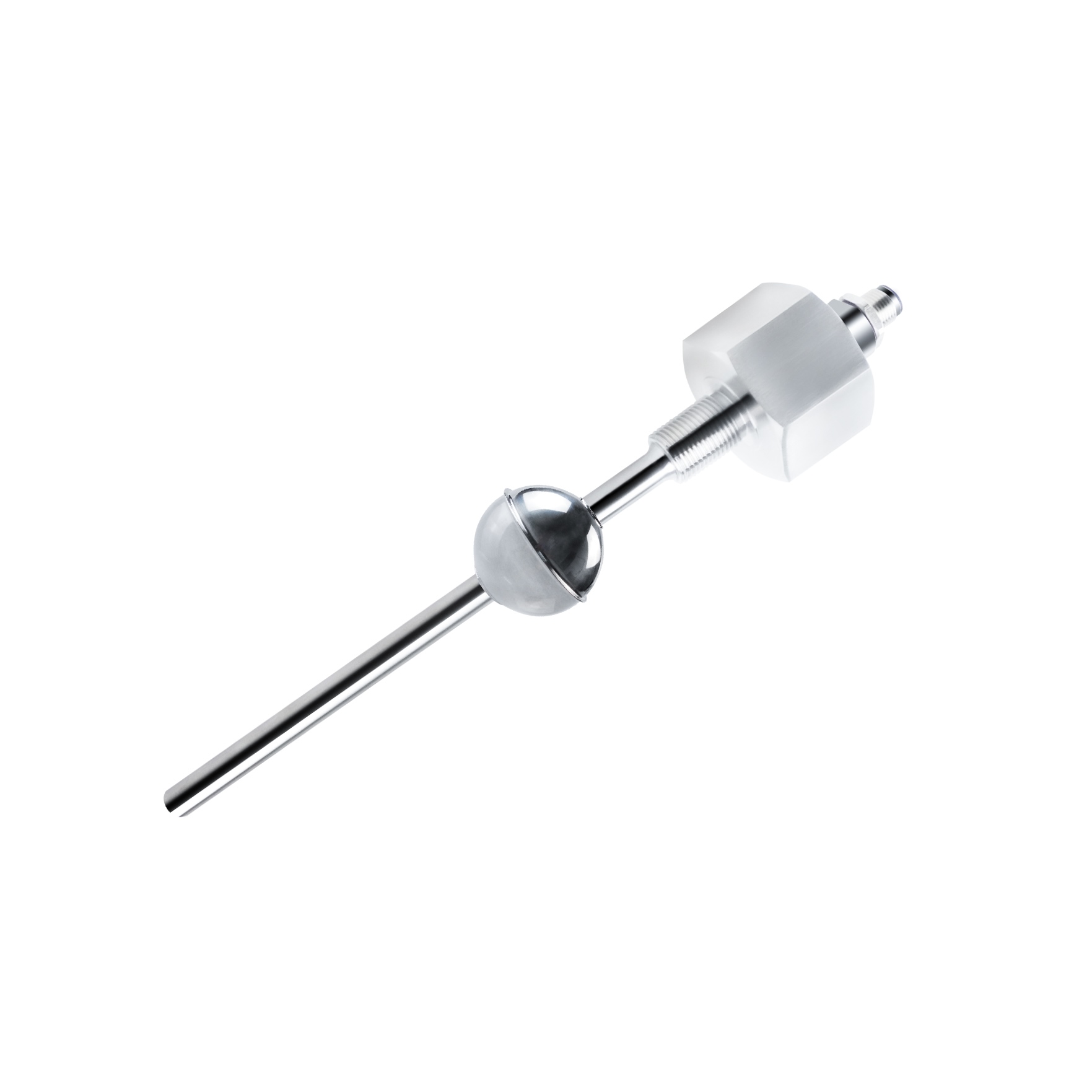 Import Substitute Radar Sensor