
Domestic Crane and Trolley Positioning
Domestic crane and trolley positioning is vital for safe, efficient material handling in workshops and warehouses. In limited space, precise control of bridge, hoist, and trolley prevents load swing, collision, and downtime. Modern systems use encoders, laser distance sensors, limit switches, and PLC logic. Variable frequency drives provide smooth acceleration and braking, helping the trolley stop at the exact target. Absolute encoders report real-time position, while laser sensors confirm distance to end stops or work zones. A PLC combines signals to calculate speed, direction, and braking distance. Operators can use a radio remote or pendant to send target coordinates. The control system then moves the trolley automatically or semi-automatically. For domestic cranes, compact sensors and simple wiring matter. Wireless options reduce cable wear. Safety features include anti-sway control, zone limiting, overload protection, and emergency stop. Regular calibration keeps positioning accurate. Check encoder coupling, sensor lens, rail condition, and wheel alignment. Clean rails and proper lubrication reduce slippage and improve repeatability. When selecting a system, consider load weight, speed, span, duty cycle, and environment. Dust, heat, and humidity may require IP-rated components. With the right design, positioning improves productivity, reduces operator fatigue, and prevents accidents. It also supports automated storage, precise assembly, and just-in-time logistics. This builds safer lifts.
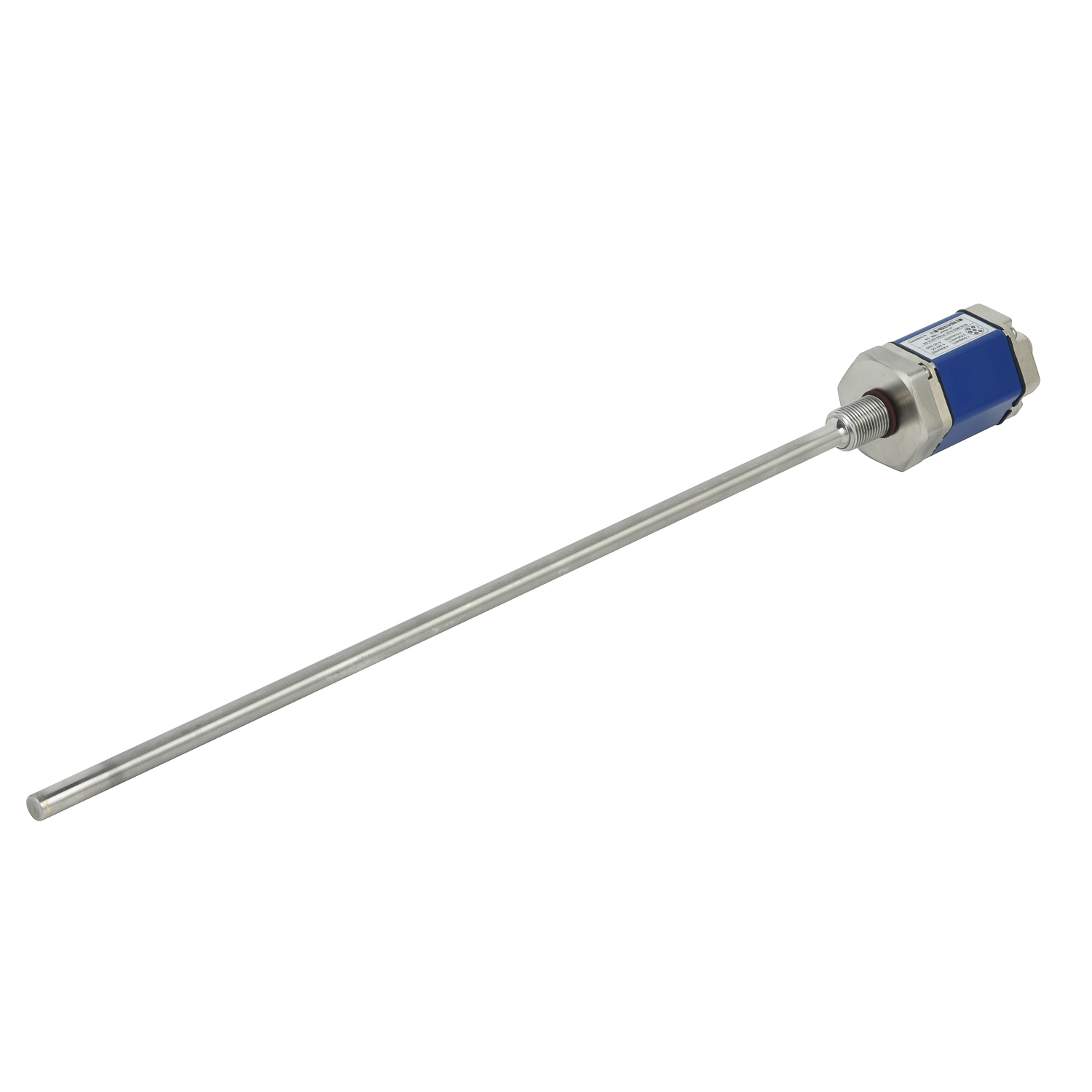 Domestic Crane and Trolley Pos
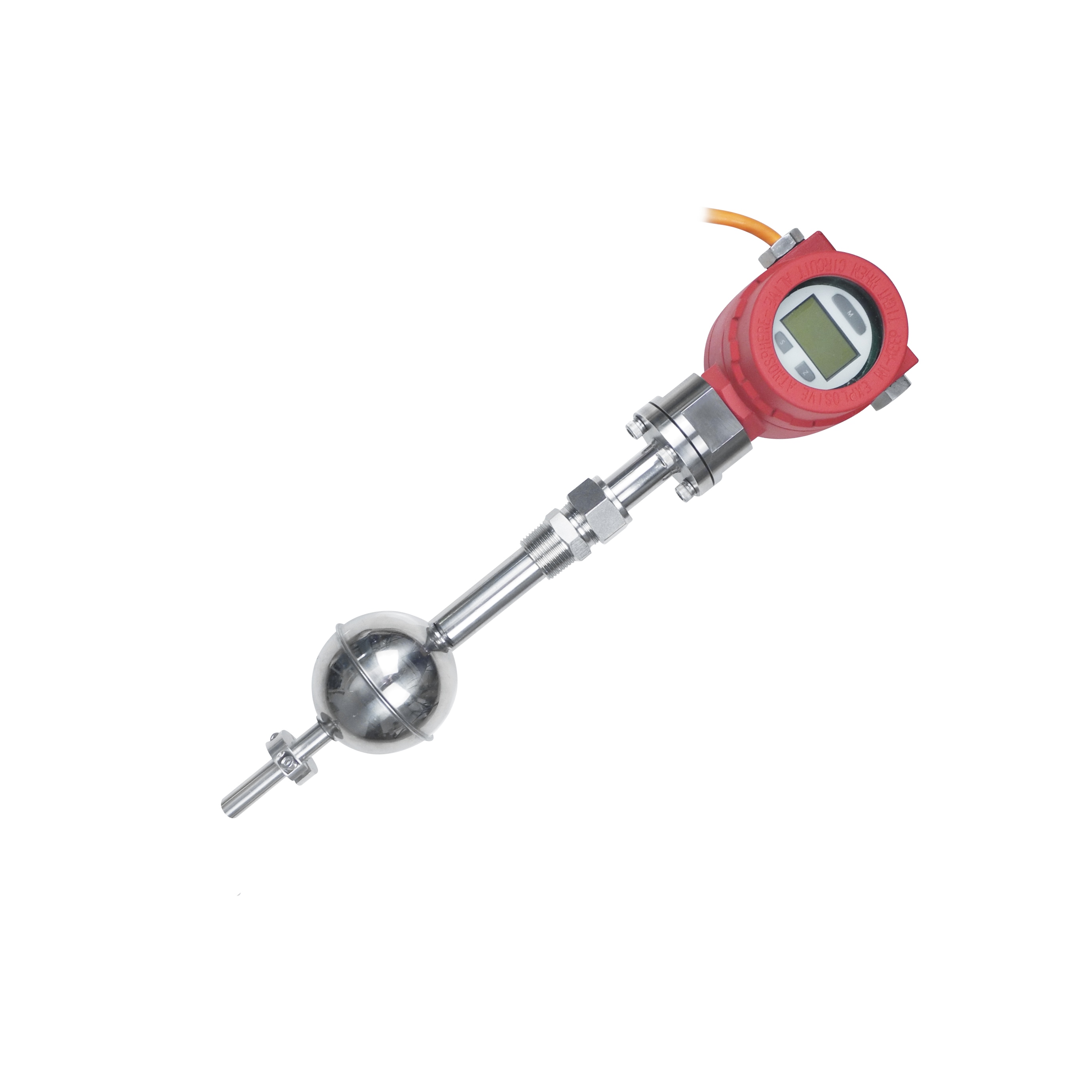 Crane and Trolley Positioning
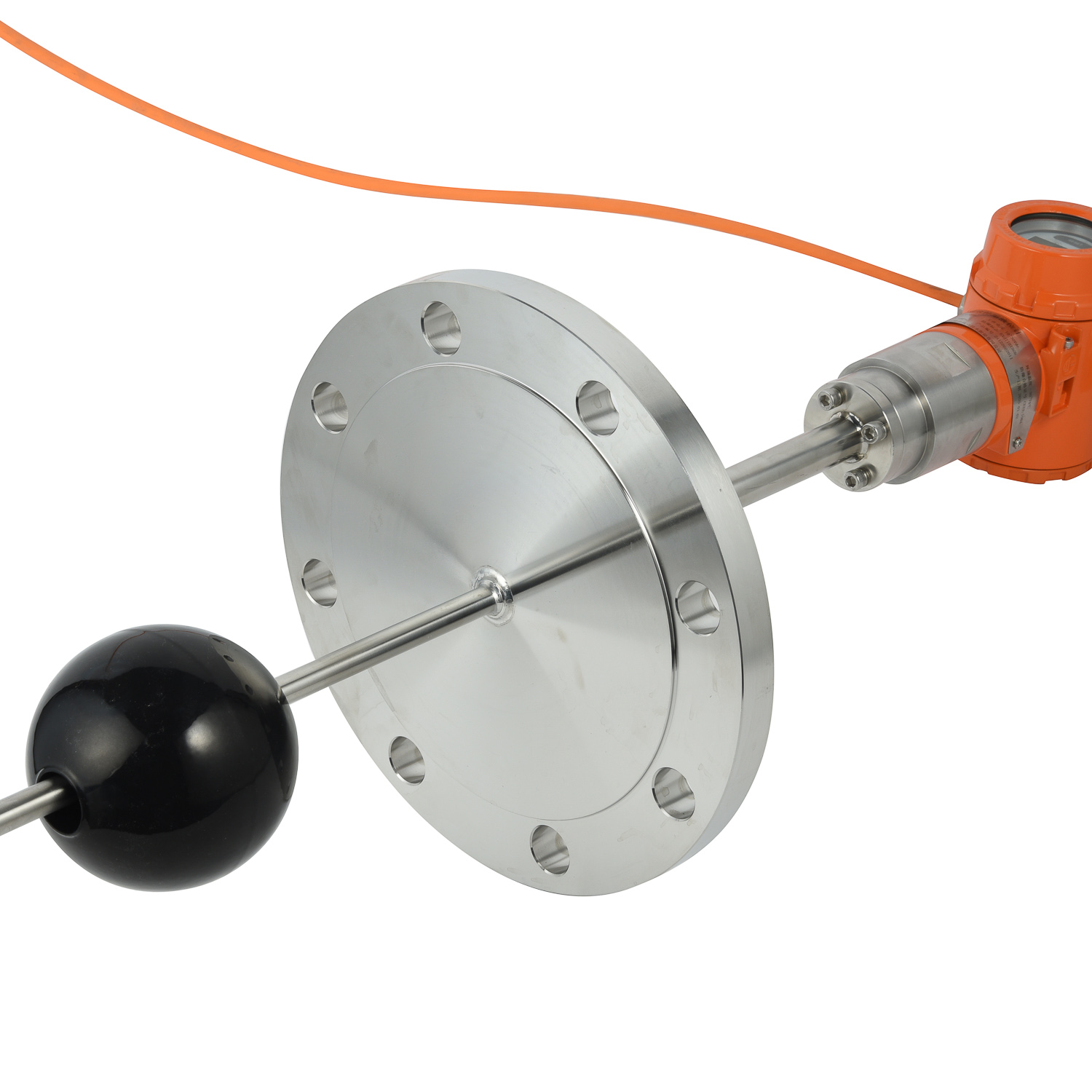 Corrosion-resistant Crane and
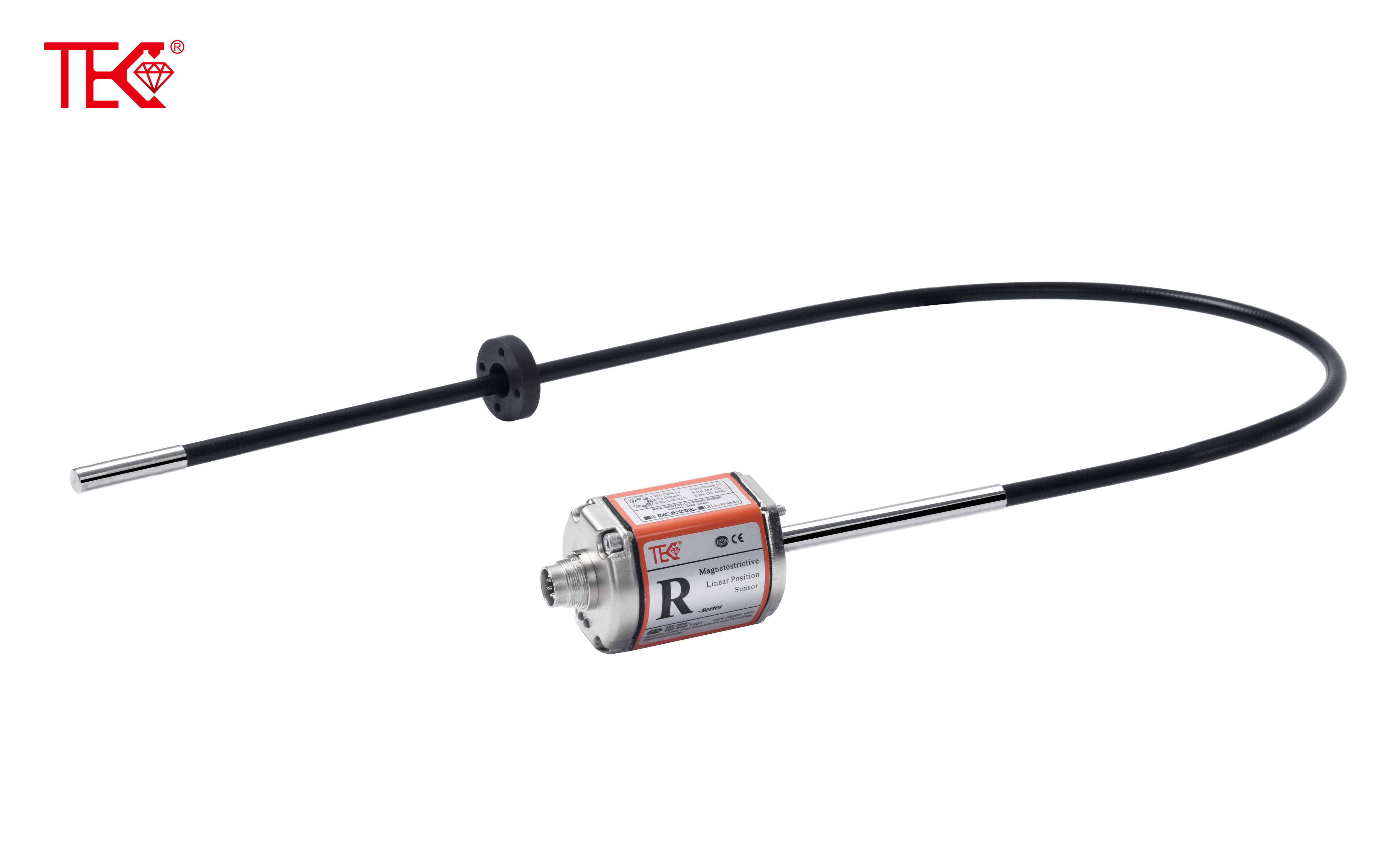 High-pressure Crane and Trolle