
Crane and Trolley Positioning
Crane and trolley positioning is a core function in modern industrial lifting. It determines where the bridge, trolley, and hoist are located along the runway and span, enabling safe, fast, and repeatable load handling. In manual cranes, operators rely on visual judgment and limit switches. In automated systems, precise positioning is essential for path planning, collision avoidance, and stable load placement.
Several technologies support accurate positioning. Laser distance sensors measure the distance to a reflector or target, giving real-time travel and cross-travel coordinates. Absolute encoders mounted on wheels or motors provide reliable feedback without homing after every start. Barcode tracks can identify zones and fine-tune stopping points. PLCs and motion controllers fuse these signals, apply speed profiles, and command drives.
Trolley positioning focuses on cross-travel motion. It must handle inertia, skew, and load swing. Anti-sway control uses models or sensor feedback to reduce oscillation, so the trolley can stop at the target without dangerous load sway. For storage and retrieval, accuracy of a few millimeters may be required.
Key benefits include higher throughput, less product damage, lower operator fatigue, and better safety. A well-designed system logs errors, supports remote diagnostics, and integrates with warehouse management or MES. When selecting a solution, consider speed, span, duty cycle, environment, dust, temperature, and repeatability.
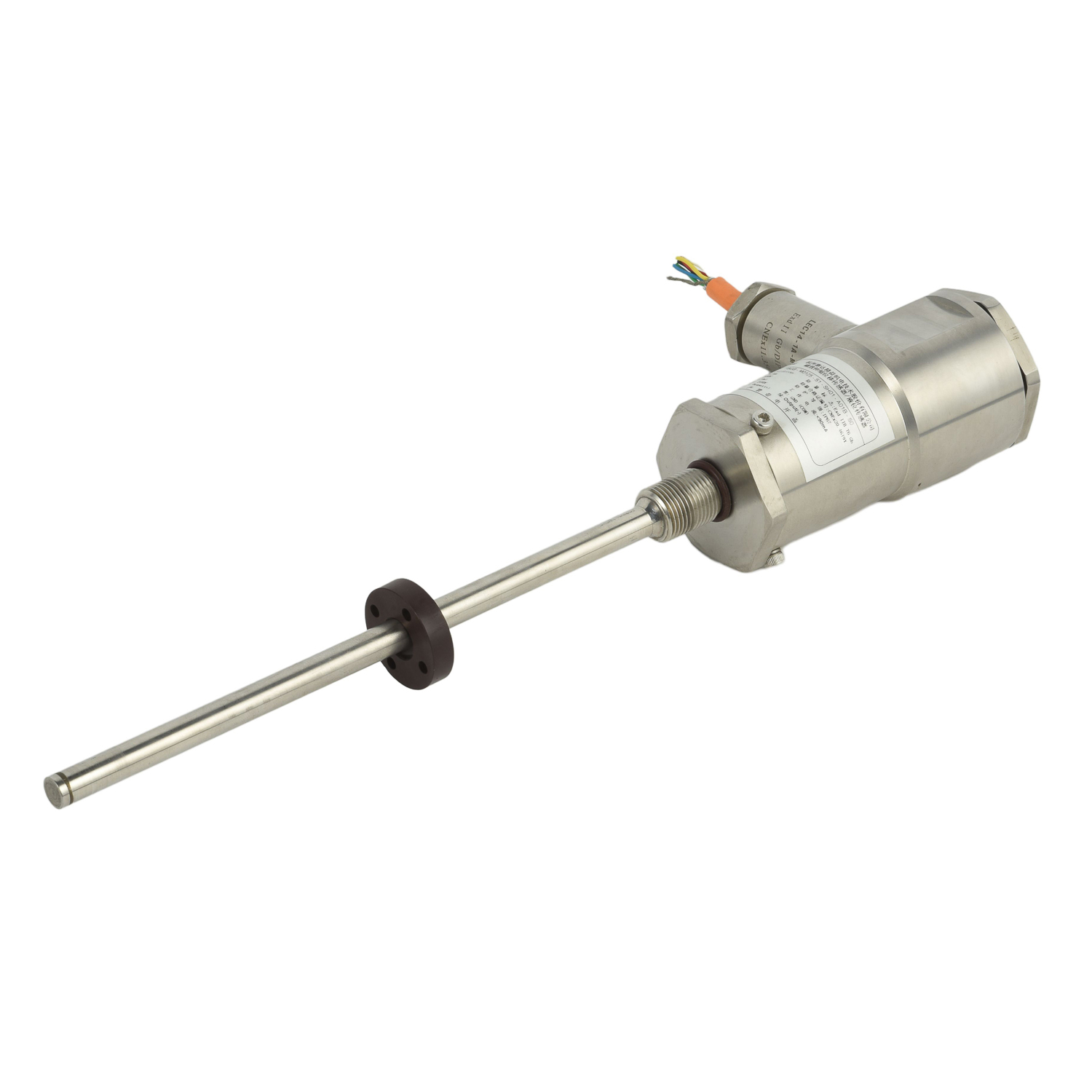
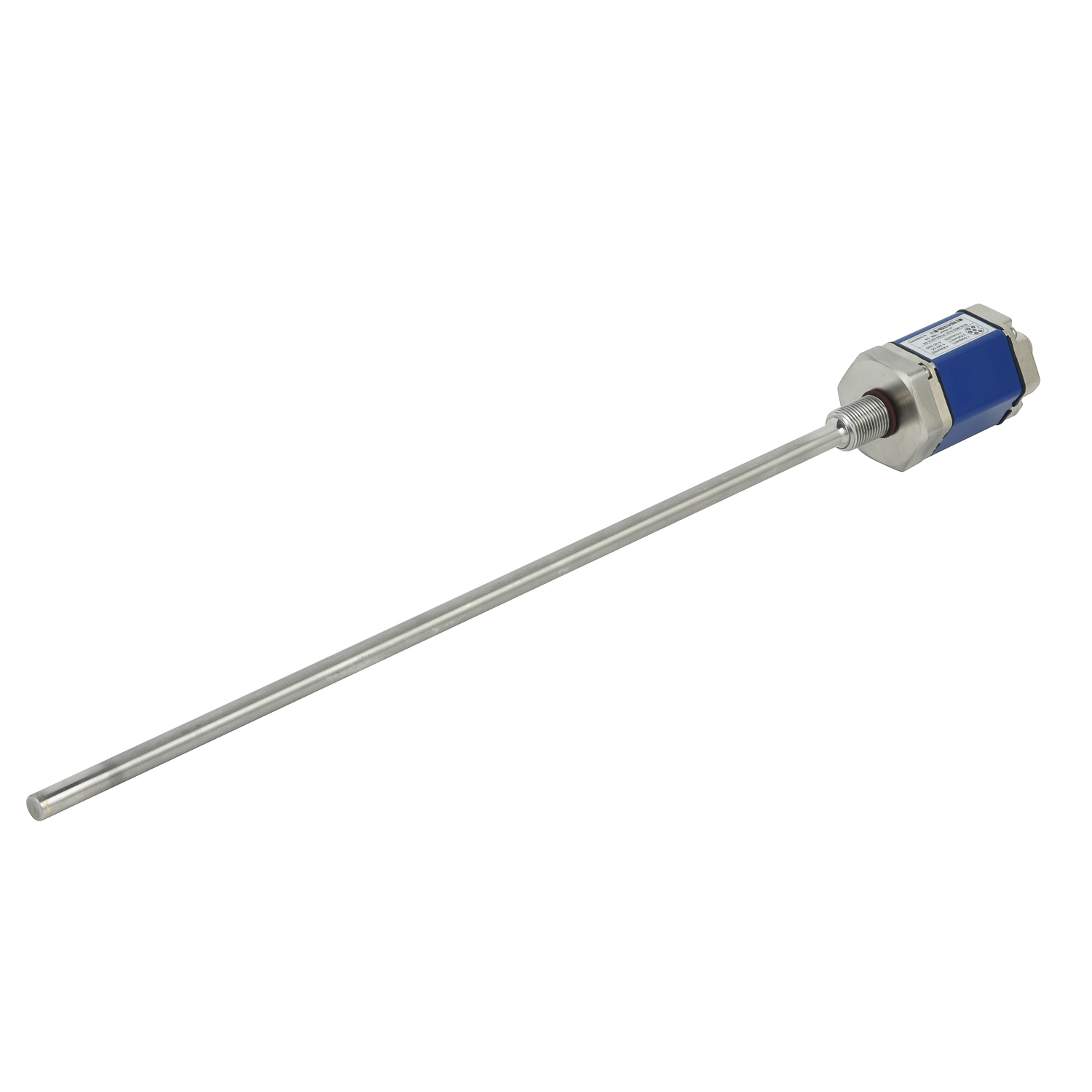 Domestic Crane and Trolley Pos
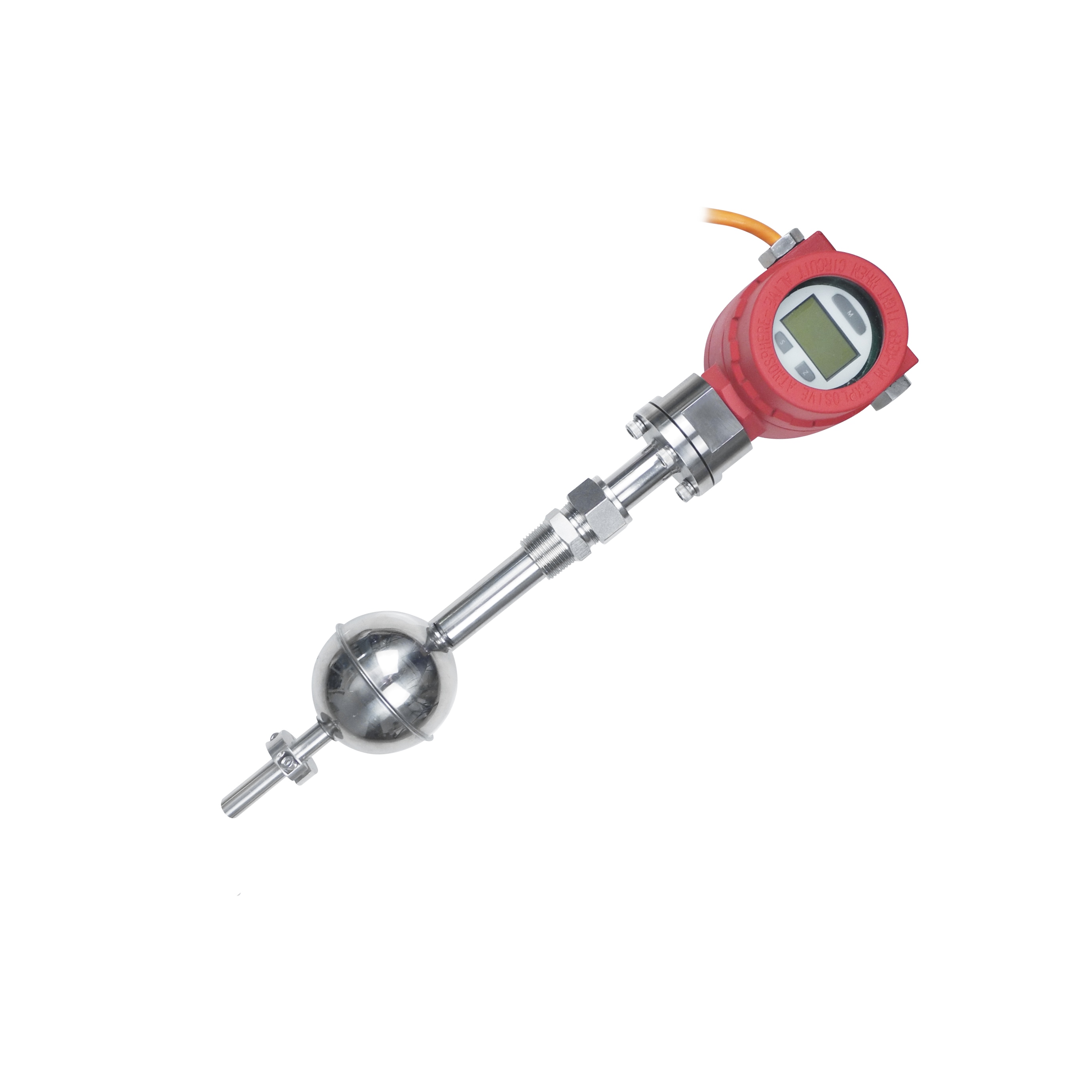 Crane and Trolley Positioning
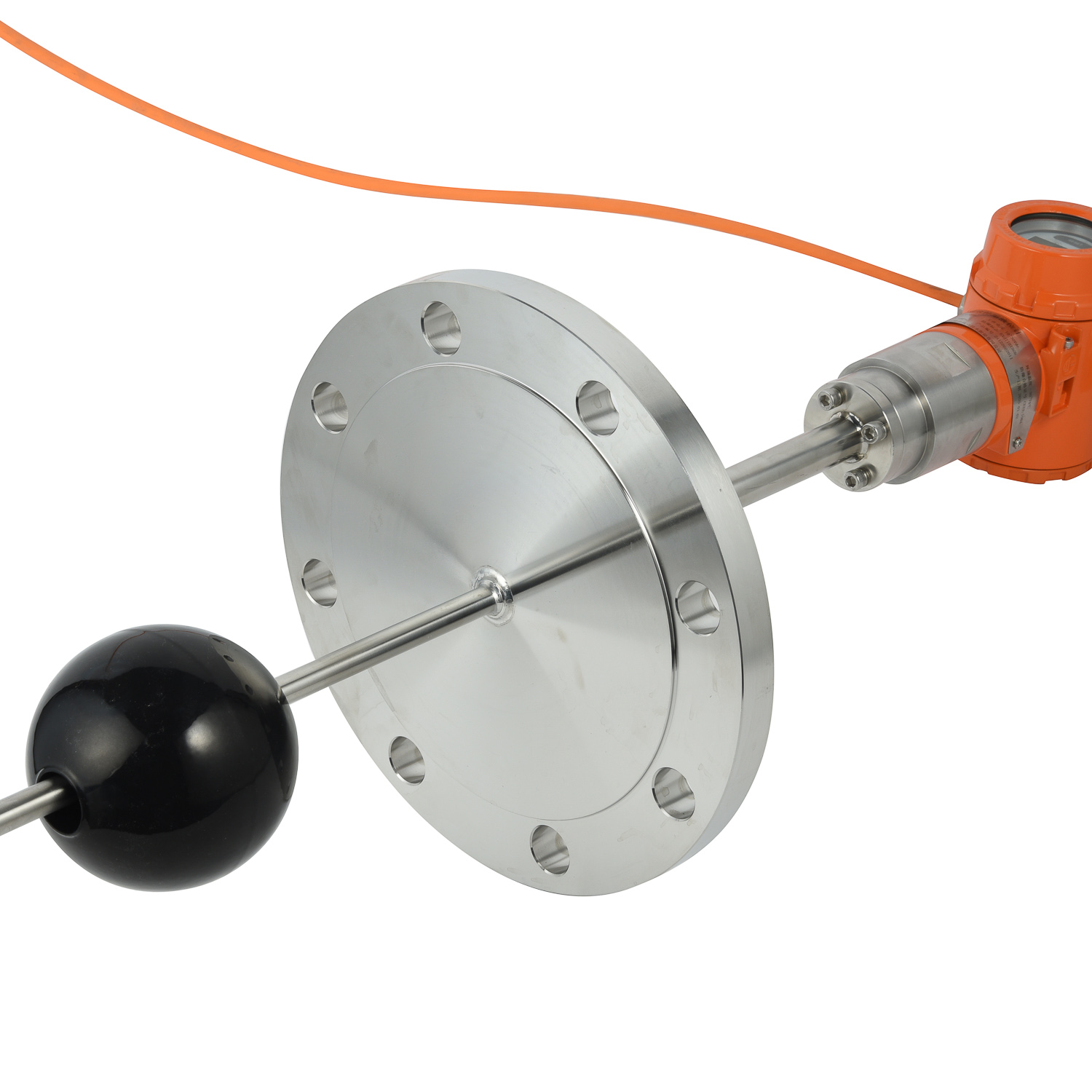 Corrosion-resistant Crane and
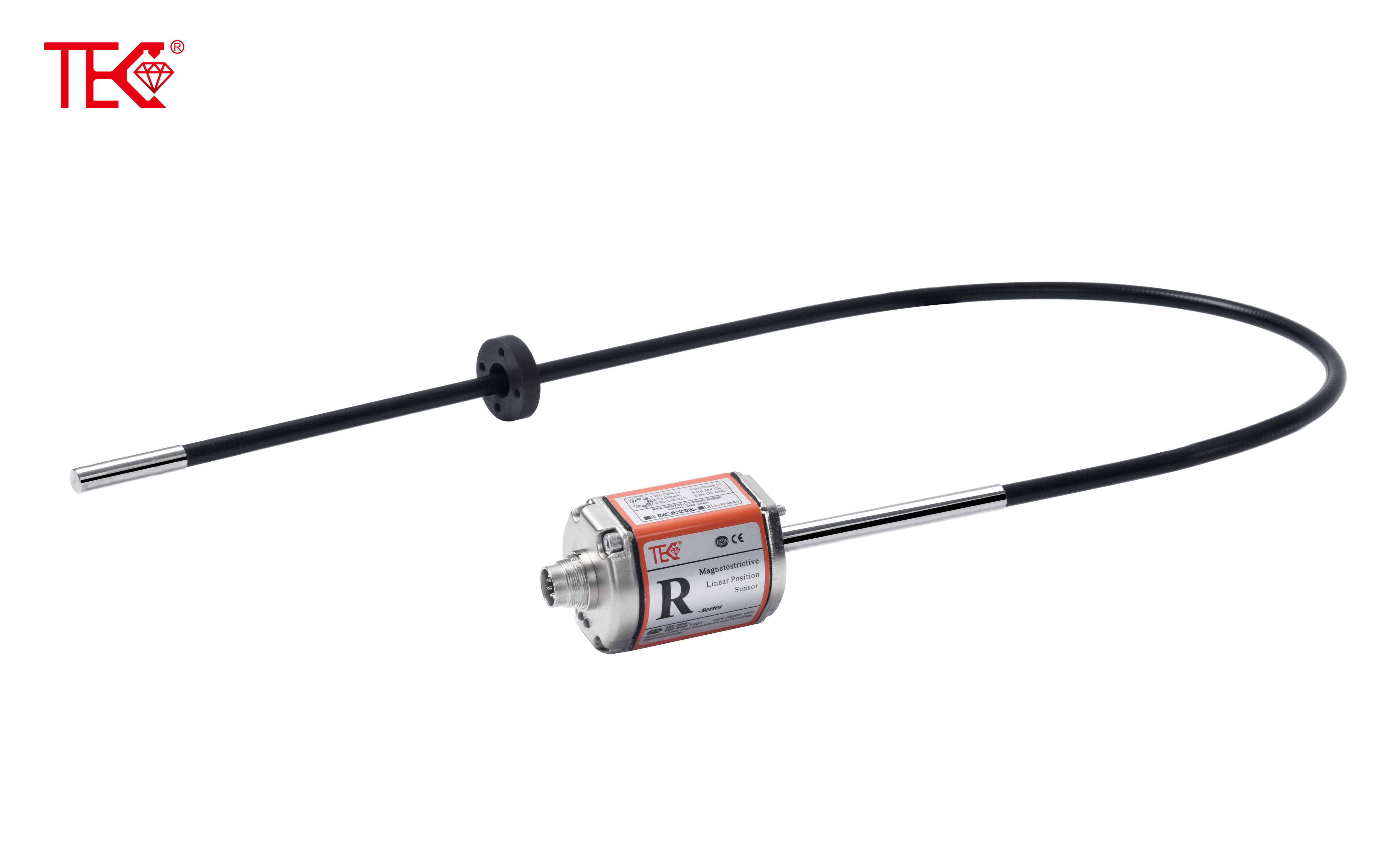 High-pressure Crane and Trolle