
High-temperature Long-distance Positioning System
High-temperature long-distance positioning systems are engineered to locate people, vehicles, and assets in extreme industrial environments where standard GPS and RFID fail. These systems combine rugged GNSS receivers, UWB anchors, LoRa radio, inertial sensors, and thermal protection to deliver reliable real-time coordinates over long distances. In steel mills, foundries, glass plants, geothermal fields, and oil refineries, heat, dust, steam, and metal structures weaken signals and accelerate electronics aging. A robust design uses heat-resistant antennas, ceramic or sapphire enclosures, phase-change cooling, and low-power edge computing. Sensor fusion corrects multipath, signal loss, and thermal drift, while long-range mesh networks extend coverage across kilometers. Depending on range, systems may use sub-GHz bands, LoRaWAN, UWB, or 5G fallback, achieving meter-level or sub-meter accuracy with updates every second. Explosion-proof housings, vibration testing, and wide-temperature batteries keep devices online from -40°C to 200°C. Operators gain continuous visibility for worker safety, emergency mustering, crane tracking, and automated logistics. Accurate positioning also reduces downtime, improves evacuation routes, and supports digital twins. Successful deployment requires site surveys, calibrated anchors, redundant power, and IP-rated hardware. With the right architecture, high-temperature long-distance positioning turns hazardous areas into safer, smarter mission-critical operations.
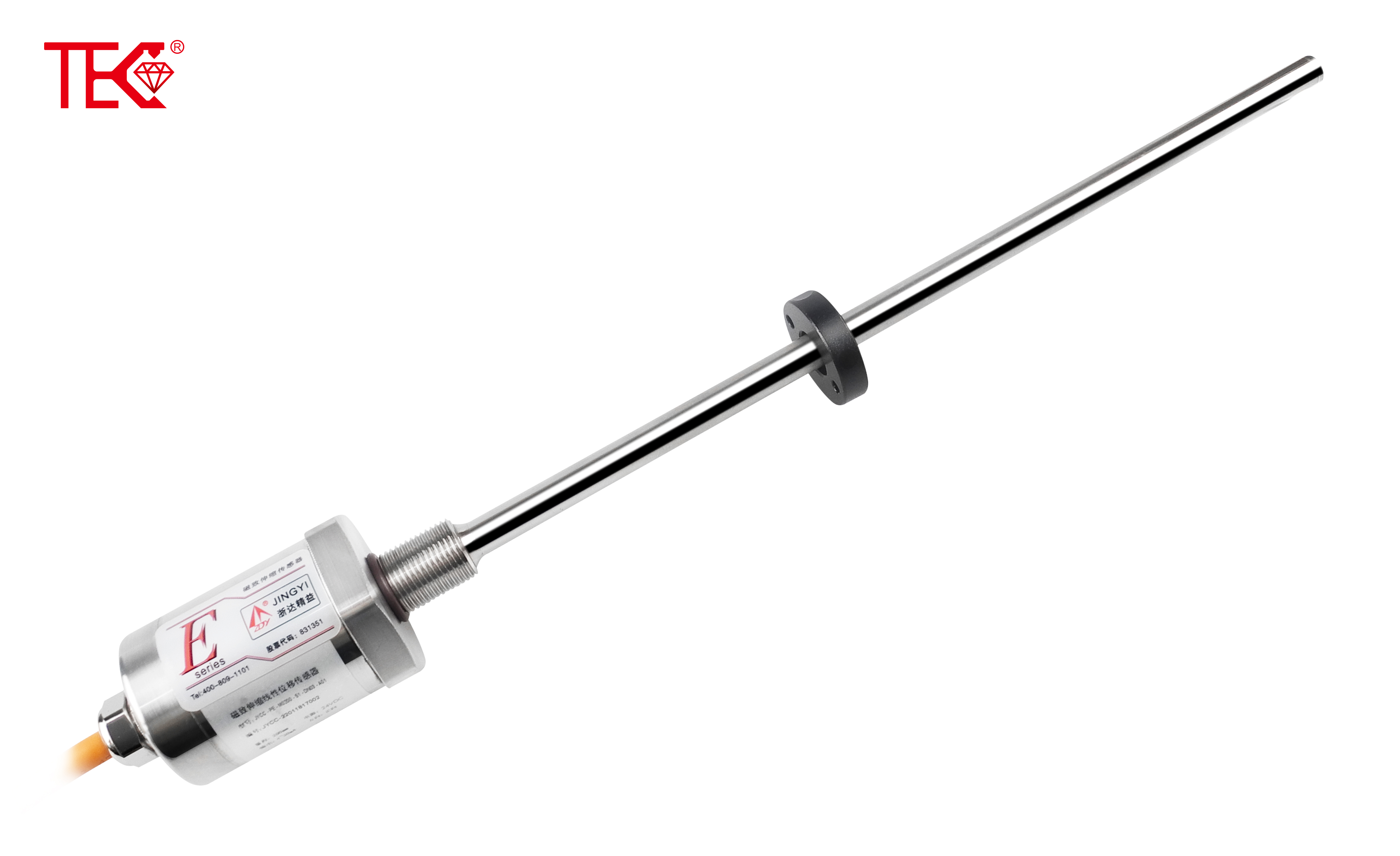 High-temperature Long-distance
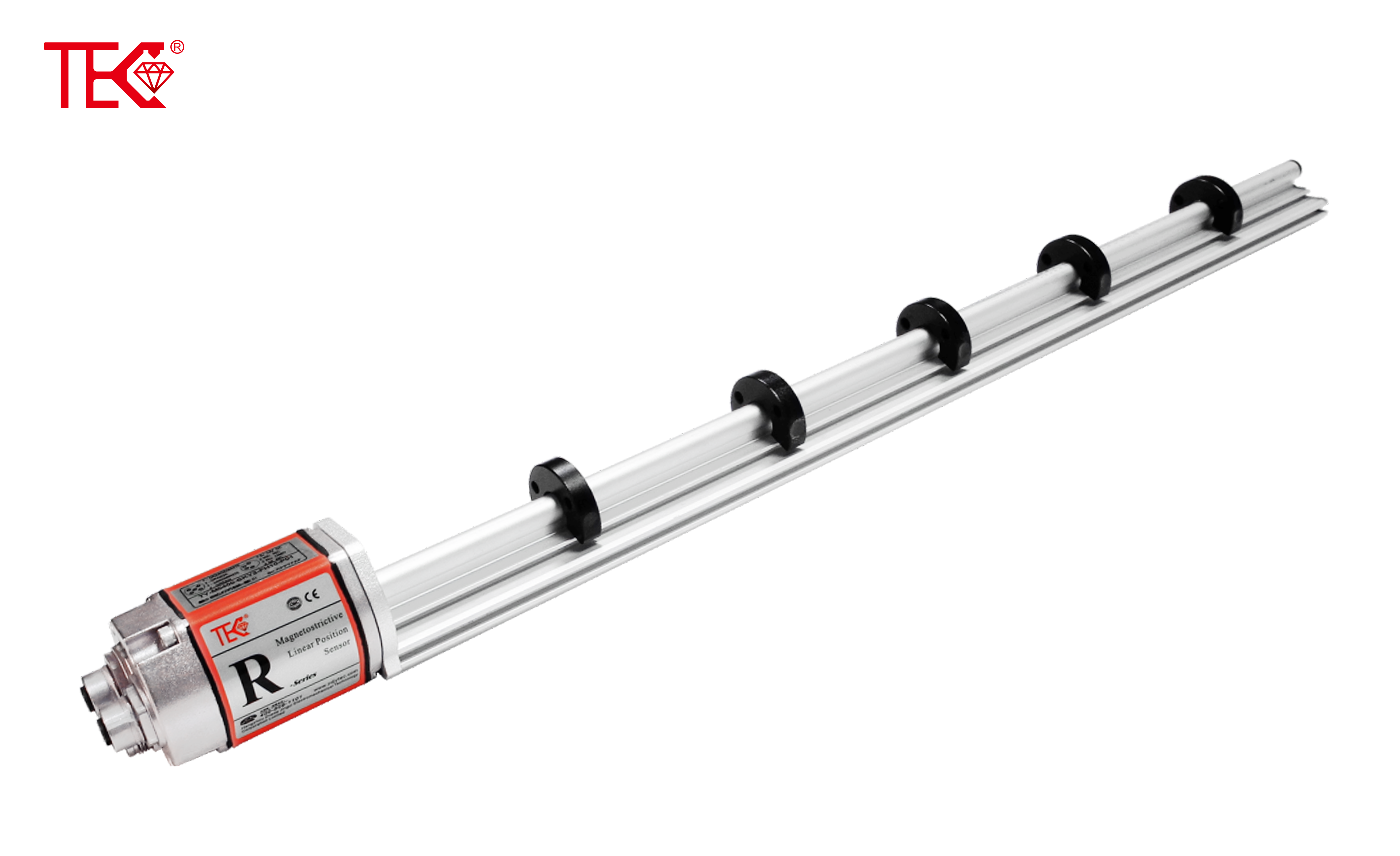 Waterproof Long-distance Posit
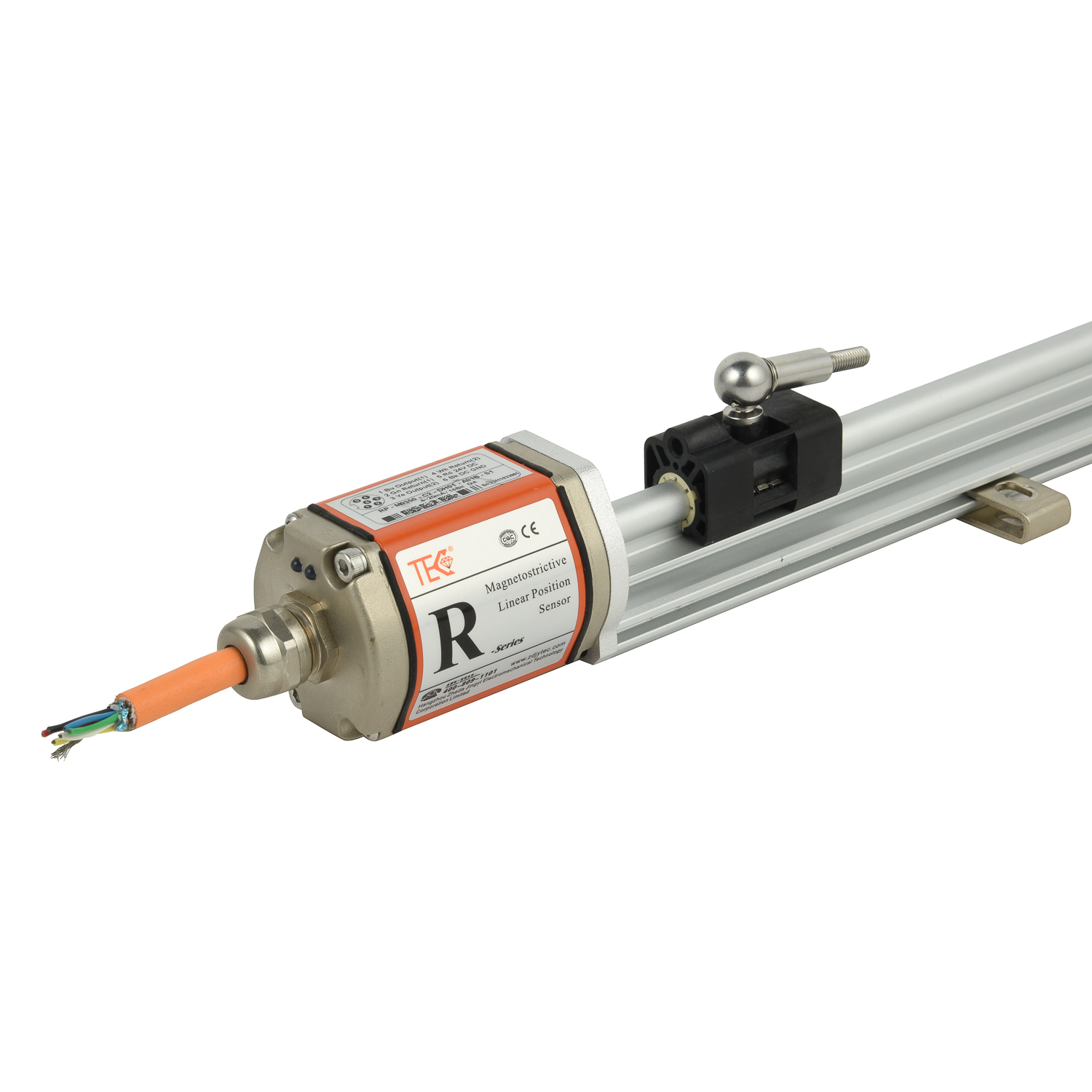 Intrinsically Safe Explosion-p
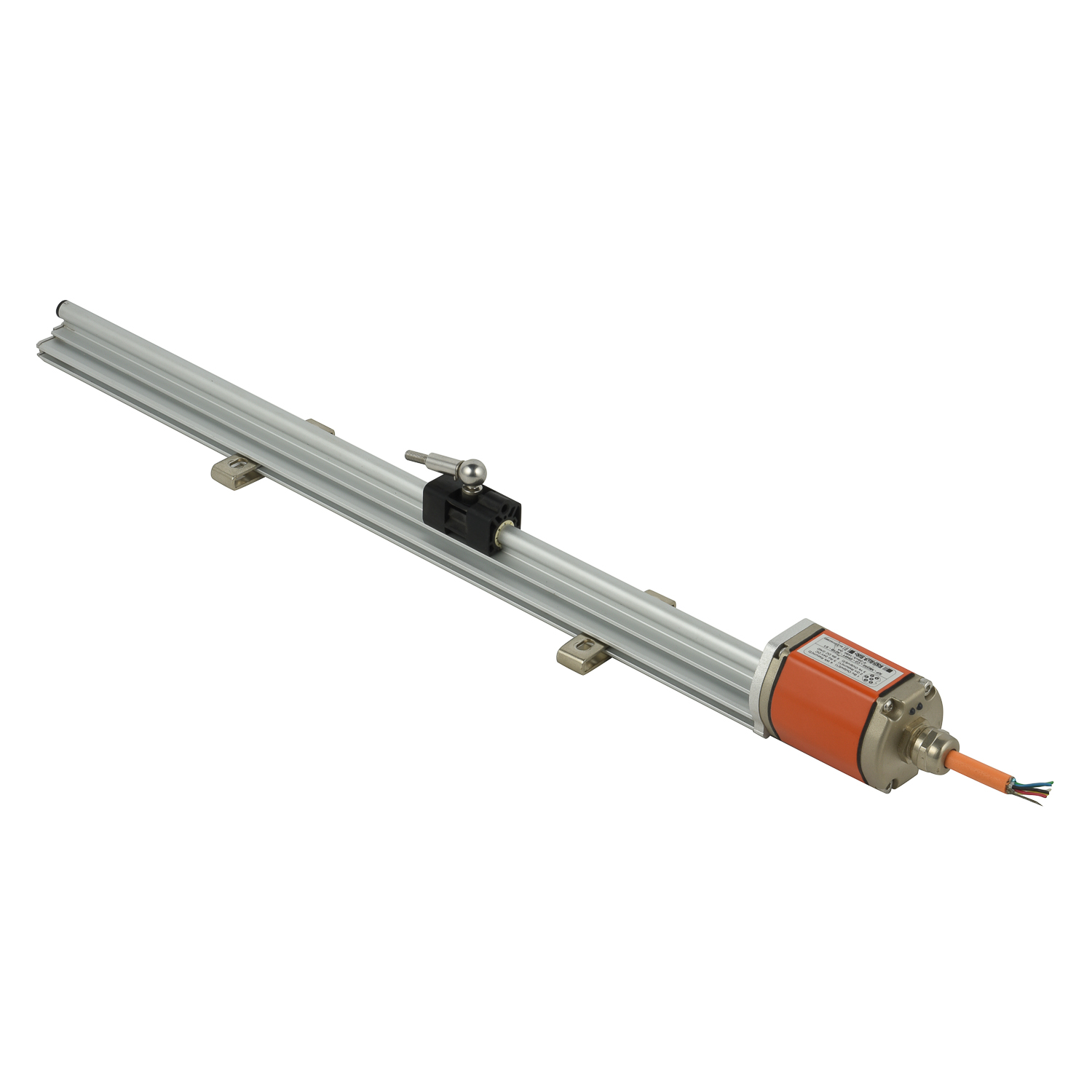 Explosion-proof Long-distance