
High-pressure Long-distance Positioning System
A high-pressure long-distance positioning system tracks assets, vehicles, or sensors where GPS cannot work. It combines pressure-resistant hardware, long-range communication, and precise localization algorithms for deep-sea pipelines, mines, wells, and subsea fields.
The system uses acoustic beacons, inertial units, fiber-optic sensors, and pressure-tolerant electronics. Acoustic signals travel through water or fluid, while inertial data fills gaps when signals weaken. Fiber-optic cables or low-frequency links support long-distance transfer. A topside unit synchronizes clocks and calculates position using time-of-flight or multilateration.
High pressure demands rugged enclosures, oil-filled housings, ceramic connectors, and pressure-balanced parts. Long distance brings attenuation, delays, multipath, and noise. Advanced filters, adaptive gain control, spread-spectrum modulation, and error-correction coding help. Real-time software fuses sensor data with Kalman filters, improving accuracy when nodes fail.
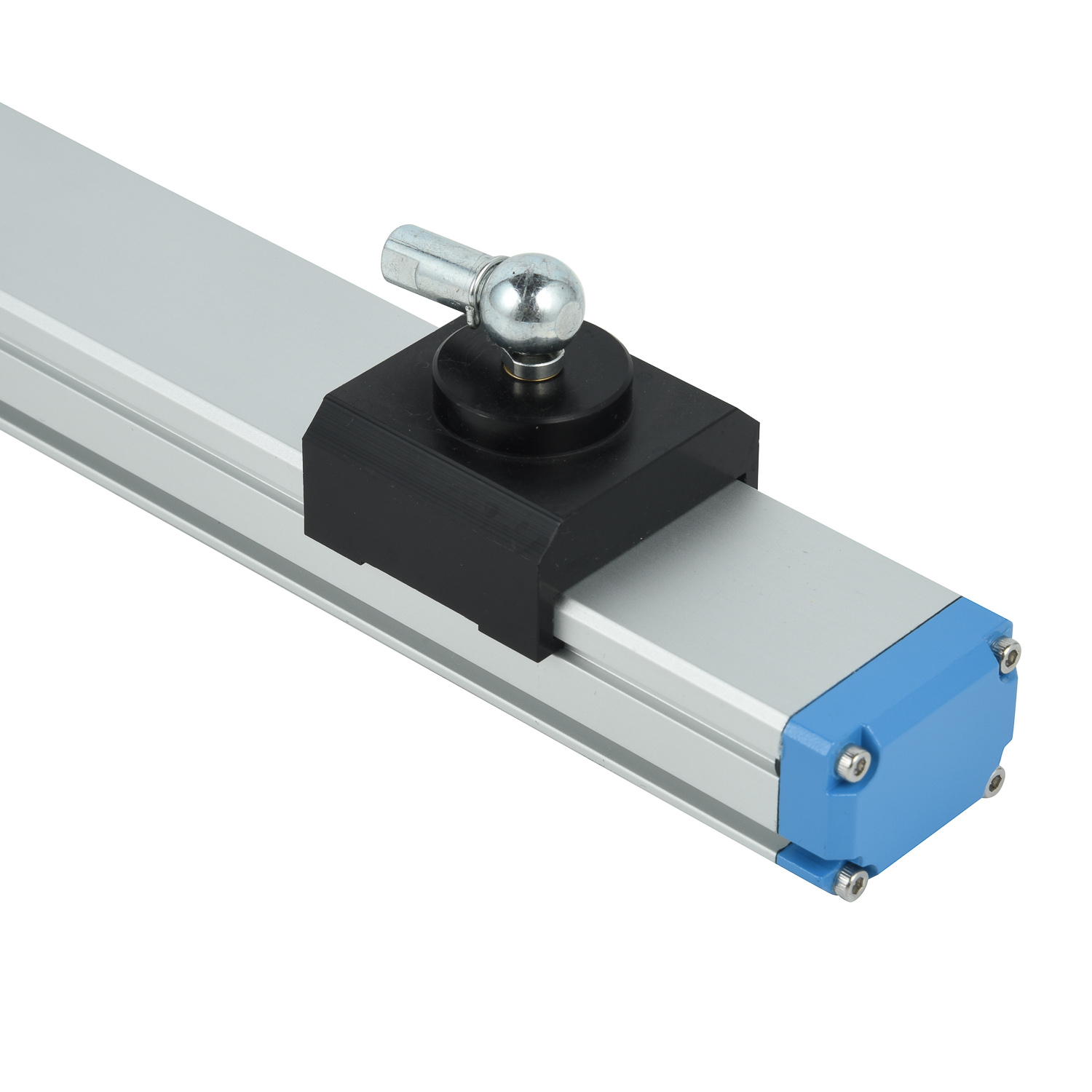
Performance ranges from centimeters to meters, depending on range, medium, and sensor quality. Calibration, temperature compensation, and maintenance are essential. Applications include subsea construction, pipeline inspection, geothermal drilling, carbon storage, and rescue. As operations go deeper and farther, these systems will become more autonomous, energy-efficient, and connected, enabling safer work in places humans cannot easily reach. Regular testing ensures reliability in extreme conditions.
High-pressure Long-distance Po
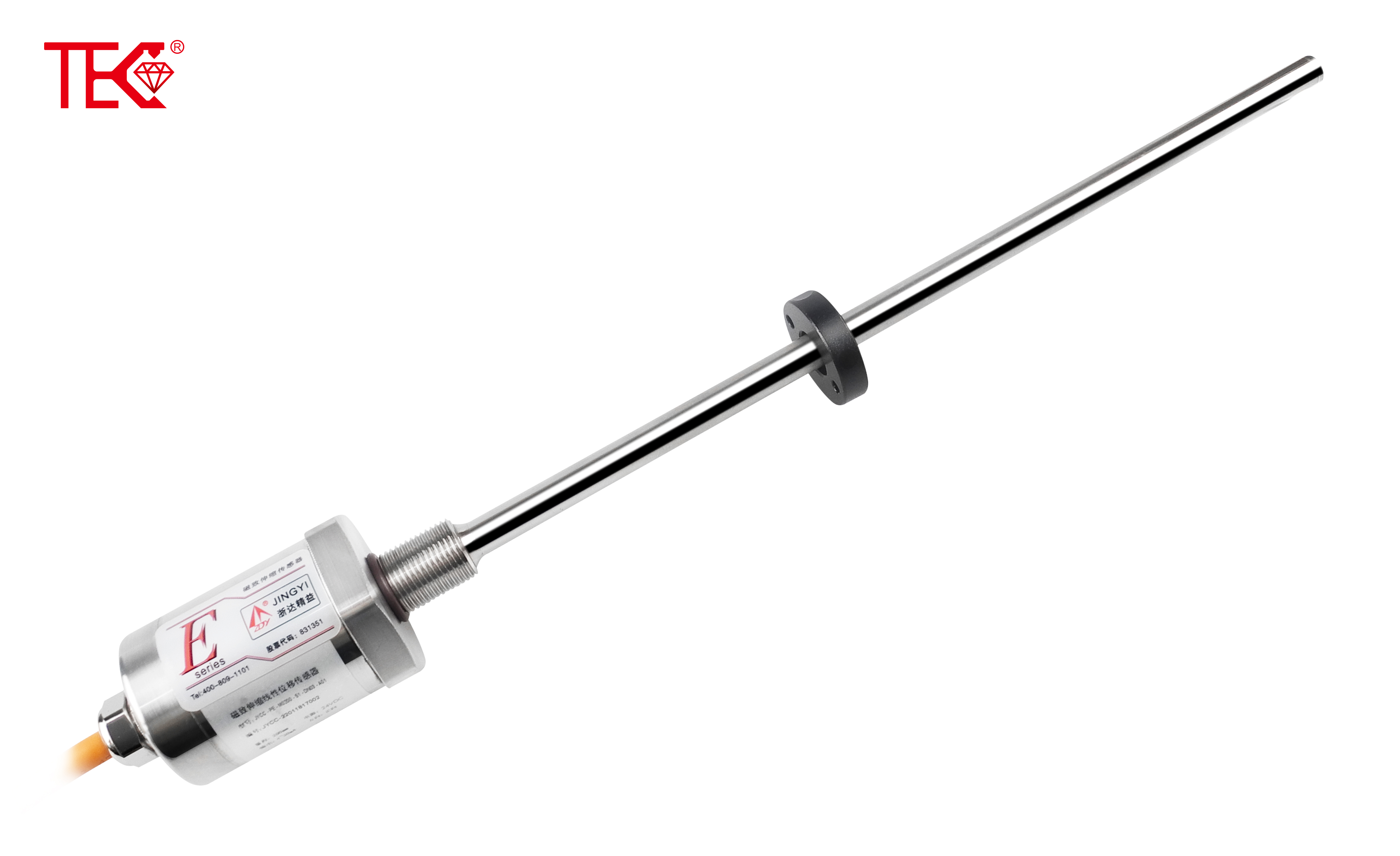 High-temperature Long-distance
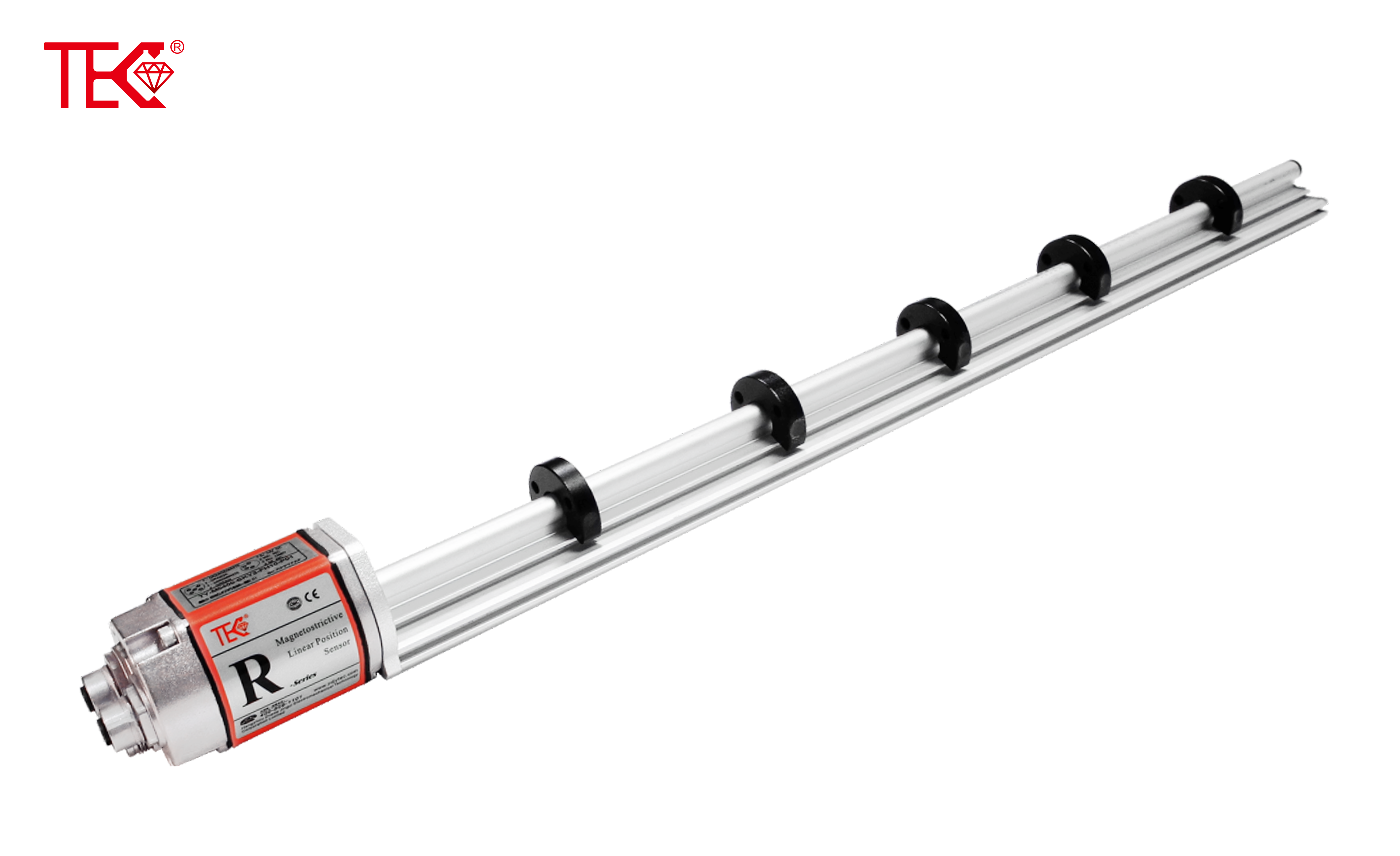 Waterproof Long-distance Posit
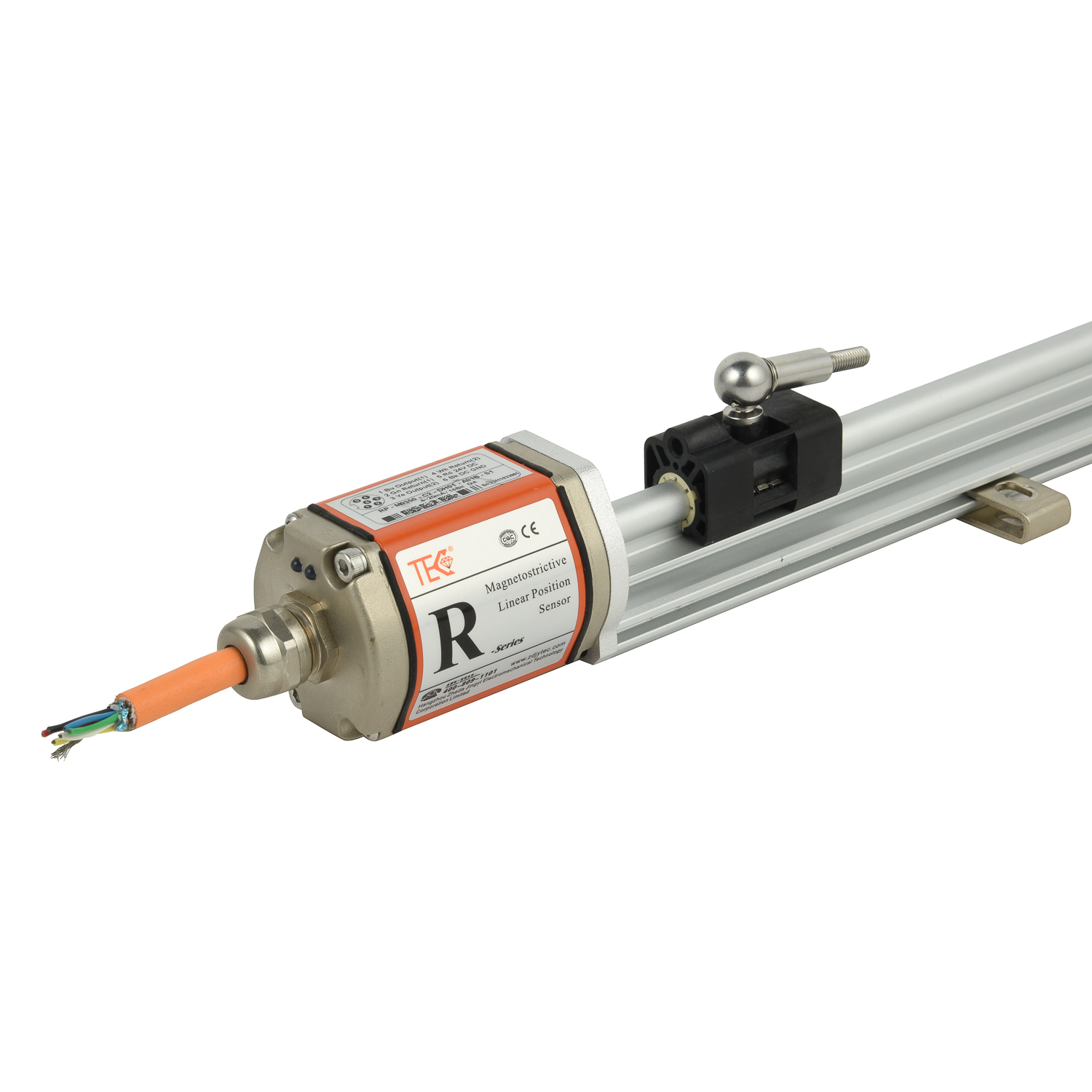 Intrinsically Safe Explosion-p