
Explosion-proof Long-distance Positioning System
Explosion-proof long-distance positioning systems are designed to locate people, vehicles, and assets in hazardous areas where standard electronics may spark and cause fire or explosion. These systems combine robust explosion-proof enclosures, intrinsic safety circuits, and long-range wireless technologies such as UWB, LoRa, and RFID. They serve oil and gas platforms, chemical plants, coal mines, tunnels, refineries, and storage terminals.
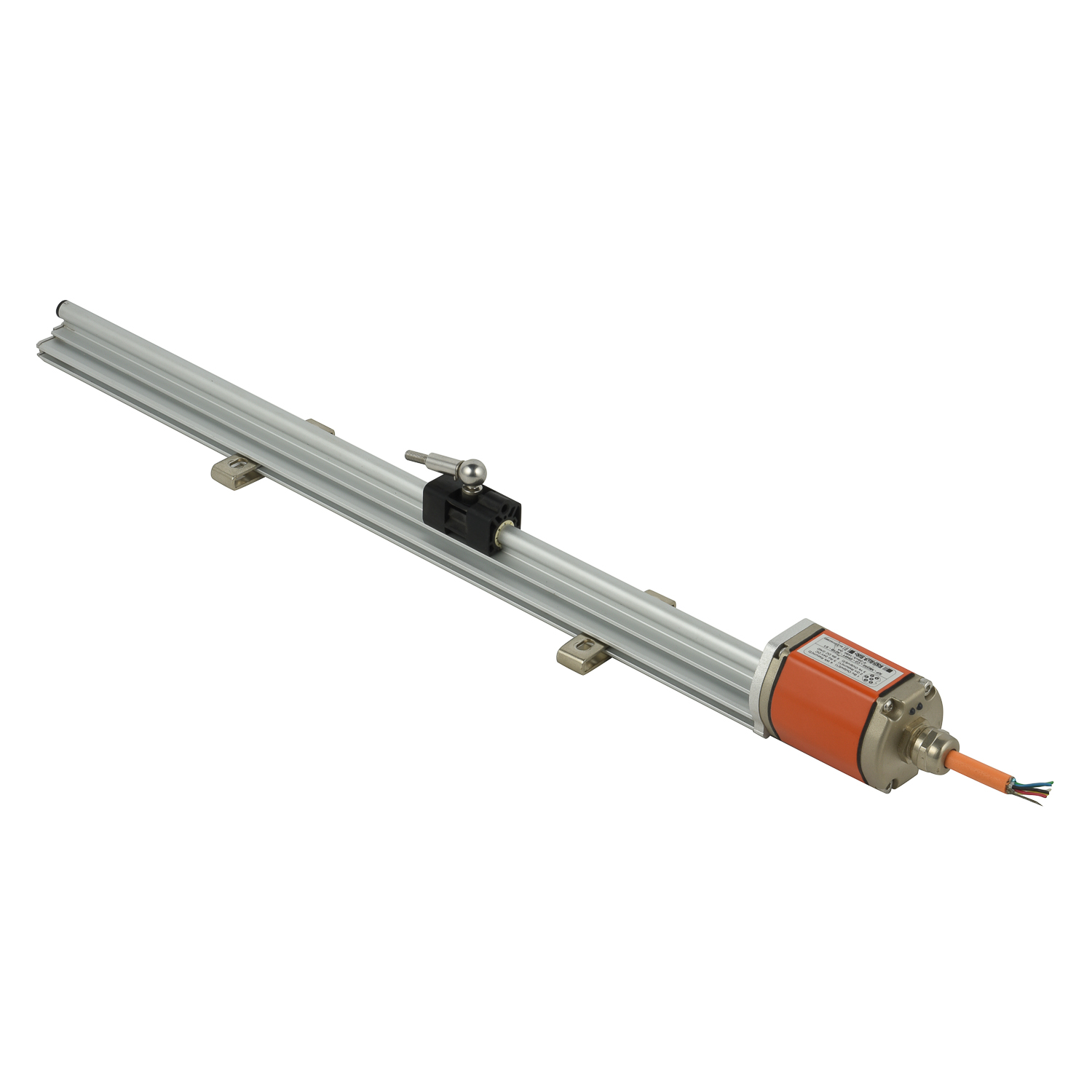
In daily operations, a long-distance positioning system provides real-time coordinates and zone alarms. Workers wear compact tags, while fixed anchors or gateways are installed in safe or explosion-proof zones. When an emergency occurs, control rooms can quickly identify the last known location of trapped or missing personnel.
Deployment requires careful planning. Explosion-proof rating must match the site classification, such as ATEX, IECEx, or local mining standards. Antenna placement, signal attenuation, metal structures, and tunnel curves affect accuracy. A hybrid design with UWB for high precision and LoRa for long range can balance coverage and cost. Data is sent to a central platform through wired or wireless backhaul, and alarms can trigger automatically if a worker enters a restricted area.
The benefits include improved safety compliance, better asset utilization, and faster emergency response. With reliable explosion-proof long-distance positioning, industrial sites can protect people and operations without compromising hazardous-area safety.
Explosion-proof Long-distance
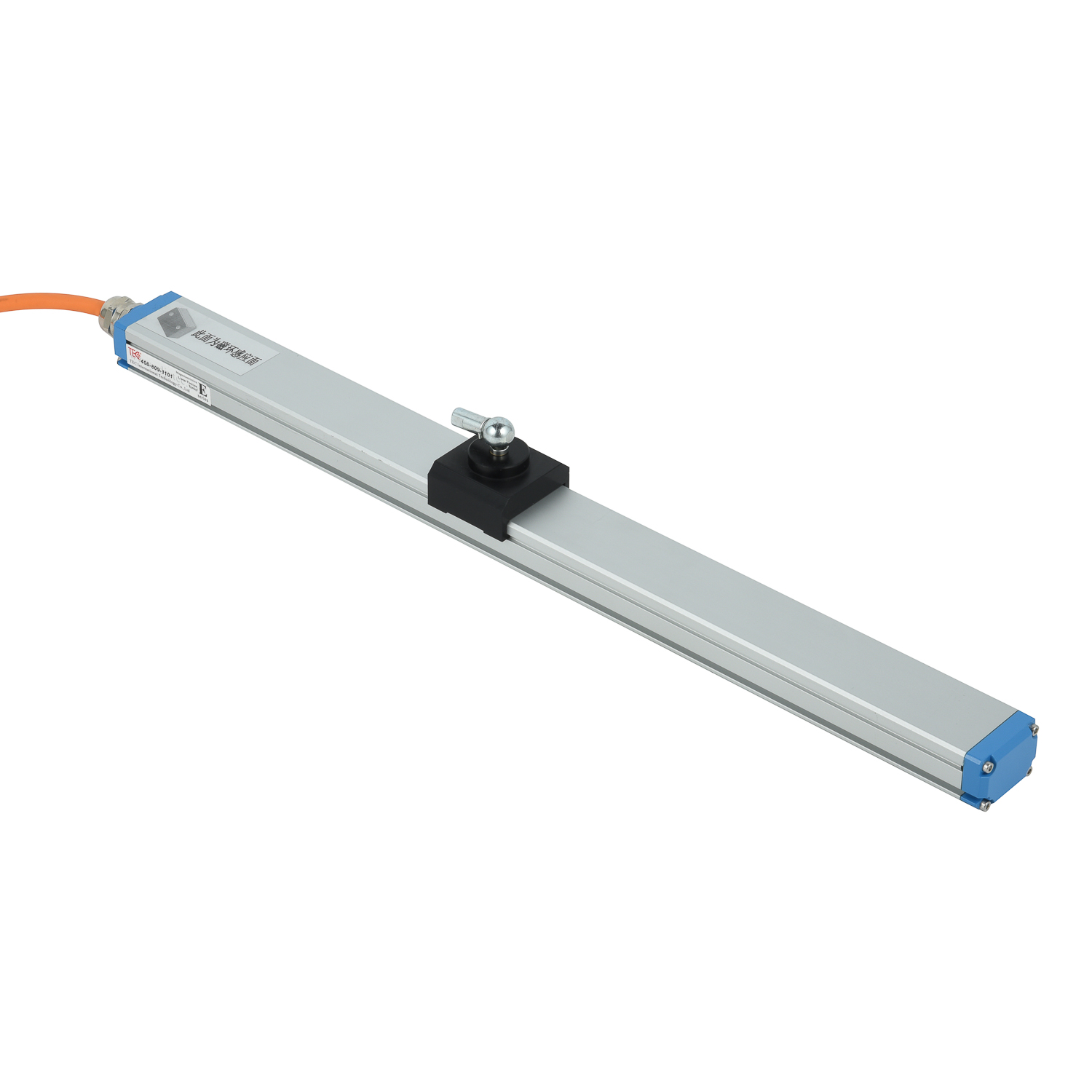 Long-distance Positioning Syst
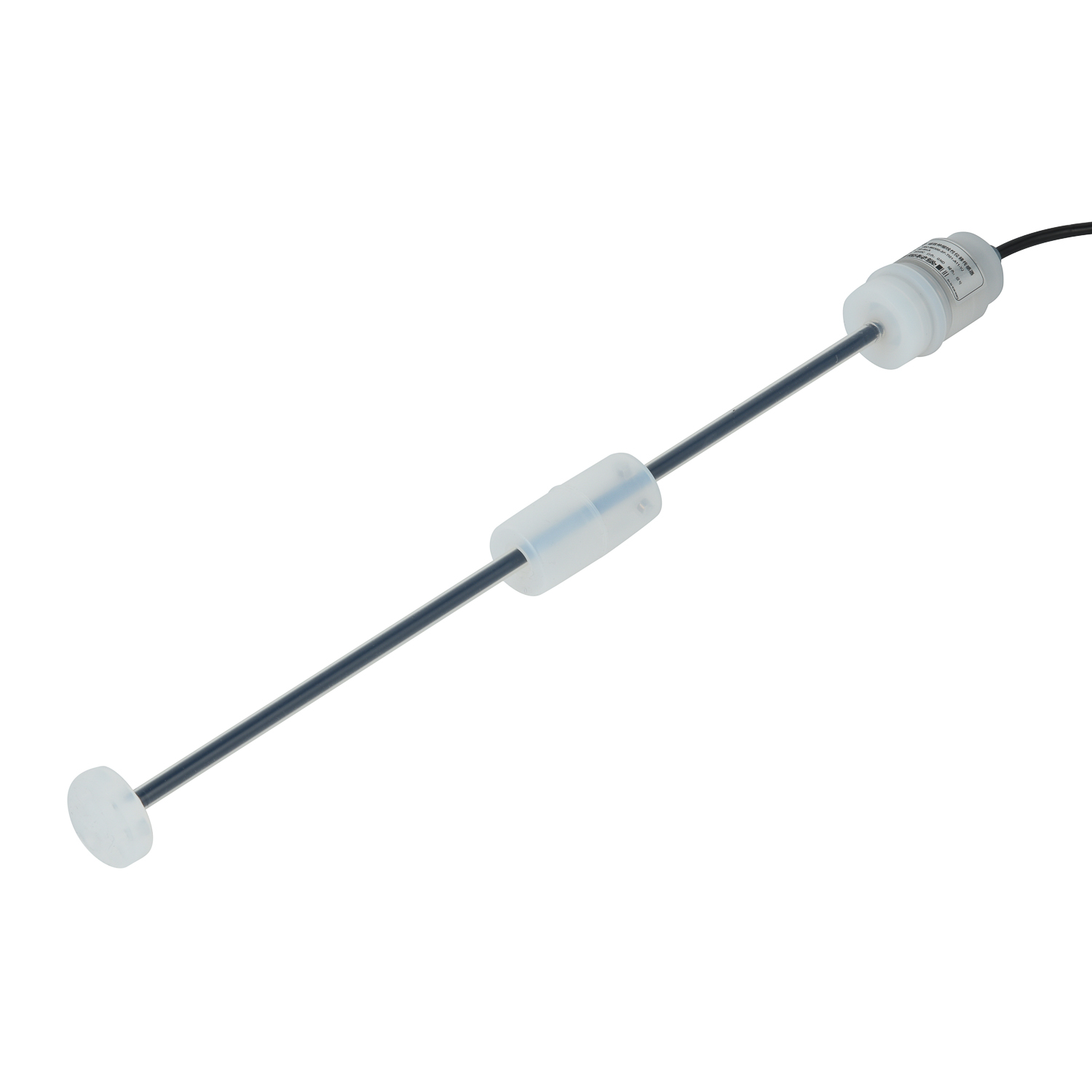 Graybus Cable Fault
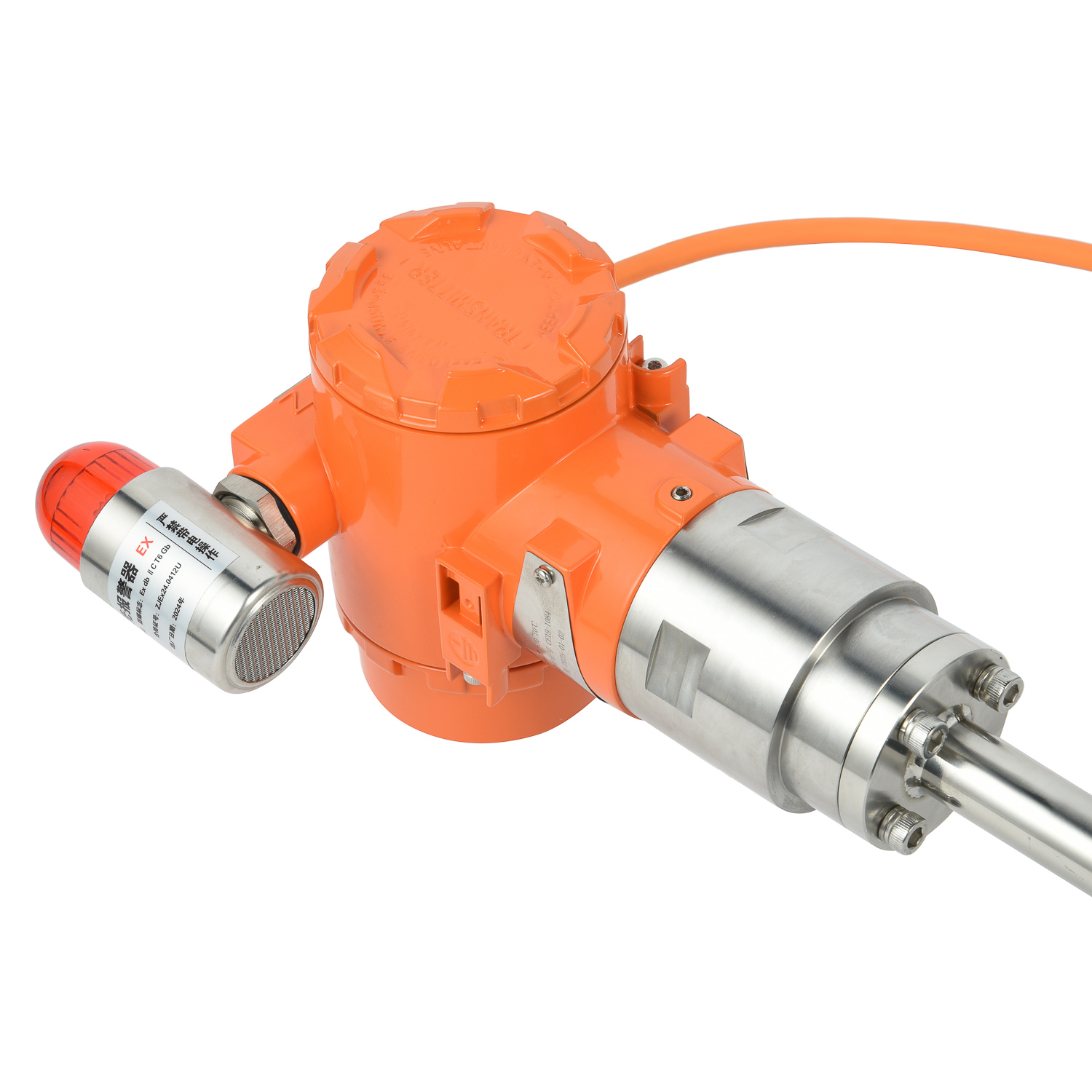 Field Application of Graybus C