
Graybus Cable Fault
Graybus cable faults can interrupt industrial communication, causing device dropouts, intermittent data, and costly downtime. A Graybus network depends on stable twisted-pair wiring, correct shielding, tight connectors, and proper termination. When a fault occurs, the bus may still show power but fail to exchange messages reliably.
Common causes include cable damage from abrasion, rodent bites, moisture ingress, and crushed conduits. Loose terminals, corroded pins, and incorrect termination resistors also trigger faults. EMI from drives or welding equipment can corrupt signals. In some cases, a single shorted node pulls down the entire Graybus segment.
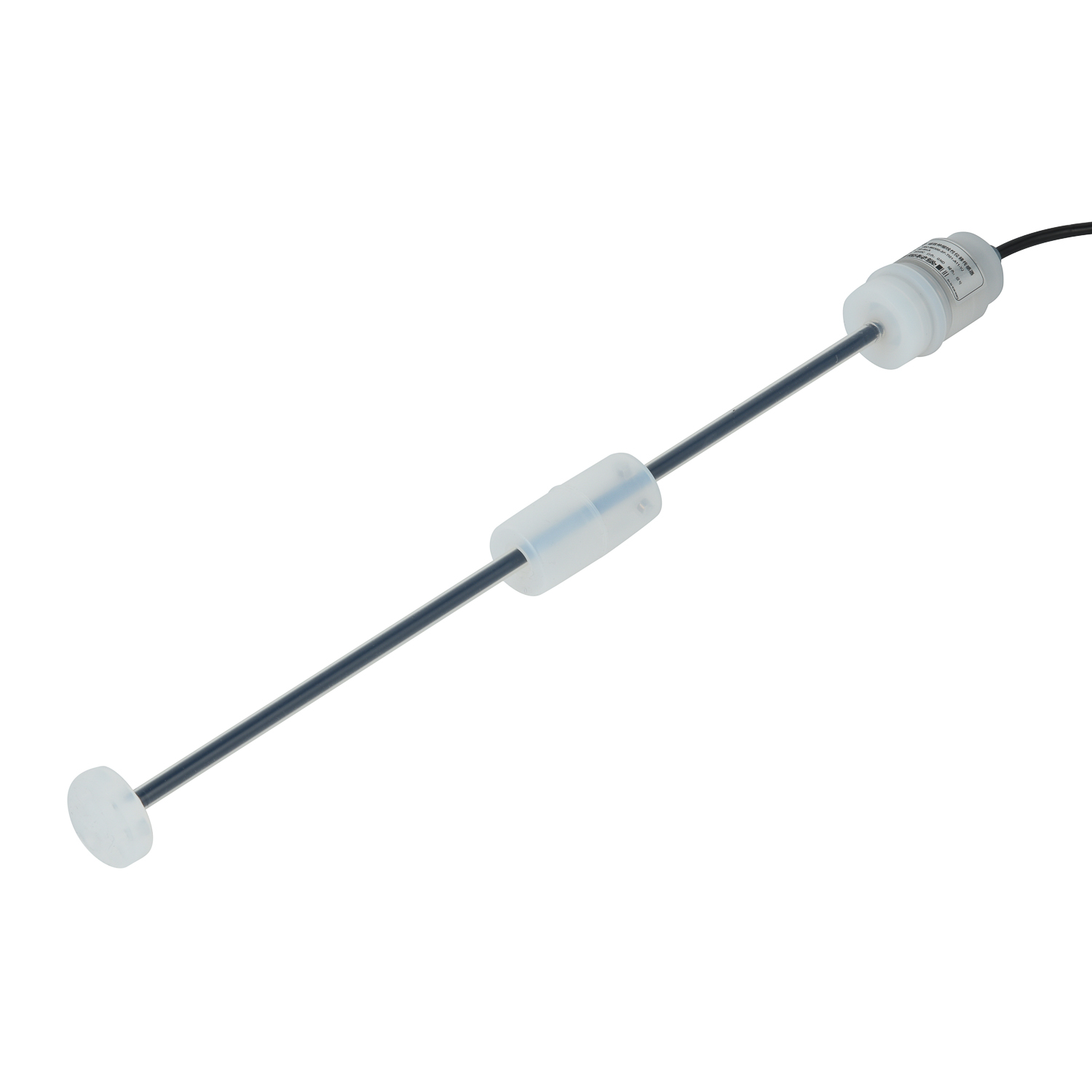
Symptoms range from random errors and missing nodes to complete communication loss. Diagnostic steps should start with visual inspection, then measure resistance, capacitance, and insulation. Check shield continuity and ground quality. Use a bus analyzer or oscilloscope to view waveform integrity. Isolate nodes one by one to find the faulty branch.
Repairs may involve replacing damaged cable, re-terminating connectors, restoring shield bonding, or removing moisture. After repair, verify termination, polarity, and segment length. Test under load and monitor for recurring errors. Preventive maintenance includes route protection, strain relief, waterproof enclosures, and periodic insulation tests. Keep spare cable and connectors.
A structured approach reduces guesswork and restores Graybus reliability fast. Thermal checks help.
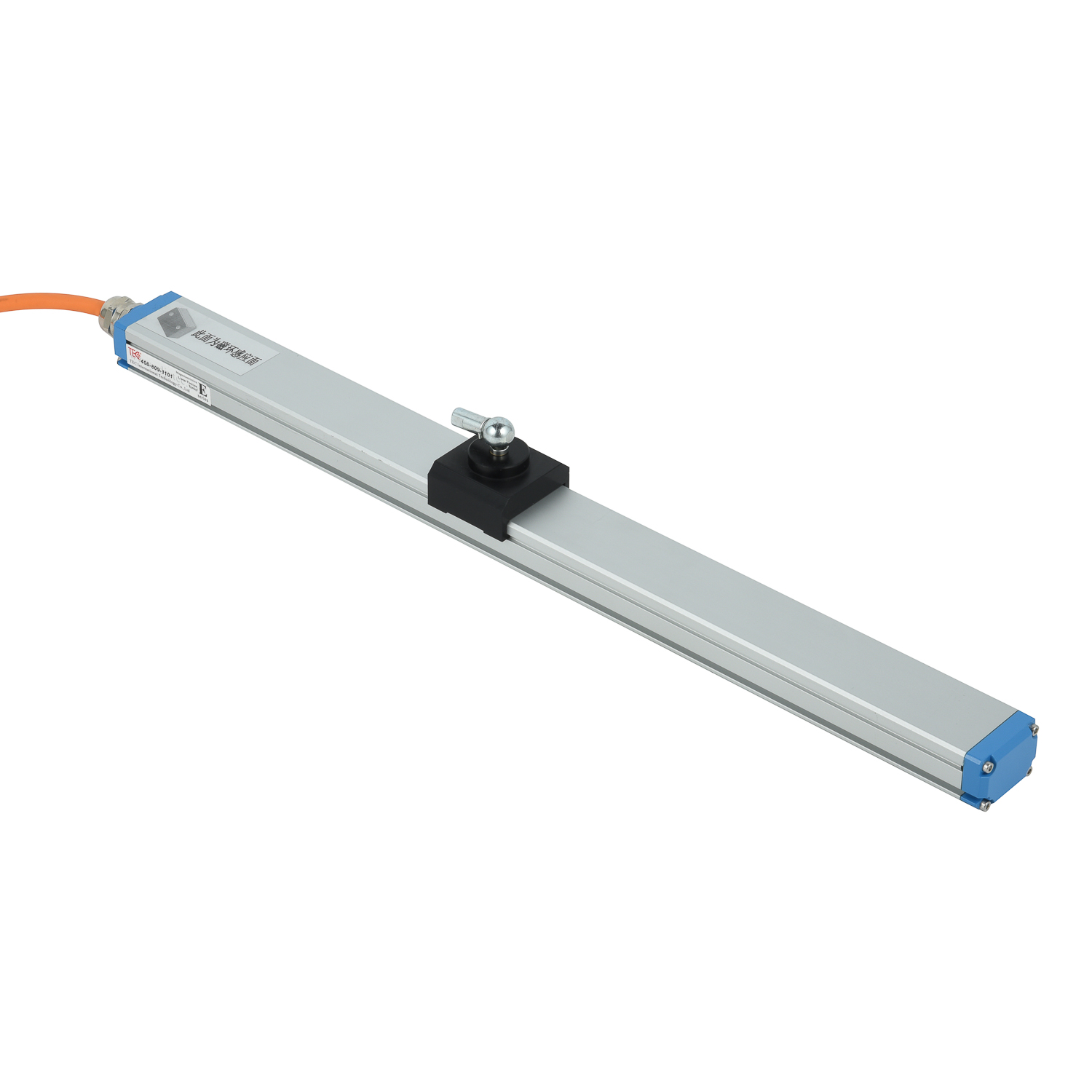 Long-distance Positioning Syst
Graybus Cable Fault
Long-distance Positioning Syst
Graybus Cable Fault
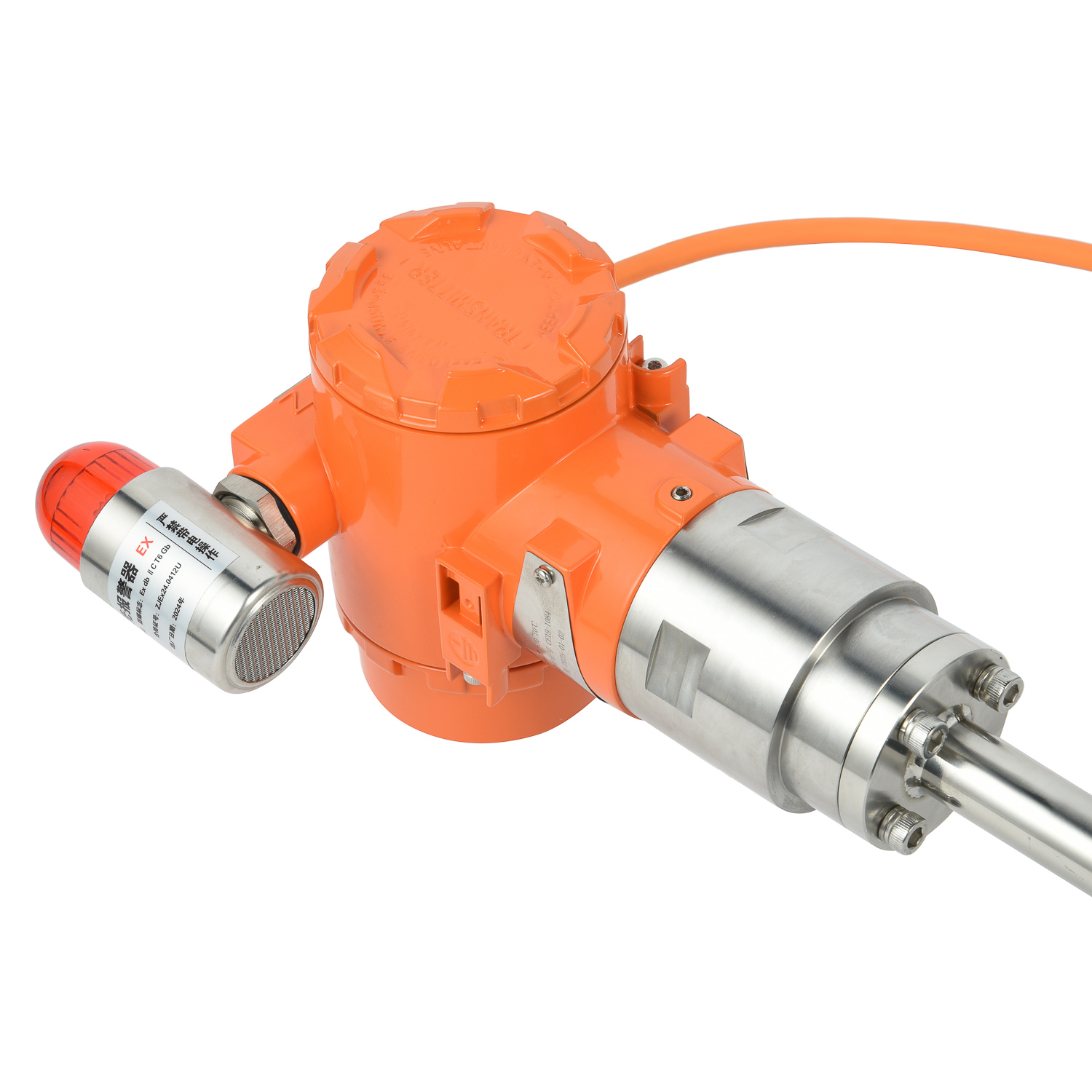 Field Application of Graybus C
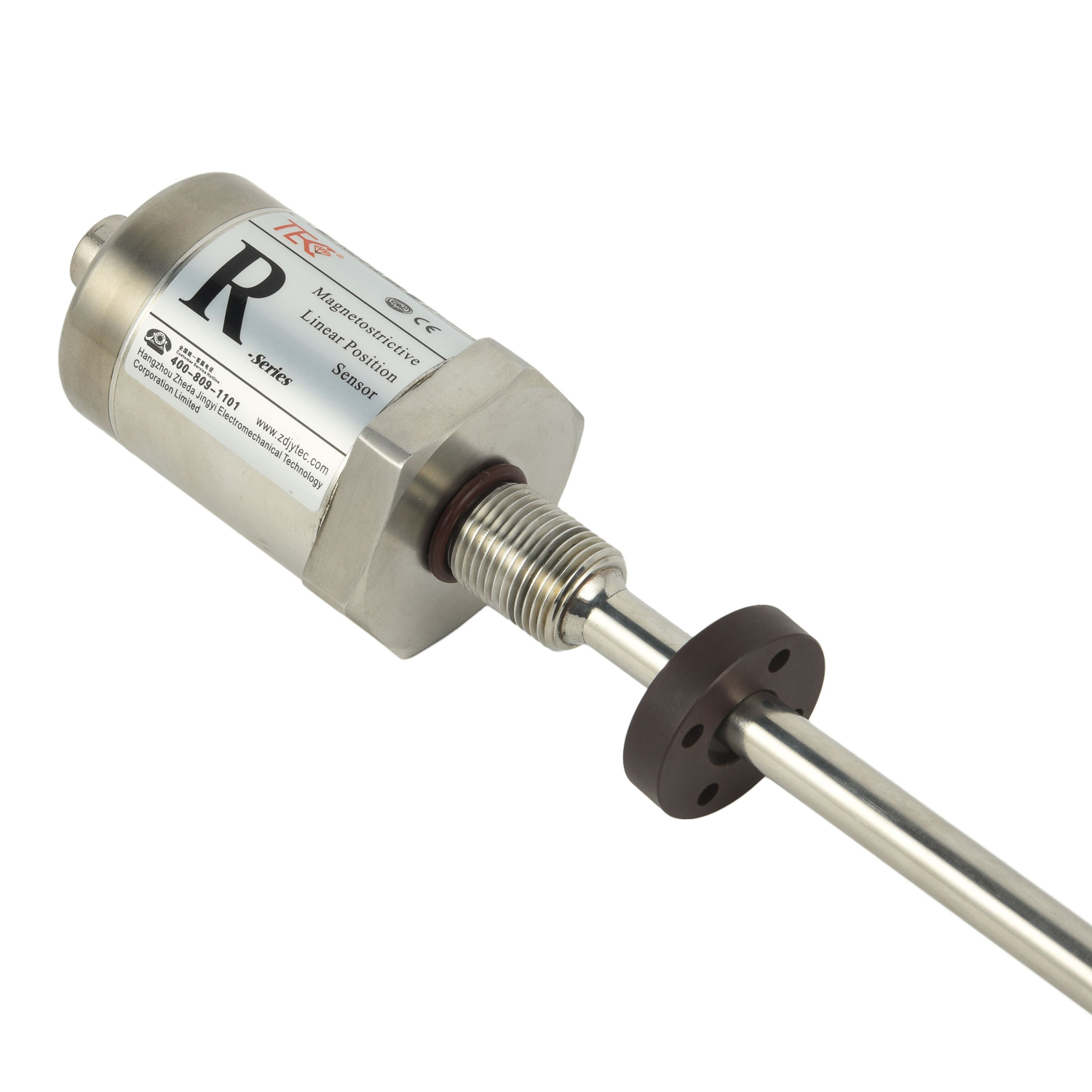 Model and Specification of Gra