
Graybus Cable Price
Graybus cable price depends on more than a simple number. It reflects conductor size, insulation, shielding, jacket material, certifications, order volume, and delivery terms. Because Graybus cable is often used in industrial control, automation, and communication systems, buyers should compare total value, not only the lowest quote.
Copper is a major cost driver. Larger conductors and higher copper purity raise the price. Shielding also matters. Foil, braided, or combined shields improve signal protection but add material and labor costs. Jacket choice changes durability and safety. PVC is economical, while PUR, LSZH, or marine-grade jackets cost more because they resist oil, flame, chemicals, or moisture.
Typical market quotes range from about $1.50 to $12 per meter, but exact Graybus cable price varies by specification, quantity, and supplier. Armored, fire-rated, or custom cables cost more. Small orders carry higher unit prices; bulk orders, usually 1,000 meters or more, can reduce per-meter costs.
Certifications and tests also affect price. UL, CE, RoHS, IEC, or marine approvals require documentation and quality control. Low capacitance, specific impedance, or long-distance data transmission makes cable more specialized and expensive.
To get a better Graybus cable price, request a datasheet and quote. Confirm conductor gauge, shield, jacket, voltage, and certifications. Compare sample fees, lead time, shipping, and warranty. A higher price can prevent downtime and signal loss.
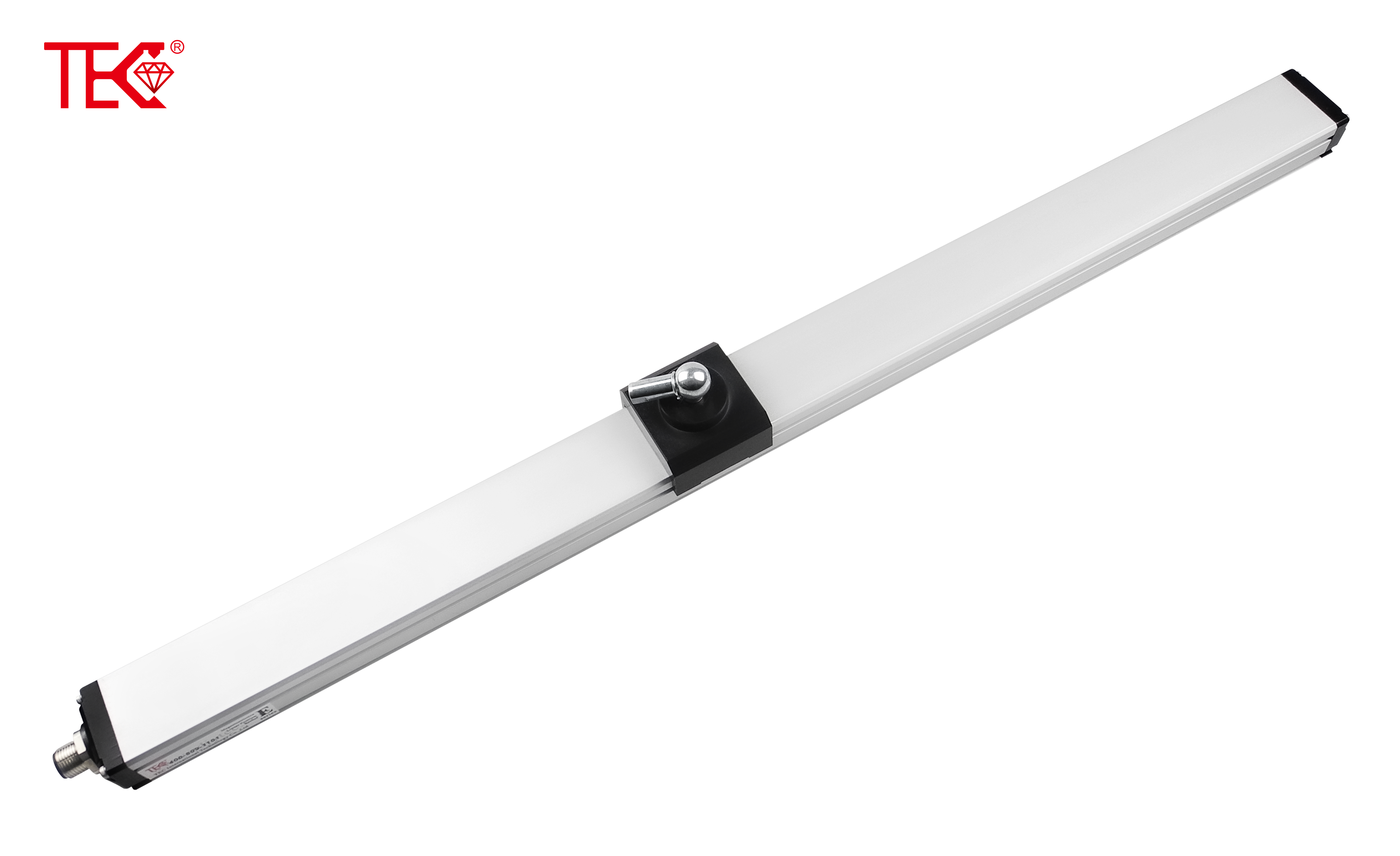
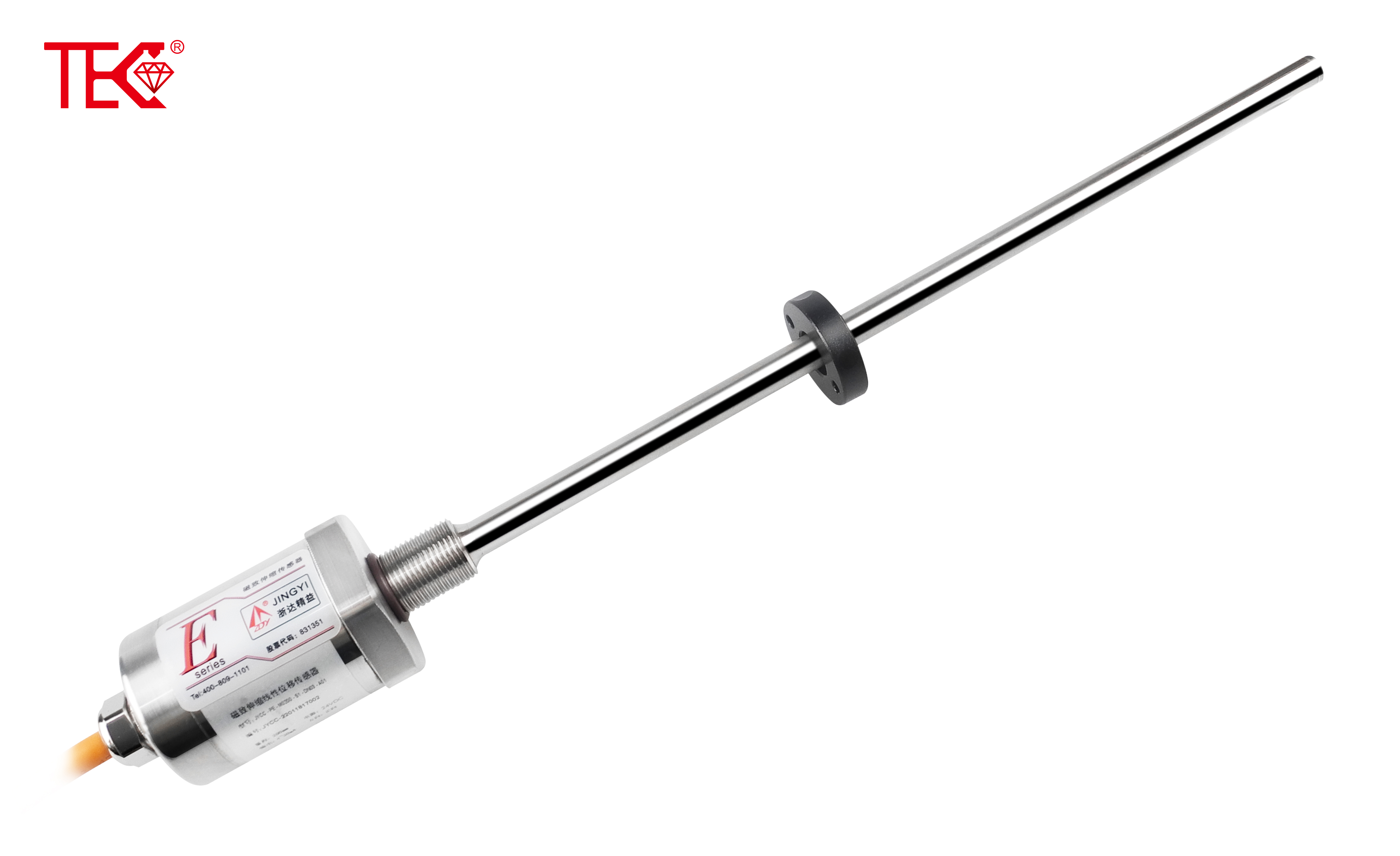 High-temperature Long-distance
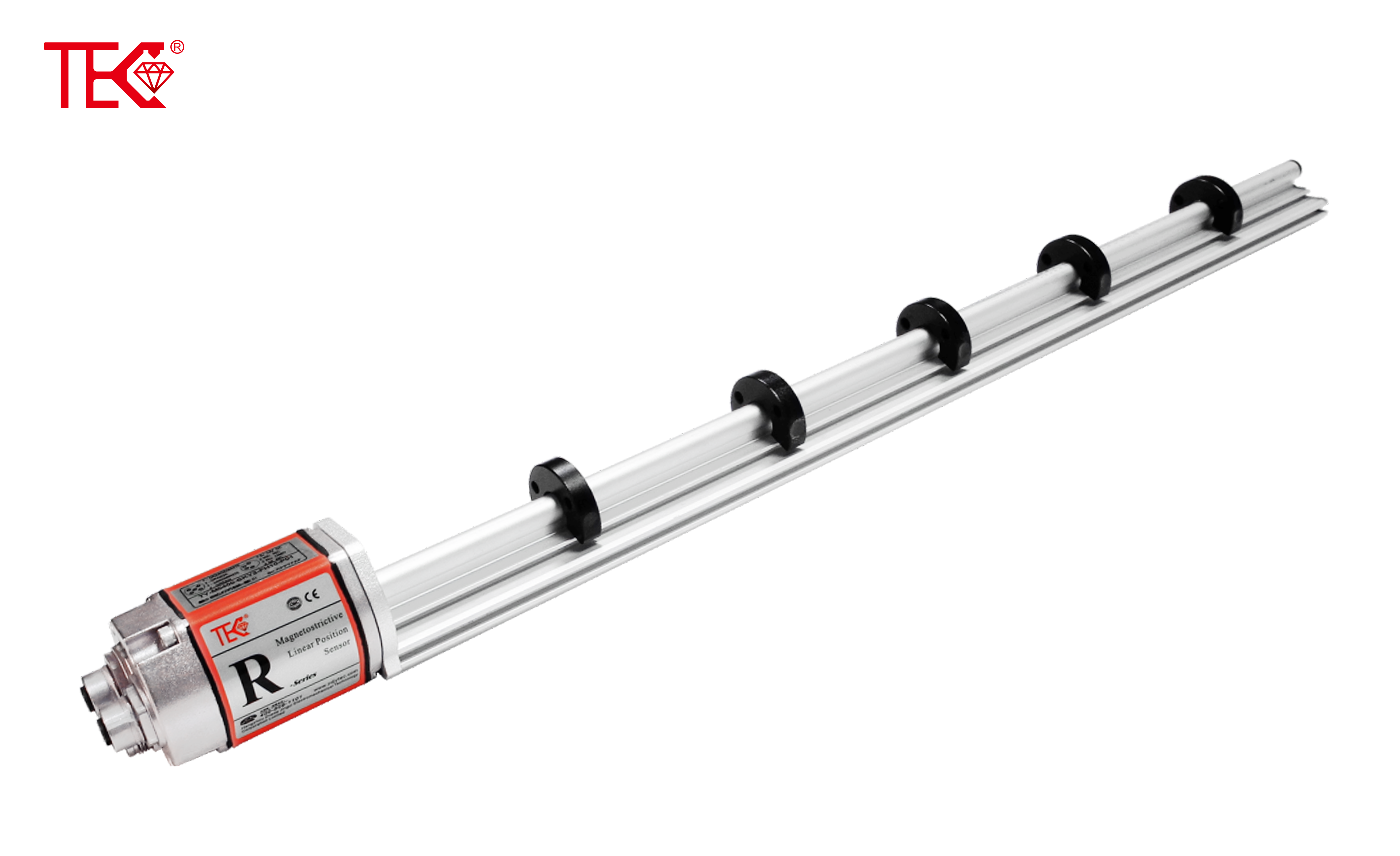 Waterproof Long-distance Posit
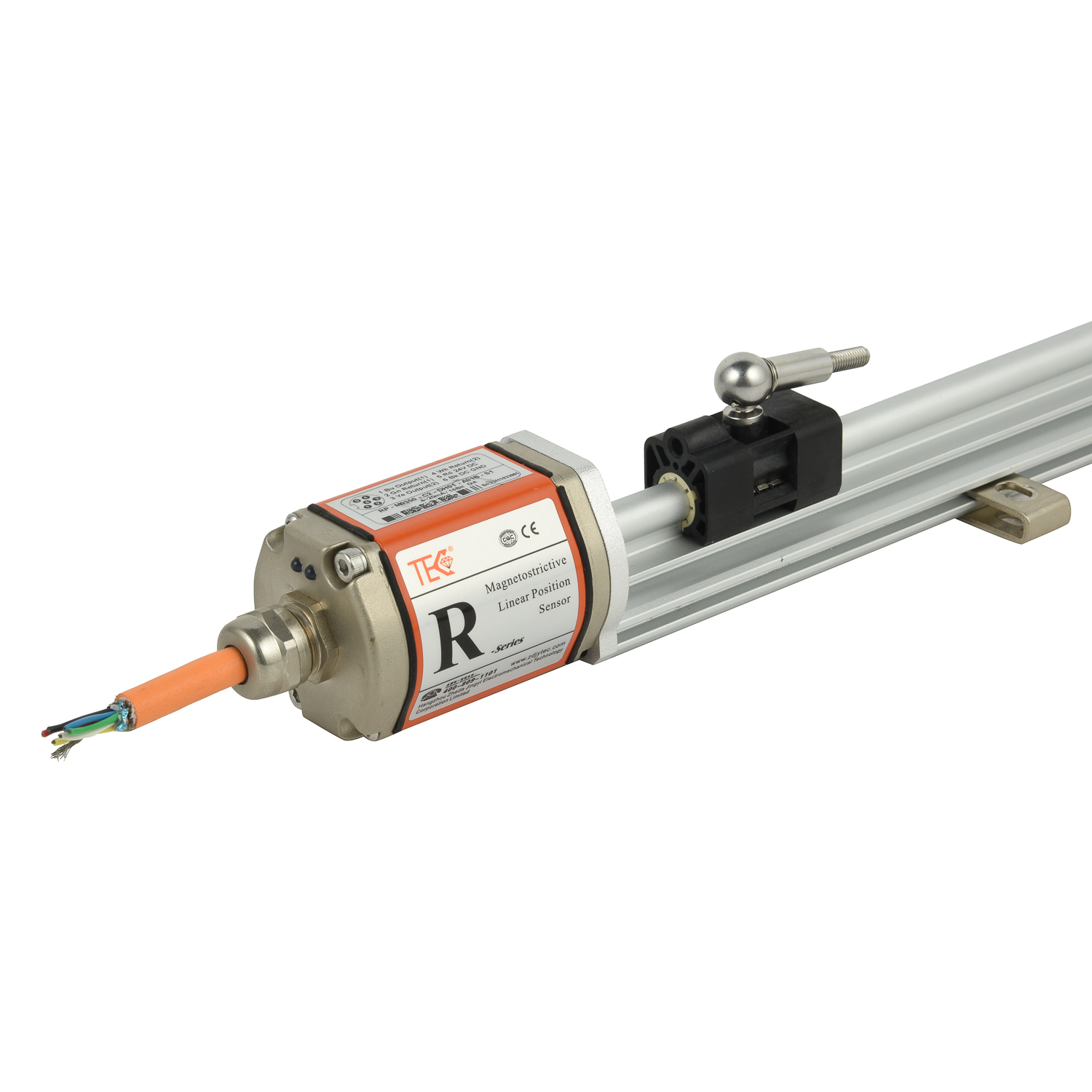 Intrinsically Safe Explosion-p
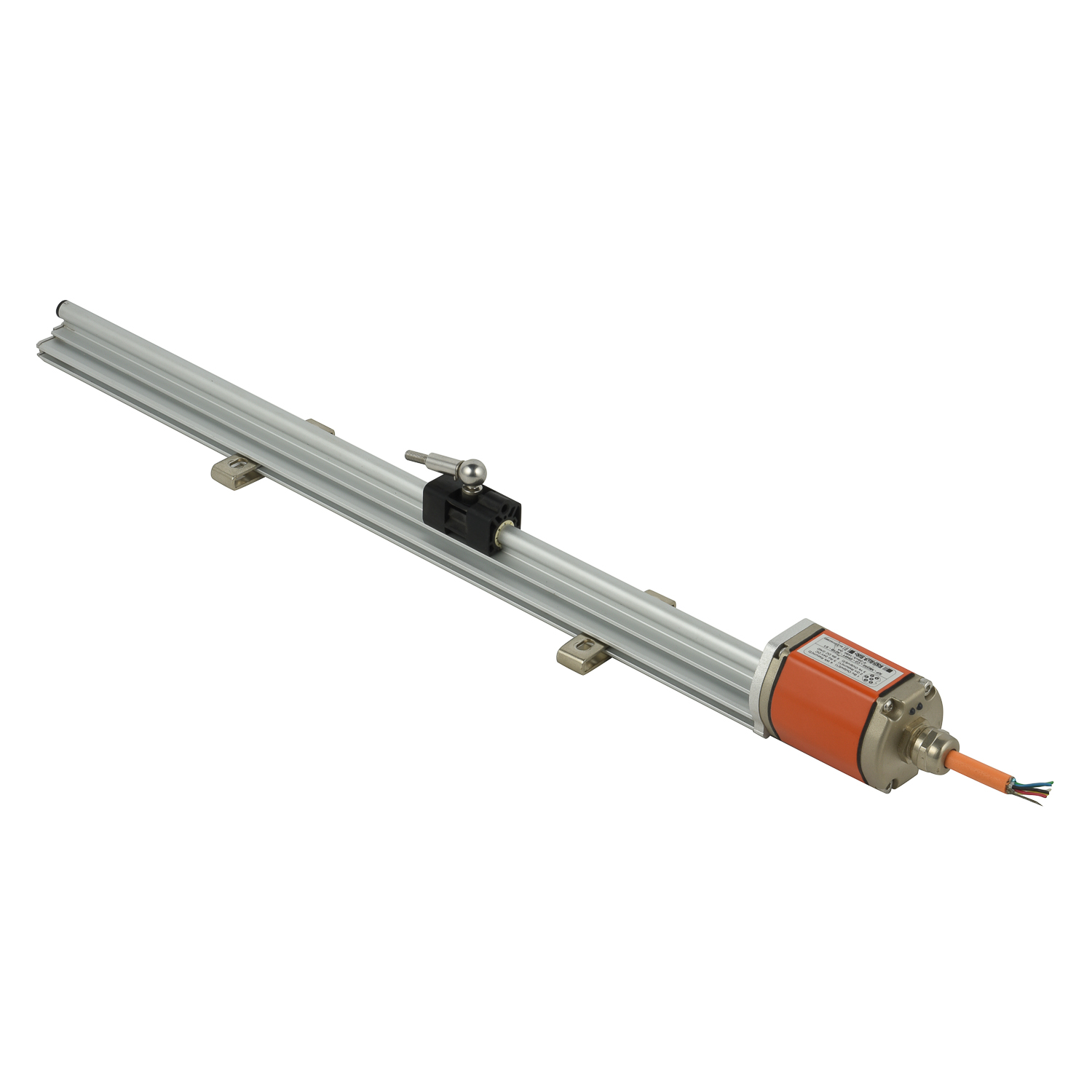 Explosion-proof Long-distance