
Graybus Cable Selection
Graybus cable selection plays a key role in stable industrial communication. The right cable protects signal integrity, reduces downtime, and supports long service life in demanding plants. Before buying, define network protocol, data rate, cable length, and installation environment. First, check electrical specifications. Graybus cables usually require a controlled characteristic impedance, low capacitance, and balanced conductors. Match them to the bus system and device manuals. A mismatch can cause reflections, weak signals, and intermittent faults. Second, review shielding. Foil shielding blocks high-frequency noise, while braided shielding offers strength and low resistance. Many Graybus cables use both. For motor and drive areas, high coverage shielding is essential. Third, select conductors and insulation. Stranded copper suits moving routes; solid copper suits fixed installation. PE or foam insulation supports stable electrical performance, while PVC, PUR, or halogen-free jackets fit different risks. Fourth, match the environment. Consider temperature, oil, chemicals, moisture, UV, and mechanical stress. Outdoor areas need rugged jackets; continuous flex needs a suitable bend radius and drag-chain rating. Finally, confirm certifications and compatibility. Look for flame retardancy, RoHS, and relevant industrial standards. Buy from a reliable supplier and request test reports. Correct selection improves reliability and keeps networks running smoothly for long-term performance.
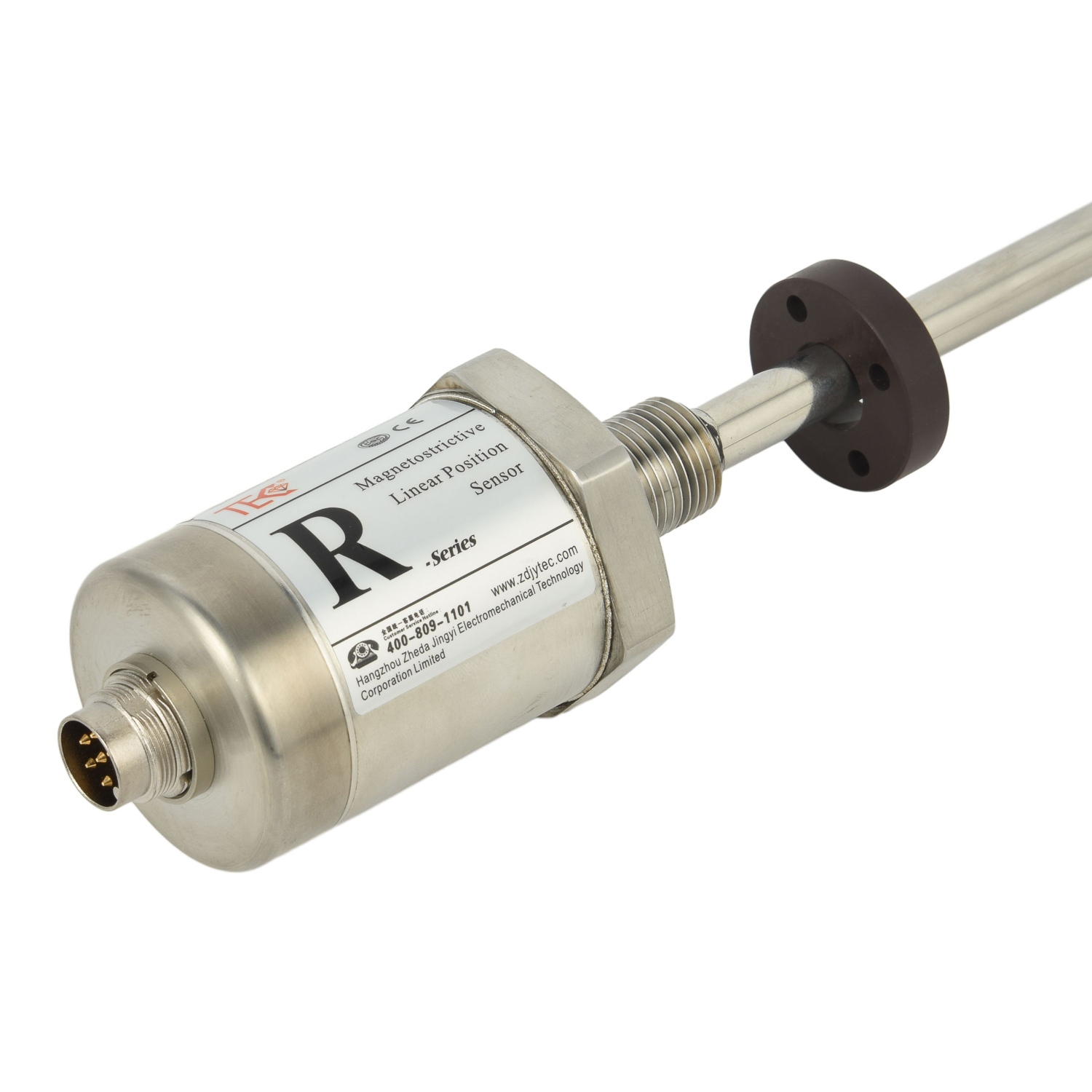
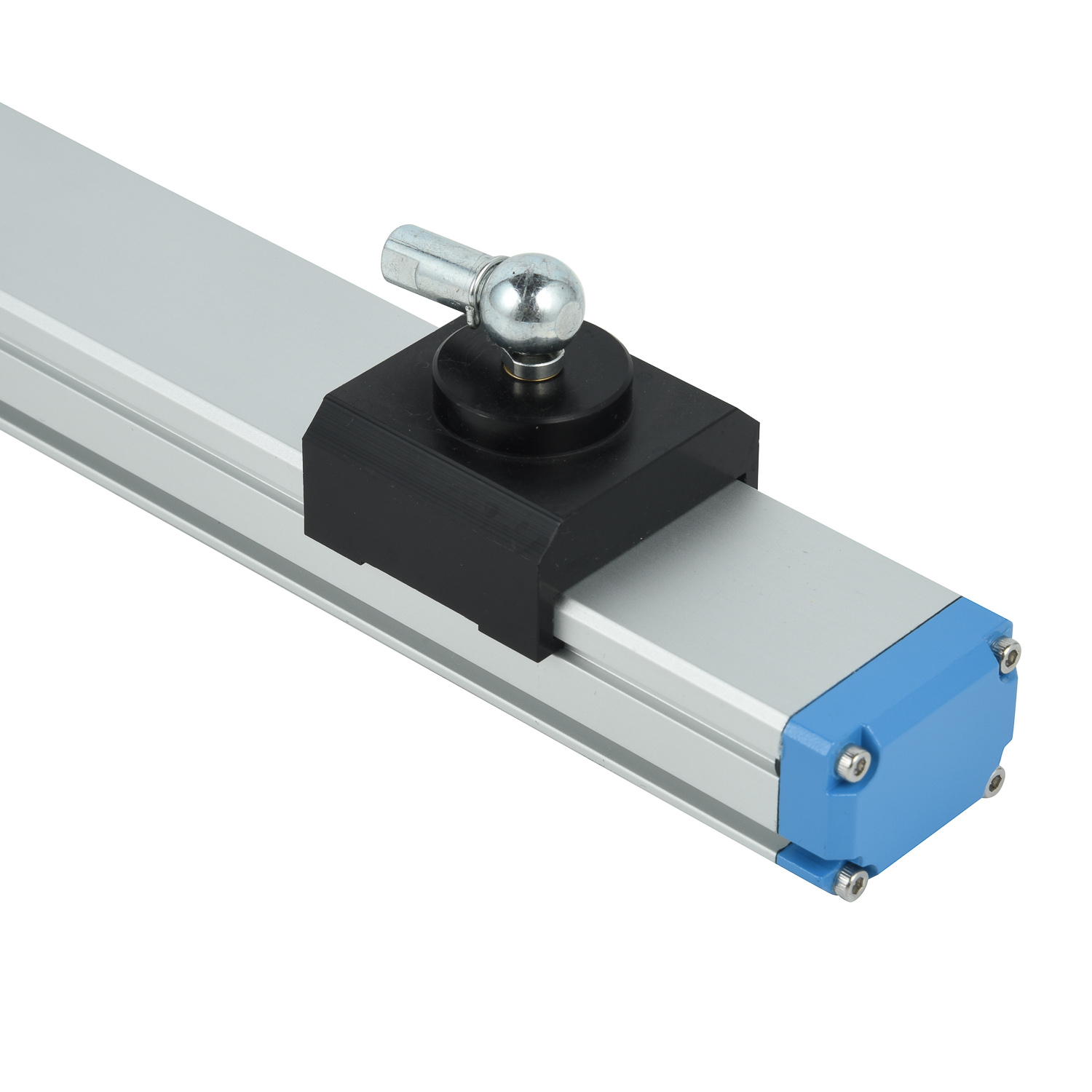 High-pressure Long-distance Po
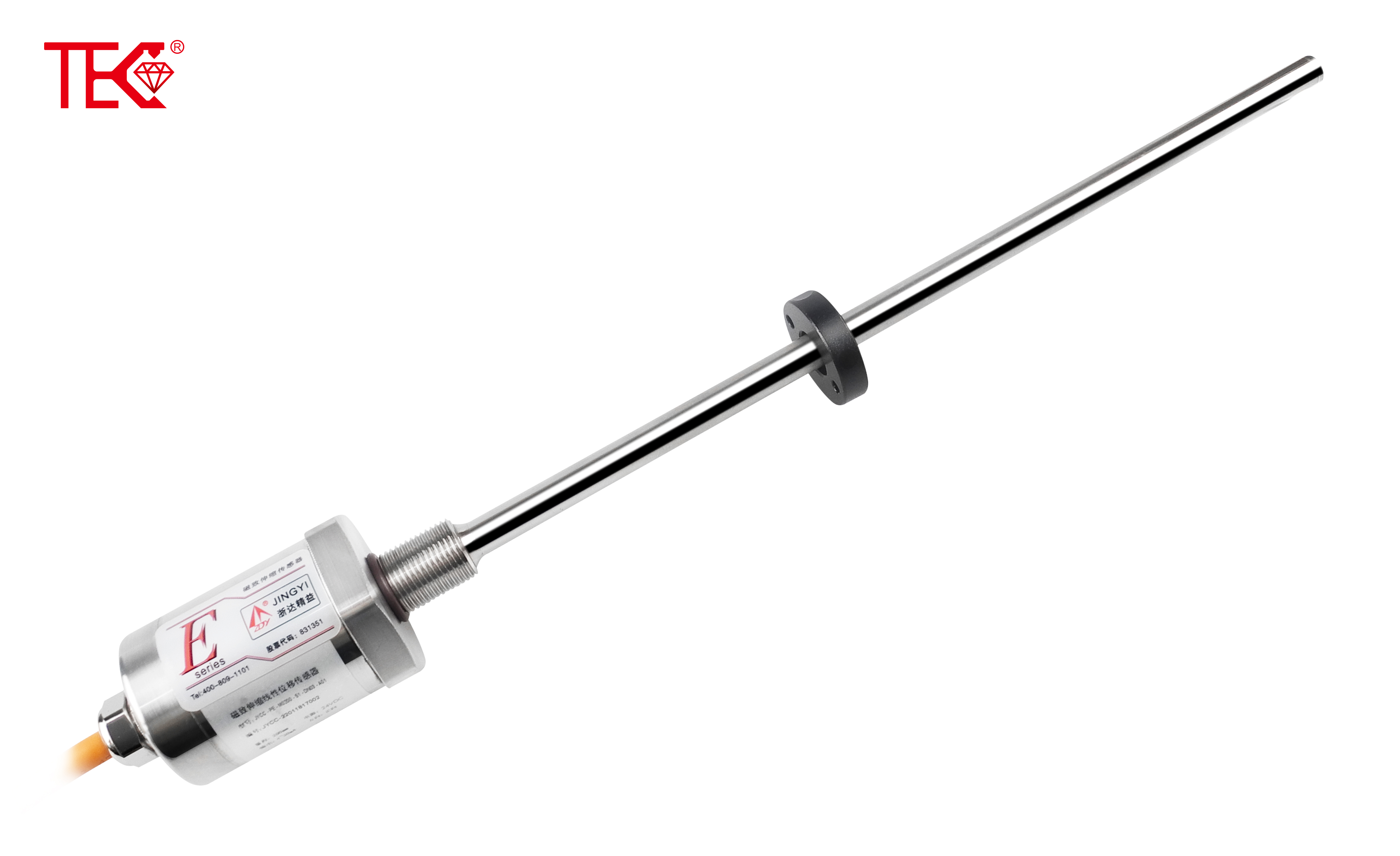 High-temperature Long-distance
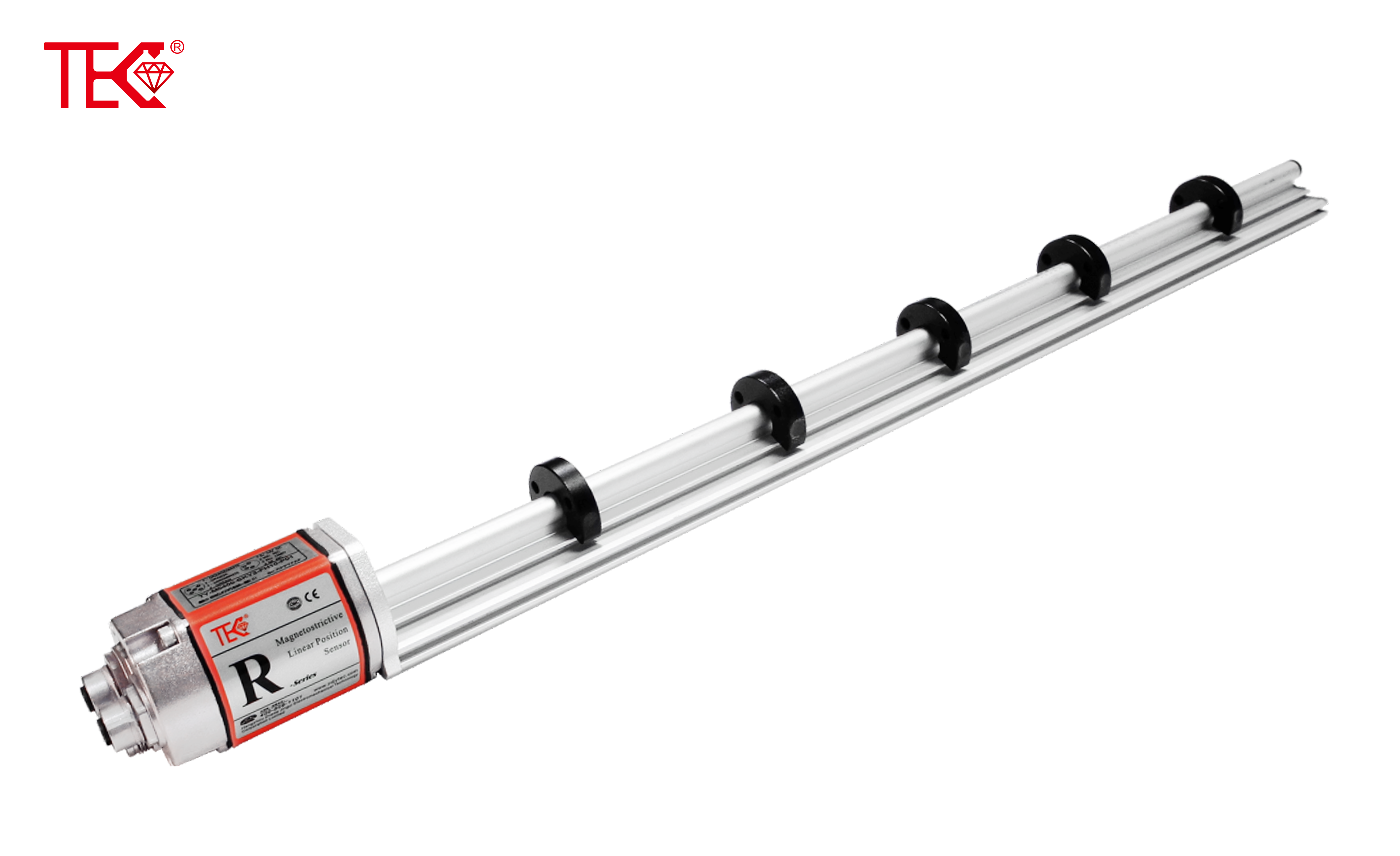 Waterproof Long-distance Posit
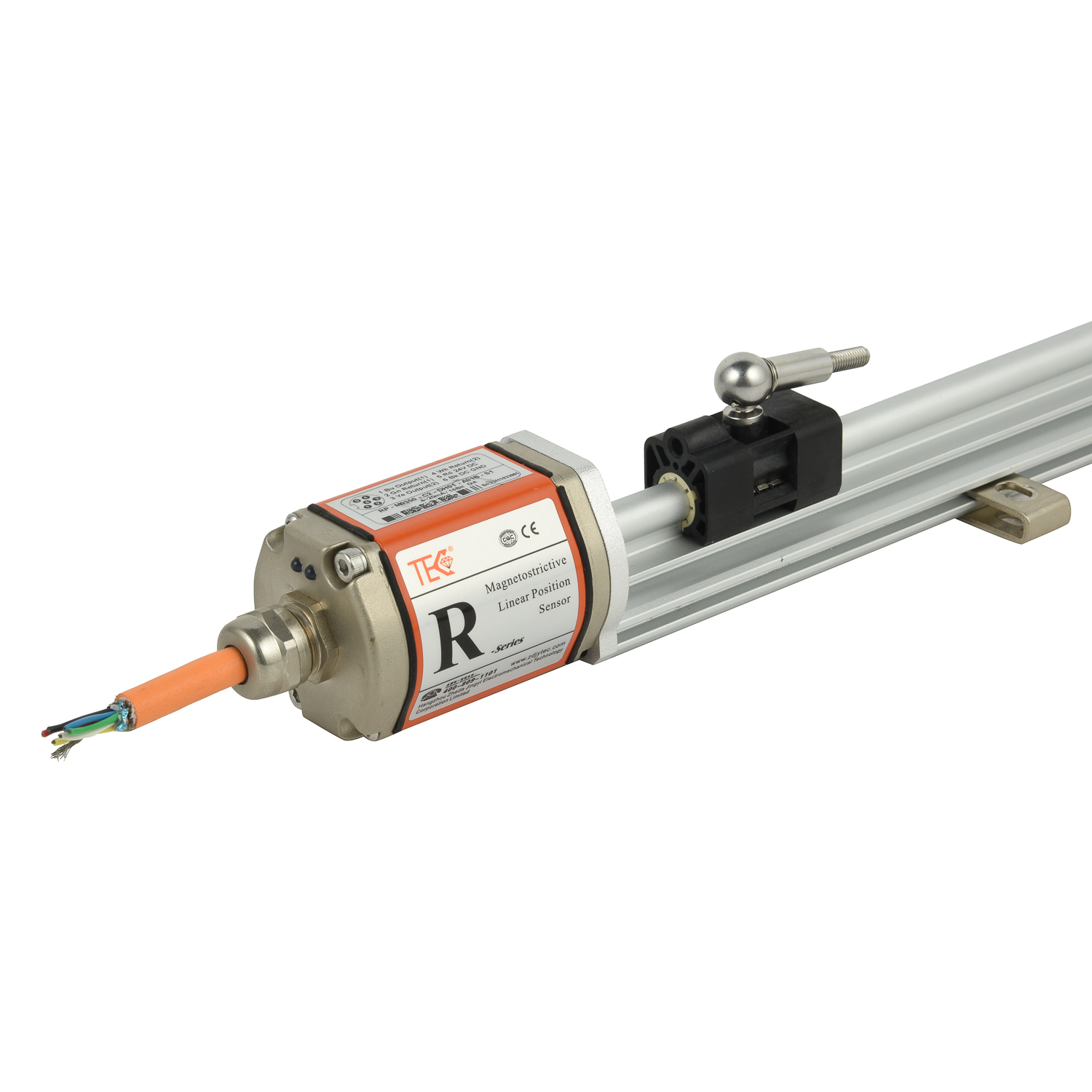 Intrinsically Safe Explosion-p