
Field Application of LVDT Displacement Sensor
LVDT displacement sensors are widely used in the field because they convert mechanical motion into a precise electrical signal with excellent repeatability. In industrial automation, they monitor valve position, press stroke, and actuator travel on production lines. A typical AC-LVDT is paired with a demodulator, while DC-LVDT units simplify wiring. In hydraulic systems, the sensor is installed inside or beside cylinders to provide real-time position feedback for proportional valves and closed-loop control. This helps maintain accurate speed, force, and synchronization in heavy machinery. In civil and structural monitoring, LVDTs measure crack opening, joint movement, and bridge deflection under load. They are also used in aerospace test rigs, automotive suspension testing, and robotics, where small size and frictionless operation support dynamic measurement. Field installation requires careful core alignment, rigid mounting, and protection against dust, moisture, and temperature extremes. Shielding and proper grounding reduce electromagnetic interference. Regular calibration verifies linearity and sensitivity, ensuring reliable data over long service periods. From oil and gas equipment to turbine control and material testing machines, LVDT sensors deliver durable position feedback in harsh environments. Their rugged construction, infinite resolution, and high accuracy make them a trusted choice for field applications where downtime and measurement errors are costly.
 Working Principle of Long-dist
 Technical Parameters of Long-d
 How Much is Long-distance Posi
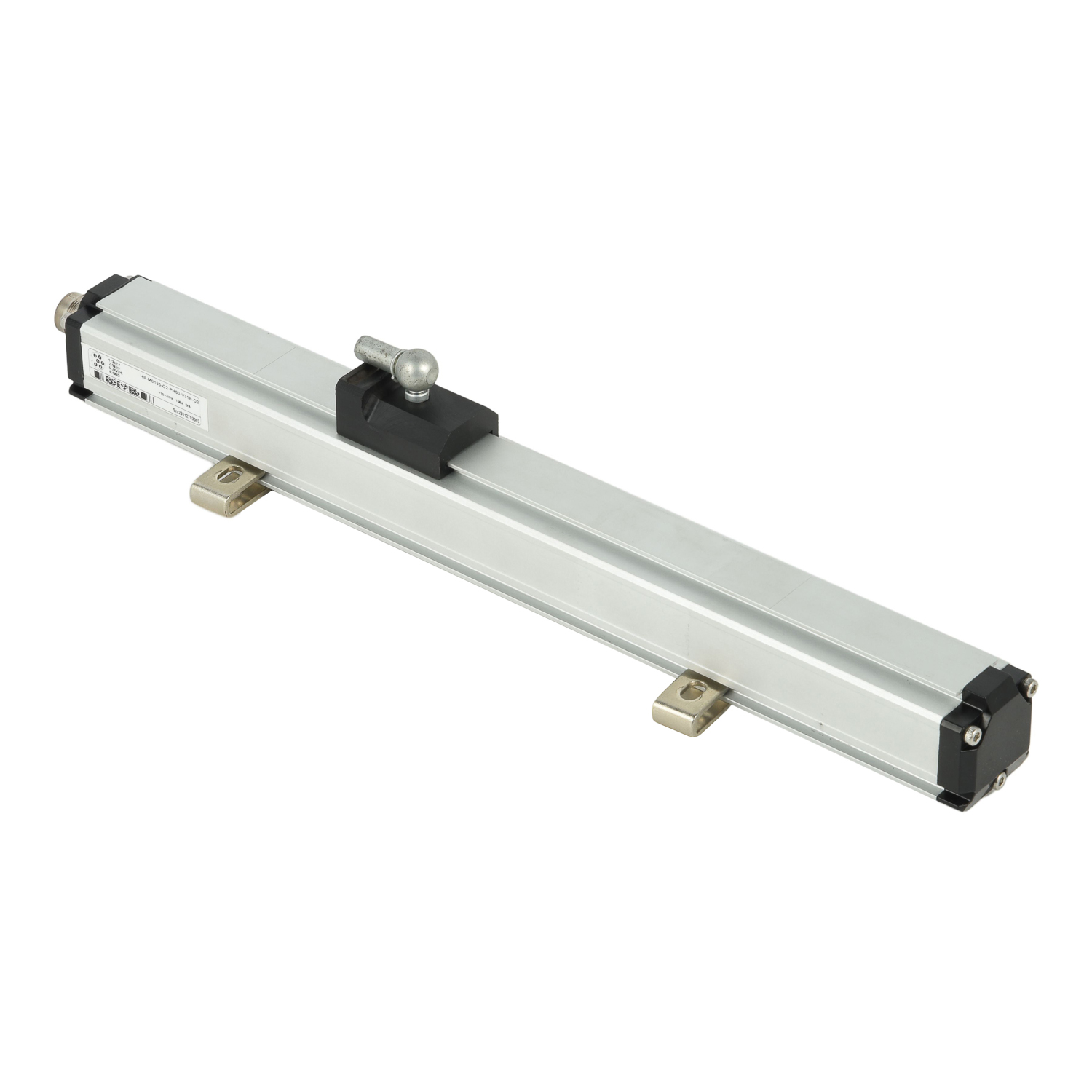 Long-distance Positioning Syst