
Model and Specification of LVDT Displacement Sensor
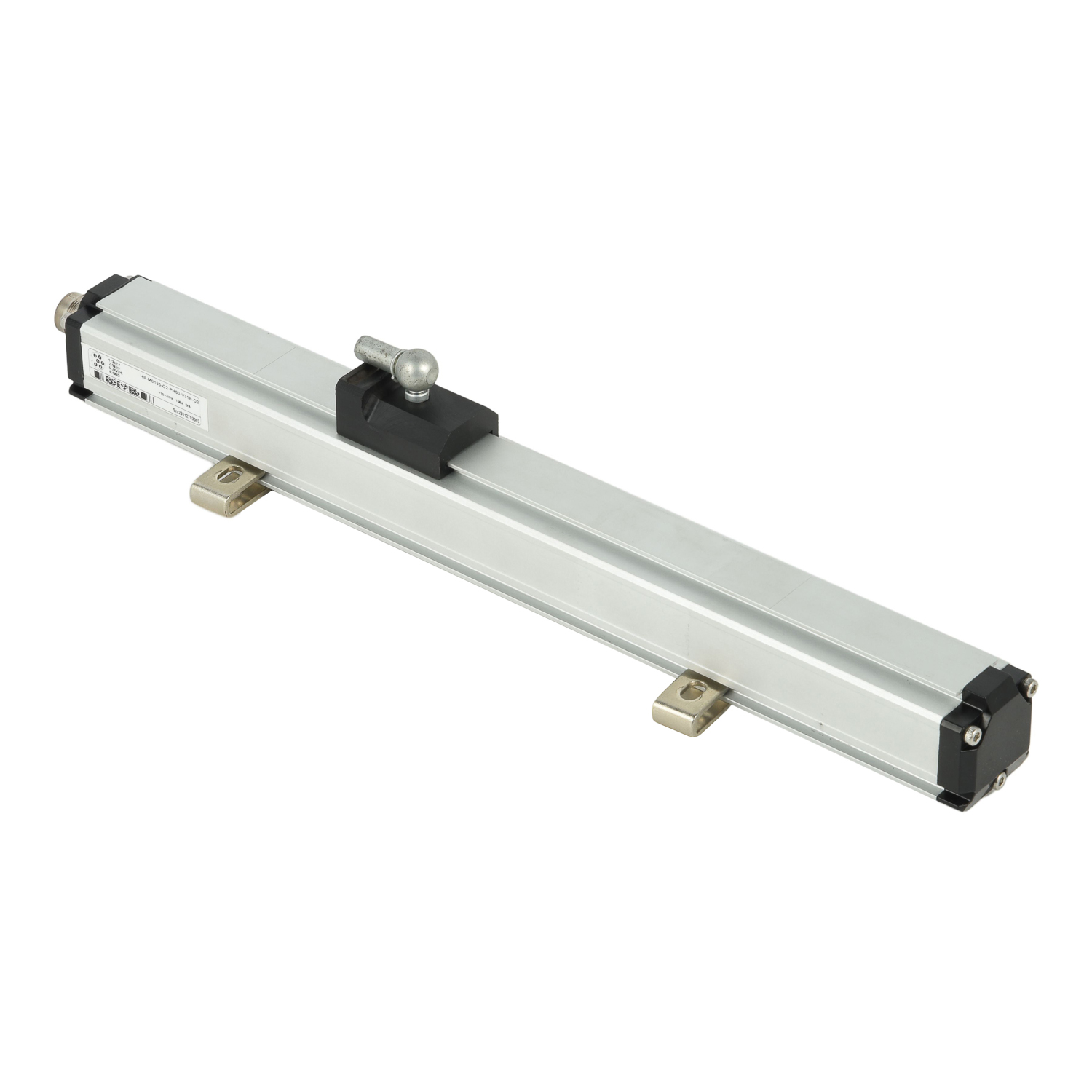
An LVDT displacement sensor converts linear motion into an electrical signal. Its model and specification define how well it fits an application. A typical model number may include core type, measuring range, output signal, and housing diameter. When selecting an LVDT, engineers compare mechanical stroke, electrical performance, and environmental protection.
The main specifications include measuring range, linearity, sensitivity, resolution, excitation voltage, excitation frequency, output voltage, phase, repeatability, and operating temperature. Linearity is often expressed as a percentage of full scale, such as +/-0.1%, +/-0.25%, or +/-0.5%. Sensitivity is usually given in mV/V/mm or mV/mm. Resolution is effectively infinite because an LVDT has no sliding contacts, but the readout electronics set the practical limit. AC LVDTs need an oscillator and demodulator. DC LVDT models include built-in electronics and provide 0-5 V, 0-10 V, 4-20 mA, or digital output.
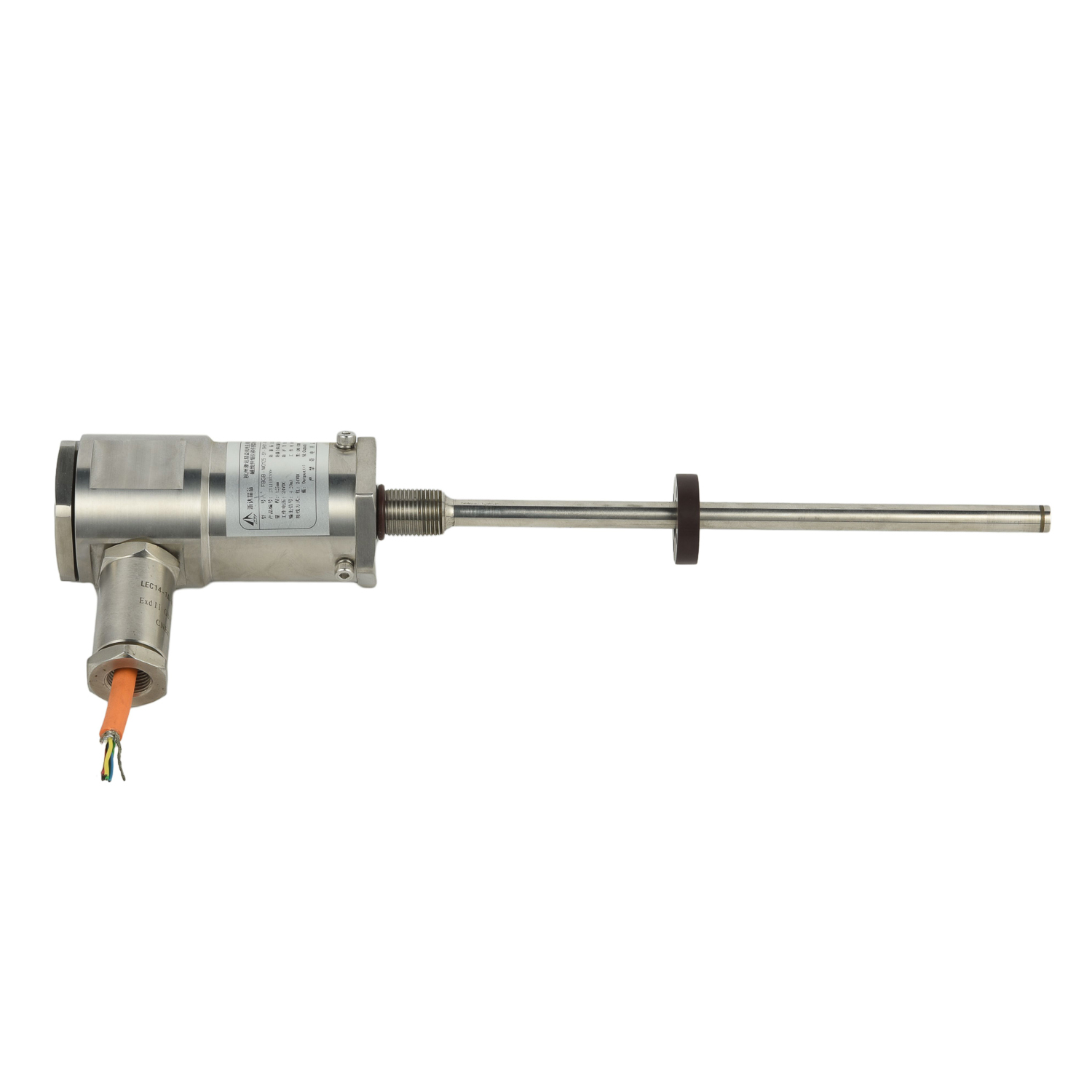
Mechanical specifications cover core weight, clearance, shaft material, housing material, and IP rating. Stainless-steel IP65 or IP67 models suit industrial use. Temperature range may be -40 C to +85 C, with high-temperature versions beyond +150 C.
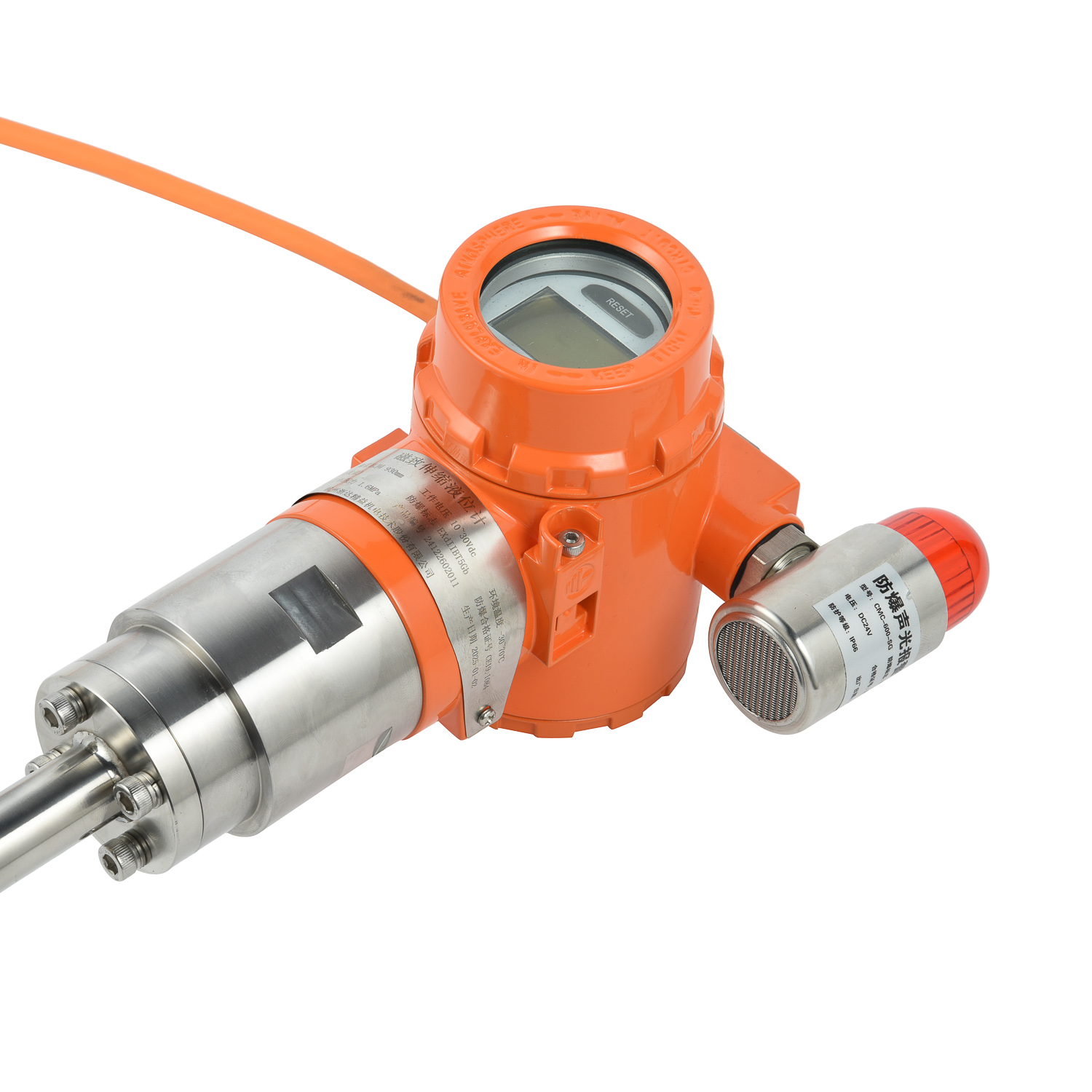
Typical applications include automation, hydraulic valve position, and aerospace. The correct model balances range, accuracy, environment, and signal compatibility. A clear specification sheet helps users choose the right LVDT for reliable linear displacement measurement.
 Working Principle of Long-dist
 Technical Parameters of Long-d
 How Much is Long-distance Posi
 Long-distance Positioning Syst