
LVDT Displacement Sensor Fault
LVDT displacement sensors provide precise linear position feedback. When a fault occurs, readings may disappear, become unstable, drift, or lose accuracy. Common causes include damaged windings, a misaligned or stuck core, broken cables, loose connectors, incorrect excitation voltage, and signal-conditioner failure. Moisture, vibration, and heat can cause faults.
Symptoms help locate faults. No output often means an open winding, broken cable, or missing AC excitation. Erratic readings may result from intermittent wiring, electromagnetic interference, or a loose core. Gradual drift can come from thermal expansion, aging, or contamination. Nonlinear output suggests core misalignment, mechanical wear, or partial winding shorts. Phase reversal points to swapped secondary connections or demodulation errors.
To troubleshoot, check excitation voltage and frequency against the datasheet. Confirm the core moves freely and stays centered. Inspect cables, connectors, and shielding for cuts, corrosion, or poor grounding. Measure coil resistance if reference values are available. Use an oscilloscope to verify AC excitation and demodulated output. Recalibrate zero and span.
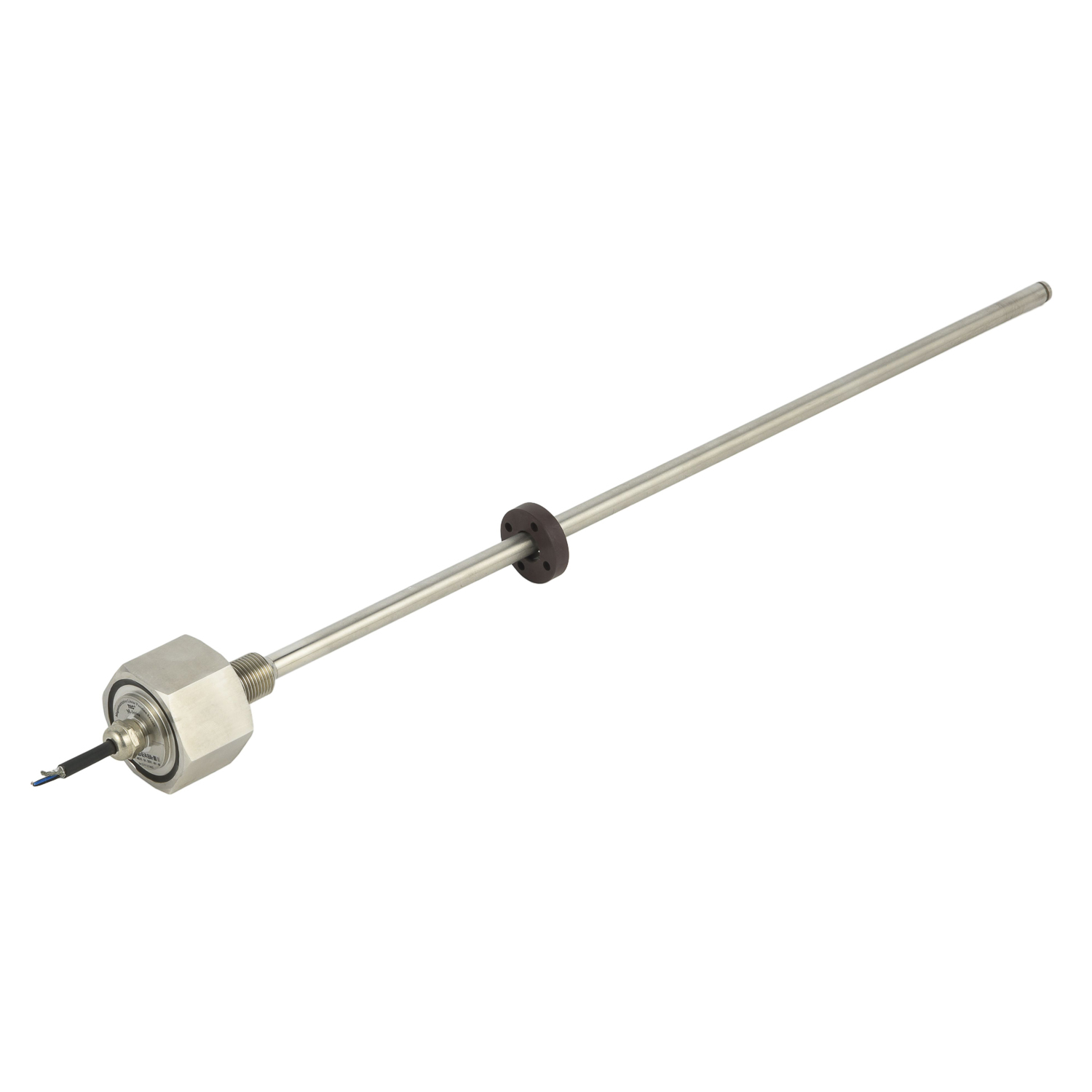
Fix simple issues by replacing cables or connectors, cleaning or reseating the core, and correcting alignment. If windings are open or shorted, replace the LVDT. Prevent faults with shielded cables, stable power, vibration damping, and routine calibration. Early detection reduces downtime and keeps displacement measurements reliable.
 Technical Parameters of Long-d
 How Much is Long-distance Posi
 Long-distance Positioning Syst
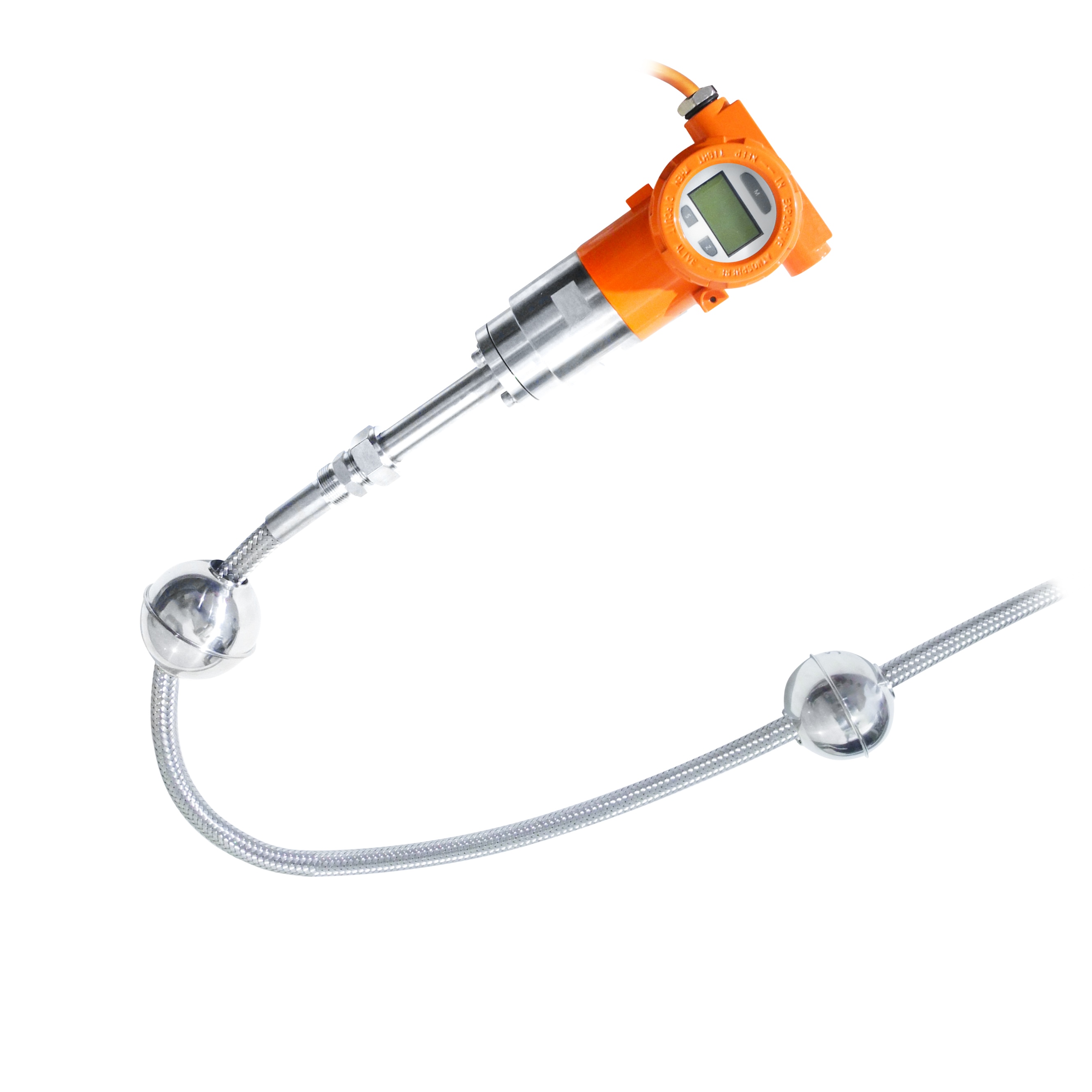 Long-distance Positioning Syst