
High-temperature LVDT Displacement Sensor
High-temperature LVDT displacement sensors are designed to measure linear position accurately in environments where standard sensors fail. An LVDT, or linear variable differential transformer, uses a movable core and transformer coils to convert displacement into an electrical signal. Because the sensing element can be built from heat-resistant materials, ceramics, and high-temperature wiring, it operates reliably near turbines, exhaust systems, engines, and industrial furnaces.
These sensors offer outstanding repeatability, infinite resolution, and low hysteresis. They are also rugged, contactless in the sensing area, and resistant to vibration, pressure, and contamination. In high-temperature versions, materials such as stainless steel, Inconel, ceramic insulators, and specialized alloys help maintain signal stability at elevated temperatures.
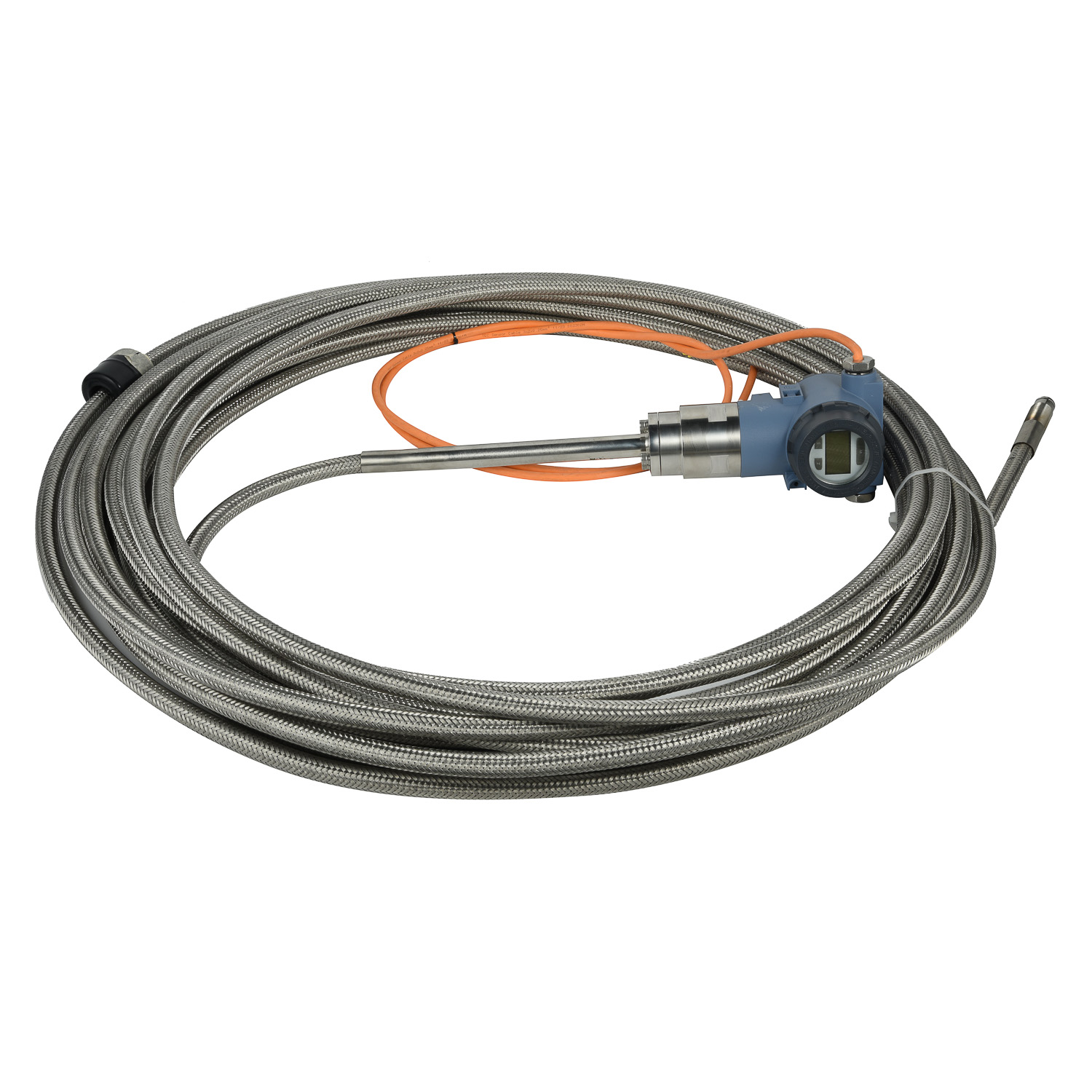
Typical applications include steam turbine valve position, gas turbine fuel control, aerospace test stands, exhaust valve monitoring, power generation, and metallurgical equipment. Proper cooling, thermal isolation, and cable protection can extend service life. When selecting a model, consider temperature range, stroke length, excitation frequency, output type, mounting, and environmental protection.
With the right design, a high-temperature LVDT displacement sensor provides precise, durable feedback for critical systems, improving safety, efficiency, and control in extreme conditions. Custom housings improve accuracy greatly today.
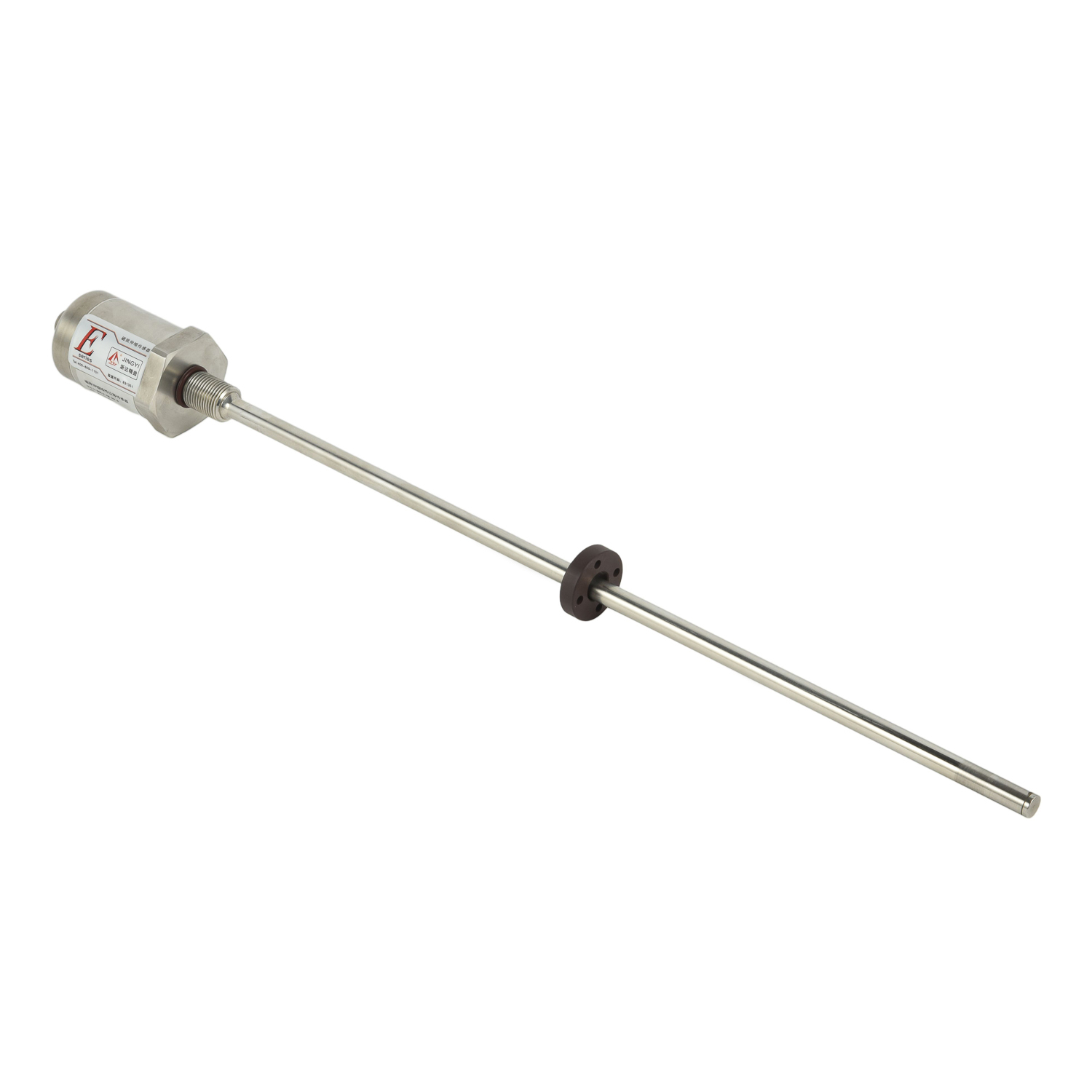 High-pressure LVDT Displacemen
High-temperature LVDT Displace
High-pressure LVDT Displacemen
High-temperature LVDT Displace
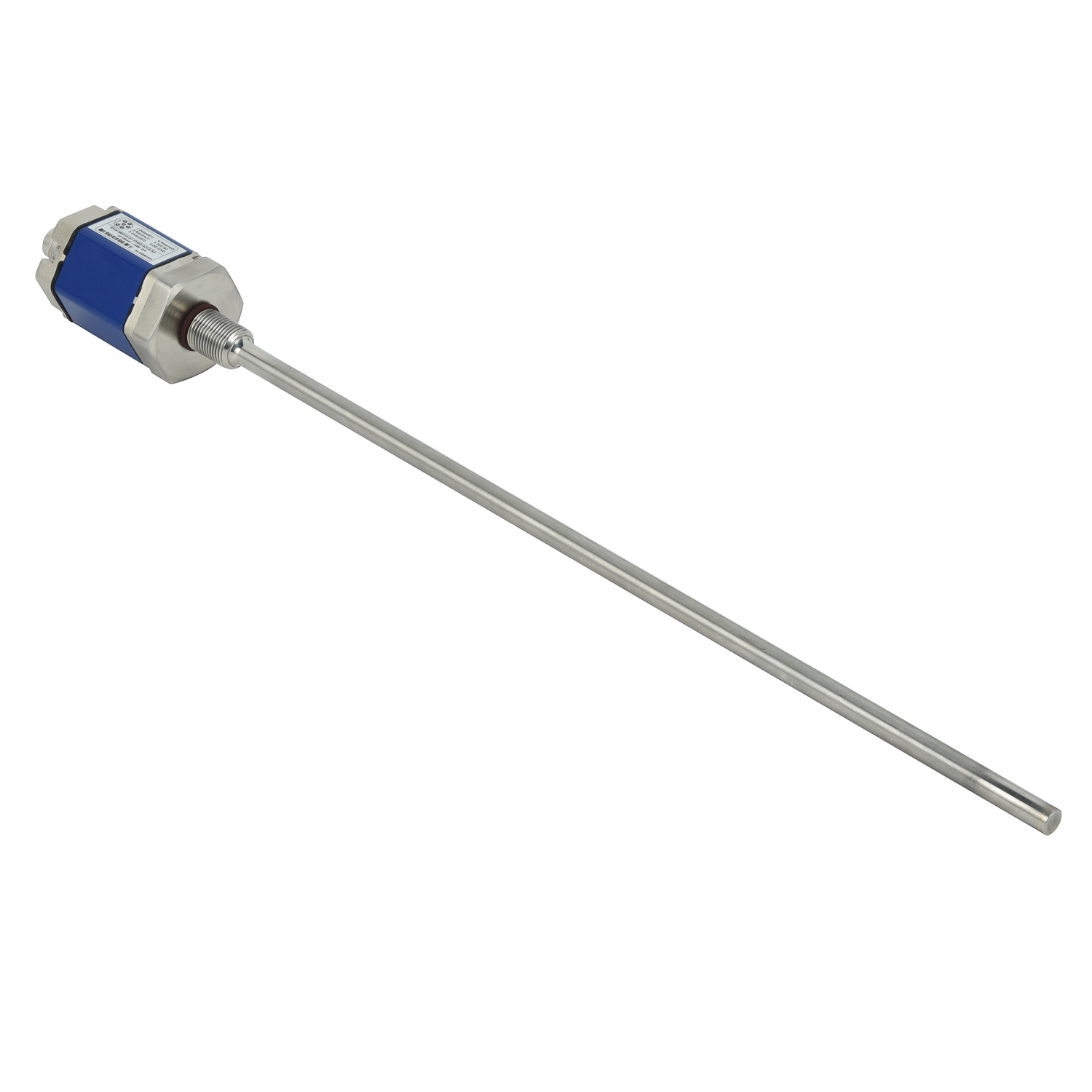 Waterproof LVDT Displacement S
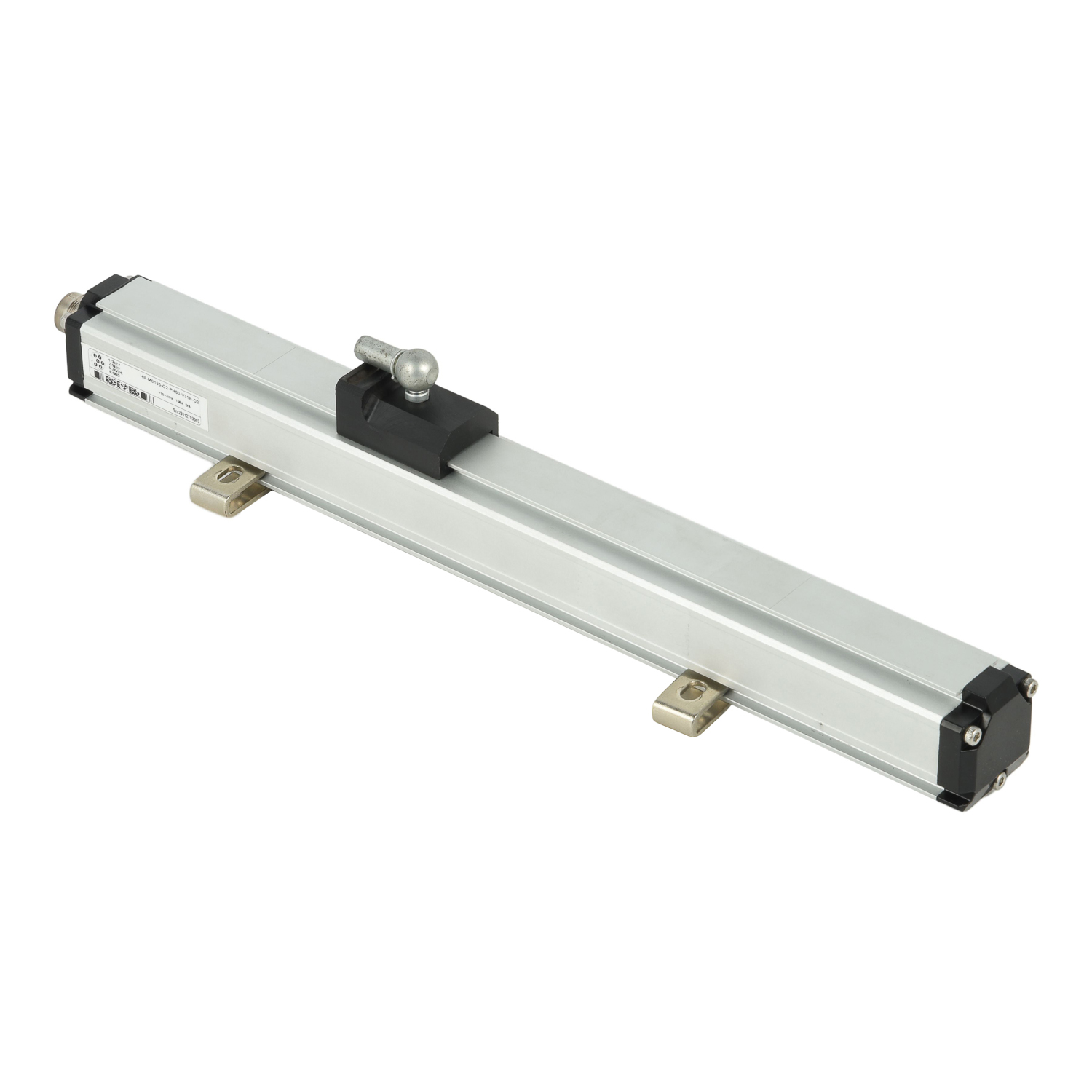 Intrinsically Safe Explosion-p