
Waterproof LVDT Displacement Sensor
A waterproof LVDT displacement sensor is a linear position transducer built to measure movement accurately even when exposed to water, oil, dust, steam, or high-pressure washdown. Unlike standard LVDTs, waterproof models use sealed housings, welded joints, O-rings, and rugged cable glands to protect the internal coil assembly and core. This construction allows reliable operation in industrial environments where moisture and contamination would quickly damage ordinary sensors.
The LVDT, or linear variable differential transformer, works through electromagnetic induction. It contains a primary coil and two secondary coils around a bore, plus a movable ferromagnetic core connected to the measured object. When the core shifts, the magnetic coupling changes, producing an AC output that is converted into a precise DC signal. Because the core does not touch the coils, the sensor offers frictionless measurement, excellent repeatability, and long life.
Waterproof design focuses on sealing, materials, and cable integrity. Stainless steel bodies resist corrosion, while IP67, IP68, or higher ratings confirm protection against dust and water immersion. Some units withstand pressure, temperature swings, and aggressive chemicals.
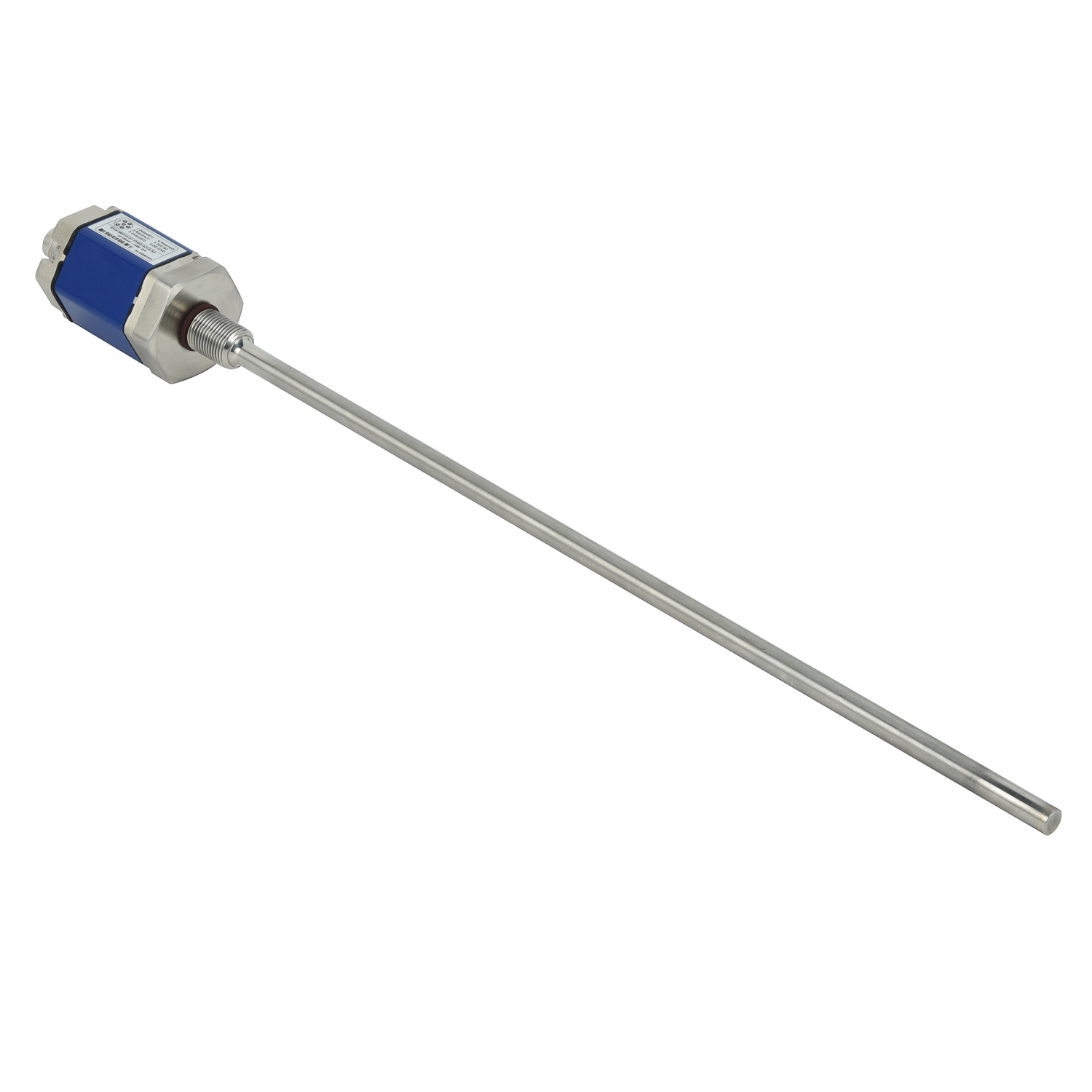
Typical uses include hydraulic cylinder feedback, valve control, wastewater treatment, food processing, and offshore equipment. In wet or washdown areas, a waterproof LVDT maintains accuracy and supports safety, automation, and predictive maintenance.
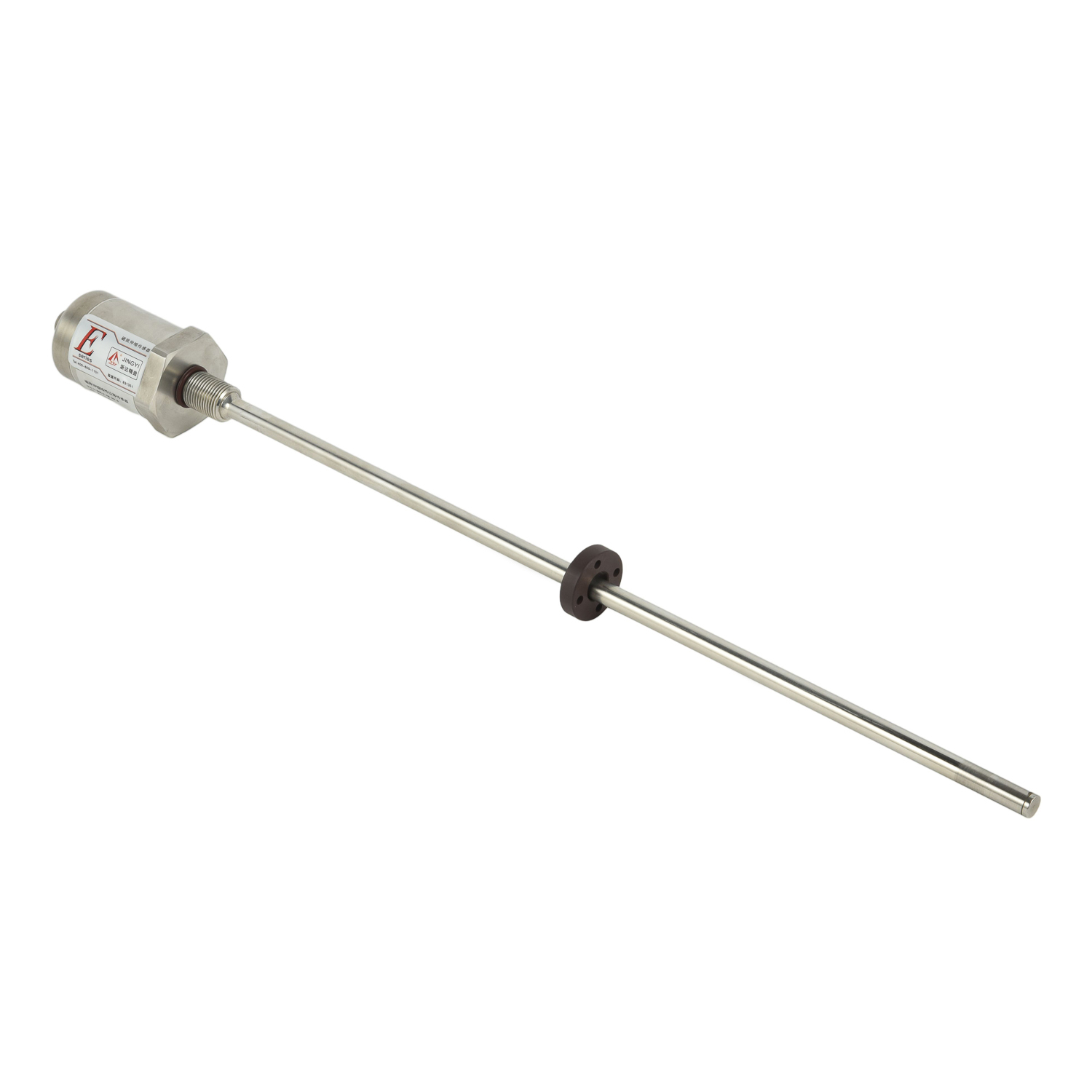 High-pressure LVDT Displacemen
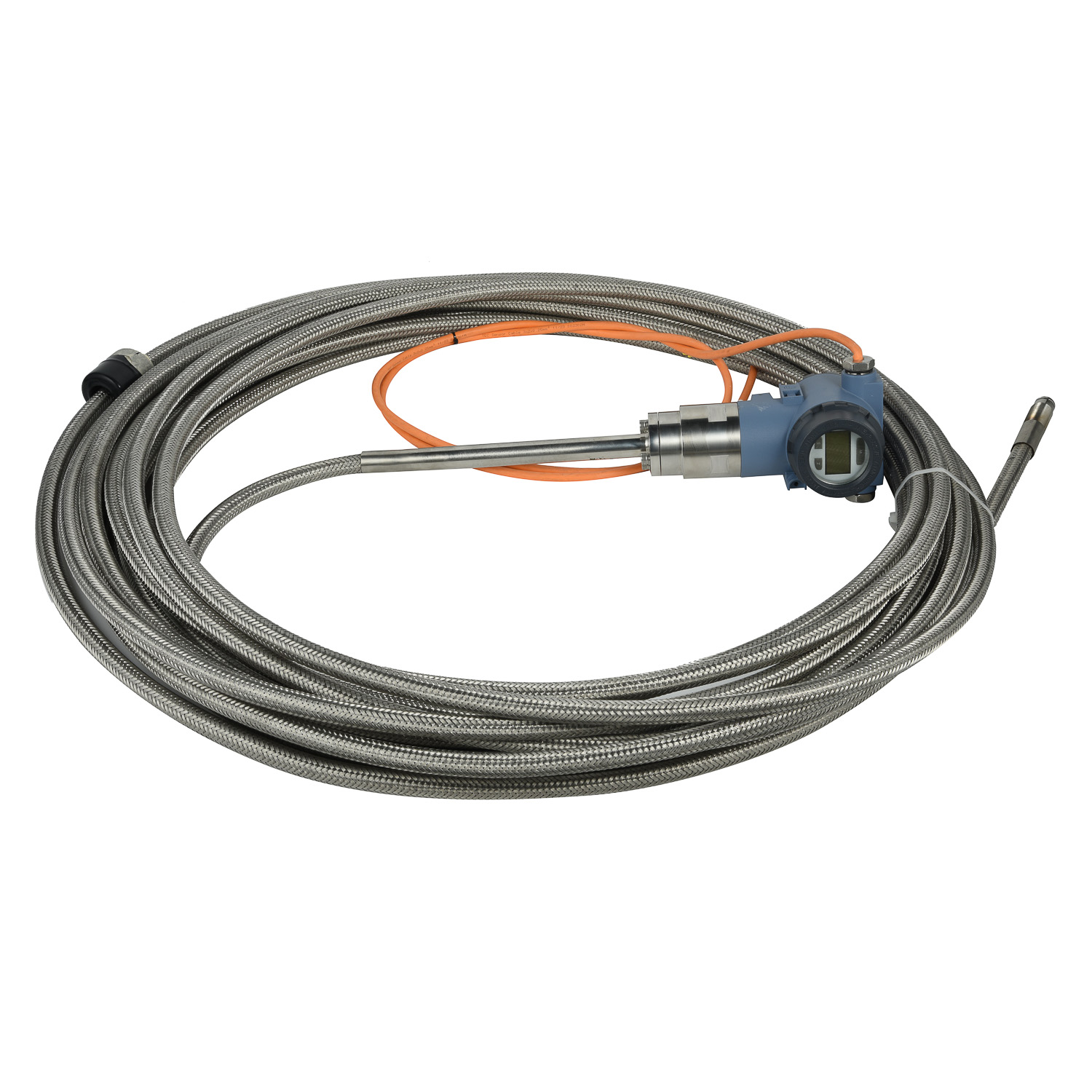 High-temperature LVDT Displace
Waterproof LVDT Displacement S
High-temperature LVDT Displace
Waterproof LVDT Displacement S
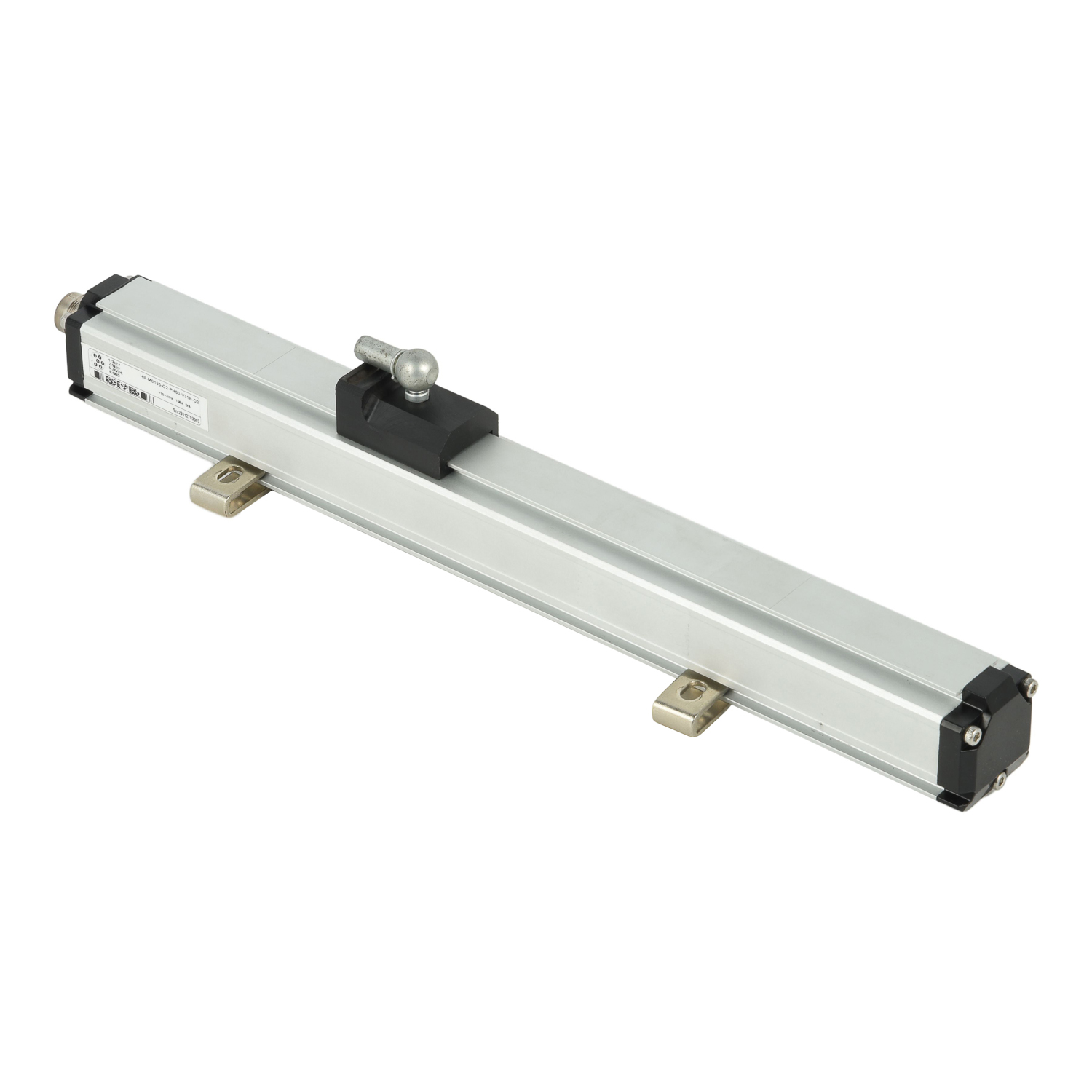 Intrinsically Safe Explosion-p