
Technical Parameters of Linear Displacement Sensor
Linear displacement sensors convert mechanical movement into electrical signals. Their performance depends on several technical parameters. The measuring range defines the maximum travel distance the sensor can detect. The output signal may be analog, such as 0–10 V, 4–20 mA, or digital, such as RS485, CANopen, or SSI. Linearity shows how closely the output follows an ideal straight line, usually expressed as a percentage of full scale. Resolution is the smallest detectable movement, while repeatability indicates the sensor's ability to return to the same output under identical conditions.
Accuracy combines linearity, hysteresis, repeatability, and temperature effects. Hysteresis is the maximum output difference when approaching the same position from opposite directions. Temperature coefficient describes output drift per degree Celsius. Supply voltage, often 24 VDC, must match the sensor and controller. Protection class, such as IP67, indicates resistance to dust and water. Response frequency affects suitability for dynamic measurement. Mechanical parameters include stroke length, mounting thread, and shaft alignment.
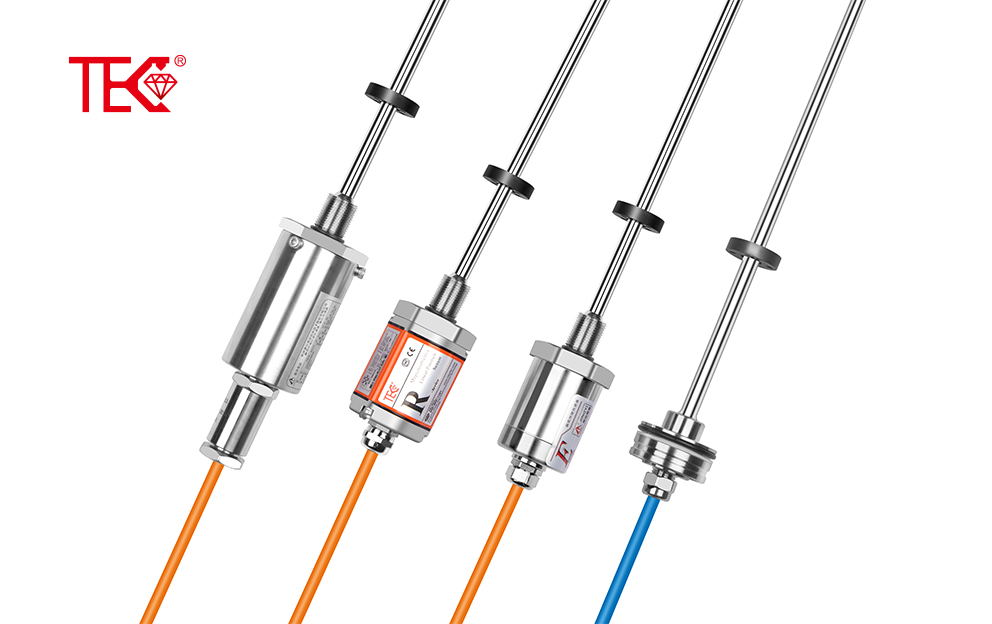
When selecting a linear displacement sensor, match these parameters to the application. High-precision testing may require excellent linearity and low temperature drift. Industrial automation may prioritize rugged sealing, stable output, and long service life. Understanding technical parameters ensures accurate measurement, reliable control, and optimal system performance.
 Working Principle of Linear Di
Technical Parameters of Linear
Working Principle of Linear Di
Technical Parameters of Linear
 How Much is Linear Displacemen
 Linear Displacement Sensor Pri