
Field Application of Magnetostrictive Displacement Sensor
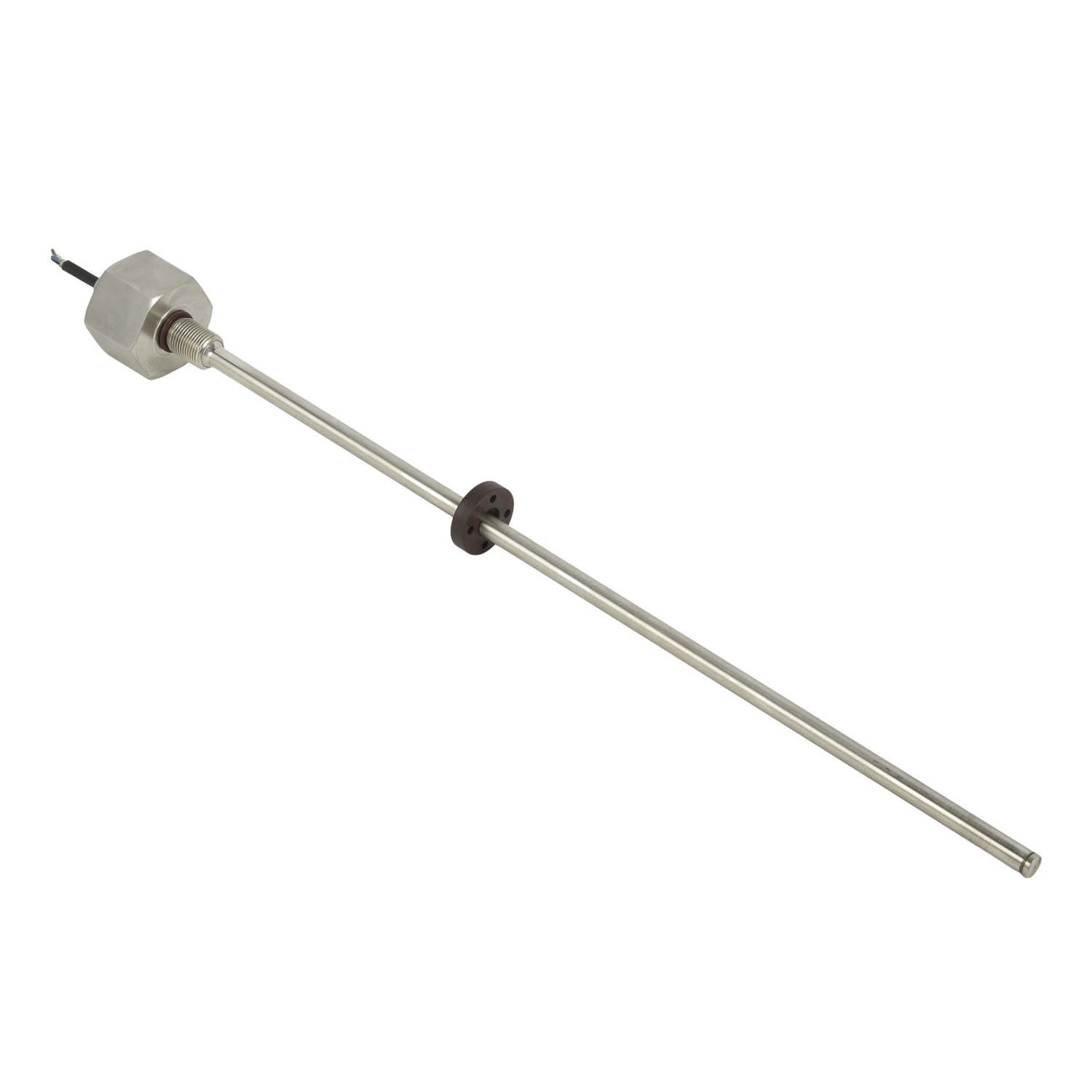
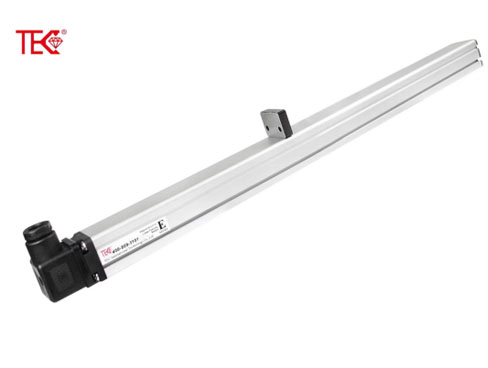
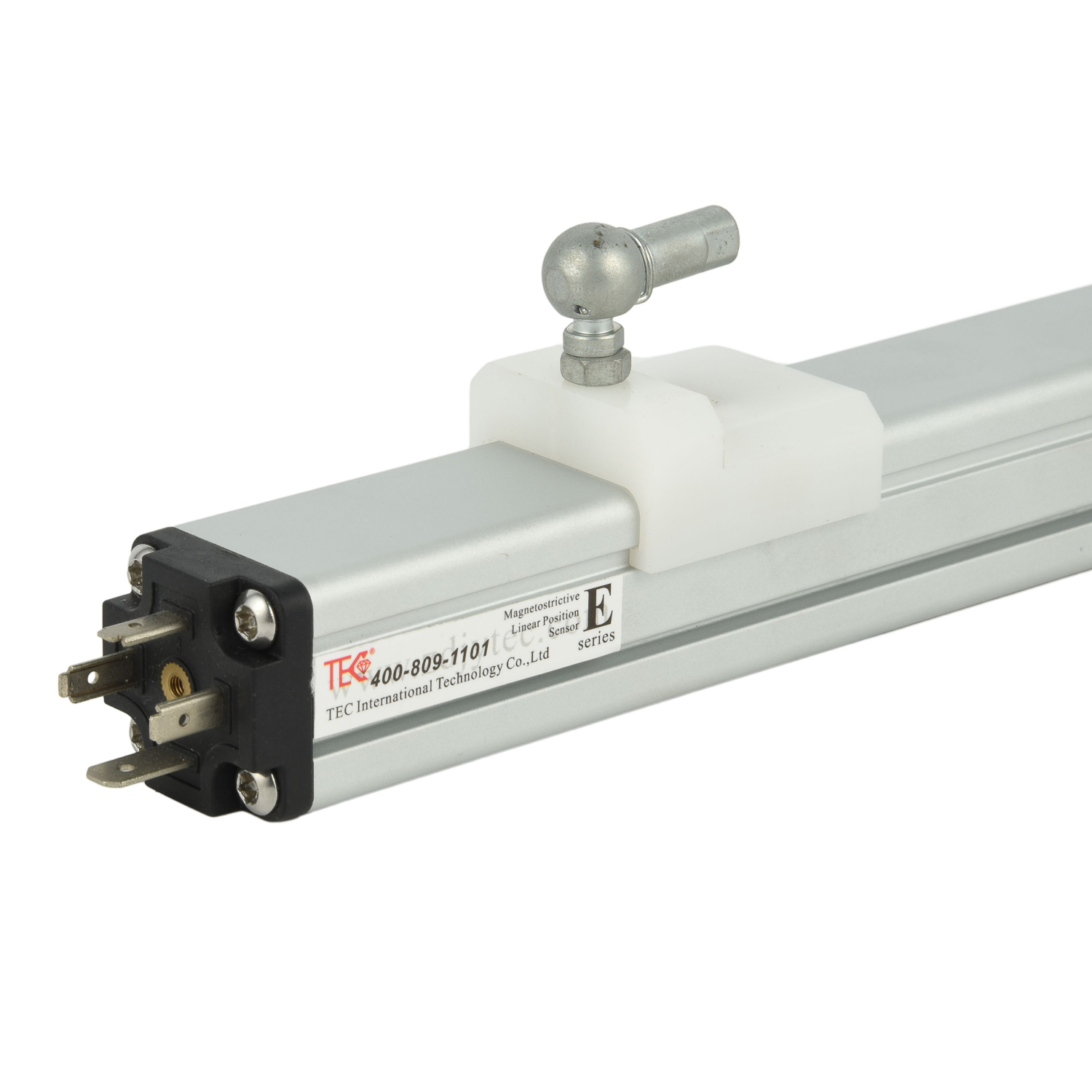
Magnetostrictive displacement sensors are widely used in field applications where precise, durable position feedback is essential. Unlike optical or capacitive devices, they operate reliably under dust, vibration, moisture, and wide temperature changes. Their principle is simple: a torsional strain pulse is generated at the intersection of a movable magnet and a waveguide. The sensor measures the pulse travel time and converts it into an accurate absolute position. Because there is no mechanical contact between the magnet and the sensing element, wear is minimal and service life is long. In hydraulic systems, these sensors monitor cylinder stroke, valve position, and actuator movement. Mobile machinery, including excavators, cranes, and agricultural equipment, depends on them for safe and efficient control. In steel mills, they provide position feedback for rolling stands and cooling beds despite heat, shock, and metal dust. Water treatment plants use them to control gates, weirs, and pump strokes. In packaging and injection molding, they help maintain repeatable motion and fast cycle times. For field installation, proper mounting, magnet alignment, and cable protection are critical. The sensor should be shielded from direct weld currents, severe impact, and excessive heat. Regular inspection of connectors and grounding improves signal stability. Field-proven magnetostrictive displacement sensors remain a dependable choice for accurate position measurement in modern industry.
 Magnetostrictive Displacement
Field Application of Magnetost
Magnetostrictive Displacement
Field Application of Magnetost
 Model and Specification of Mag
Import Substitute Magnetostric
Model and Specification of Mag
Import Substitute Magnetostric