
Magnetostrictive Displacement Sensor Fault
Magnetostrictive displacement sensors are widely used in industrial automation for accurate, absolute position feedback. Common faults include no output, unstable readings, drift, incorrect zero, and intermittent signals. Causes often involve wiring errors, electromagnetic interference, contaminated fluid, worn magnets, loose connectors, moisture, or failed electronics.
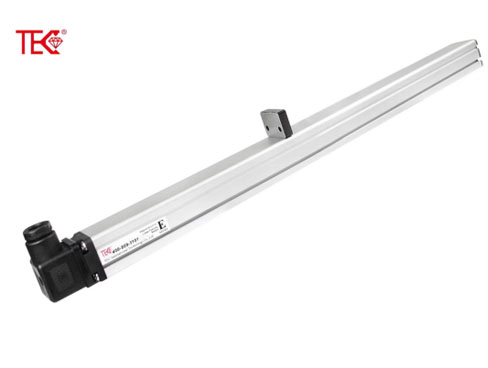
No output may mean a broken cable, reversed polarity, or internal circuit failure. Unstable readings often point to poor grounding, nearby motors, moisture, or a loose magnet. Drift can come from temperature changes, mechanical stress, or aging parts. A fixed offset may indicate wrong magnet distance or lost calibration.
To diagnose the fault, check supply voltage, polarity, and ground. Inspect connectors for corrosion, water, and loose pins. Use a multimeter or oscilloscope to test the output. Move the magnet slowly and watch for jumps, dropouts, or non-linear response. Compare readings with a known reference. If noise appears near drives, improve shielding and cable routing.
Clean contaminated sensors as instructed. Replace damaged magnets. Tighten mounts and keep the magnet within the rated stroke. Recalibrate if possible. If internal electronics fail, replacement is usually best.
Preventive maintenance reduces downtime. Choose the correct IP rating and temperature range. Good installation, grounding, and cable management lower fault frequency. Document symptoms and test results to find root causes. It is vital.
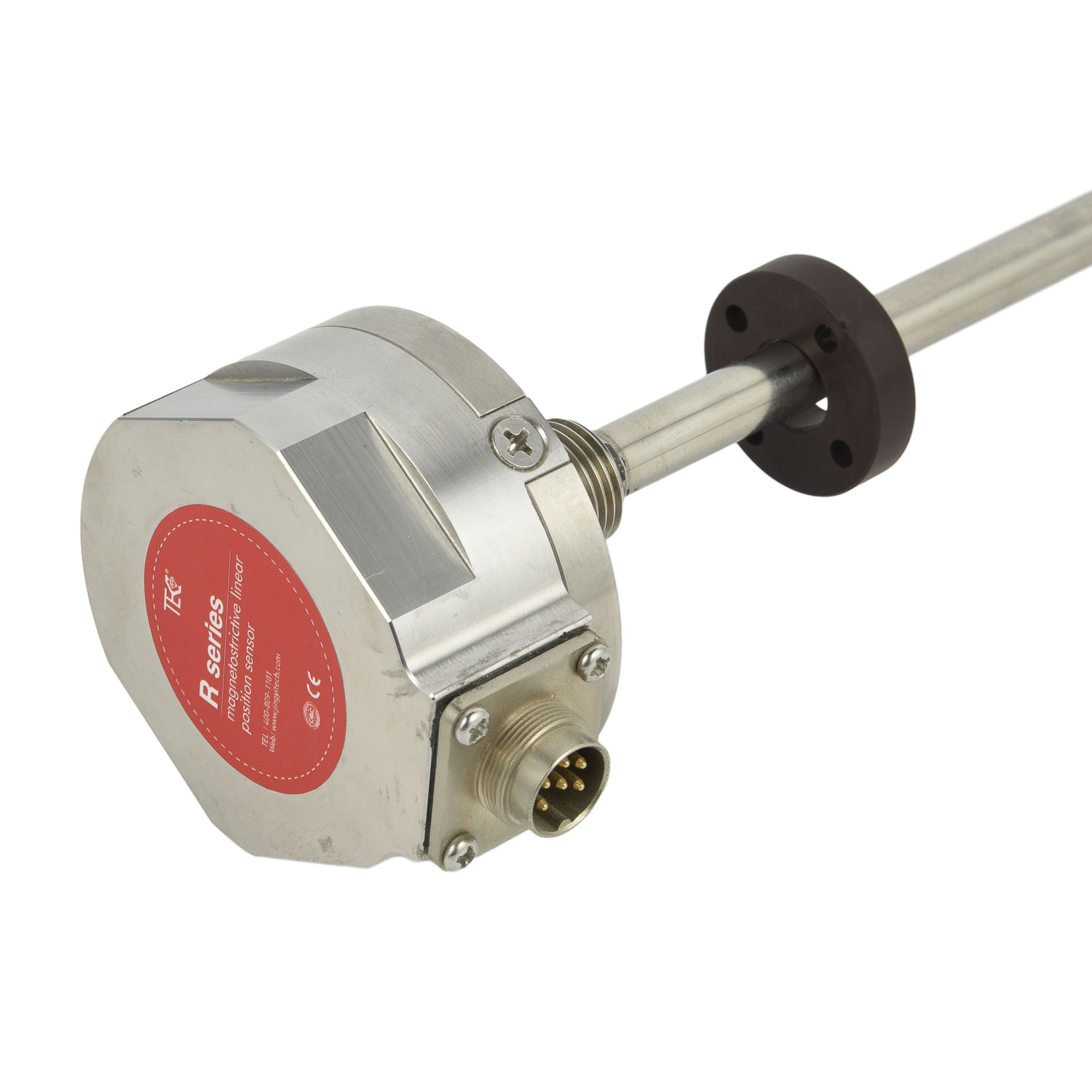 Magnetostrictive Level Gauge
Magnetostrictive Displacement
Magnetostrictive Level Gauge
Magnetostrictive Displacement
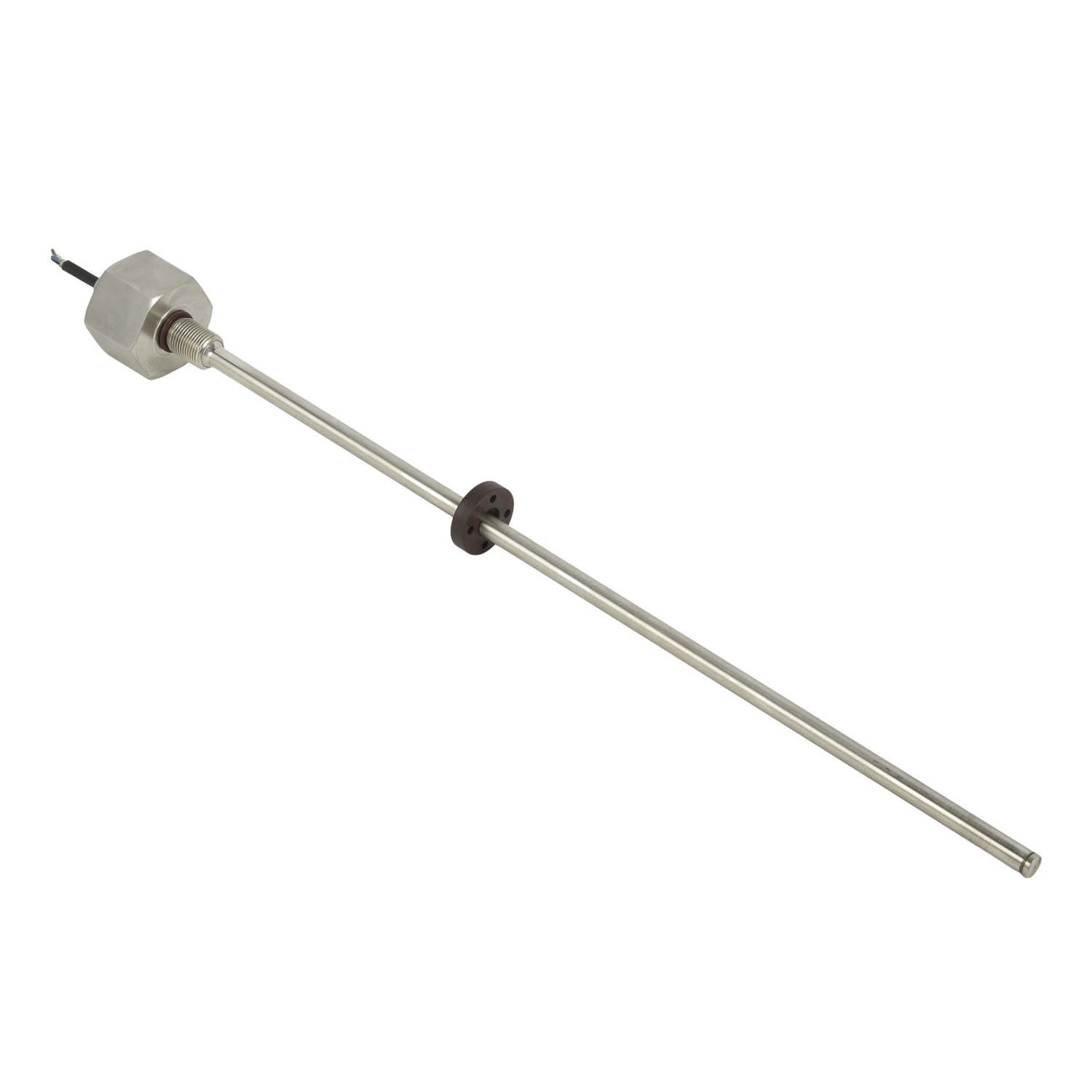 Field Application of Magnetost
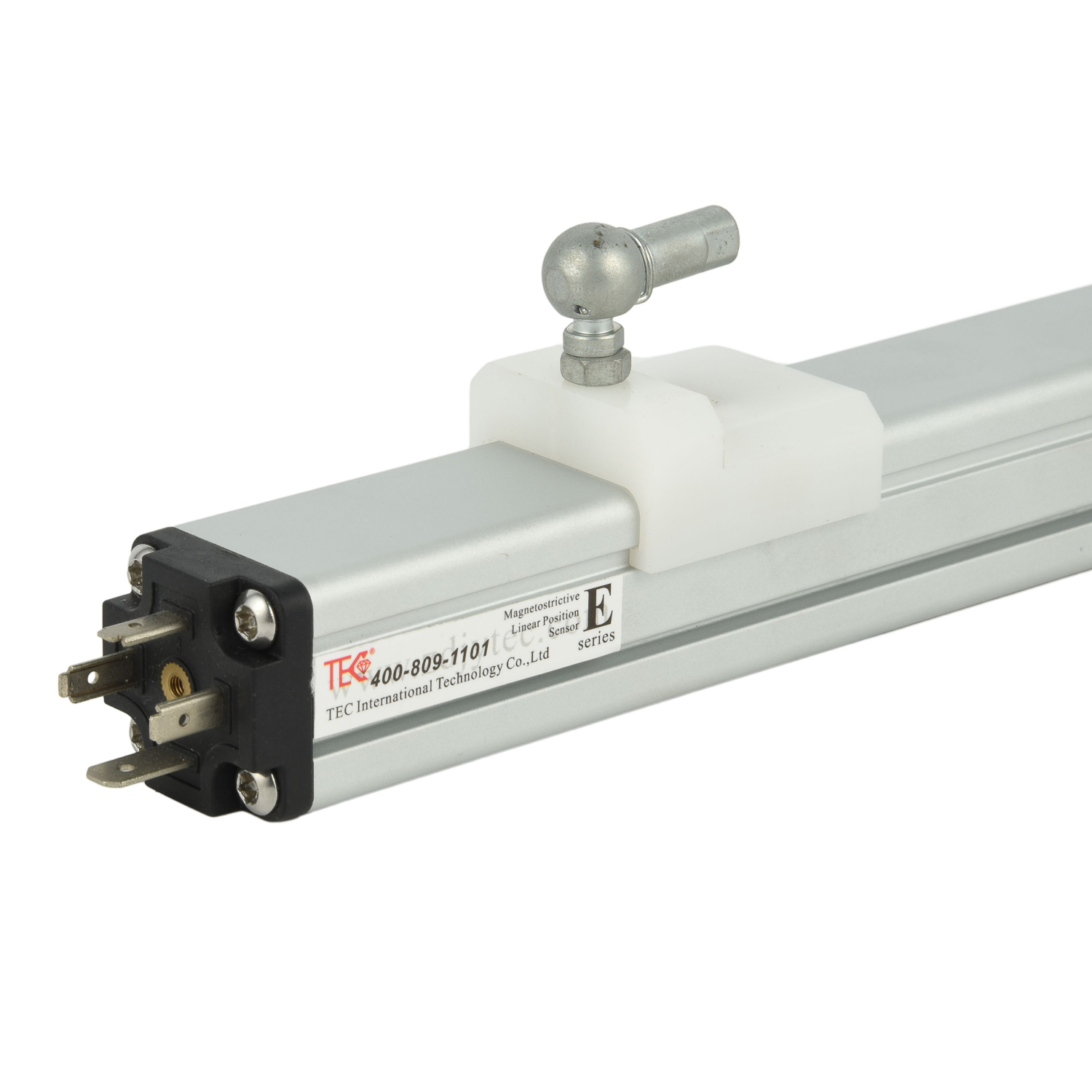 Model and Specification of Mag