
Magnetostrictive Level Gauge
A magnetostrictive level gauge measures liquid level and interface in industrial tanks. A sensing waveguide runs from the transmitter to the probe bottom. A float with permanent magnets moves with the liquid surface. The transmitter sends a current pulse down the waveguide. The pulse interacts with the float's magnetic field and creates a torsional strain wave. The gauge measures the travel time to calculate float position and provide an accurate level reading.
These gauges offer high accuracy, repeatability, and long-term stability. They have few moving parts, so wear is low and maintenance is simple. They handle high pressure, high temperature, and viscous or corrosive liquids when suitable materials are selected. Many models also measure the interface between two liquids, such as oil and water.
Typical applications include oil and gas, petrochemical, chemical, water treatment, food, and pharmaceutical industries. They monitor storage tanks, process vessels, and fuel systems. Common outputs include 4-20 mA, HART, RS485, and Modbus for PLC, DCS, and SCADA integration. Proper installation requires a vertical probe and a stilling well in turbulent tanks. The float must match liquid density and compatibility. Regular checks of float, wiring, and calibration help ensure reliable performance. With proper selection, they provide precise, reliable data for process control and inventory management. They are a strong choice for accurate tank gauging and safe operation in many industries.
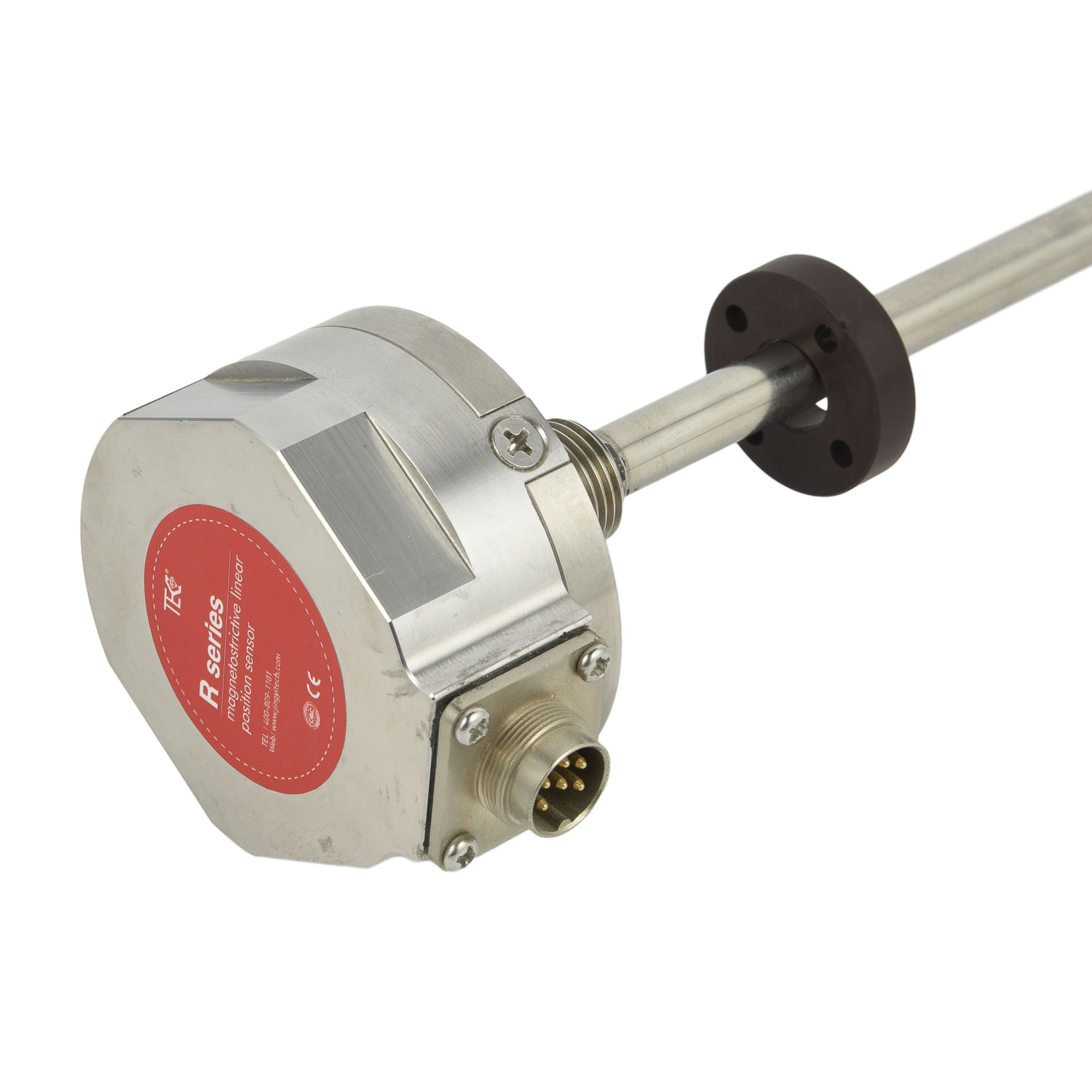
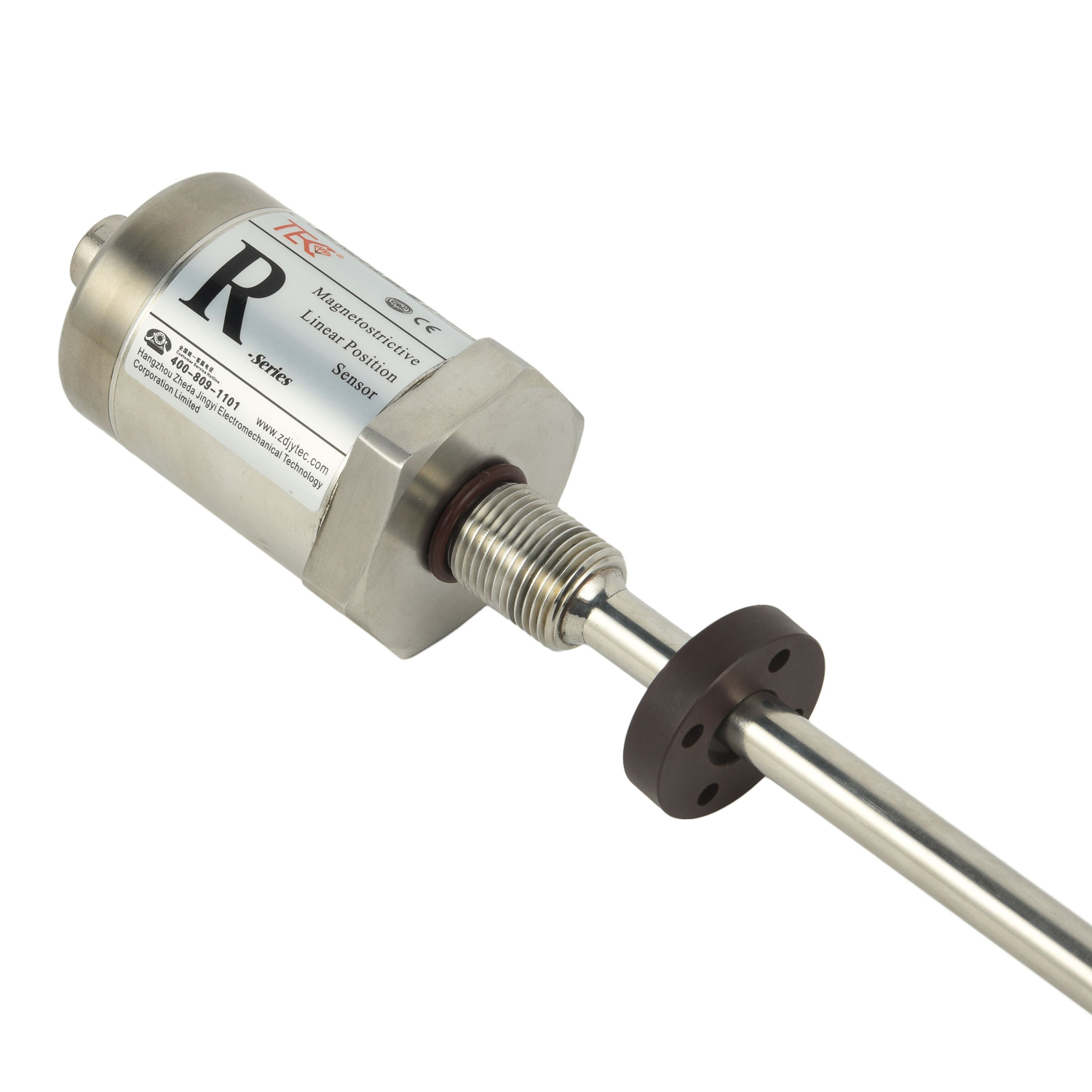 Explosion-proof Magnetostricti
Magnetostrictive Level Gauge
Explosion-proof Magnetostricti
Magnetostrictive Level Gauge
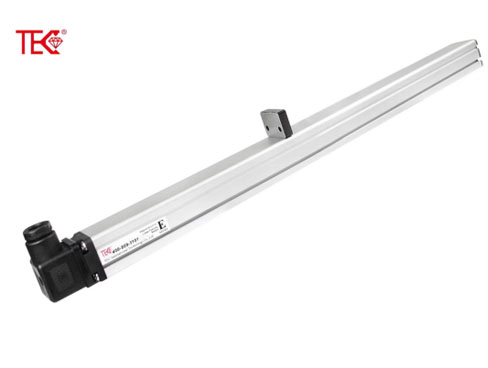 Magnetostrictive Displacement
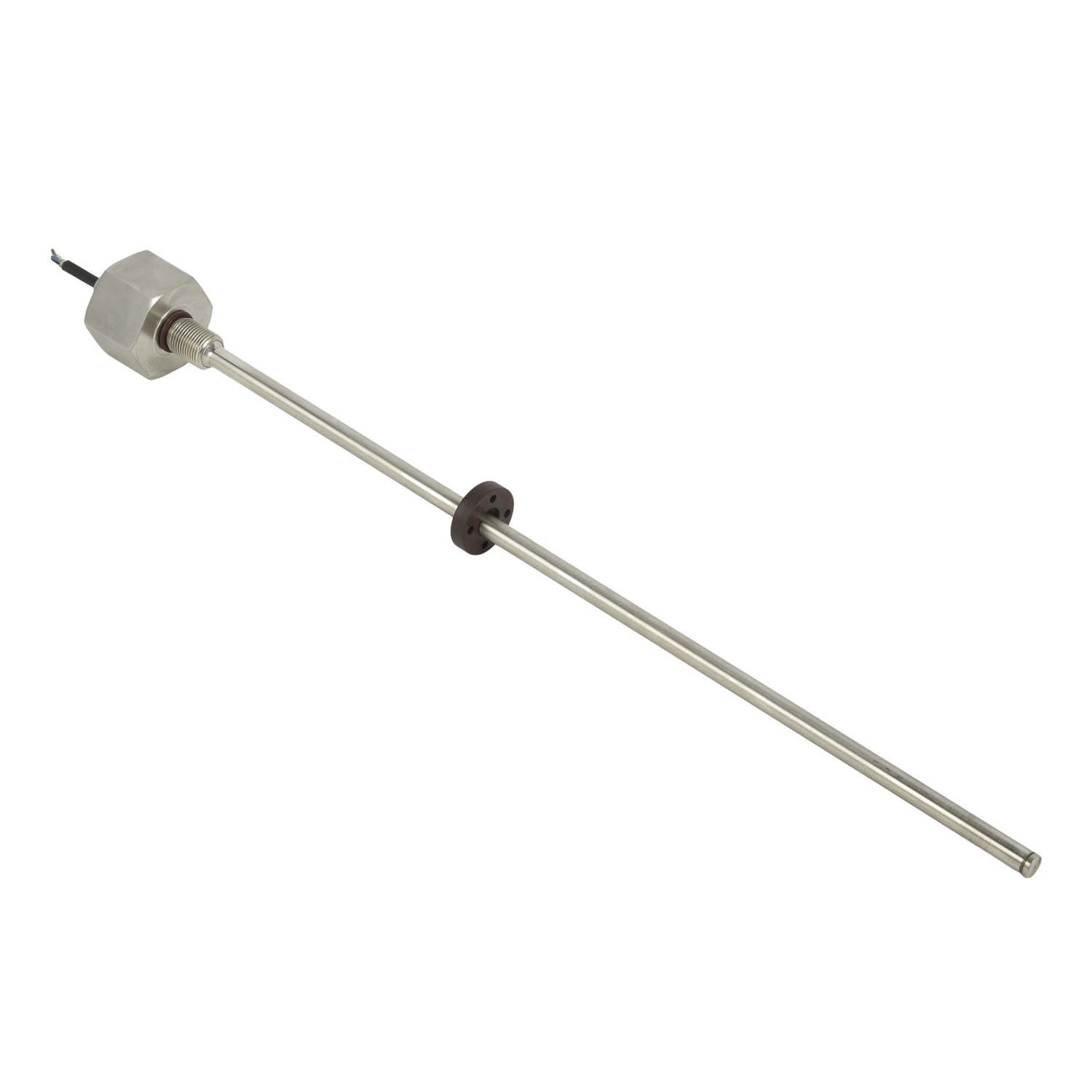 Field Application of Magnetost