
Corrosion-resistant Magnetostrictive Displacement Sensor
Corrosion-resistant magnetostrictive displacement sensors deliver precise, stable position measurement in harsh industrial environments. They combine magnetostrictive sensing with rugged sealing, anti-corrosion materials, and protective coatings for reliable operation in moisture, salt spray, chemicals, oil, and temperature changes.
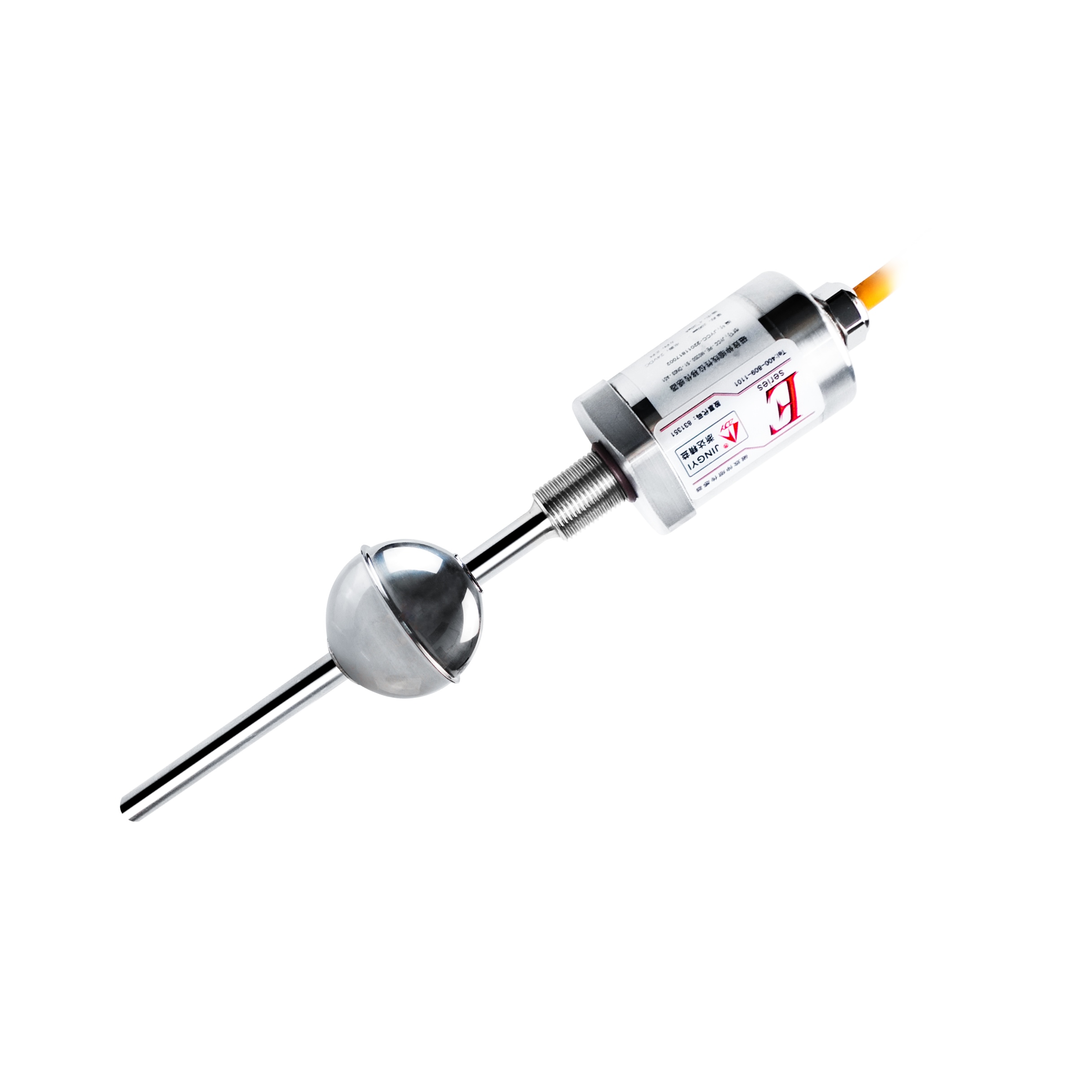
The sensor uses a waveguide and a movable magnet. A current pulse interacts with the magnet, creating a strain wave. The pulse return time is converted into absolute displacement. Because the magnet does not touch the sensing element, wear is minimal, ensuring long life and high repeatability.
Key features include stainless steel or PVDF housings, IP67/IP68 protection, chemical-resistant cables, and analog, SSI, CANopen, or Modbus outputs. Common ranges are 50 mm to 5000 mm, with resolution to 1 µm and linearity better than 0.05% FS.
Typical applications include hydraulic cylinders, offshore equipment, wastewater treatment, chemical processing, food machinery, wind turbines, and marine automation. Corrosion resistance prevents signal drift, electrical failure, and premature replacement.
When choosing a corrosion-resistant magnetostrictive displacement sensor, consider fluid exposure, pressure, temperature, mounting space, output type, and certifications. Proper installation, grounding, and cable protection improve performance. The right model provides accurate position feedback, lower maintenance costs, and reliable operation in harsh conditions.
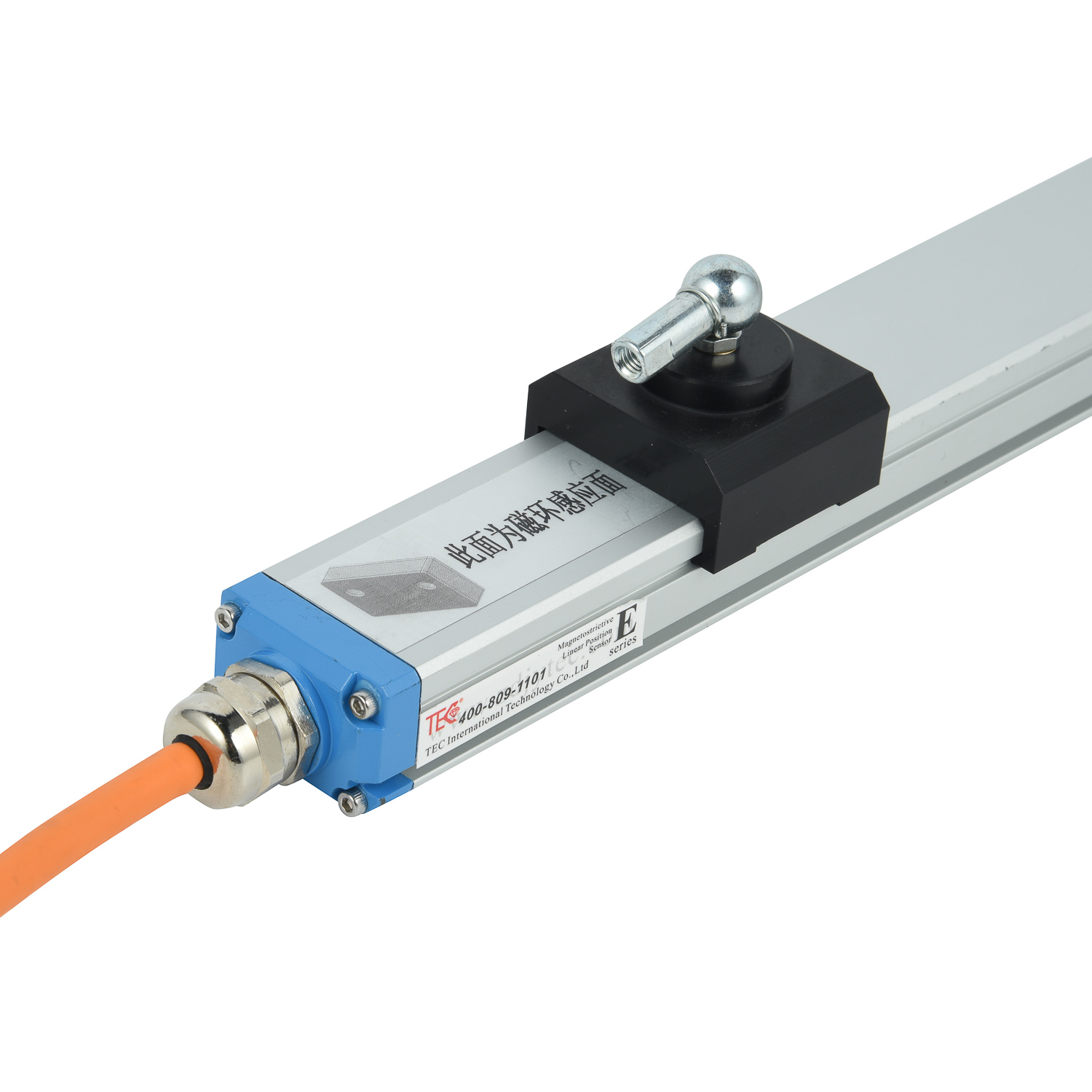
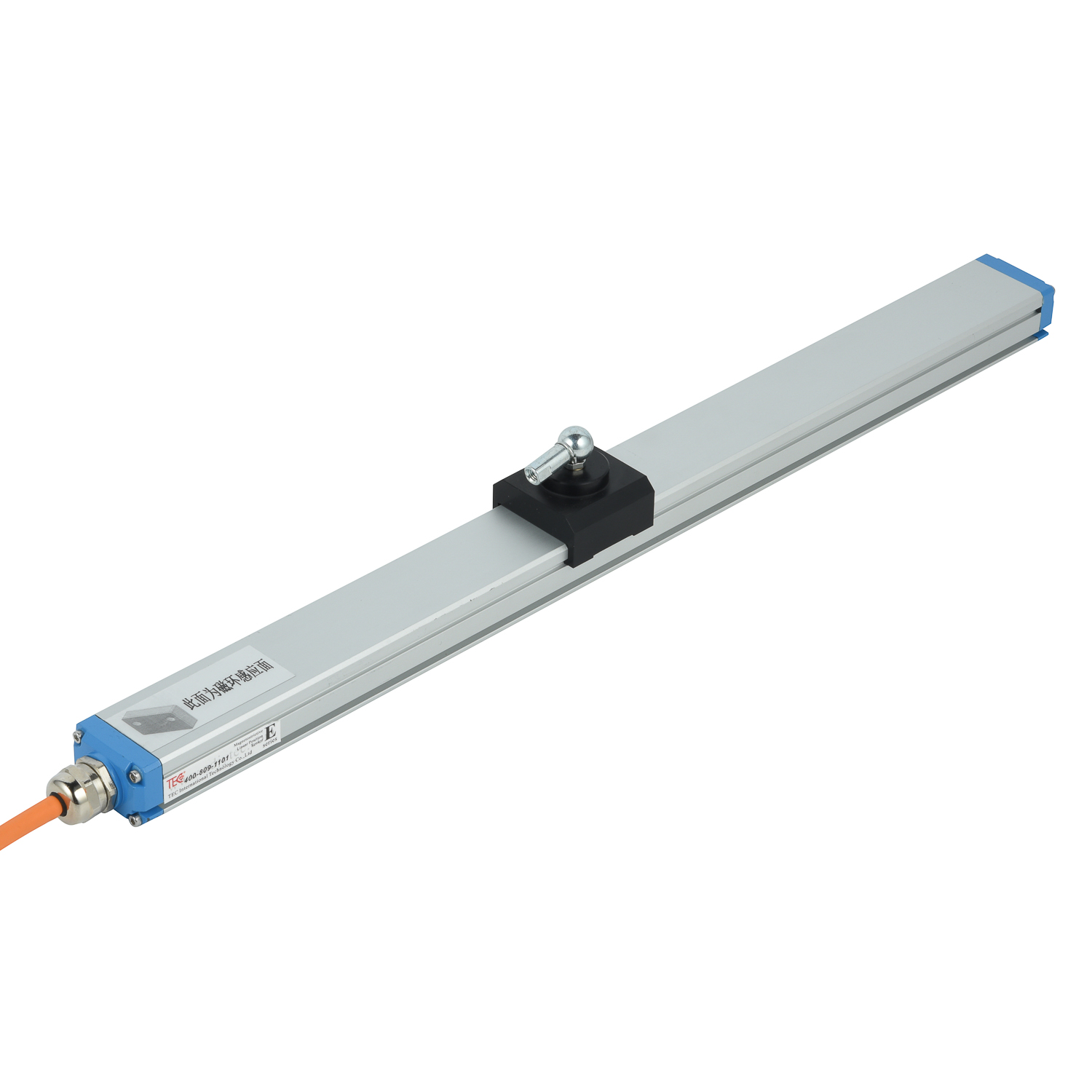 Magnetostrictive Displacement
Corrosion-resistant Magnetostr
Magnetostrictive Displacement
Corrosion-resistant Magnetostr
 Rod-type Magnetostrictive Disp
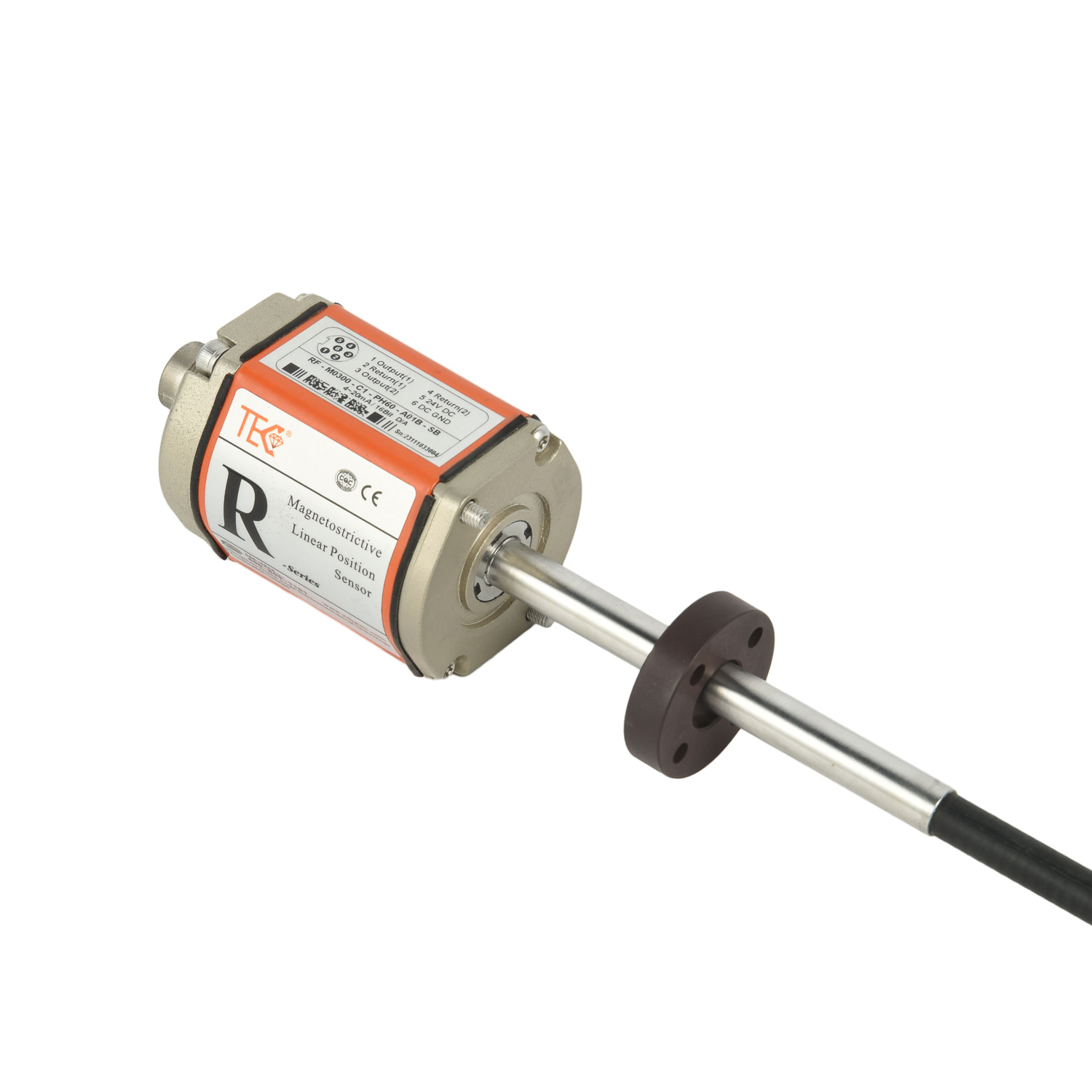 Flange-mounted Magnetostrictiv