
Turbine Flowmeter for Sewage Treatment
Turbine flowmeters are widely used in sewage treatment plants because they provide reliable flow data for wastewater collection, aeration, chemical dosing, and discharge control. A turbine flowmeter for sewage treatment measures flow by directing liquid through a rotor. The rotation speed is proportional to flow velocity, and the sensor converts this motion into pulses or digital signals. This design offers fast response, good repeatability, and simple integration with SCADA systems.
Sewage is not clean water. Solids, fibers, grease, and debris can affect accuracy and block the rotor. Therefore, selecting the right turbine flow meter requires careful attention to body material, bearing type, rotor design, and installation position. Stainless steel or corrosion-resistant housings are common, while removable rotors and upstream filters can reduce maintenance downtime. Proper straight pipe runs, full-pipe flow, and avoiding air pockets are also essential for stable wastewater flow measurement.
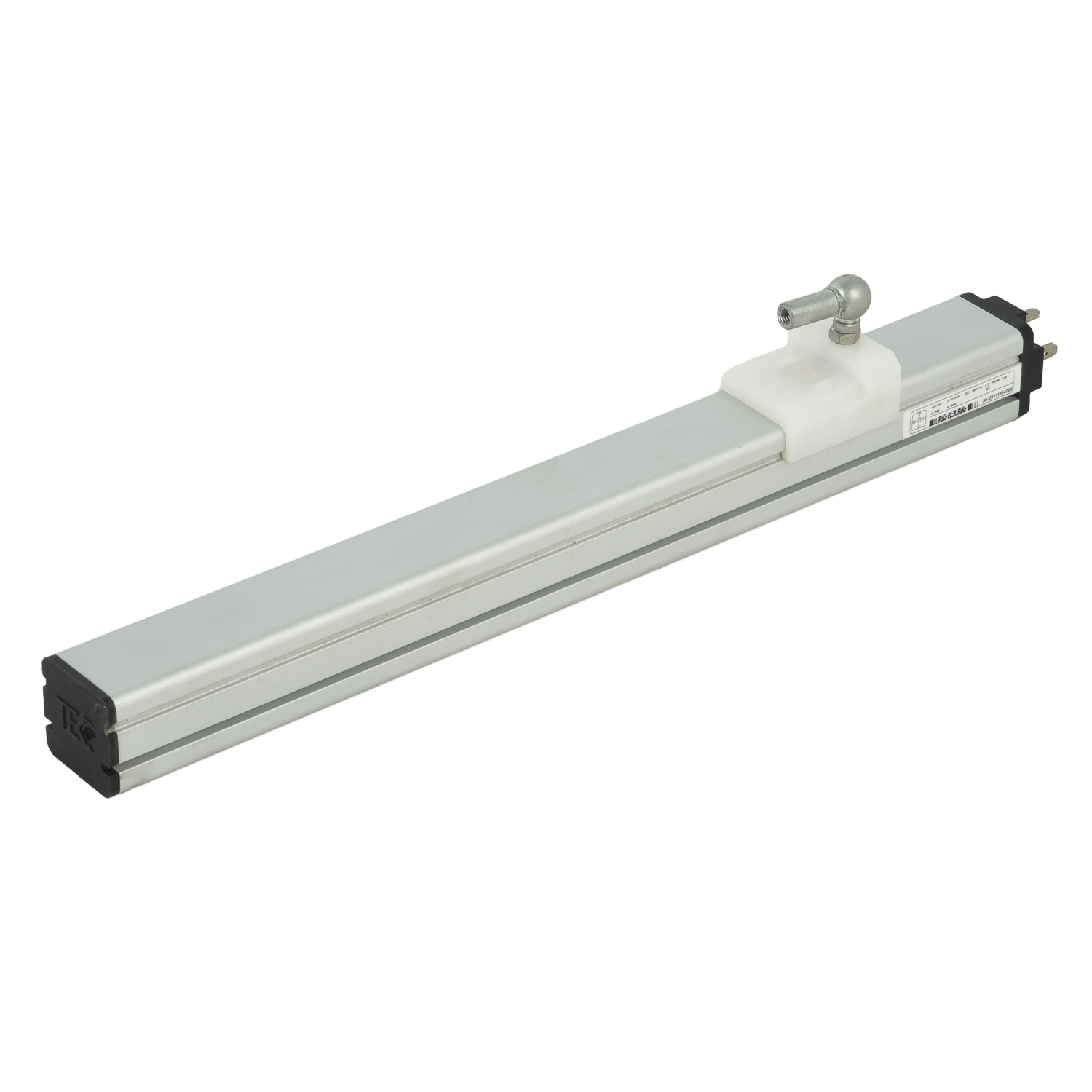
For wastewater treatment, turbine meters are often installed in bypass lines or on treated effluent where debris is lower. They support billing, process balancing, pump protection, and clear environmental reporting. Regular daily inspection, cleaning, and calibration keep sewage flow meter performance stable. Operators should monitor pressure loss and bearing wear. With correct sizing and maintenance, a turbine flowmeter can be a cost-effective solution for sewage treatment flow monitoring.
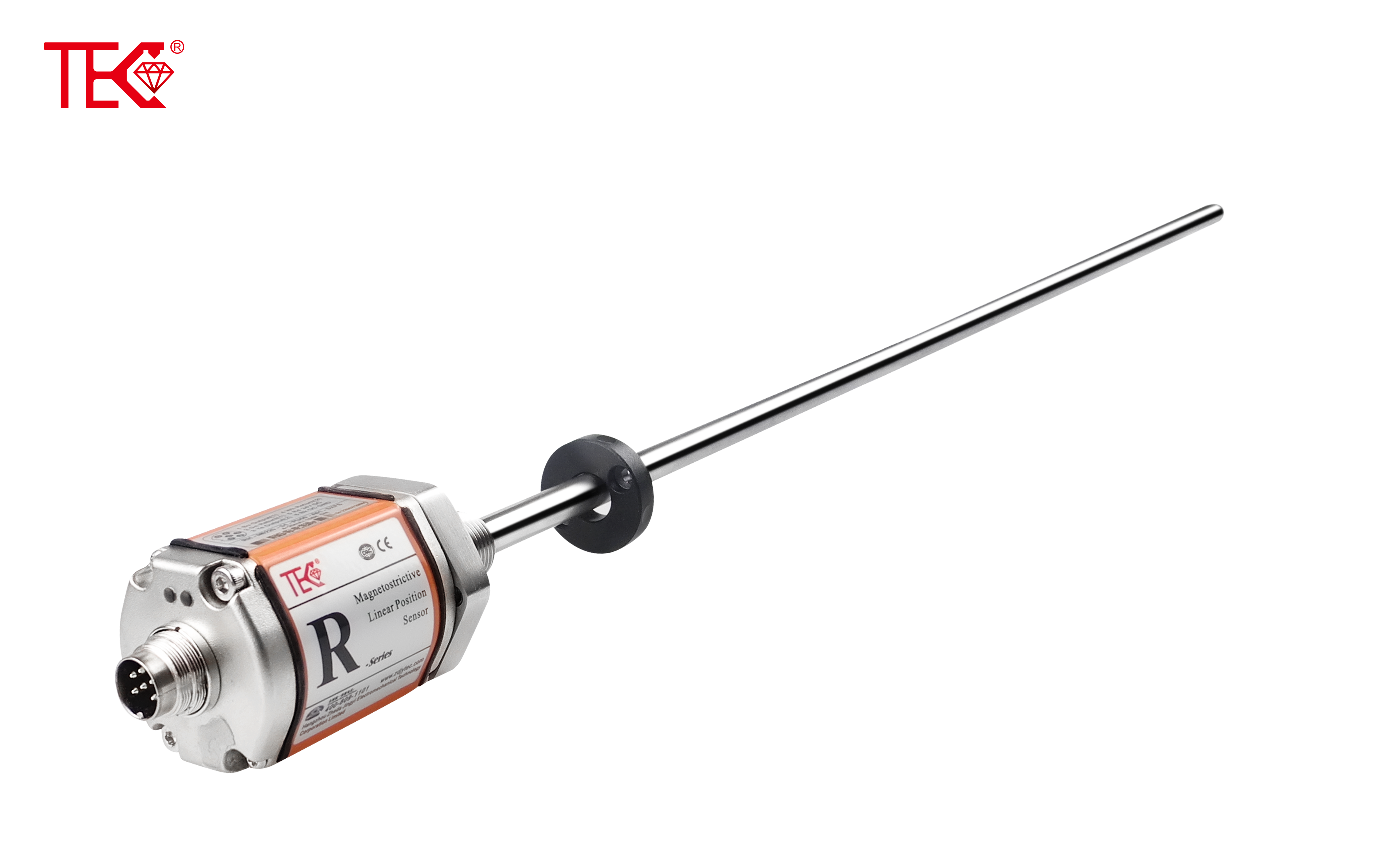 Turbine Flowmeter for Water Co
Turbine Flowmeter for Sewage T
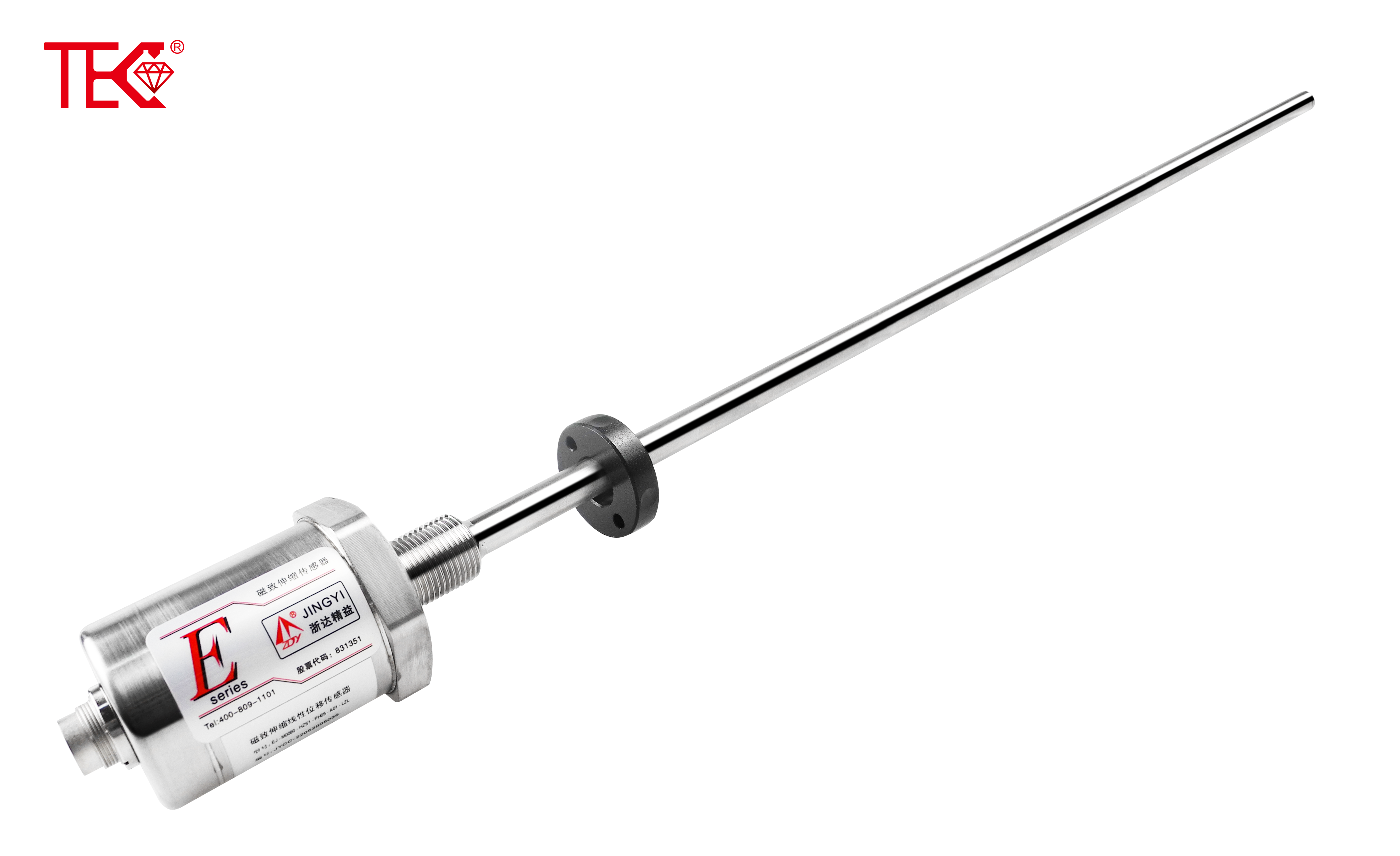 Turbine Flowmeter for Chemical
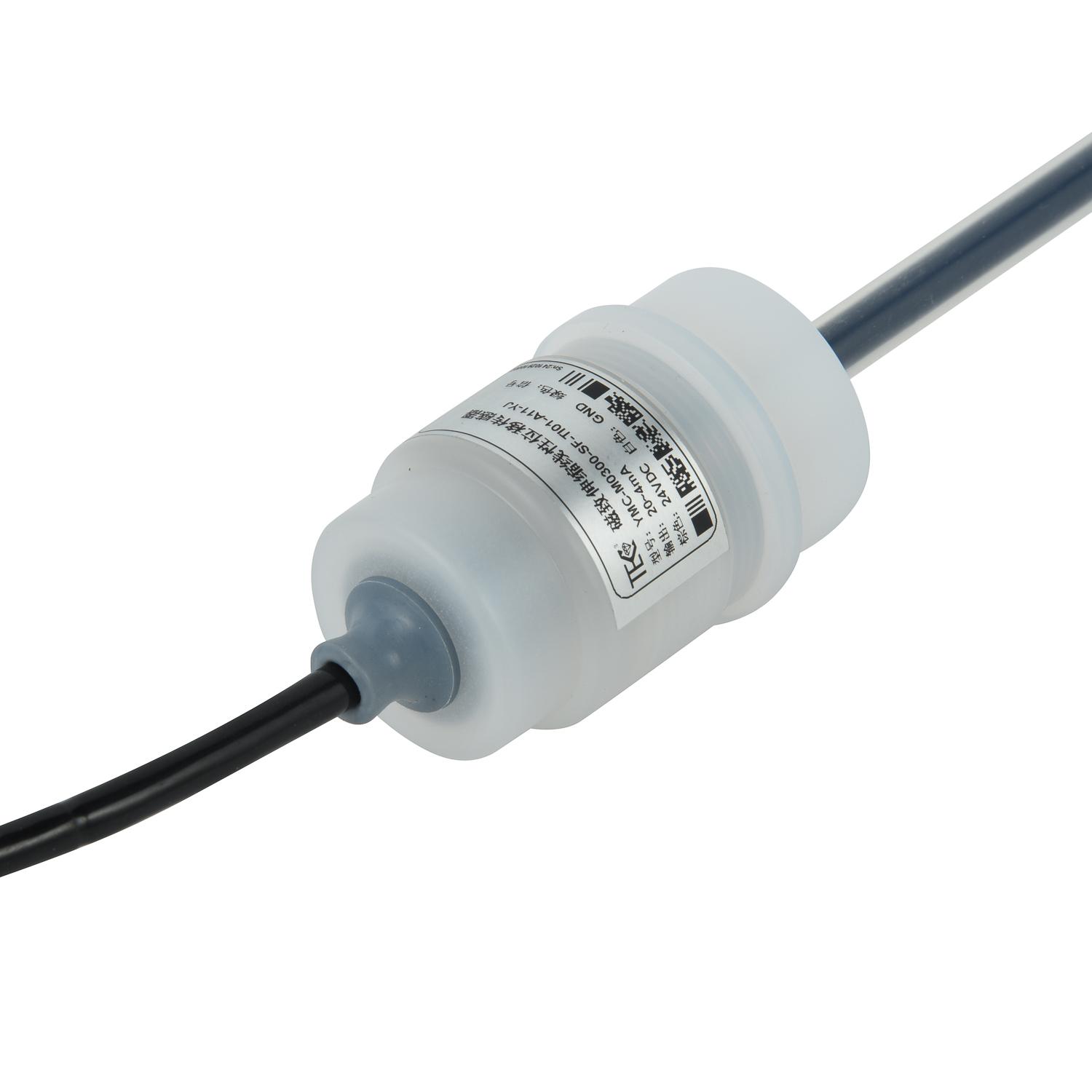 Turbine Flowmeter for Cement I