
InterfacingwiththeFuture:DigitalOutputsofModernMagnetostrictiveSensors
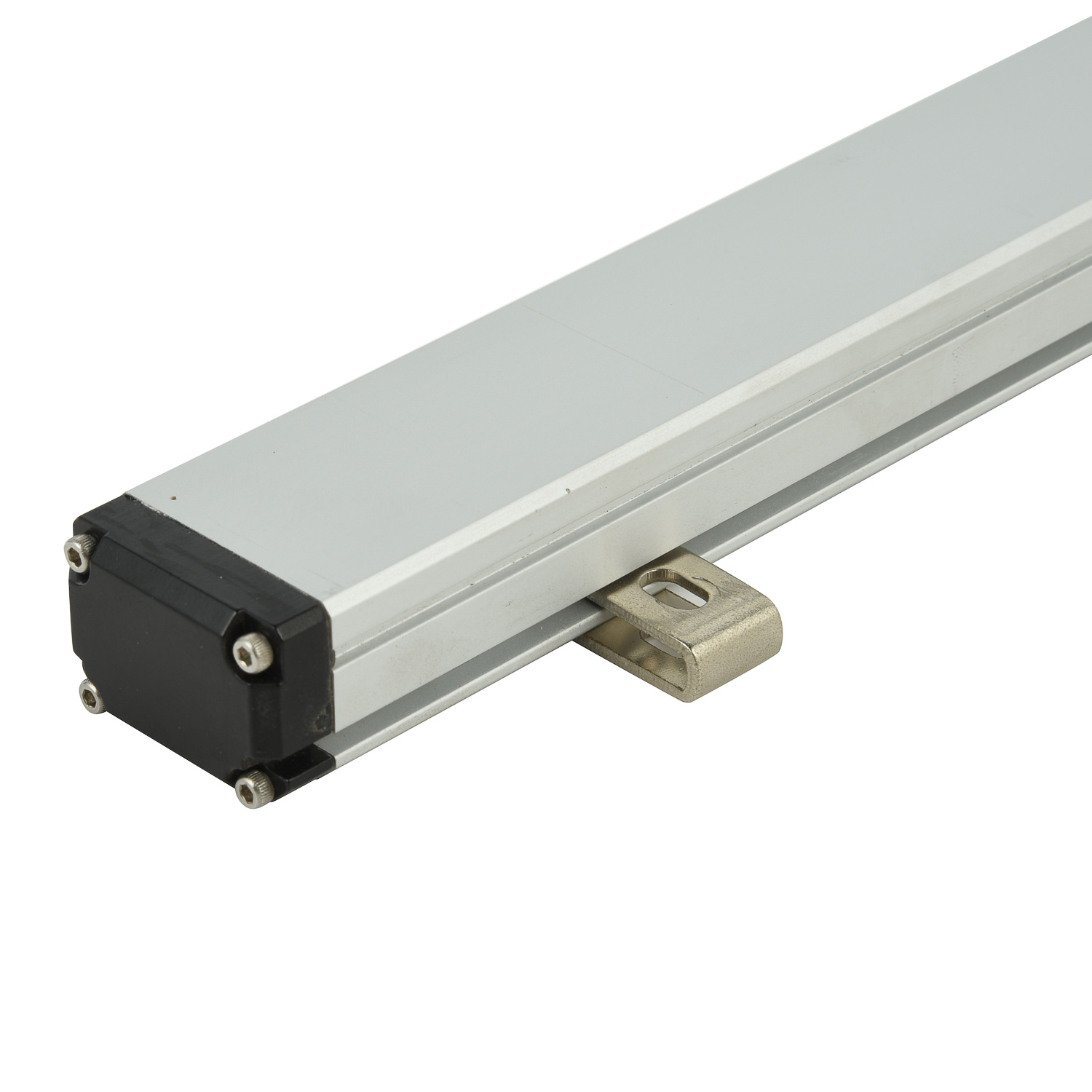
The landscape of industrial measurement is undergoing a profound transformation. At the heart of this shift are modern magnetostrictive sensors, evolving from simple analog devices into intelligent nodes within the Industrial Internet of Things (IIoT). Their core principle remains the precise measurement of position using magnetostrictive waves, but their output—now digital—unlocks unprecedented capabilities for connectivity, accuracy, and system integration.
From Analog Signals to Digital Intelligence
Gone are the days of interpreting delicate voltage or current signals susceptible to noise and degradation. Today's advanced magnetostrictive sensors convert the measured position data directly into robust digital formats at the source. This native digital output, often via protocols like IO-Link, SSI, or Profinet, provides noise-immune data transmission. It ensures the integrity of the measurement from the sensor head all the way to the controller, eliminating analog-to-digital conversion errors and enabling true plug-and-play interoperability within digital ecosystems.
Enabling Smarter Automation and Control Systems
The digital data stream from these sensors is a catalyst for intelligent automation. It provides controllers with not just a position value, but also rich diagnostic information, status updates, and parameter settings. This bidirectional communication allows for predictive maintenance, as sensors can report wear or environmental issues before they cause downtime. In complex hydraulic cylinder positioning or high-speed robotic applications, the real-time, precise digital feedback is critical for closed-loop control, enhancing both the speed and accuracy of automated processes.
The Backbone of Data-Driven Industrial Operations
Digital-output magnetostrictive sensors are fundamental data providers for Industry 4.0. Their continuous stream of precise positional data feeds into Supervisory Control and Data Acquisition (SCADA) systems, Manufacturing Execution Systems (MES), and cloud platforms. This facilitates real-time monitoring, trend analysis, and quality assurance. By transforming physical movement into actionable digital insights, they allow engineers to optimize machine performance, trace production batches, and build a comprehensive digital twin of their operational assets.
Overcoming Traditional Limitations with Enhanced Features
The integration of digital electronics directly into the sensor overcomes historical limitations. Features like automatic linearization, temperature compensation, and custom scaling are handled internally, delivering consistently accurate readings regardless of environmental fluctuations. Multi-point sensing along a single waveguide becomes more practical, and the need for external signal conditioners is often eliminated. This results in a simpler, more reliable, and more feature-rich sensing solution that reduces total system cost and complexity.
Paving the Way for Next-Generation Applications
As we look forward, the role of digital magnetostrictive sensors will only expand. Their inherent precision and robust digital interface make them ideal for emerging fields like collaborative robotics, advanced renewable energy systems (e.g., pitch control in wind turbines), and smart infrastructure monitoring. Their ability to seamlessly interface with AI and machine learning algorithms will unlock predictive analytics and autonomous decision-making, truly interfacing with a more efficient, connected, and intelligent industrial future.
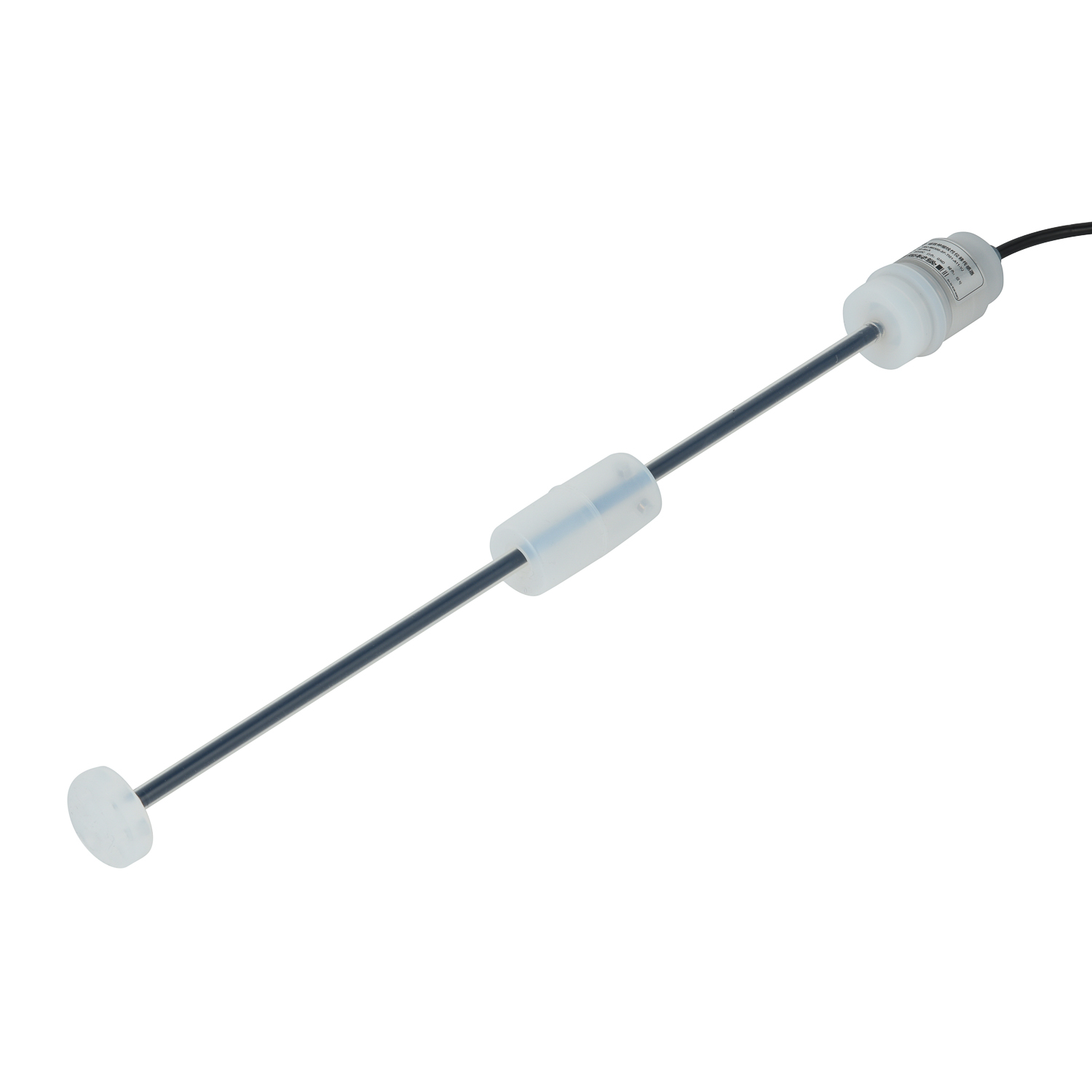 Graybus Cable Fault
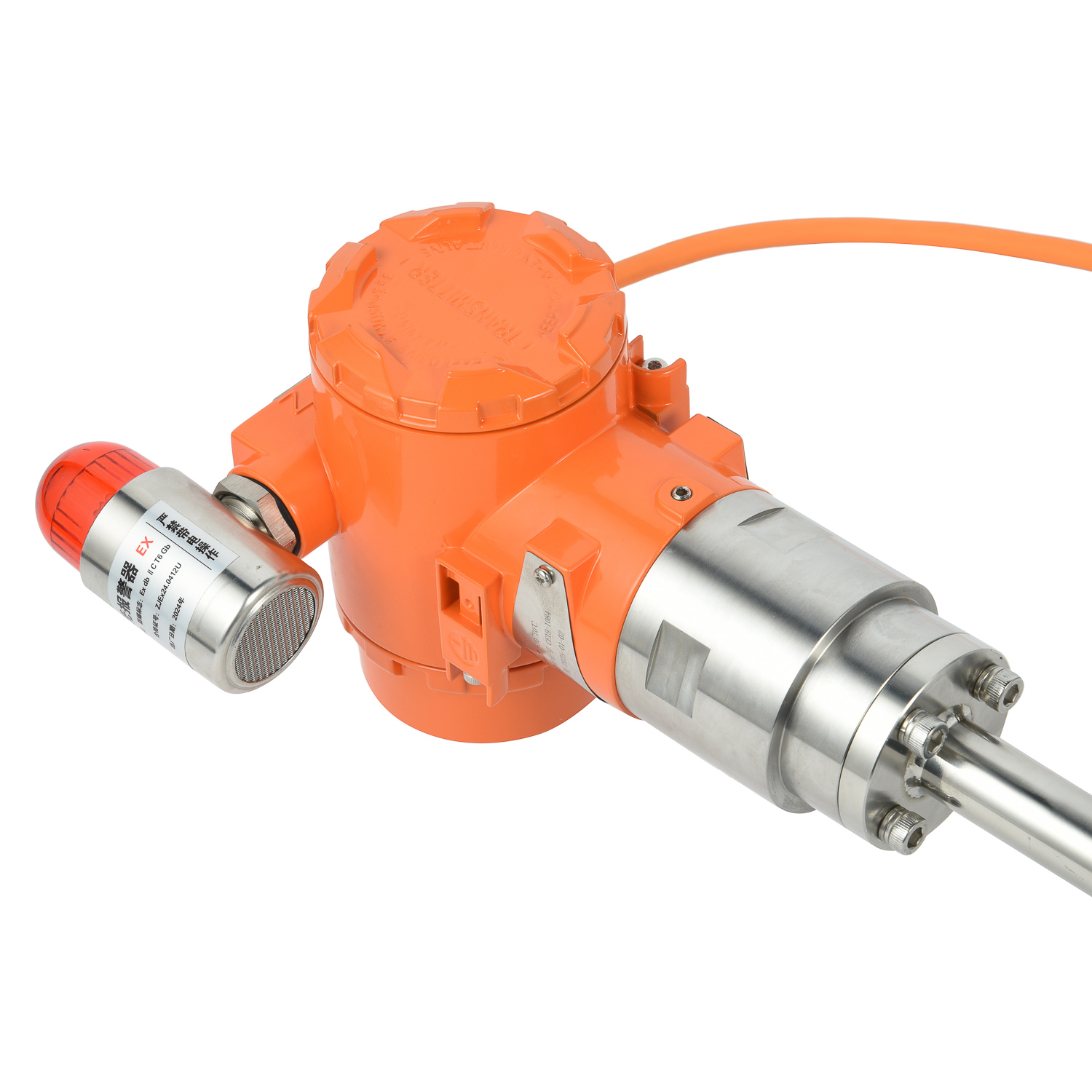 Field Application of Graybus C
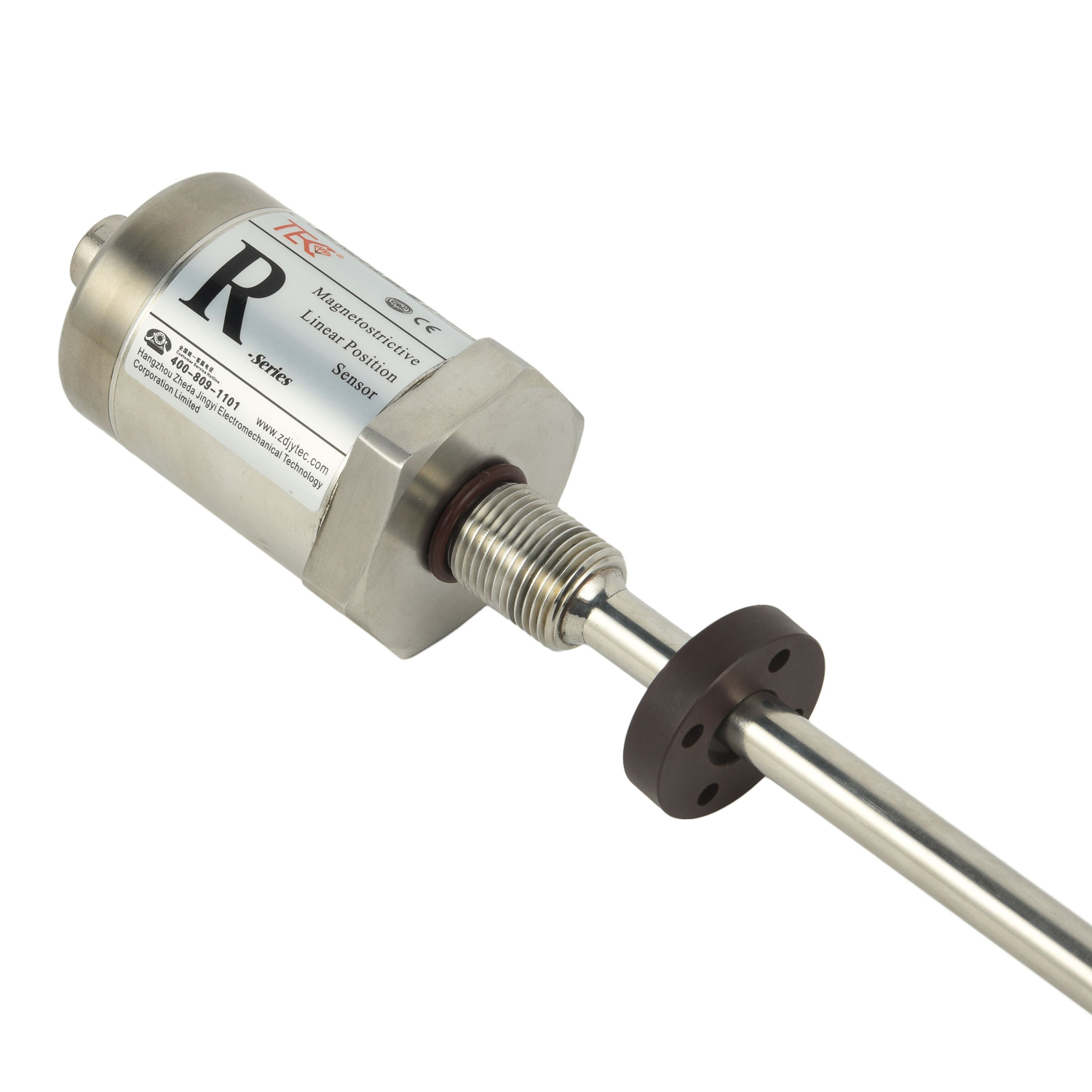 Model and Specification of Gra
 Import Substitute Graybus Cabl