
FromConcepttoComponent:TheManufacturingofaMagnetostrictiveSensor
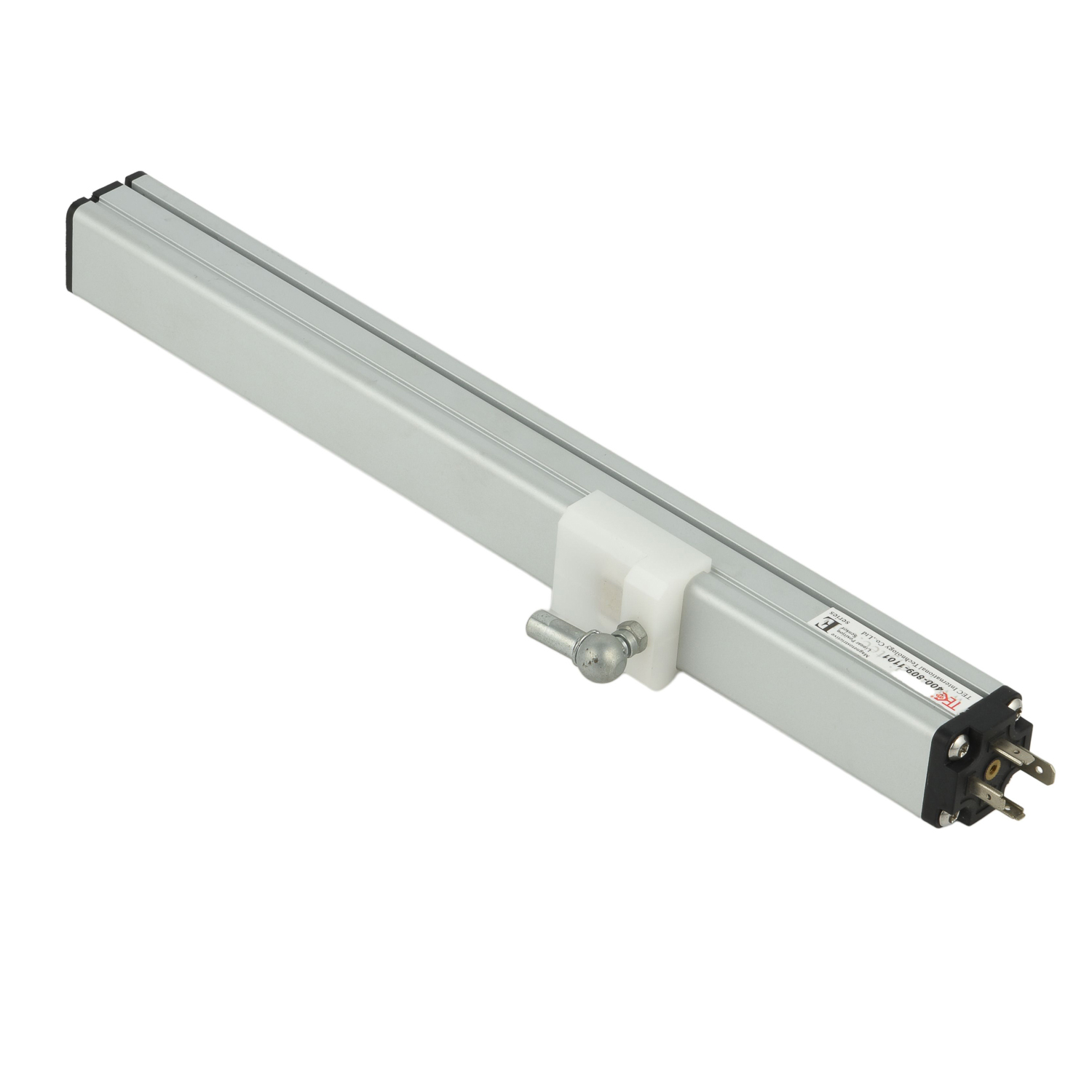
The journey of a magnetostrictive sensor from a theoretical concept to a reliable, high-precision component is a fascinating fusion of physics, materials science, and advanced engineering. This process transforms the magnetostrictive principle—where certain materials change shape in a magnetic field—into a robust tool for non-contact position sensing in demanding industrial environments. The manufacturing pathway is meticulously structured to ensure accuracy, durability, and consistent performance.
Core Principles and Initial Design Phase
The entire manufacturing process is rooted in the magnetostrictive effect. Engineers begin with sophisticated computer-aided design (CAD) software, modeling the sensor's waveguide, damping elements, and electronic circuitry. This phase involves precise electromagnetic simulations to predict performance, select optimal materials like ferromagnetic alloys for the waveguide, and define critical tolerances. The design must account for the target application's stroke length, resolution requirements, environmental factors, and output signal type.
Precision Fabrication of the Waveguide
At the heart of the sensor lies the waveguide, a thin, carefully engineered wire or tube. Manufacturing starts with drawing a specialized nickel-iron alloy to an exact diameter, ensuring consistent material properties. This waveguide is then stress-relieved and often coated for corrosion protection. The next critical step is the precise winding of a sensing coil along the waveguide's length. This coil is wound with micrometer precision, as its consistency directly impacts the sensor's ability to detect the torsional strain wave generated by the magnetostrictive interaction.
Assembly of the Position Magnet and Damping
Concurrently, the position magnet is manufactured. This is typically a permanent magnet ring or block with a specific field strength, housed in a protective casing. A crucial yet often overlooked component is the damping element, located at the waveguide's end opposite the electronics. This damper, often made from specialized polymers or rubber compounds, is meticulously fitted to absorb the torsional wave after measurement, preventing reflections that could cause signal interference and ensuring clean, single-pulse detection.
Electronic Interrogation Unit Integration
The "brain" of the sensor is its electronic interrogation unit. This printed circuit board (PCB) is populated with surface-mount components, including a current pulse generator, a sensitive pickup circuit, timing circuitry, and a signal conditioner. The generated current pulse travels down the waveguide, and the returning strain wave induces a voltage in the coil. The electronics precisely measure the time delay between the sent pulse and the received signal, converting it into a highly accurate digital or analog position reading.
Final Housing, Calibration, and Quality Assurance
All subcomponents are integrated into a rugged housing, typically stainless steel or anodized aluminum, providing IP67 or higher protection. The waveguide is precisely aligned and sealed. Each sensor then undergoes rigorous calibration using laser interferometers or precision stages to establish a linear relationship between position and output. Final quality assurance tests verify accuracy, repeatability, temperature stability, and shock/vibration resistance, ensuring the component meets stringent specifications before it is deployed in applications from hydraulic cylinders to factory automation.
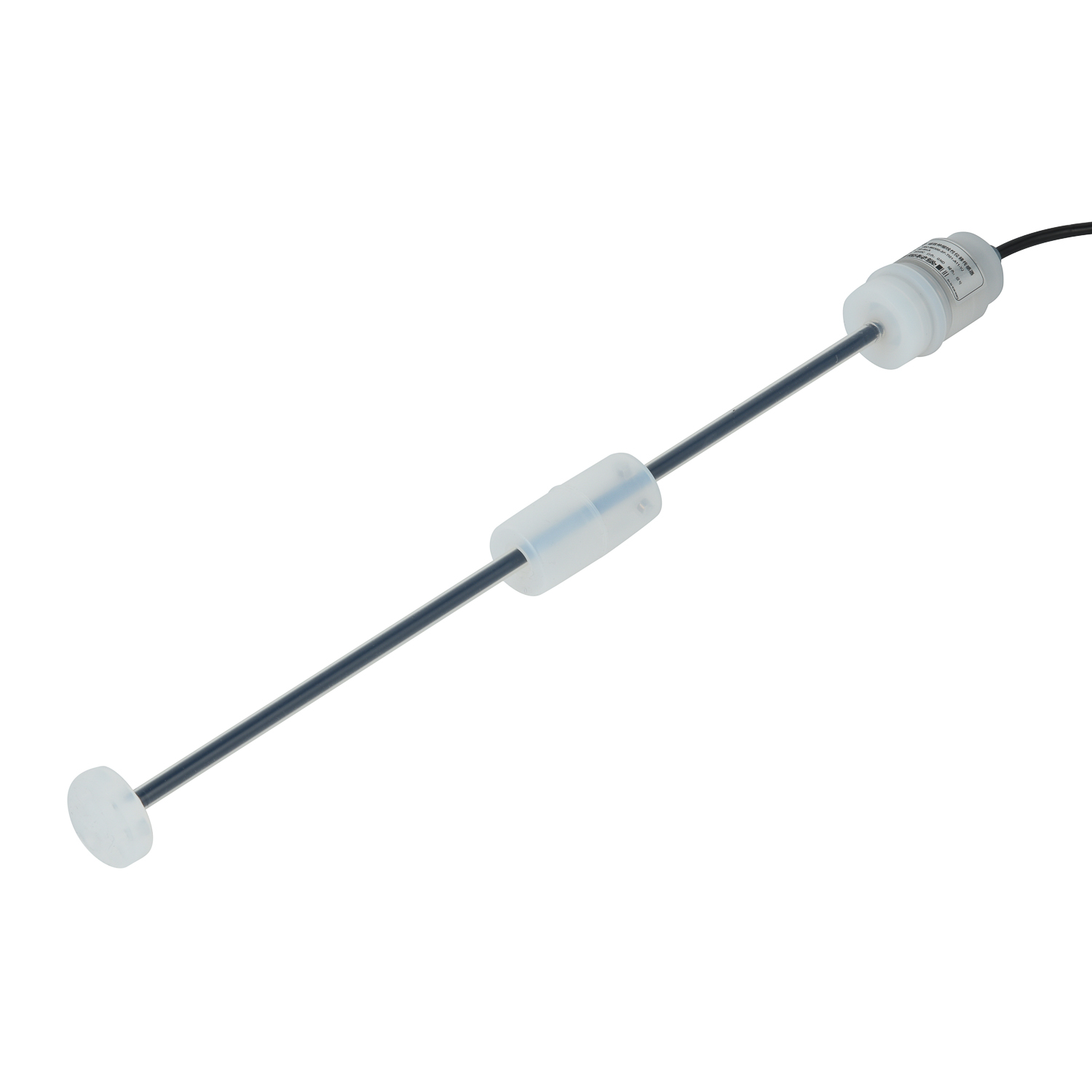 Graybus Cable Fault
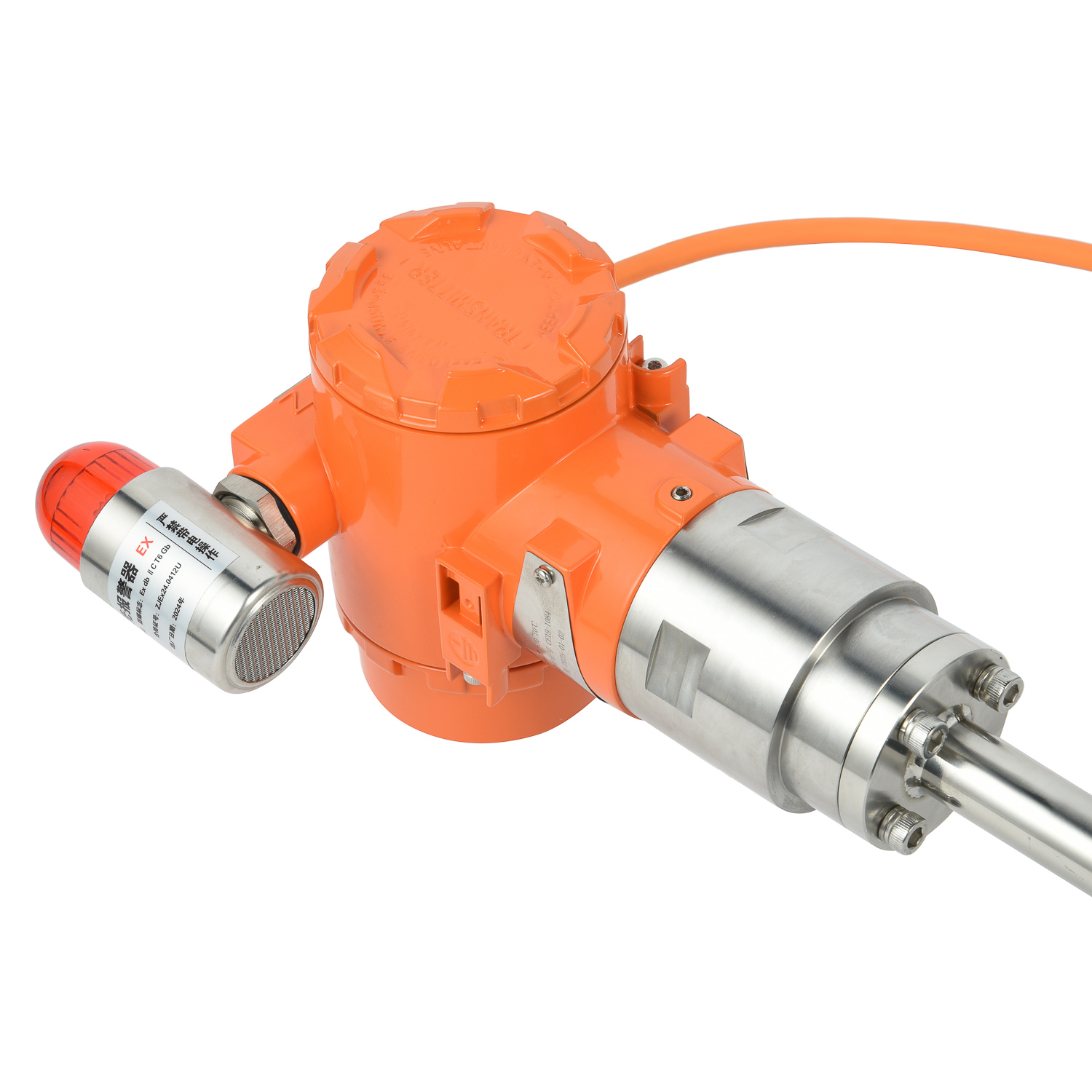 Field Application of Graybus C
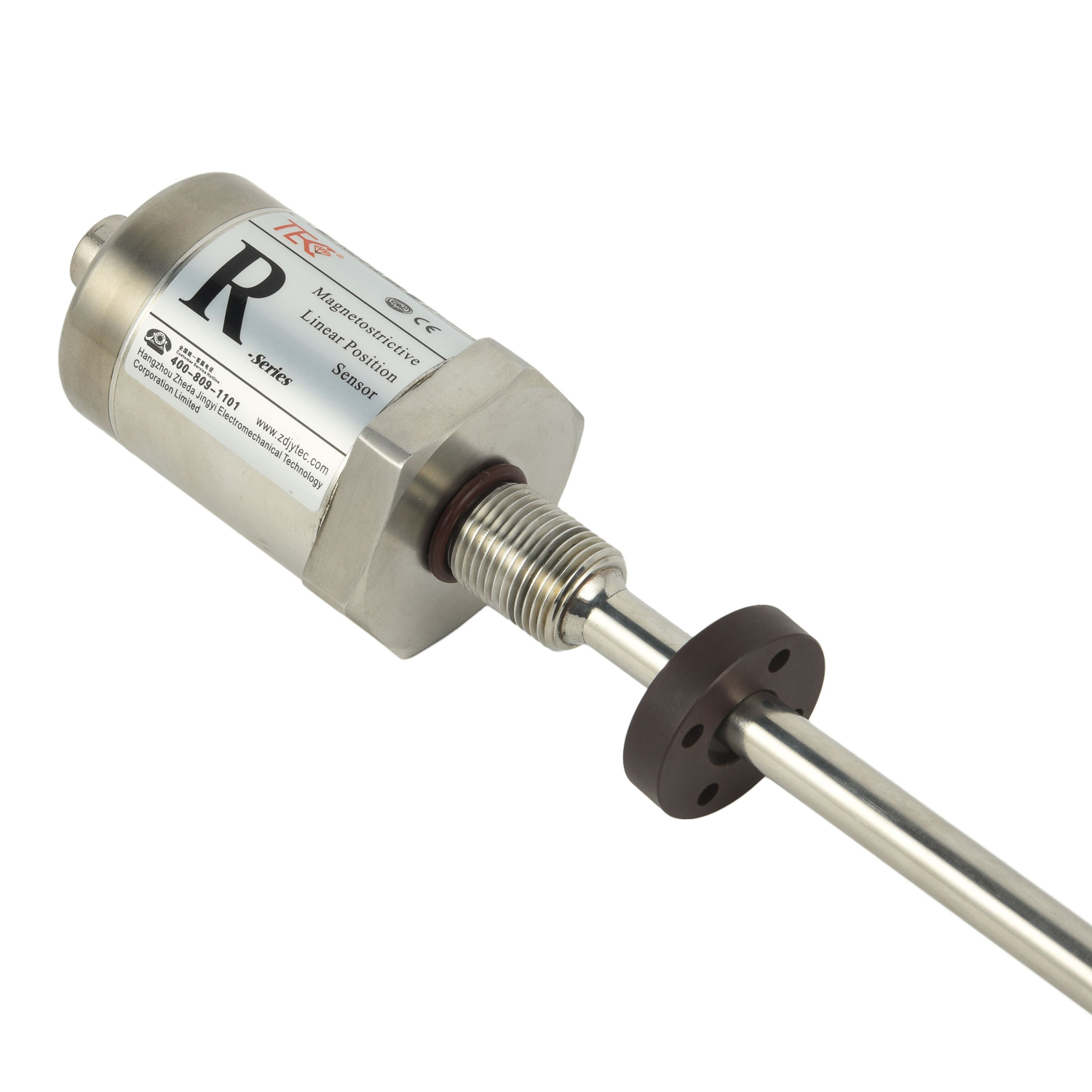 Model and Specification of Gra
 Import Substitute Graybus Cabl