
TheCalibrationConundrum:SimplifyingSetupforMagnetostrictiveSystems
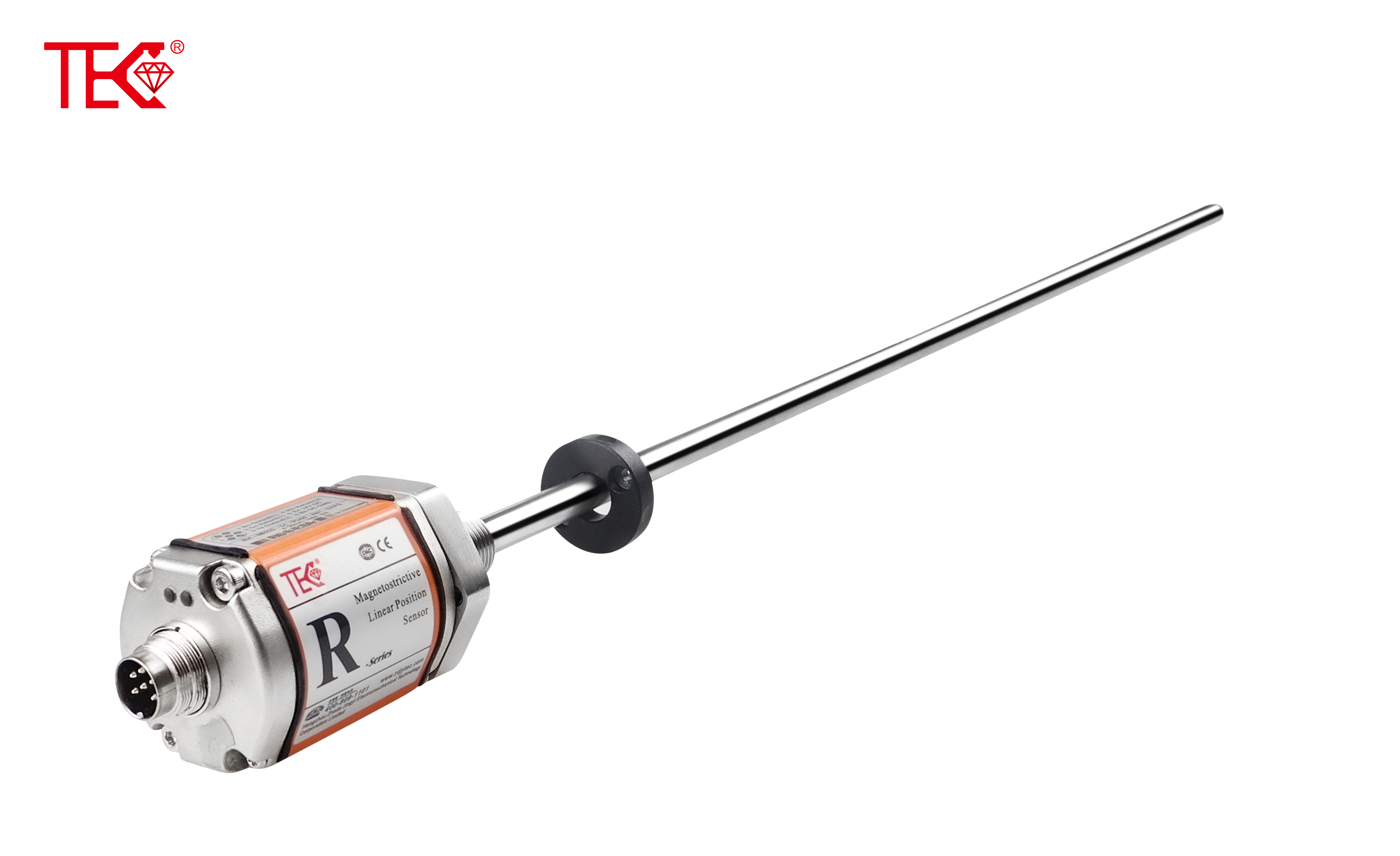
Achieving peak performance in industrial automation hinges on precision. Magnetostrictive position sensors are renowned for their high accuracy and reliability in harsh environments. However, their initial setup and calibration process is often perceived as a complex conundrum, deterring optimal utilization. This guide demystifies the procedure, transforming a daunting task into a streamlined, manageable workflow.
Understanding the Magnetostrictive Principle
At its core, a magnetostrictive sensor measures position using a torsional stress wave. A current pulse sent down a waveguide wire interacts with a magnetic field from a moving position magnet. The resulting interaction is detected and precisely timed to calculate the magnet's absolute position. Grasping this fundamental physics is the first step toward intuitive calibration, as it clarifies what the system is actually measuring and why certain steps are non-negotiable for integrity.
Pre-Installation: Laying the Groundwork for Success
The calibration journey begins before power is connected. Ensure the sensor body is correctly mounted and aligned according to manufacturer specifications. Verify the electrical connections for the power supply and output signals, checking for proper shielding to prevent noise interference. Crucially, define the mechanical stroke length and establish the exact zero and full-scale reference points on the machine itself. Documenting these parameters beforehand prevents confusion during the electronic setup phase.
Navigating the Digital Interface and Initial Parameterization
Modern magnetostrictive sensors feature digital interfaces or programming modules. Power the system and access this menu. Here, you will input the mechanical stroke limits you previously defined. Set the desired output type (e.g., analog voltage, current, or digital bus format). This step essentially maps the physical travel range to the sensor's electronic output signal. A clear, well-lit workspace and the manufacturer's manual are indispensable companions during this phase.
Executing the Calibration Routine and Validation
With parameters set, initiate the automated calibration routine. This typically involves commanding the actuator to move the position magnet smoothly through its entire stroke. The sensor's internal electronics learn and memorize the signal characteristics across the range. Do not interrupt this process. Post-calibration, the most critical step is validation: move the magnet to known physical benchmarks and confirm the readout matches precisely. Record these validation points to create a performance baseline.
Troubleshooting Common Calibration Pitfalls
Even with careful planning, issues may arise. Erratic readings often point to electrical noise; re-check grounding and cable routing. Consistent offset errors suggest incorrect zero-point referencing. Non-linear output may indicate improper sensor alignment or damage to the waveguide. Methodically isolating the variable—mechanical, electrical, or software—is key to rapid resolution. Never use software trimming to compensate for a fundamental mechanical fault.
Optimizing for Long-Term Stability and Accuracy
Calibration is not a one-time event. Implement a periodic verification schedule based on operational criticality and environmental stress. Monitor for drift. Maintain stable operating temperatures and protect the sensor from physical shock and contamination. By integrating these calibration and maintenance principles into your standard procedures, you unlock the full potential of magnetostrictive technology, ensuring long-term system accuracy, reducing downtime, and enhancing overall productivity. The conundrum is solved through methodical practice.
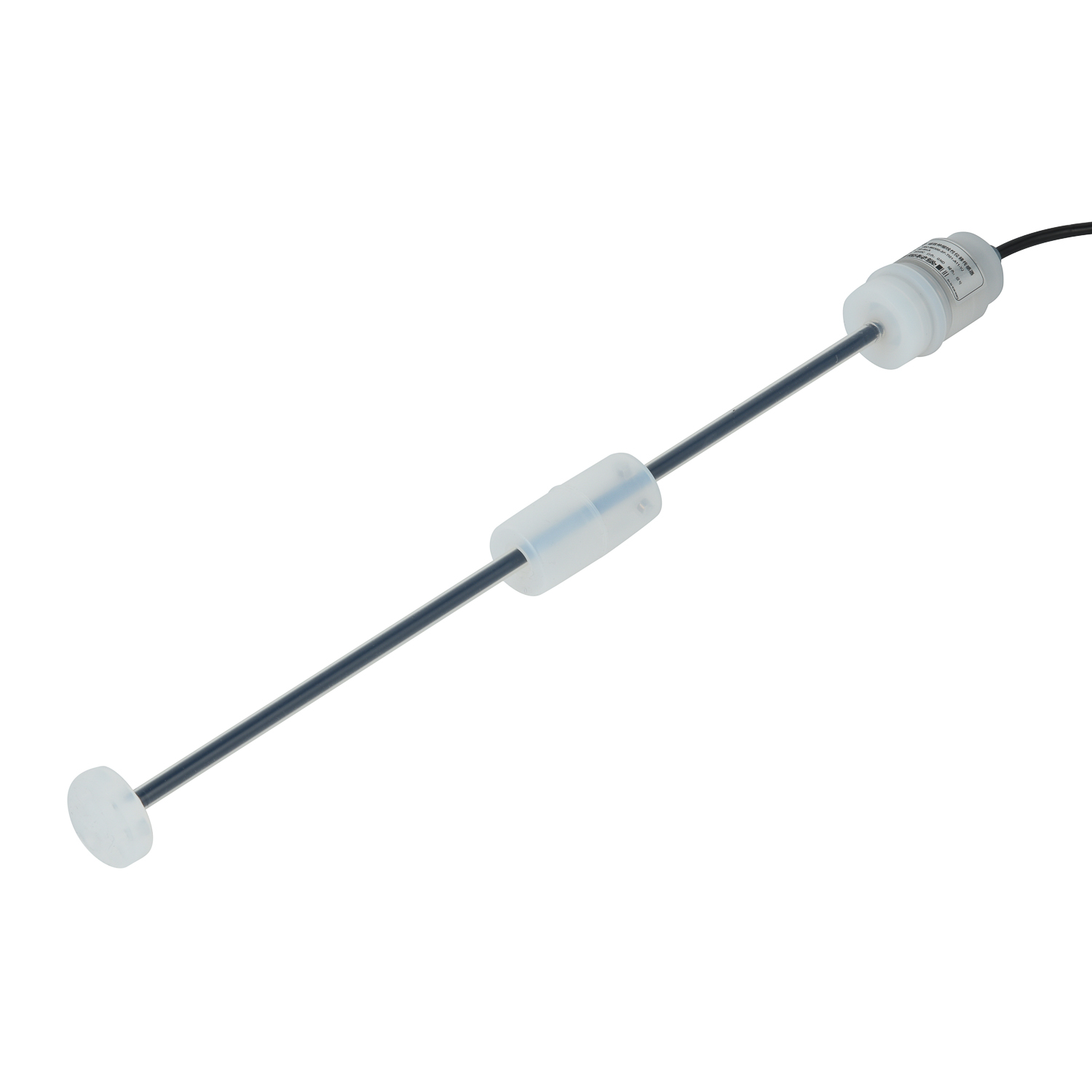 Graybus Cable Fault
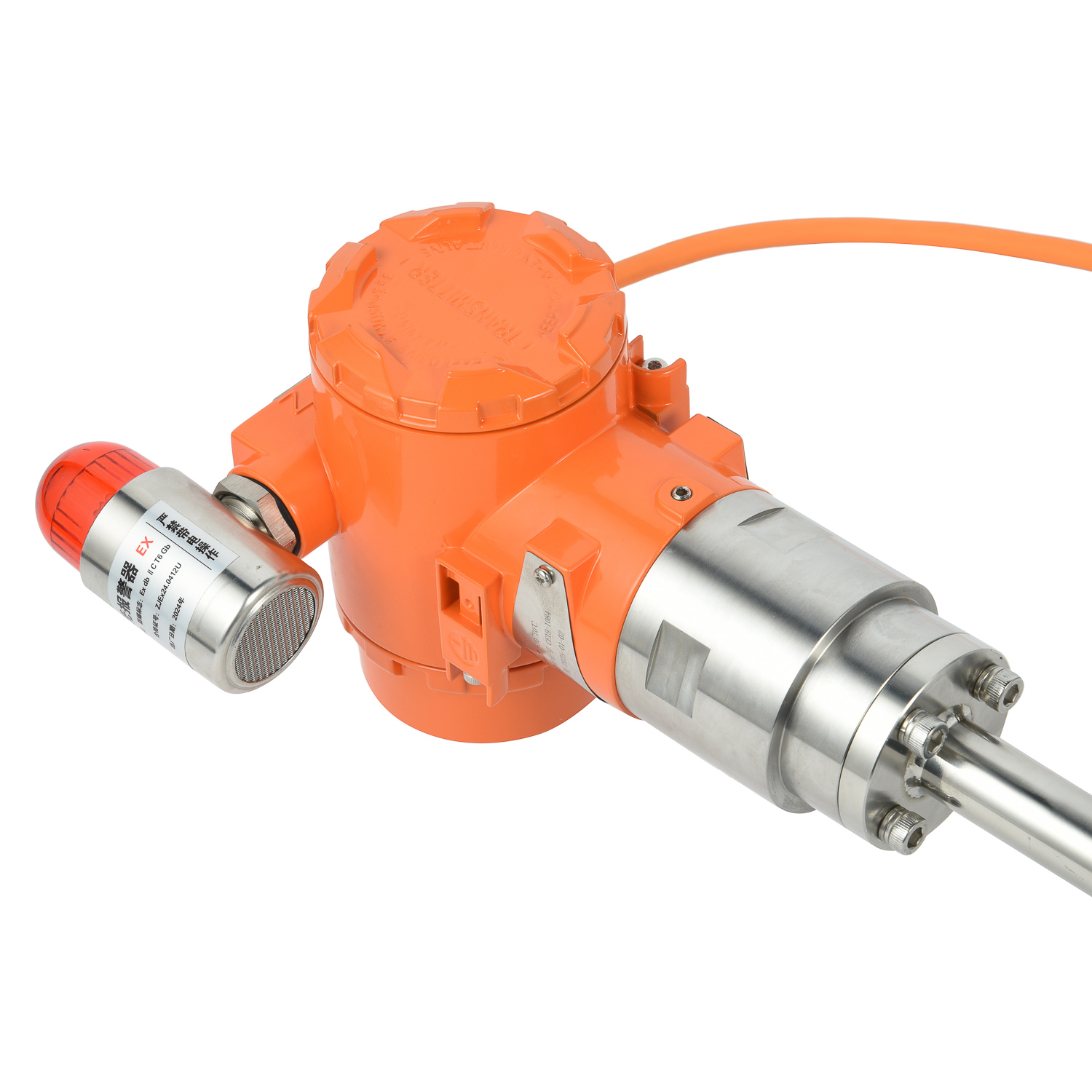 Field Application of Graybus C
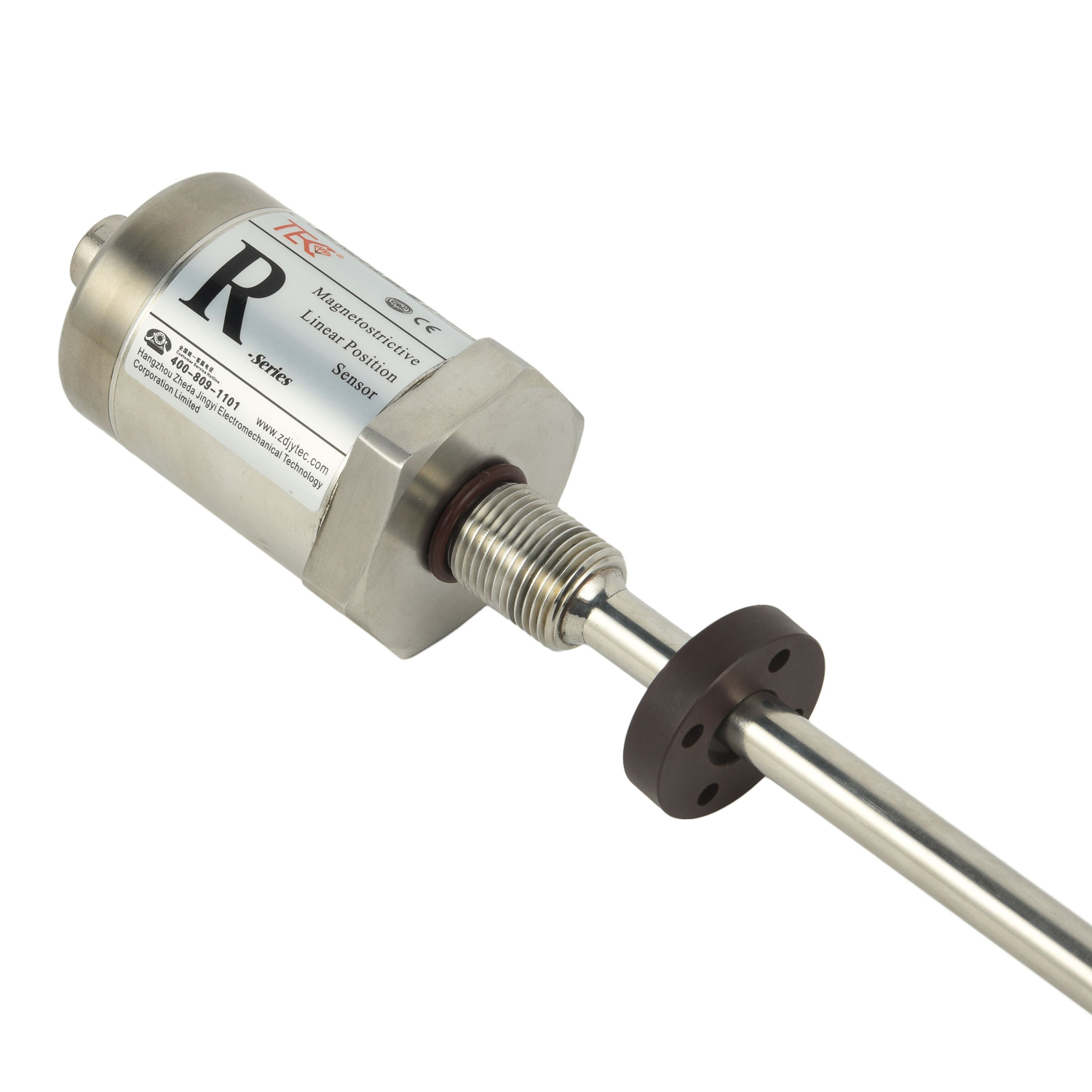 Model and Specification of Gra
 Import Substitute Graybus Cabl