
MaximizingMachineLifespanwithPredictiveMaintenanceviaMagnetostrictiveSensors
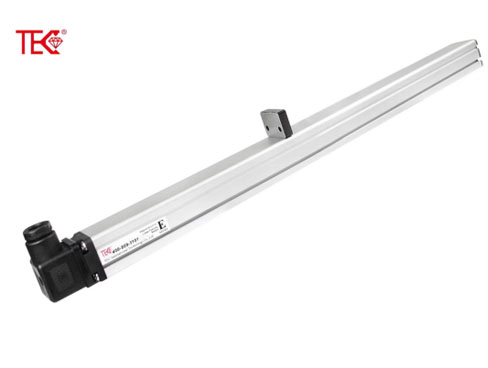
In today's competitive industrial landscape, unplanned downtime is a primary profit killer. Moving beyond reactive repairs and scheduled maintenance, forward-thinking operations are embracing a smarter approach: predictive maintenance. This paradigm shift is powered by advanced sensing technologies that provide a deep, real-time understanding of machine health. At the forefront of this revolution are magnetostrictive sensors, offering unparalleled precision in monitoring critical parameters to forecast failures before they occur, thereby maximizing the operational lifespan of valuable assets.
The Critical Role of Magnetostrictive Sensors in Condition Monitoring
Magnetostrictive sensors operate on a precise physical principle: the interaction between magnetic fields and mechanical stress in a ferromagnetic waveguide. This allows them to deliver non-contact, high-accuracy measurements of position, force, and torque. In predictive maintenance systems, these sensors are strategically deployed on key machinery components like hydraulic cylinders, press lines, and valve actuators. They continuously track parameters such as piston position, load stress, and rotational force, generating a constant stream of high-fidelity data. This data forms the essential foundation for any effective predictive analytics model, moving maintenance from a calendar-based guess to a data-driven science.
Transforming Data into Predictive Insights for Failure Prevention
The raw data from magnetostrictive sensors is valuable, but its true power is unlocked through intelligent analysis. By integrating this sensor data with advanced analytics platforms and machine learning algorithms, patterns emerge. The system learns the unique "fingerprint" of normal, healthy operation for each machine. It then continuously compares real-time sensor readings against this baseline. Subtle anomalies—a slight increase in vibration, a minor deviation in positional repeatability, or an atypical torque reading—are immediately flagged. These deviations are early warning signs, often detectable weeks or months before a catastrophic failure, allowing maintenance teams to plan interventions during scheduled stops, avoiding disruptive and costly breakdowns.
Achieving Tangible Benefits: Downtime Reduction and Lifespan Extension
The implementation of a magnetostrictive sensor-driven predictive maintenance program yields direct, measurable returns on investment. The most significant benefit is the drastic reduction in unplanned downtime. By addressing issues proactively, production halts are minimized. Furthermore, maintenance actions become more efficient and less invasive, as technicians know exactly which component needs attention. This precision prevents unnecessary part replacements and reduces maintenance labor costs. Most importantly, by ensuring machines operate within their ideal stress and load parameters, wear and tear are significantly reduced. This optimal operation directly extends the total serviceable lifespan of capital equipment, protecting your bottom line and enhancing asset ROI.
Implementing a Future-Proof Predictive Maintenance Strategy
Integrating magnetostrictive sensors into a holistic predictive maintenance strategy requires careful planning. It begins with identifying critical assets whose failure would have the highest operational or safety impact. The next step involves selecting the appropriate sensor type and configuration for each application point to ensure reliable data capture. A robust data infrastructure—capable of handling, storing, and processing the continuous sensor data—is essential. Finally, pairing this infrastructure with capable analytics software and training personnel to interpret alerts and act on insights completes the system. This strategic implementation creates a resilient, self-aware operation that not only predicts failures but also continuously optimizes performance for peak efficiency and longevity.
 Graybus Cable Fault
 Field Application of Graybus C
 Model and Specification of Gra
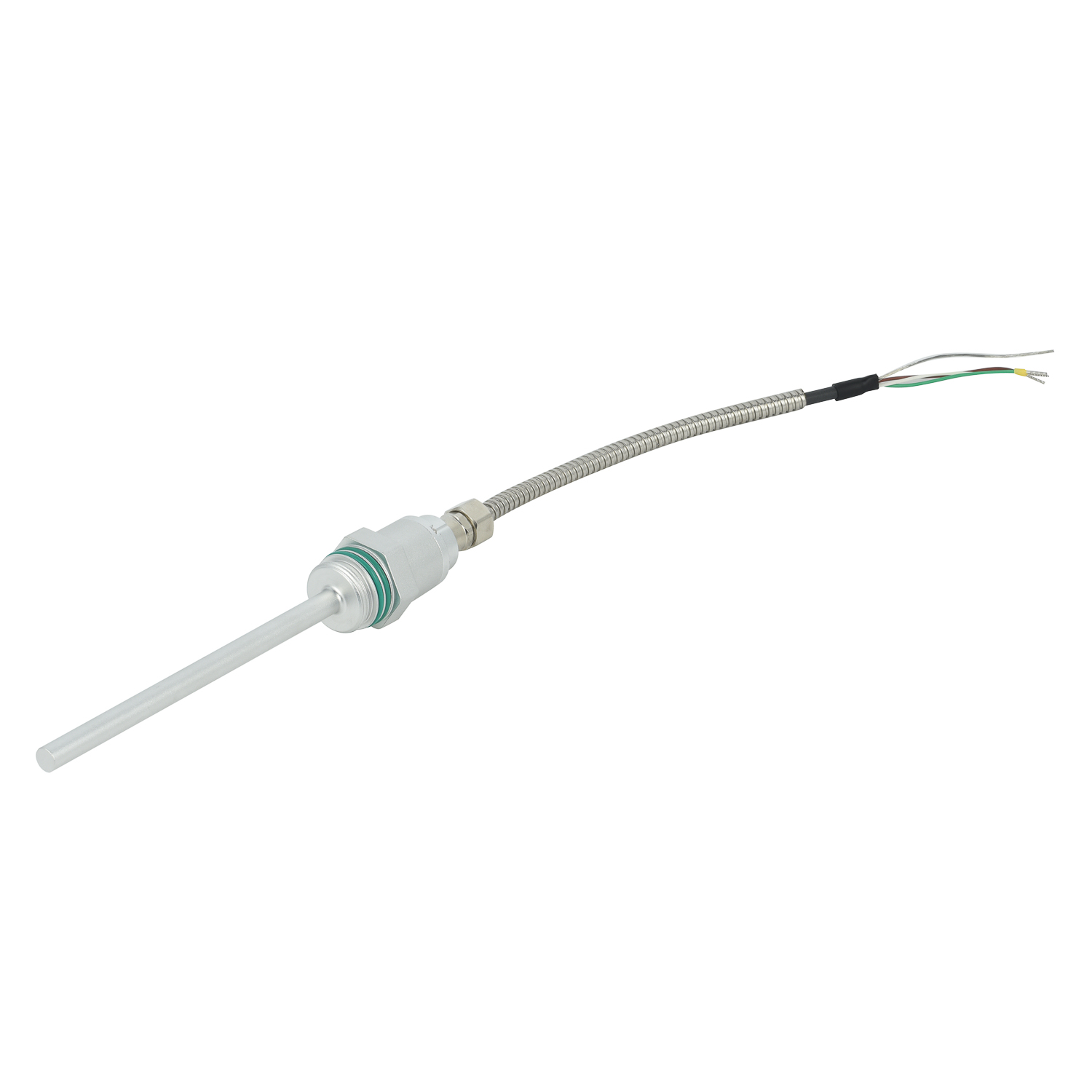 Import Substitute Graybus Cabl