
InsidetheCore:ThePhysicsBehindMagnetostrictiveDisplacementSensing
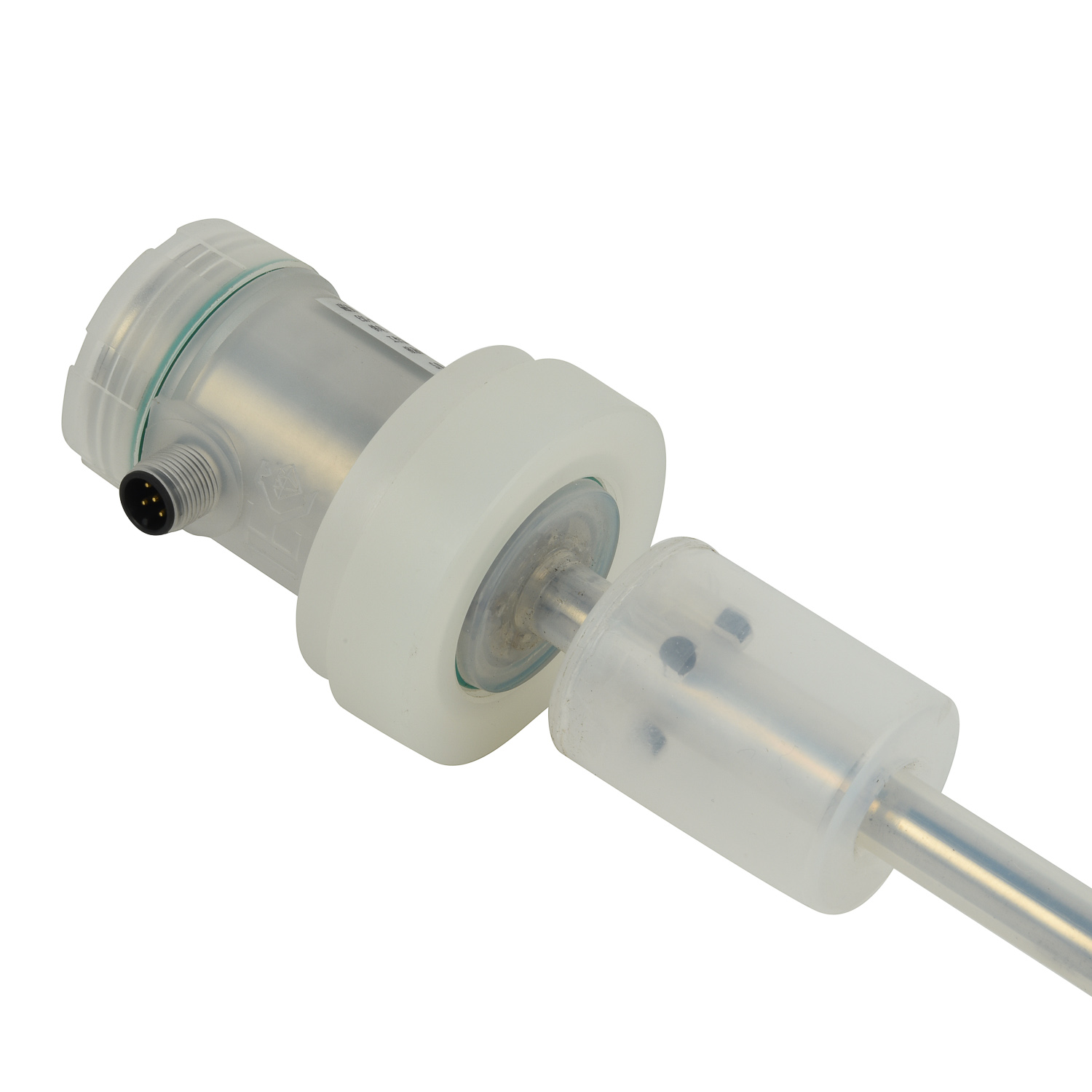
At the heart of countless precision industrial systems lies a question: how do you measure position with unwavering accuracy in harsh environments? The answer is found not in simple mechanics, but in a fascinating interplay of magnetism and material science. Magnetostrictive displacement sensors provide this critical data, and their operation hinges on a unique physical phenomenon that bridges the invisible and the measurable.
The Magnetostrictive Effect: A Material's Hidden Response
The core principle is magnetostriction. This is the property of certain ferromagnetic materials to minutely change their physical dimensions when exposed to a magnetic field. Conversely, when mechanical stress is applied to these materials, their magnetic properties change. In a magnetostrictive position sensor, we actively exploit the first half of this relationship. A waveguide, made from a specially engineered magnetostrictive alloy, forms the sensor's backbone. This isn't a gross movement you can see; it's a microscopic, instantaneous strain that forms the basis for highly precise measurement.
Generating the Interrogating Pulse: The Start of the Journey
Measurement begins with a current pulse sent down the waveguide. This short, high-energy electrical signal creates a circumferential magnetic field around the waveguide along its entire length. This field is the trigger. It exists momentarily, waiting to interact with the element that defines the position we need to measure—the position magnet.
The Crucial Interaction: Where the Position is Encoded
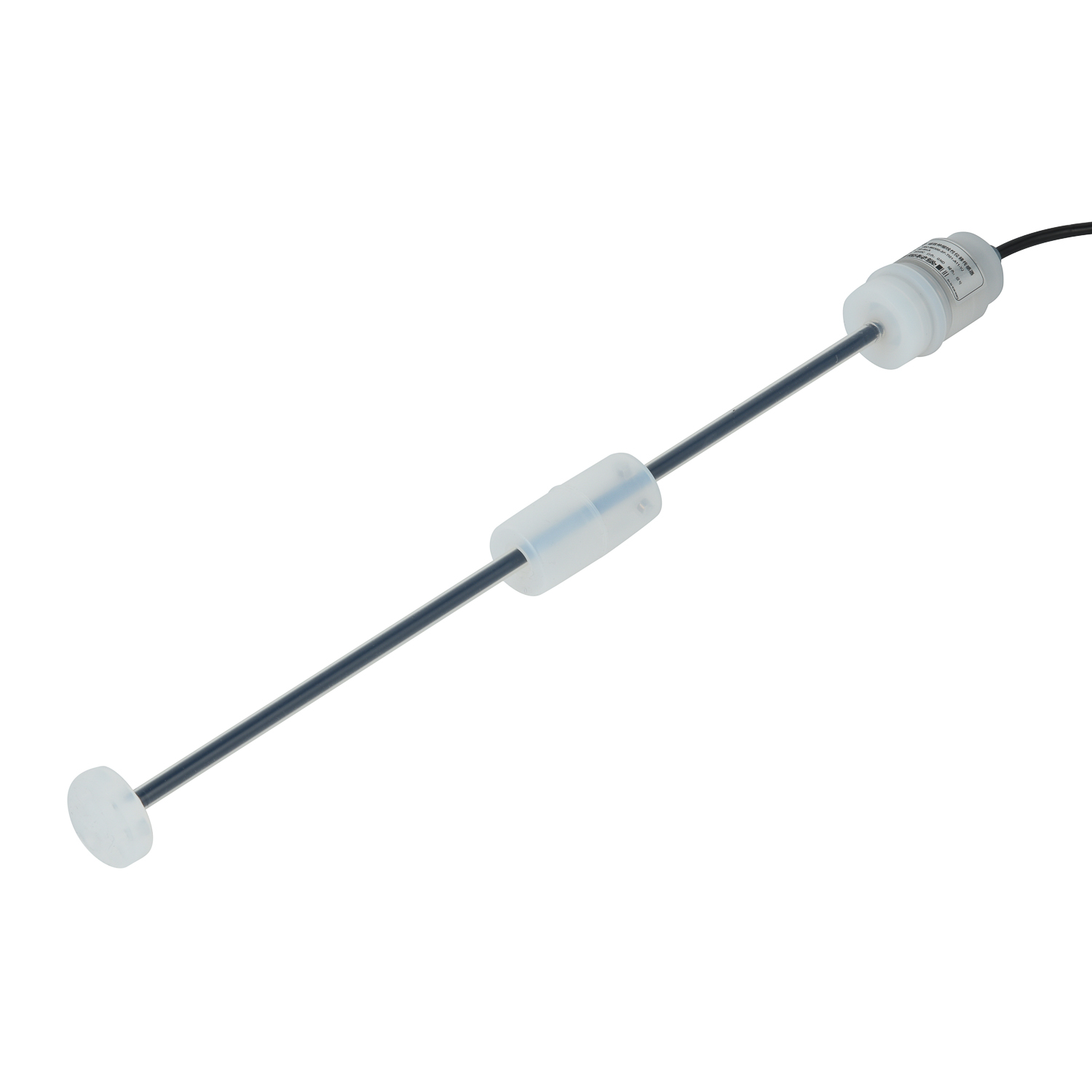
The position magnet, typically a permanent magnet, is attached to the moving target whose displacement we are tracking. It produces its own axial magnetic field. At the precise point along the waveguide where these two magnetic fields—the circumferential pulse field and the axial position magnet field—intersect, the Villari effect (the inverse magnetostrictive effect) occurs. The combined fields induce a torsional strain wave, a subtle mechanical twist, in the waveguide material at that exact location.
Detecting the Strain Wave: Translating Twist to Time
This torsional strain wave propagates along the waveguide at ultrasonic speed, traveling back toward the sensor's head. A pickup device, often a piezoelectric element, is positioned at the head to detect the arrival of this mechanical wave. The critical measurement is the time interval between the launch of the initial electrical interrogation pulse and the detection of the returning strain wave. This time-of-flight is directly proportional to the distance between the sensor head and the position magnet.
From Time to Precise Digital Position: The Final Output
The sensor's onboard electronics are dedicated to measuring this time interval with extreme precision. Using the known, constant speed of sound in the waveguide material, the elapsed time is converted into an exact distance measurement. This data is then processed and output as a stable, high-resolution analog signal or a digital reading, providing a real-time, absolute position value for the moving target. This non-contact method ensures no wear, exceptional longevity, and repeatable accuracy unaffected by environmental factors like vibration or contamination.
Engineering for Real-World Reliability: Beyond Basic Physics
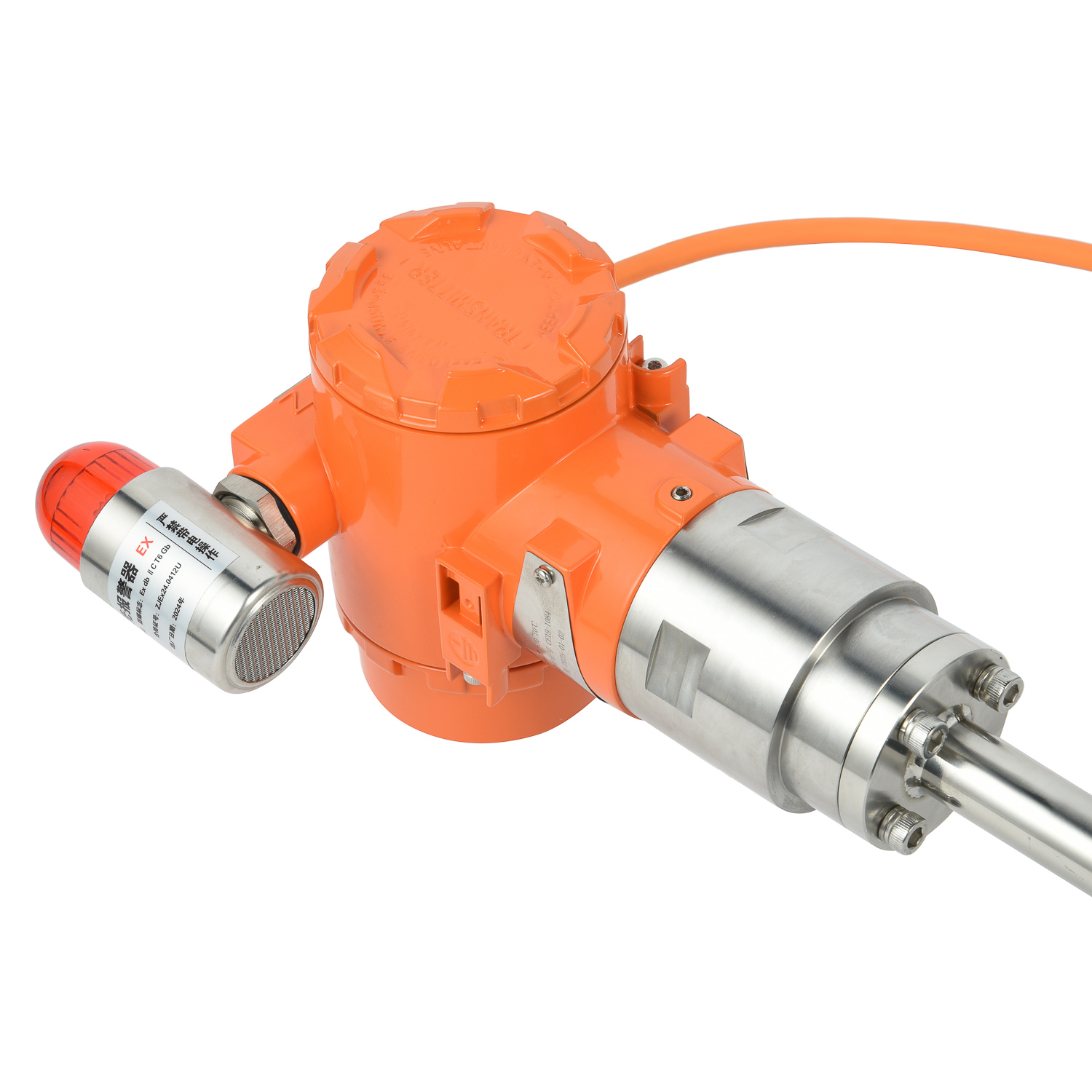
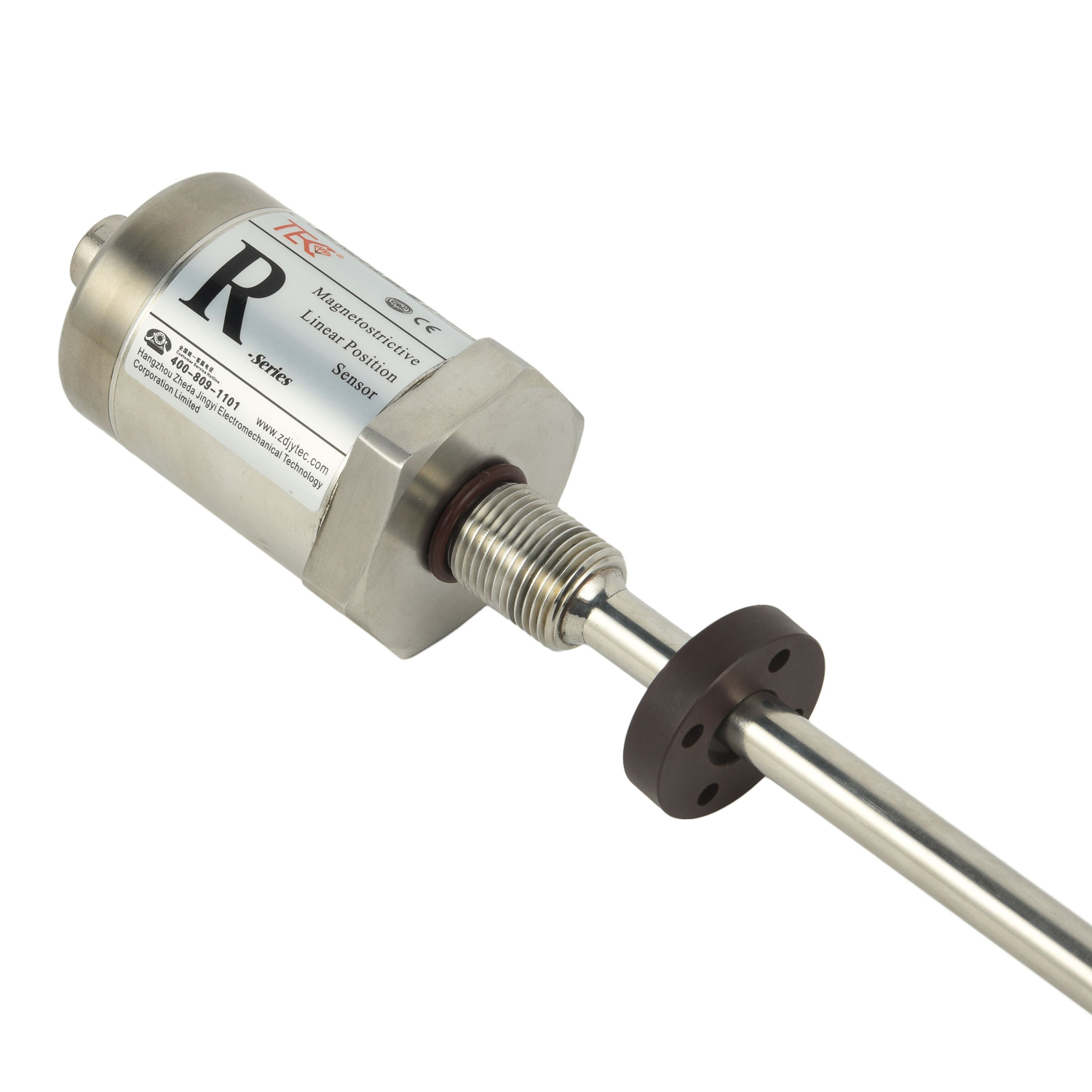
Turning this physics into a robust industrial tool requires sophisticated engineering. The waveguide is housed in a protective stainless steel tube, shielded from external magnetic interference. Advanced damping techniques manage unwanted wave reflections, and temperature compensation algorithms ensure the speed-of-sound constant remains accurate across operating conditions. This transforms a elegant physical principle into a sensor capable of surviving and performing in the demanding worlds of hydraulic cylinder control, factory automation, and precision test stands.
The Unseen Advantage: Why This Physics Matters
The fundamental physics of magnetostriction grants these sensors their key advantages. Because the measurement is based on the time-of-flight of a wave within a sealed probe, it is inherently non-contact and wear-free. It provides an absolute position reading the moment power is applied, eliminating the need for homing routines. The technology is resistant to shock, vibration, and contaminants, making it the preferred choice for applications where optical or resistive methods would fail. Understanding the core science reveals why magnetostrictive sensing remains the gold standard for critical, high-performance displacement measurement.
 Graybus Cable Fault
 Field Application of Graybus C
 Model and Specification of Gra
 Import Substitute Graybus Cabl