
Water Conservancy Corrosion-resistant Pressure Sensor Working Principle
Corrosion-resistant pressure sensors are widely used in water conservancy for monitoring water levels, pipeline pressure, gate load and pump-station operation. Their working principle combines pressure sensing, isolation protection and signal conditioning. The wetted parts are made from 316L stainless steel, Hastelloy, titanium or PTFE-lined diaphragms, so river water, reservoir water and treated wastewater cannot easily corrode the sensor body or sensing element.
When water pressure acts on the isolation diaphragm, the diaphragm deforms slightly. This deformation is transmitted through a sealed fill fluid to a silicon piezoresistive die. The die contains a Wheatstone bridge; pressure-induced strain changes the bridge resistance and produces a millivolt signal proportional to pressure. A signal-conditioning circuit amplifies and digitizes this signal. A microprocessor performs temperature compensation, linearization and filtering, then outputs 4-20 mA, RS485 or HART signals for PLCs and telemetry systems.
The corrosion-resistant design protects the measuring cell from chemical attack and electrochemical corrosion. A robust housing and IP68 sealing prevent water ingress. Regular calibration and proper grounding also help maintain reliable performance in humid, submerged or remote installations. Thus the sensor provides stable, long-term pressure data for reservoirs, rivers, pumping stations, pipelines and irrigation networks, supporting safe water management and automated control.
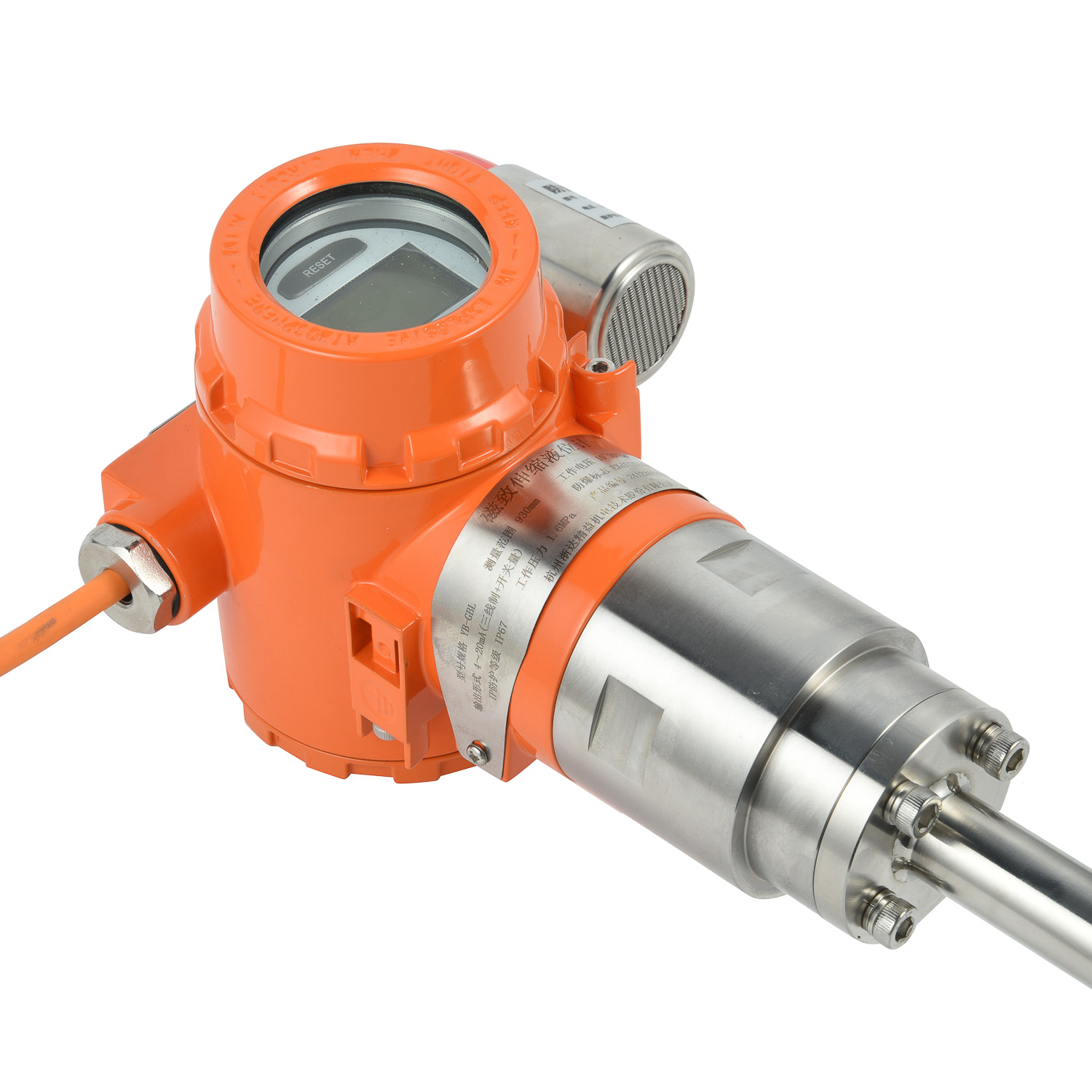 Water Conservancy Corrosion-re
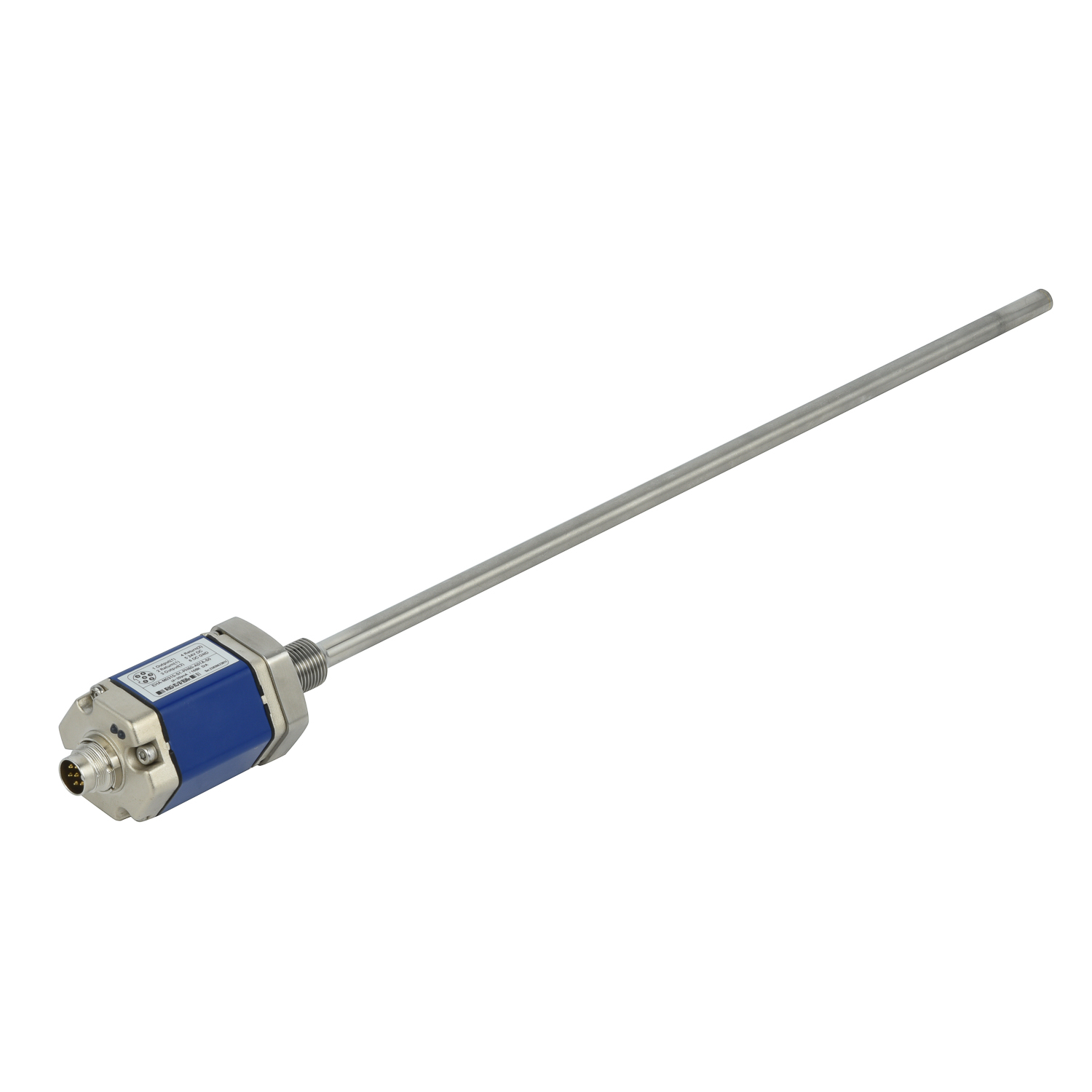 Sewage Treatment Waterproof Pr
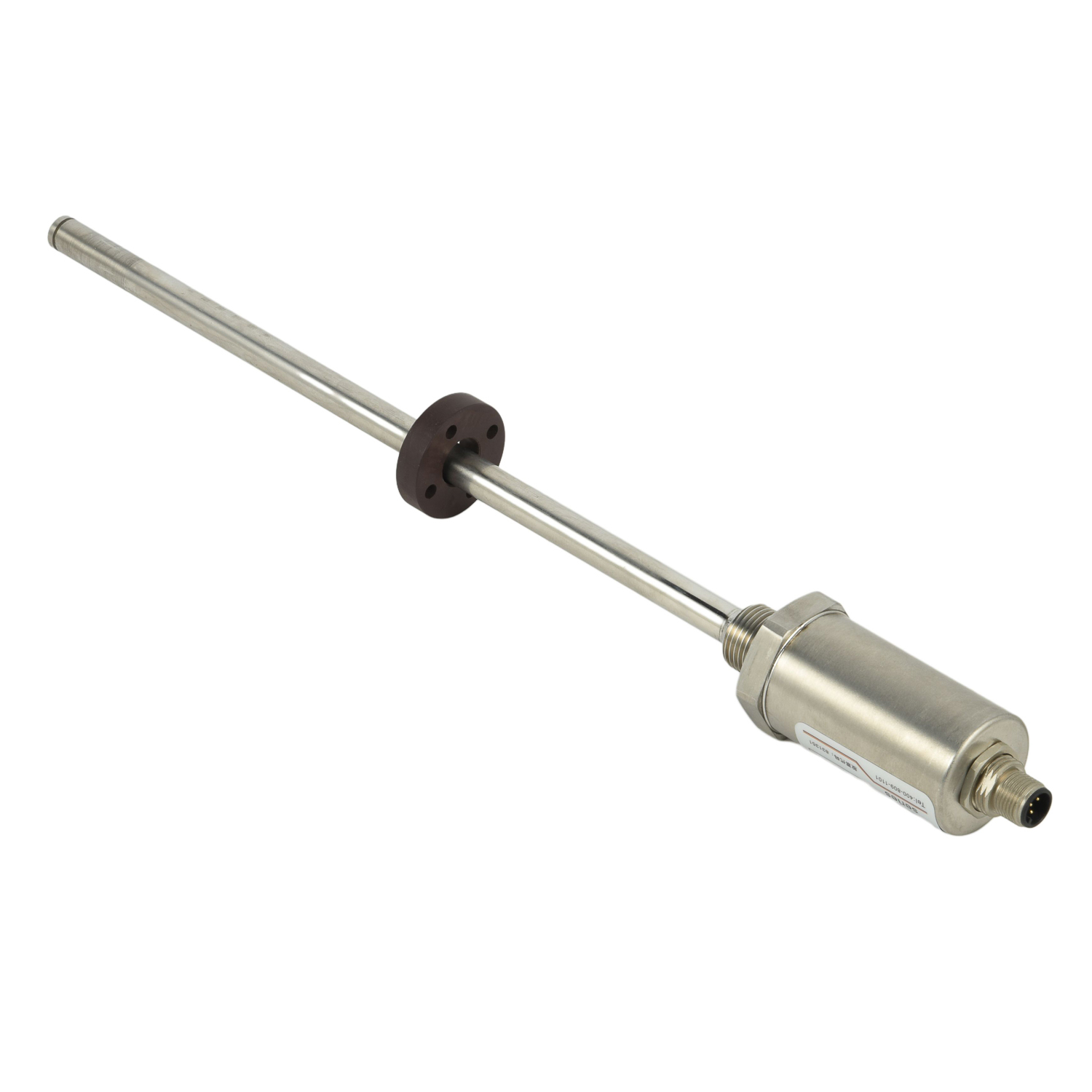 Chemical Industry High-pressur
 Mining High-temperature Pressu