
Sewage Treatment Waterproof Pressure Sensor Technical Parameters
Sewage treatment environments demand reliable pressure measurement under moisture, chemicals, and fluctuating flows. A waterproof pressure sensor for wastewater applications must combine robust sealing with stable signal output. Key technical parameters include measurement range, usually 0–1 bar to 0–20 bar or customized; accuracy of ±0.5% FS or ±1.0% FS; output signals such as 4–20 mA, 0–5 V, 0–10 V, RS485, or HART; and a power supply of 12–36 VDC, commonly 24 VDC. The protection rating should be IP68 or IP69K for submerged or washdown duty. Wetted materials often use 316L stainless steel, PVDF, PTFE, or ceramic diaphragms to resist corrosion and clogging. Overload capacity is typically 150%–200% FS, with burst pressure above 300% FS. Long-term stability should be ≤0.2% FS/year. Temperature compensation usually covers 0–50°C or -10–70°C, while the medium temperature may range from 0–60°C. Process connections include G1/2, G1/4, NPT, flange, or clamp types. Electrical connections use waterproof M12, cable glands, or sealed cables. Response time should be ≤10 ms. EMC protection, reverse polarity protection, and surge protection improve reliability. For sewage treatment, anti-clogging diaphragm design, pressure surge resistance, and easy cleaning are important. Installation should avoid dead zones and vibration, and regular zero-point checks ensure accuracy. Selecting the correct range, material, output, and protection level ensures stable monitoring in aeration, filtration, sludge, and pump control systems. Calibration certificates, CE compliance, and a stable supply voltage further support long-term wastewater service.
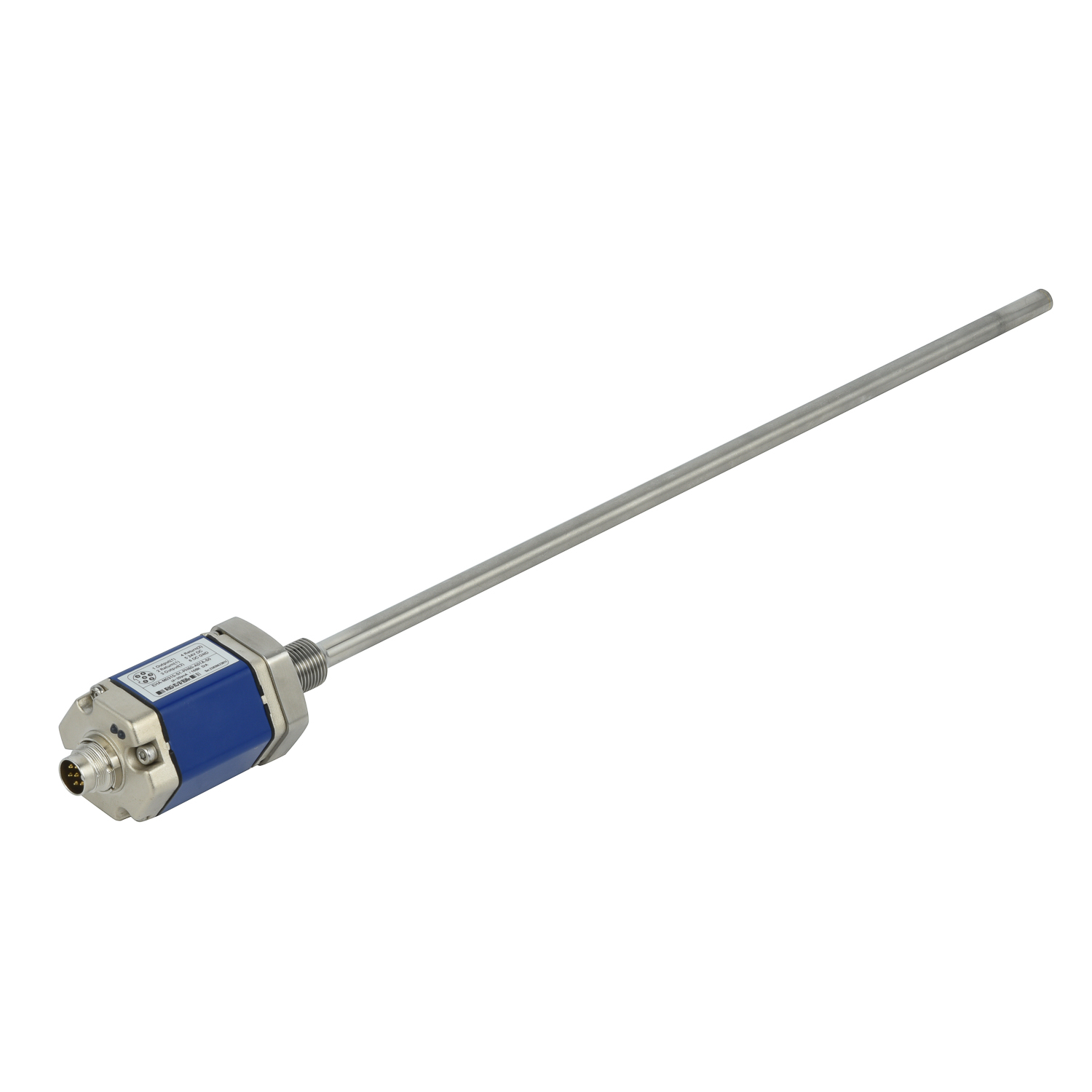 Sewage Treatment Waterproof Pr
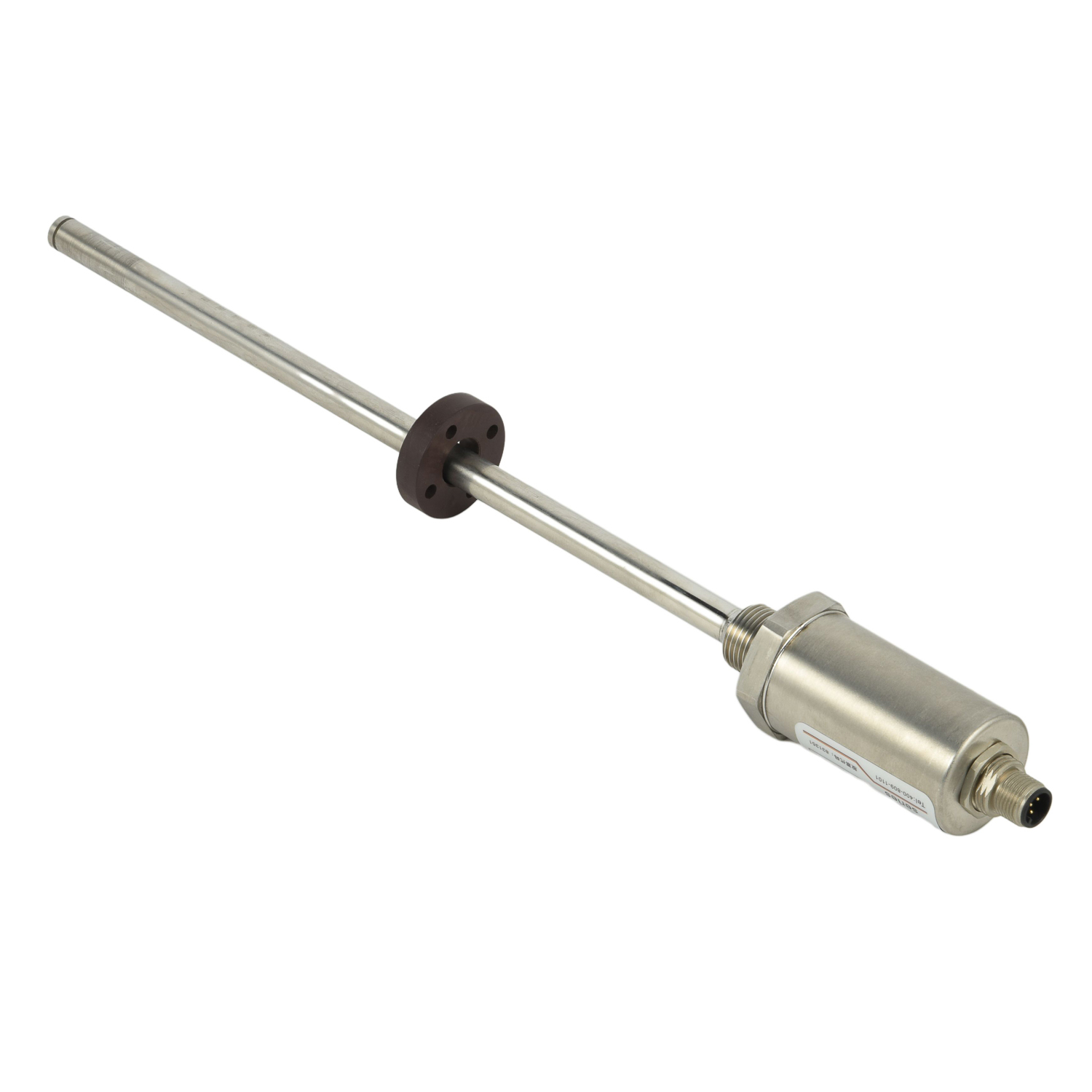 Chemical Industry High-pressur
 Mining High-temperature Pressu
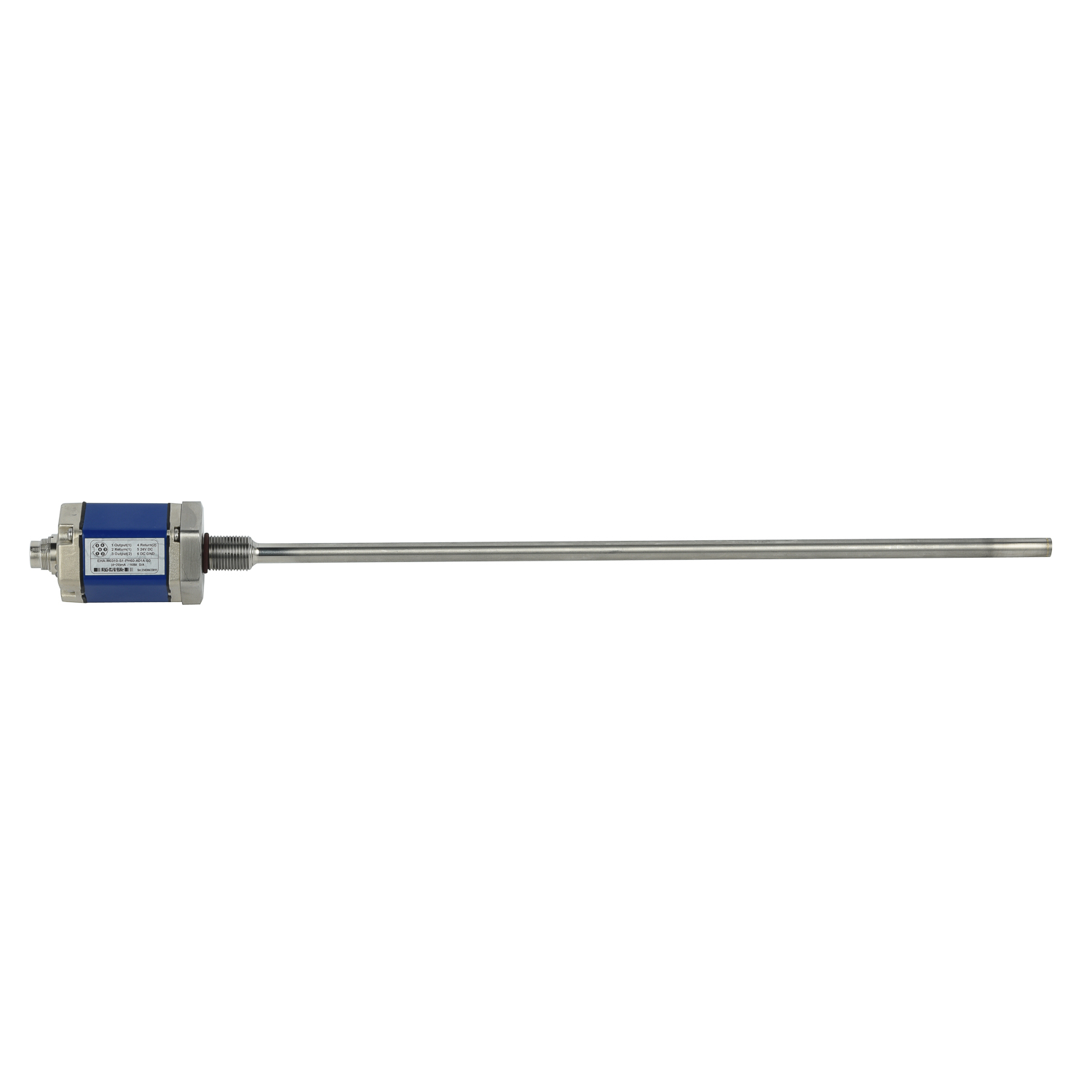 Metallurgy Explosion-proof Pre