
Mining High-temperature Pressure Sensor Selection
High-temperature pressure sensor selection in mining requires a balance of accuracy, durability, and safety. Equipment often operates near crushers, kilns, pumps, hydraulic systems, and ventilation lines where heat, dust, vibration, and pressure spikes are common. First, define the actual working temperature and pressure ranges, including startup surges, peak loads, and normal cycling. Choose a sensor with a suitable margin above normal conditions, but avoid over-specifying, which can increase cost and reduce availability. Confirm that wetted materials resist mining fluids, slurries, oils, and corrosive gases. For high-temperature zones, use isolated diaphragms, cooling extensions, capillaries, or remote seals to protect electronics. Check enclosure rating, shock and vibration resistance, EMC performance, and required mining safety certifications. A stable output signal, low drift, and fast response improve control and alarm reliability. Review installation access, thread type, calibration cycle, and spare-part support. In dusty or explosive areas, select approved housings and wiring methods. Redundant sensors may suit critical hydraulic or ventilation monitoring. Include surge protection and verify compatibility with the control system before commissioning. Finally, validate samples in real operating conditions and document calibration and maintenance intervals. Proper selection reduces downtime, improves safety, and extends sensor life in demanding mining environments.
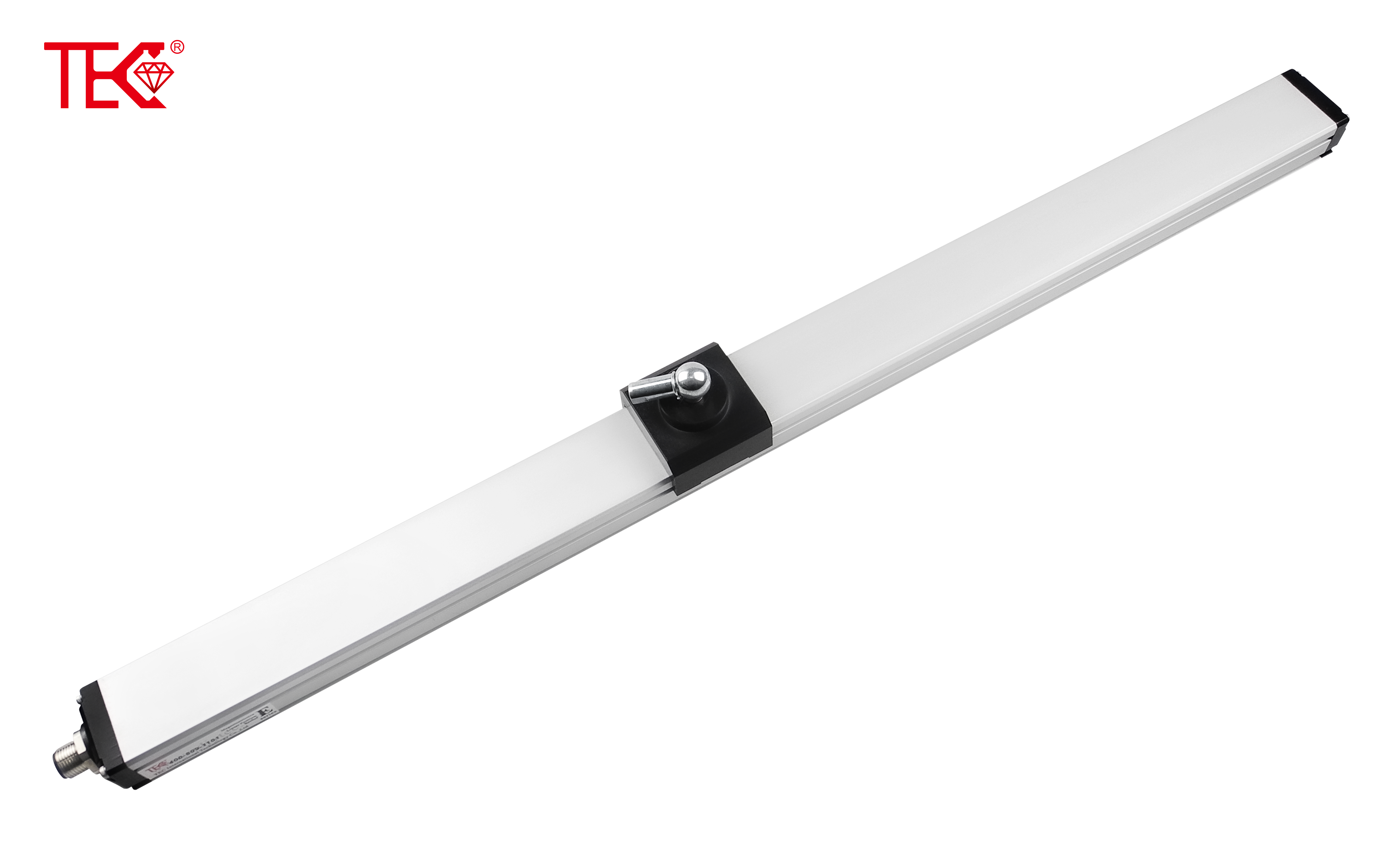 Mining High-temperature Pressu
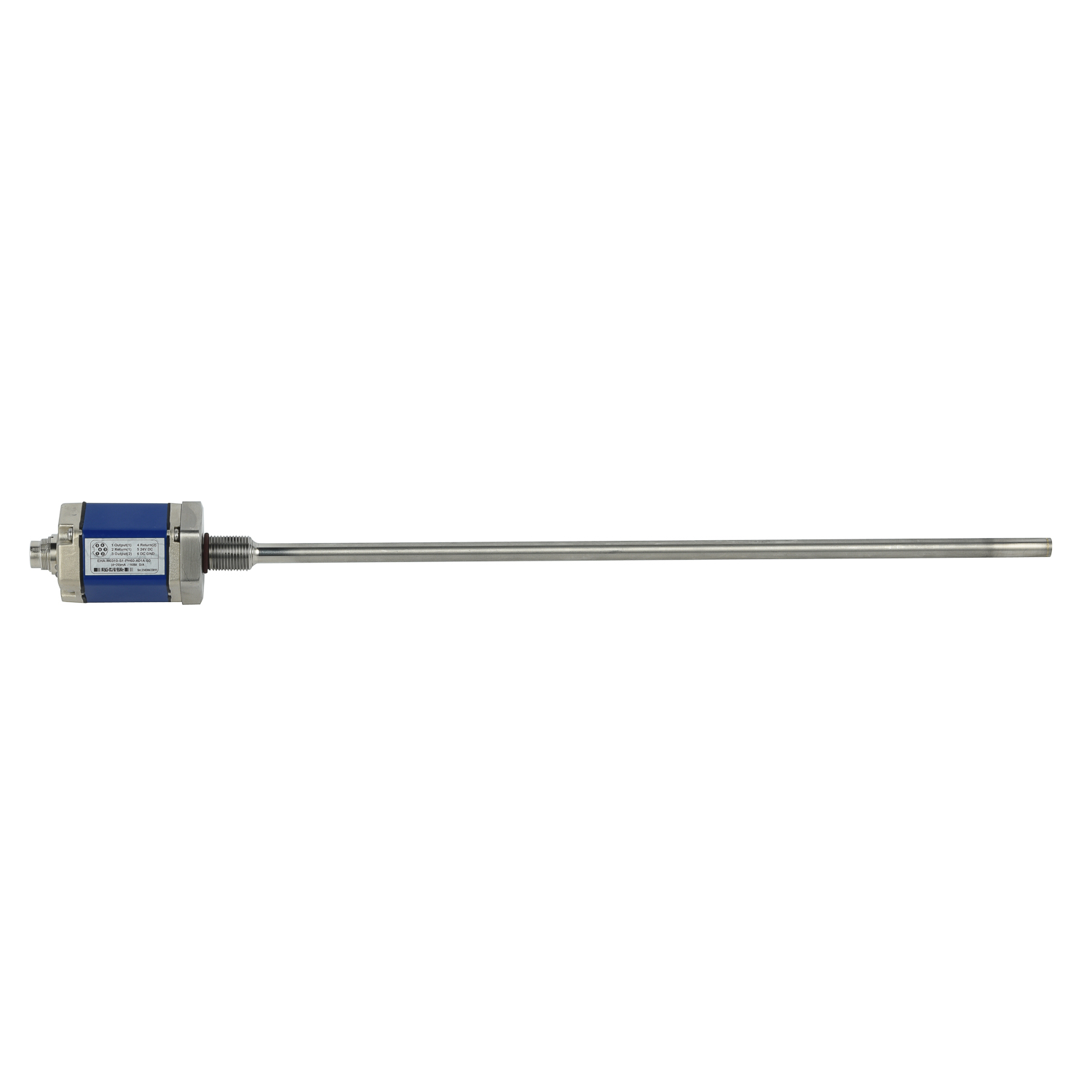 Metallurgy Explosion-proof Pre
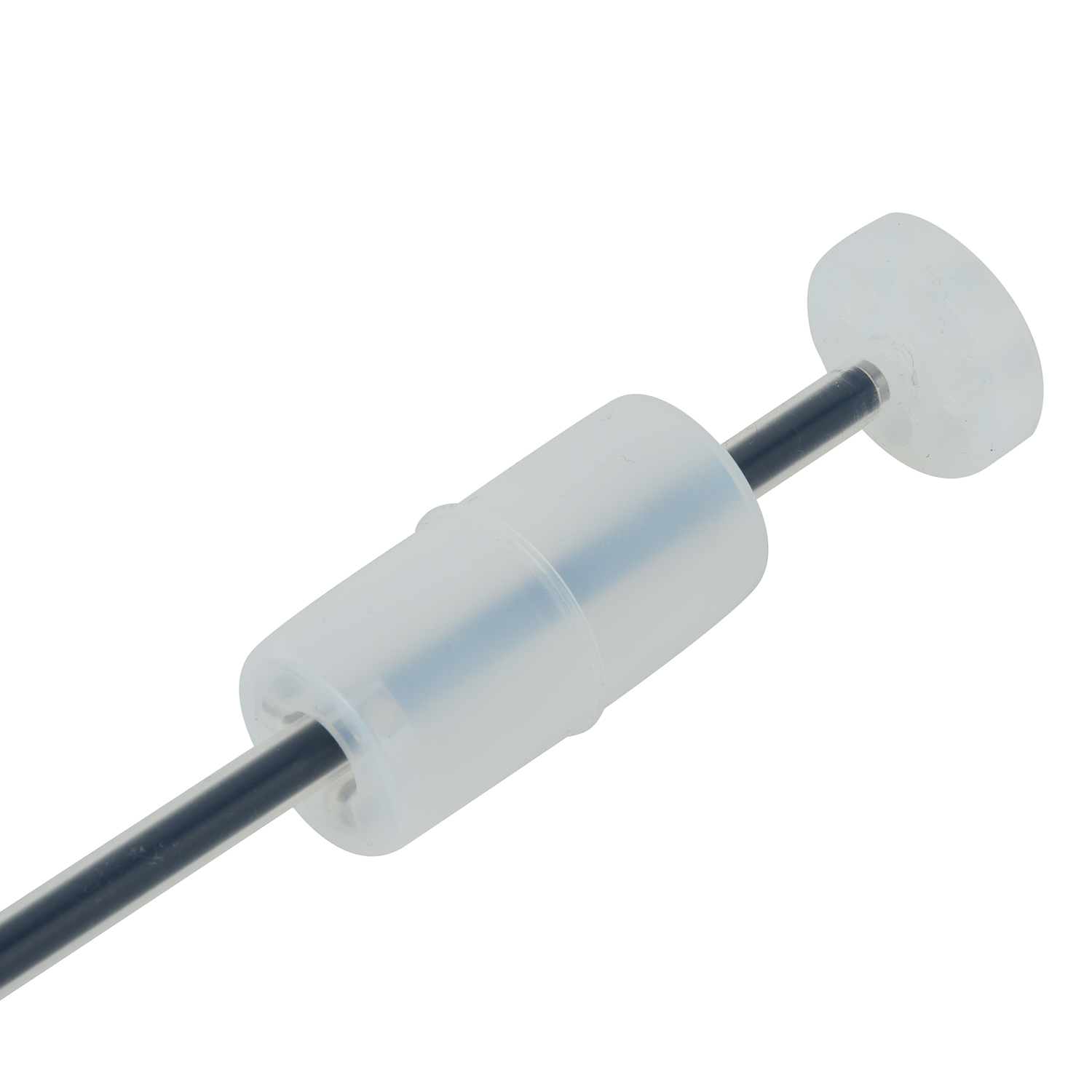 Grain and Oil Storage Tank Rea
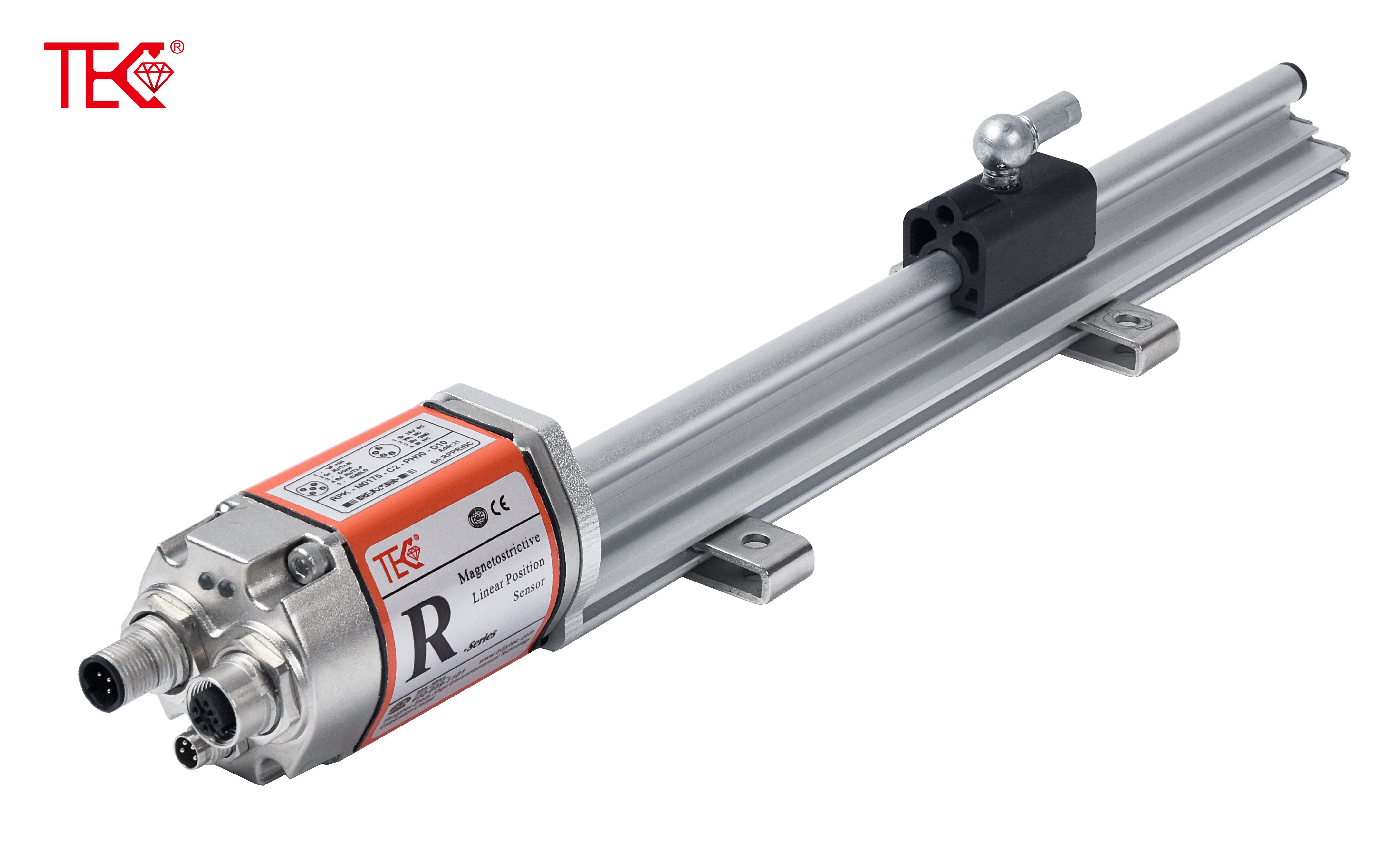 Mixing Station Silo Corrosion-