
Water Conservancy Gate Corrosion-resistant Electromagnetic Flowmeter Working Principle
Corrosion-resistant electromagnetic flowmeters are widely used at water conservancy gates to measure water flow where humidity, silt, and chemical attack can shorten equipment life. Their working principle follows Faraday's law of electromagnetic induction. When conductive water flows through a non-magnetic measuring pipe, it cuts the magnetic field produced by the meter's coils. This movement induces an electromotive force (EMF) proportional to flow velocity. Two electrodes set in the pipe wall detect the weak signal and send it to a converter, which amplifies and processes it into flow rate and total volume readings.
For gate applications, corrosion resistance is critical. The measuring tube uses an insulating liner such as PTFE, PFA, or hard rubber, while electrodes are made from titanium, tantalum, or Hastelloy. These materials resist silt, moisture, and aggressive water quality. Because the flow path is unobstructed, the meter causes little pressure loss and stays reliable when gates regulate discharge.
The converter applies filtering and zero-point correction for stable measurement as water levels and flow change. Proper grounding, full-pipe installation, and regular electrode cleaning support accuracy. Thus, the corrosion-resistant electromagnetic flowmeter provides continuous flow data for gate management, flood discharge monitoring, and water resource control. This design reduces maintenance and supports long-term stable measurement in harsh gate environments in real time now.
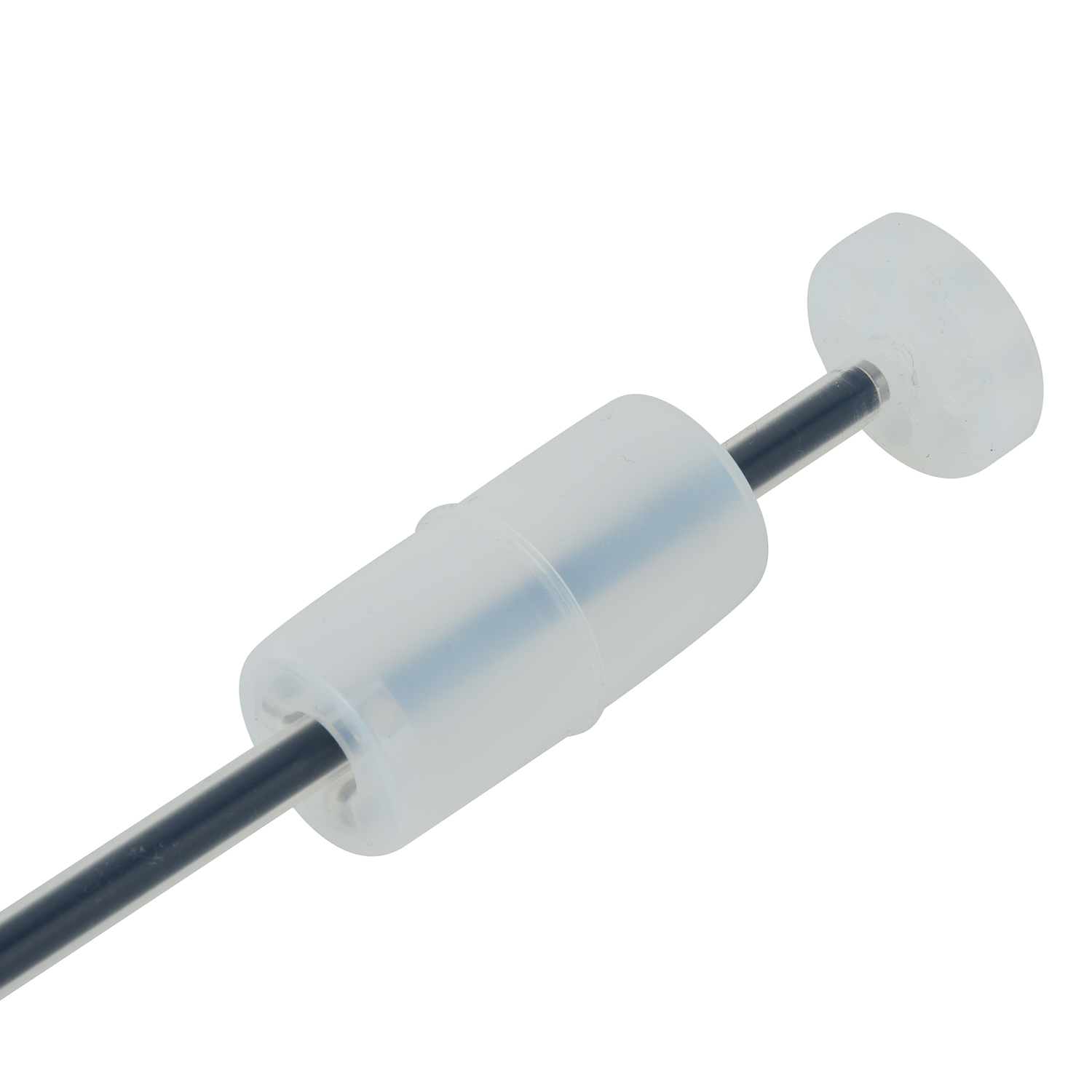 Grain and Oil Storage Tank Rod
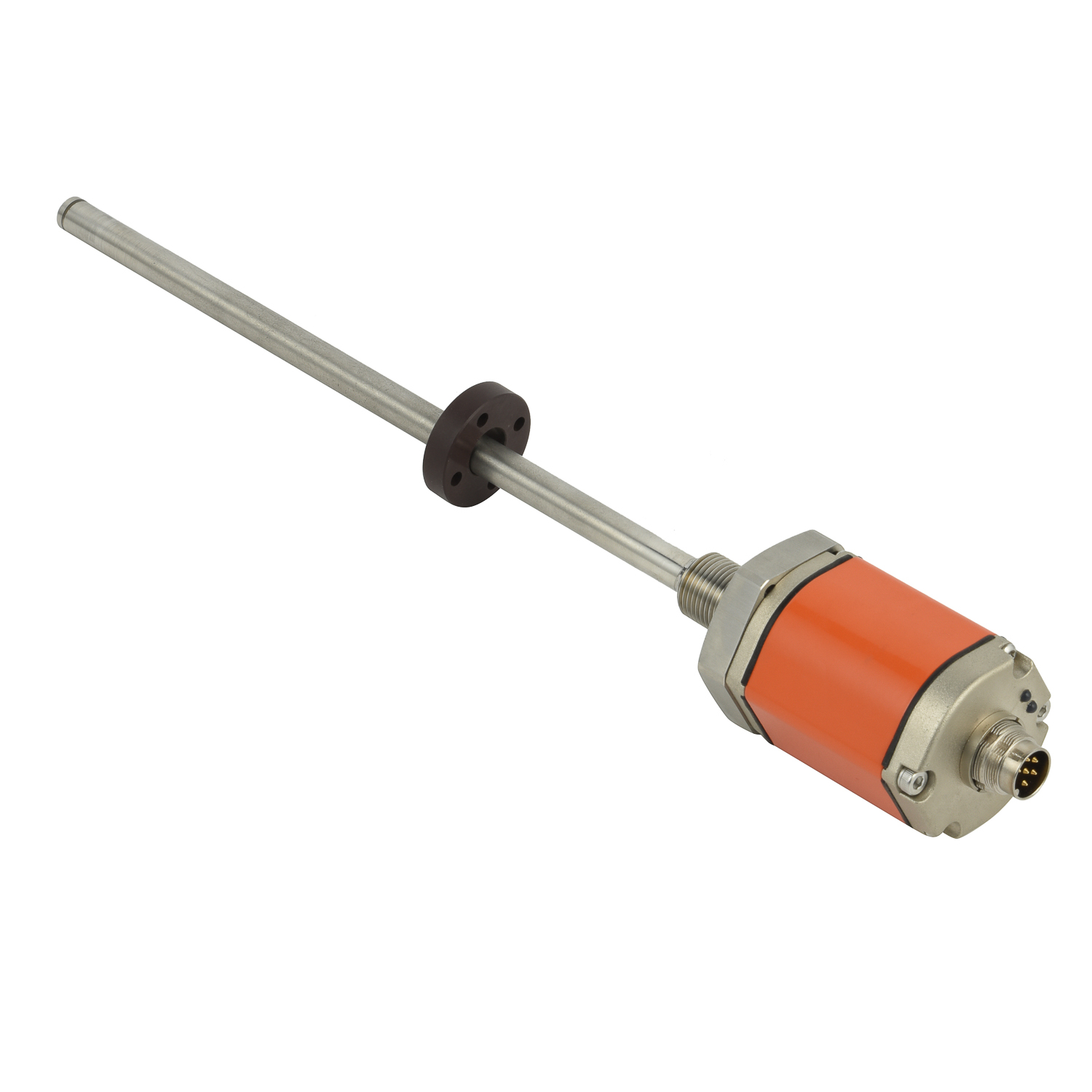 Power Plant Storage Tank Flang
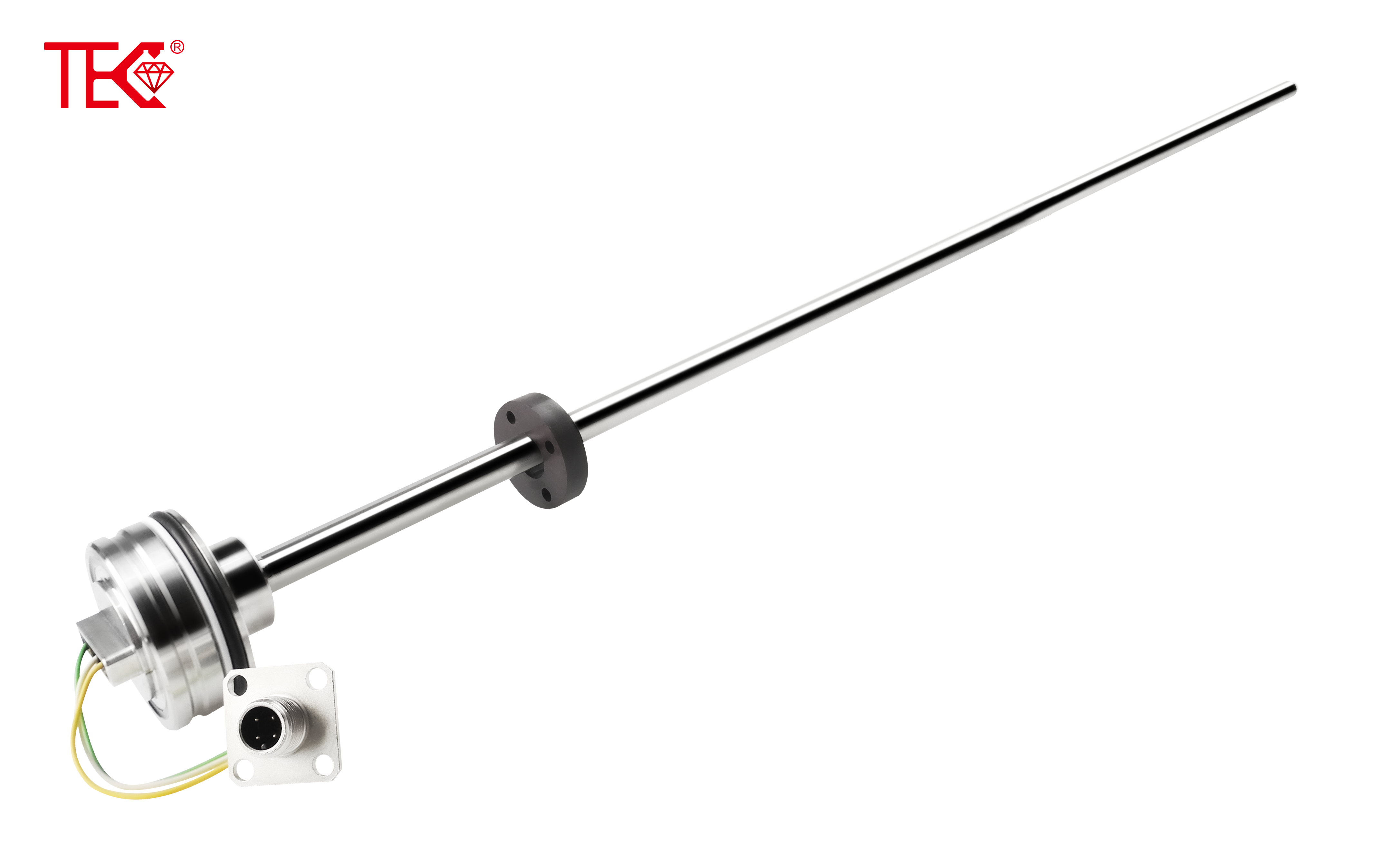 Port Hoist Intrinsically Safe
Water Conservancy Gate Corrosi