
Port Hoist Intrinsically Safe Explosion-proof Electromagnetic Flowmeter Installation Method
Installing an intrinsically safe explosion-proof electromagnetic flowmeter on a port hoist requires strict safety control. First, isolate the hoist power and confirm the hazardous area classification. Select a location with straight pipe runs, full pipe flow, and easy maintenance; avoid vibration, strong magnetic fields, and dead zones. Mount the flowmeter with the arrow matching flow direction, keep electrodes clear, and ensure the grounding ring contacts the pipe firmly. Use approved intrinsically safe cables, separate them from power lines, and connect shielding only at the designated terminal. All cable entries must use certified explosion-proof glands. Bond the flowmeter, pipe, and hoist structure to the equipotential grounding system; grounding resistance must meet the site specification. Check flange alignment, gasket sealing, and bolt torque to prevent leakage. After wiring, verify polarity, insulation, and intrinsic safety parameters. Commission only after the area is confirmed safe: zero calibration, flow simulation, and signal check at the control cabinet. Record installation data and update the inspection tag. Regular checks of seals, grounding, and cable integrity keep the system reliable in port hoist service. Before final acceptance, pressure-test the flange joints and confirm that all explosion-proof markings match the system design. Keep the installation area clean and dry, and secure cables with approved clamps to avoid strain. Maintain maintenance access and label flow direction.
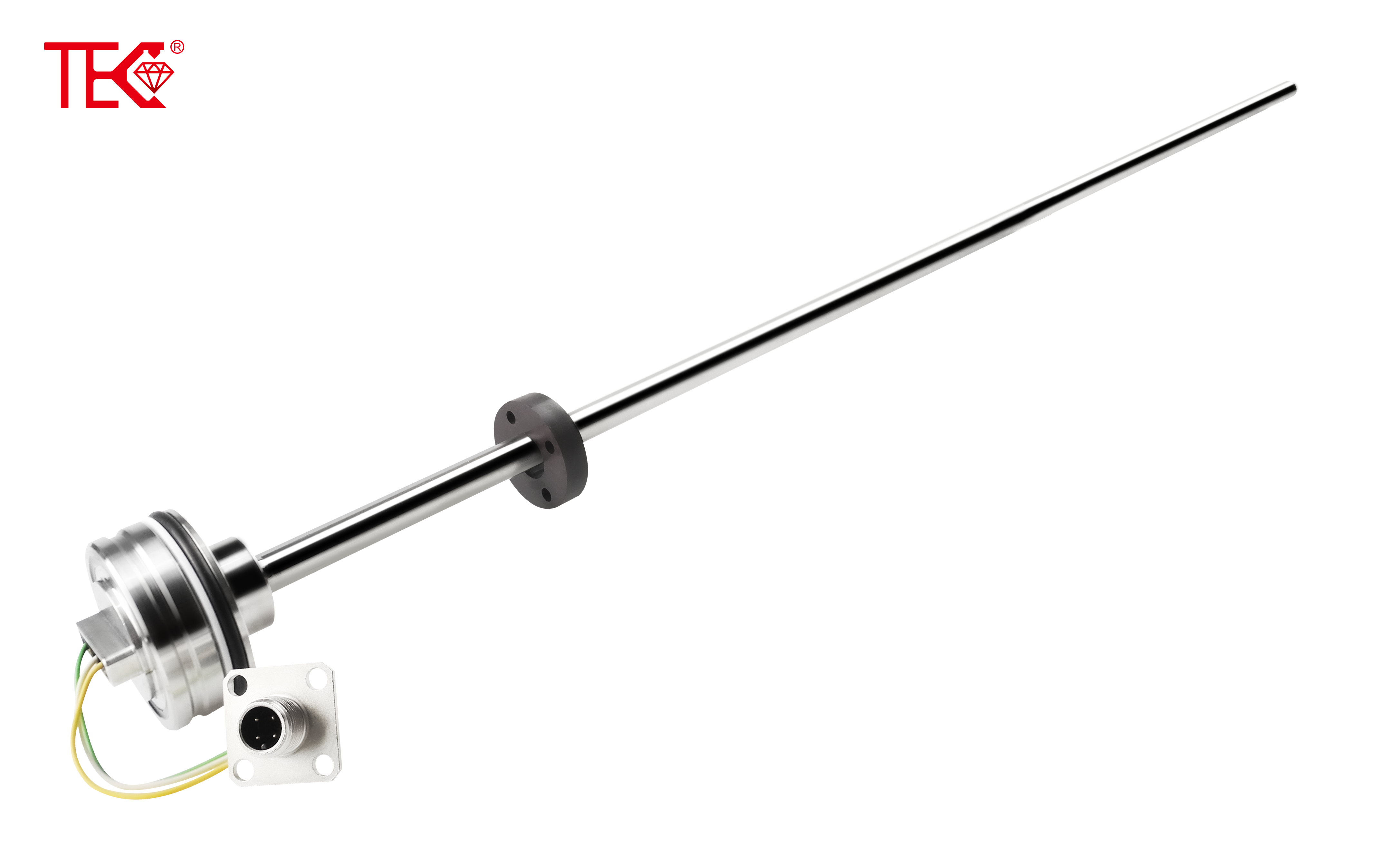
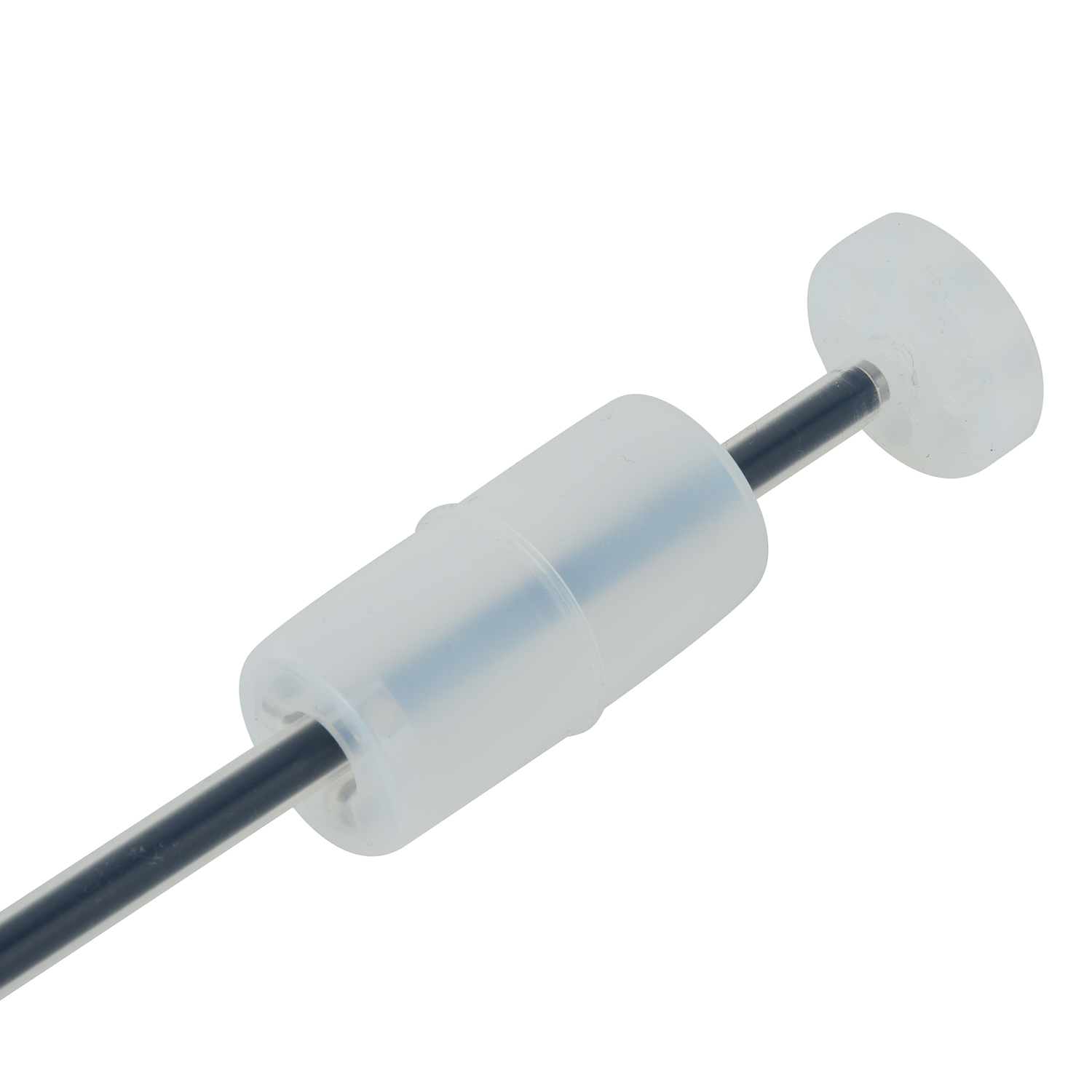 Grain and Oil Storage Tank Rod
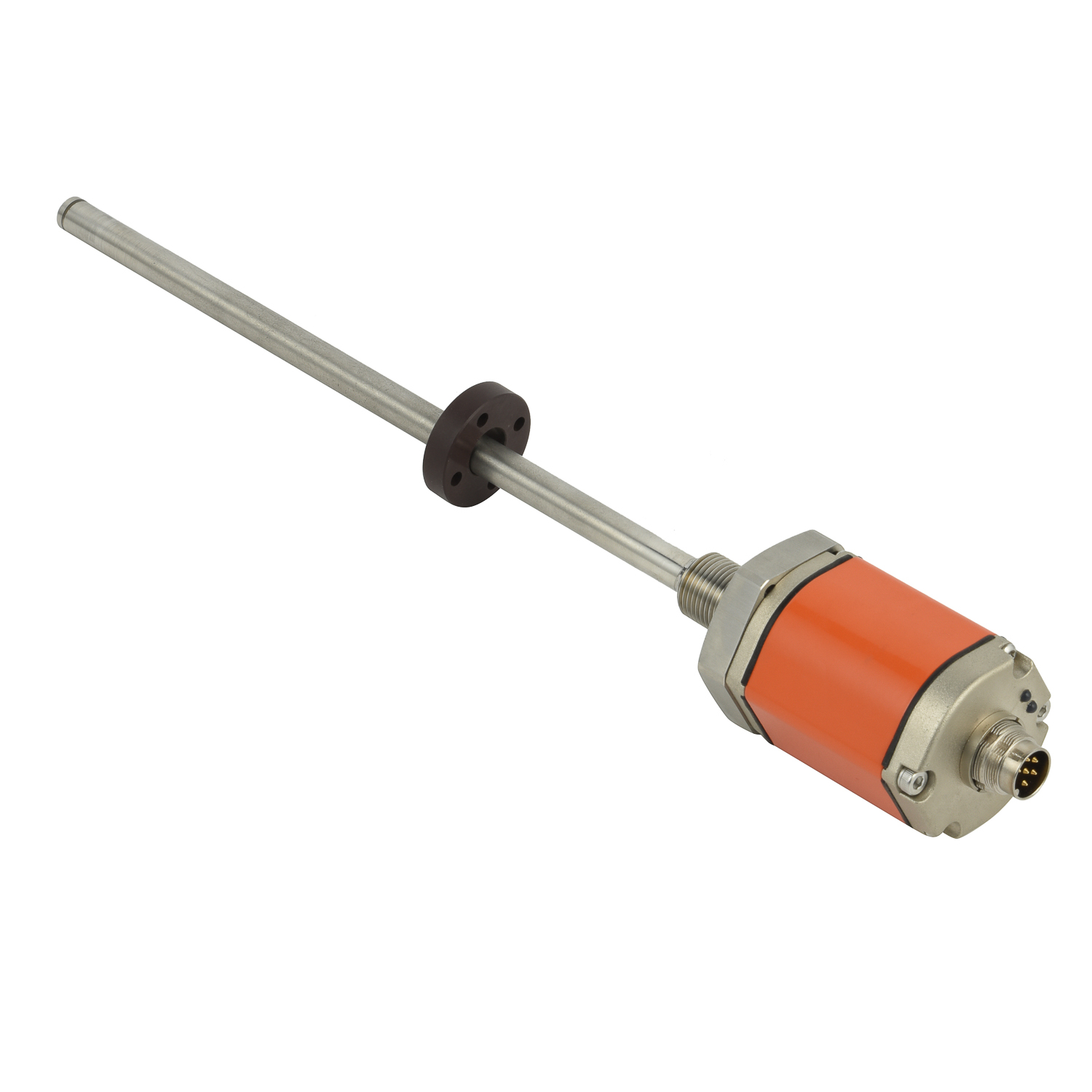 Power Plant Storage Tank Flang
Port Hoist Intrinsically Safe
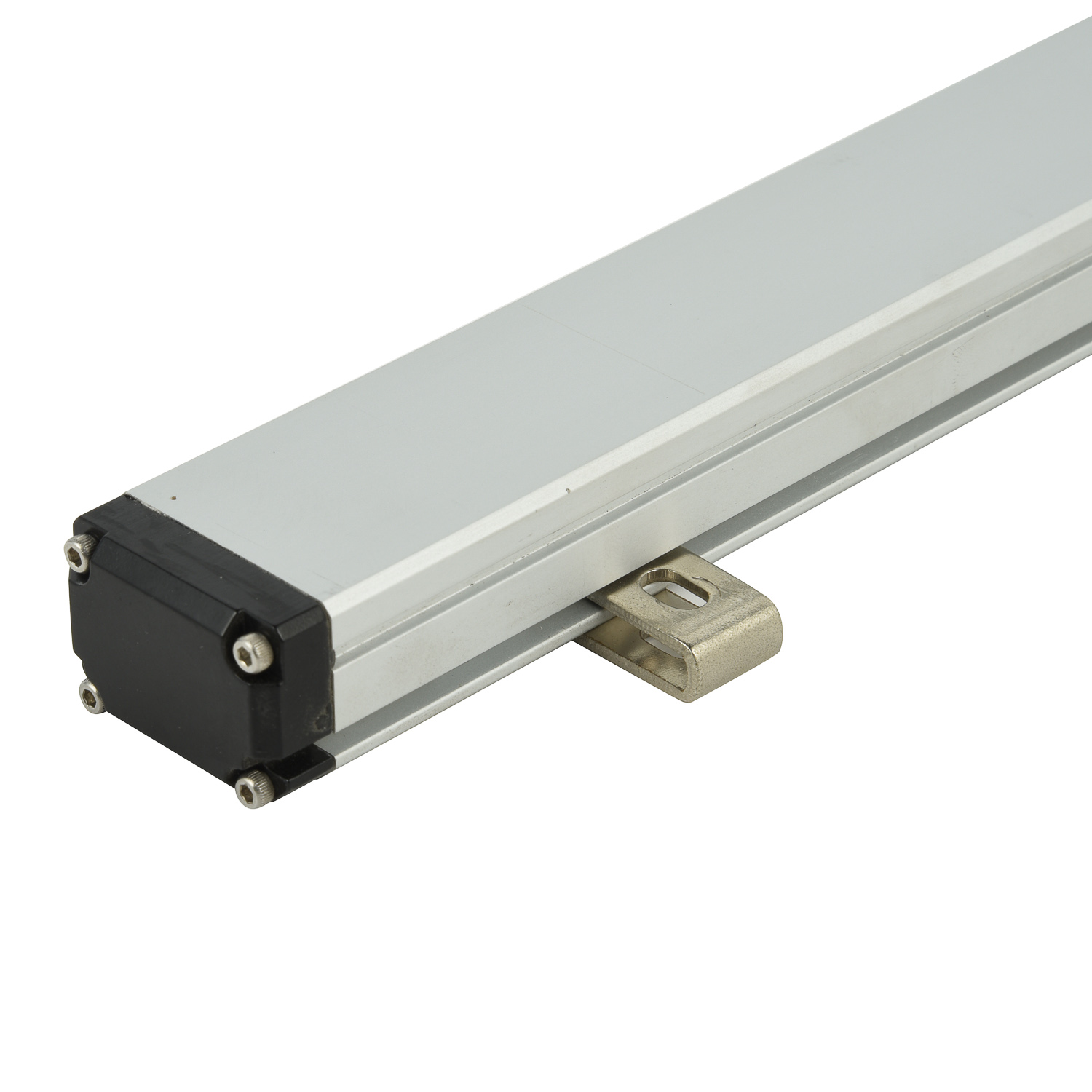 Water Conservancy Gate Corrosi