
Chemical Reaction Kettle High-pressure Electromagnetic Flowmeter Selection
Selecting a high-pressure electromagnetic flowmeter for a chemical reaction kettle requires careful matching to process and safety conditions. First, confirm the liquid conductivity is above the meter’s minimum, typically 5 µS/cm; low-conductivity solvents may need special low-conductivity models. Verify pressure rating, flange standard, and temperature range, including reaction kettle pressure surges and cleaning cycles. Choose a corrosion-resistant liner such as PTFE or PFA and electrodes such as Hastelloy, titanium, tantalum, or platinum to suit acids, alkalis, and aggressive media. Select a full-bore sensor to avoid blockage and maintain low pressure loss, then size the flow range so normal flow stays within 10–80% of range. Confirm accuracy, grounding, shielding, and installation with sufficient straight pipe upstream and downstream. For flammable areas, specify explosion-proof certification. Use reliable signal output, such as 4–20 mA, HART, or pulse, and ensure the meter is compatible with the control system. Request material certificates, pressure test reports, and calibration data. Regular maintenance and correct grounding improve stability in high-pressure chemical reaction service.
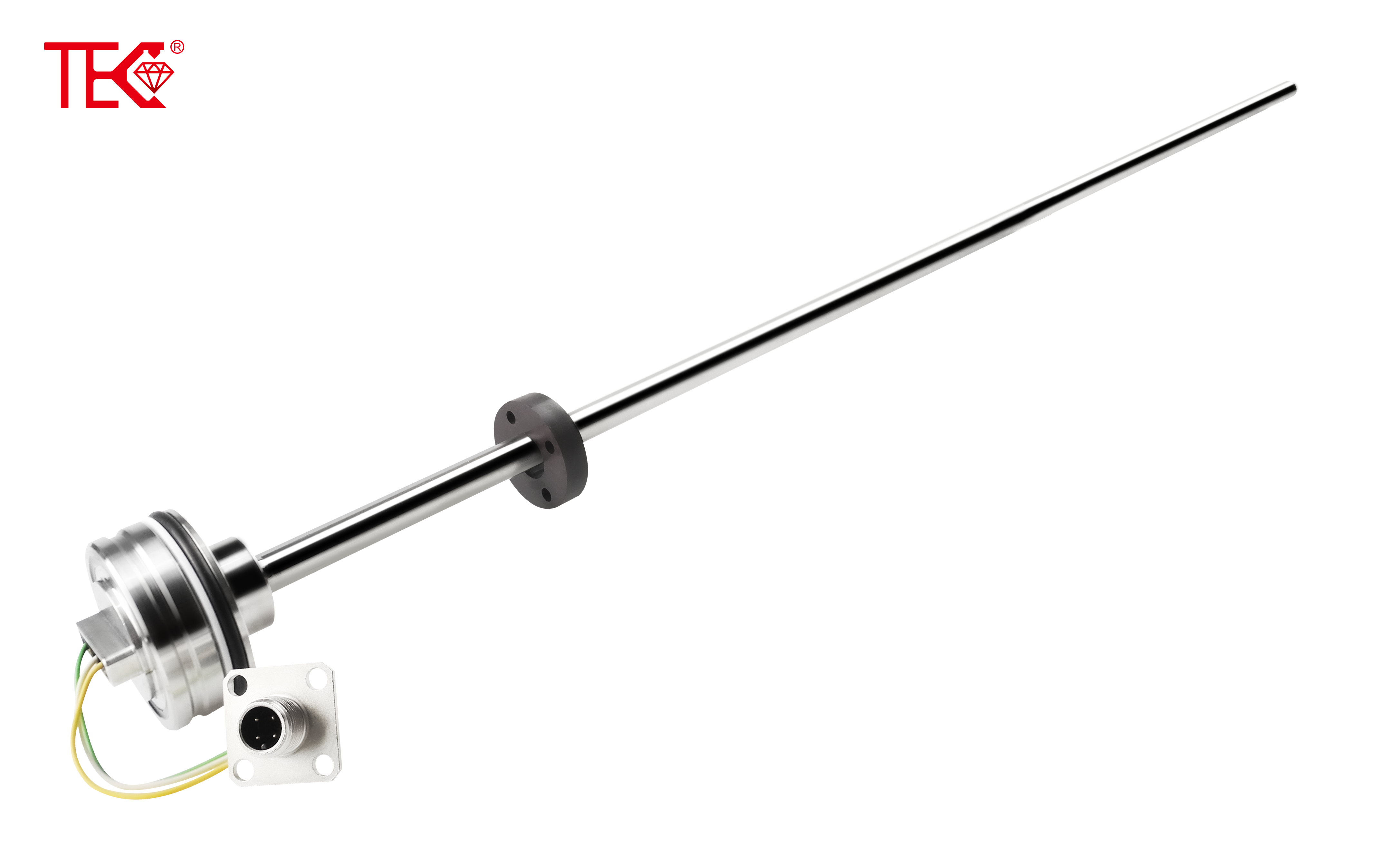
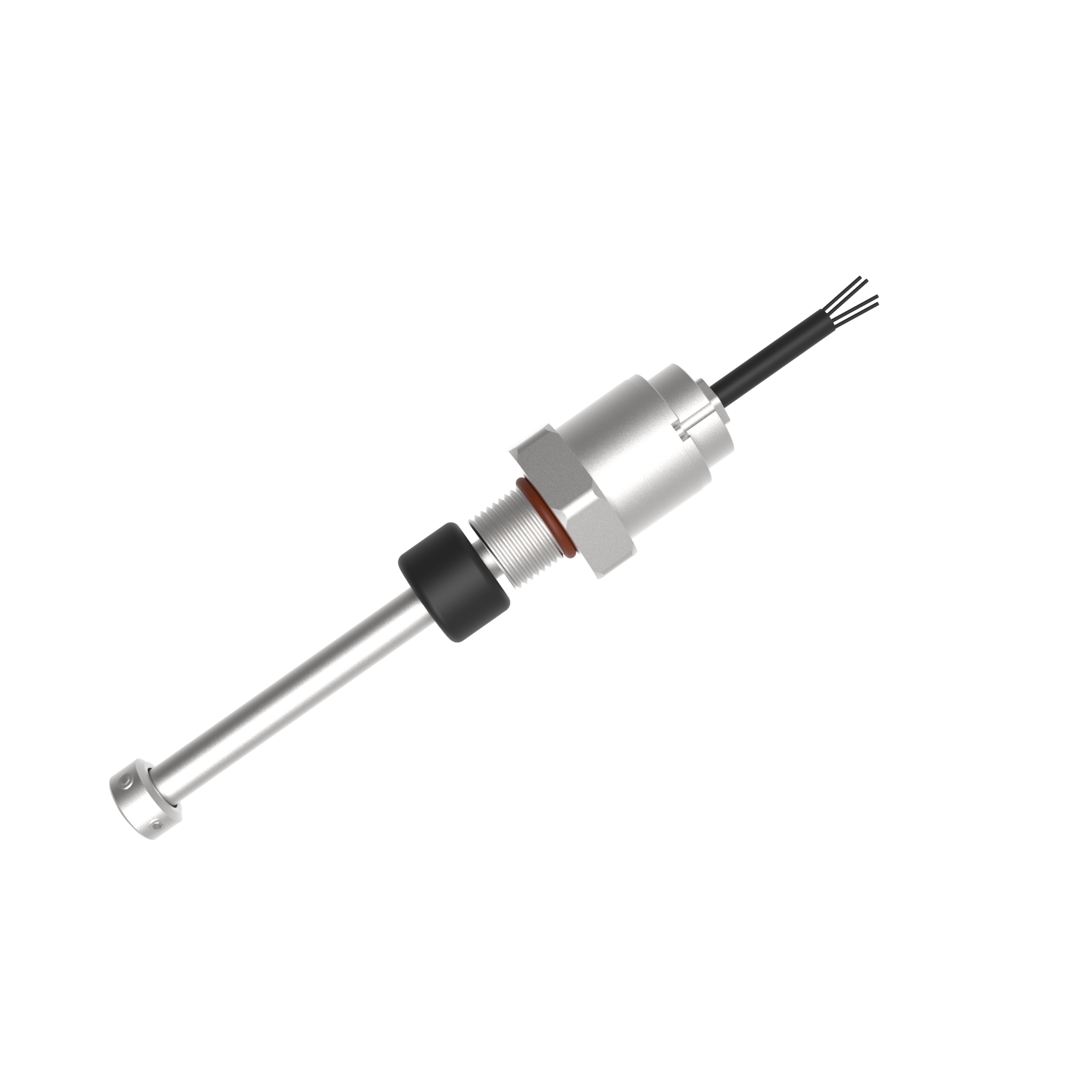 Mixing Station Material Tank E
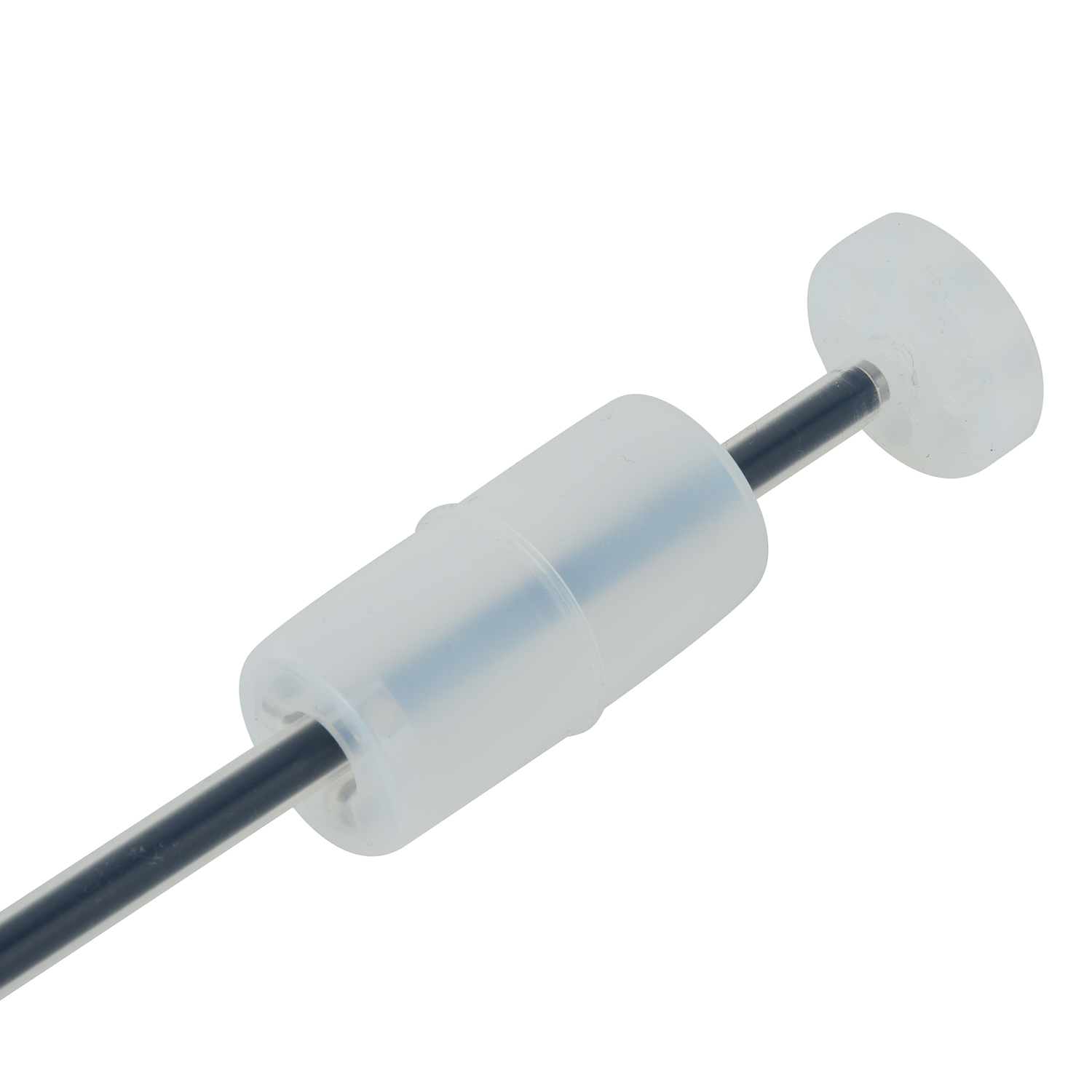 Grain and Oil Storage Tank Rod
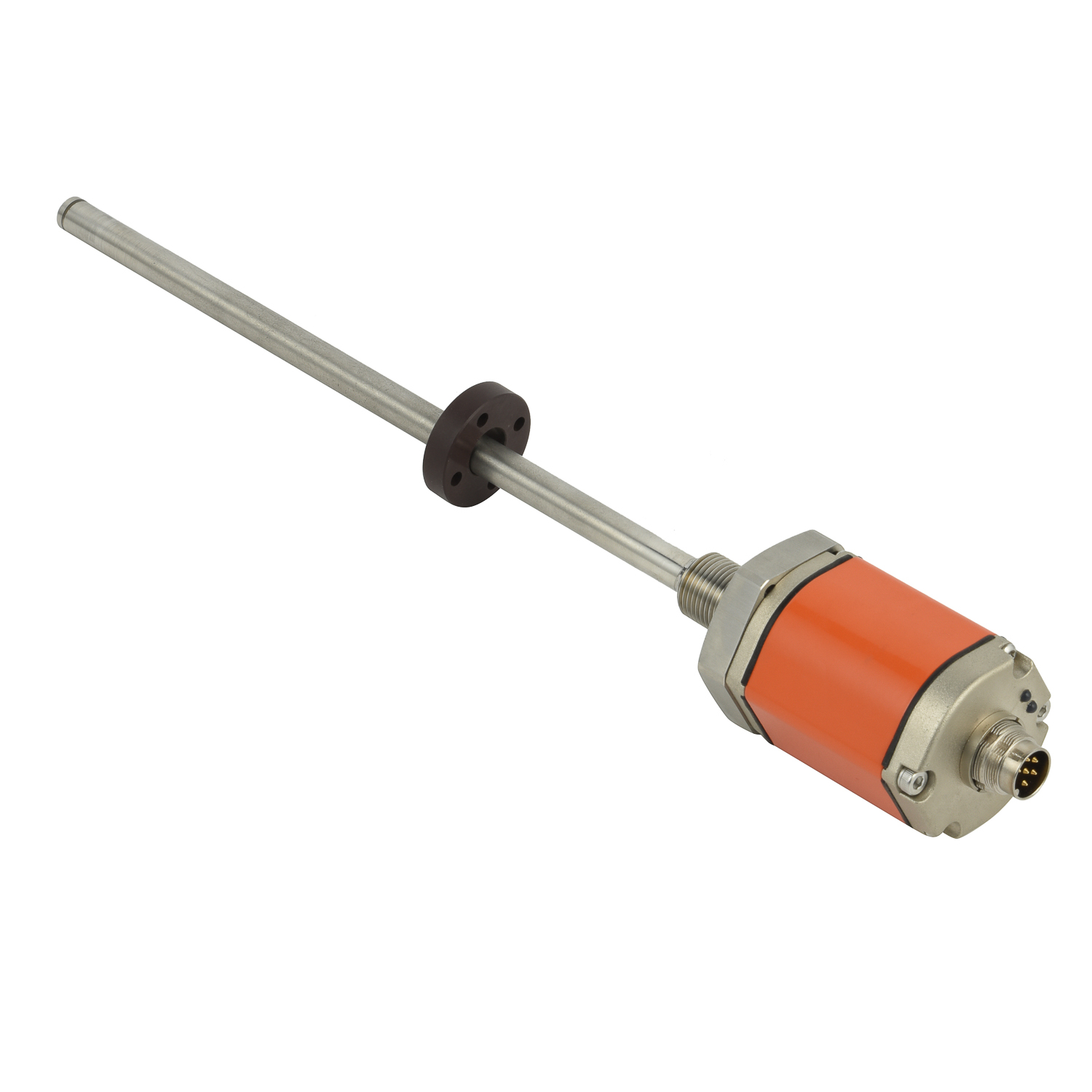 Power Plant Storage Tank Flang
Port Hoist Intrinsically Safe