
Mixing Station Material Tank Electromagnetic Flowmeter Field Application
In a mixing station, accurate material tank flow measurement directly affects batching consistency, material cost, and production stability. The electromagnetic flowmeter is widely used in this field because it offers low pressure loss, reliable measurement of conductive liquids and slurries, and good resistance to fouling when correctly installed. For field application, the meter should be mounted on a full pipe section, away from pumps, valves, and strong vibration. Upstream and downstream straight pipe lengths must meet the manufacturer's requirements, and the grounding rings or grounding electrodes must be connected properly to reduce interference. The material tank often contains water, additives, slurries, or recycled mixtures, so the flowmeter lining and electrodes should match the medium's corrosiveness and abrasion. During commissioning, verify the conductivity range, set the flow range and damping, and check zero under full-pipe no-flow conditions. In daily operation, operators should monitor signal stability, clean electrodes when necessary, and inspect sealing and cable entry to prevent moisture. Regular calibration and trend comparison help detect drift and blockages early. With correct selection, installation, and maintenance, the electromagnetic flowmeter provides stable flow feedback for mixing station material tanks, supports precise batching, reduces waste, and improves overall production efficiency. Routine inspection also extends service life and avoids unplanned downtime.
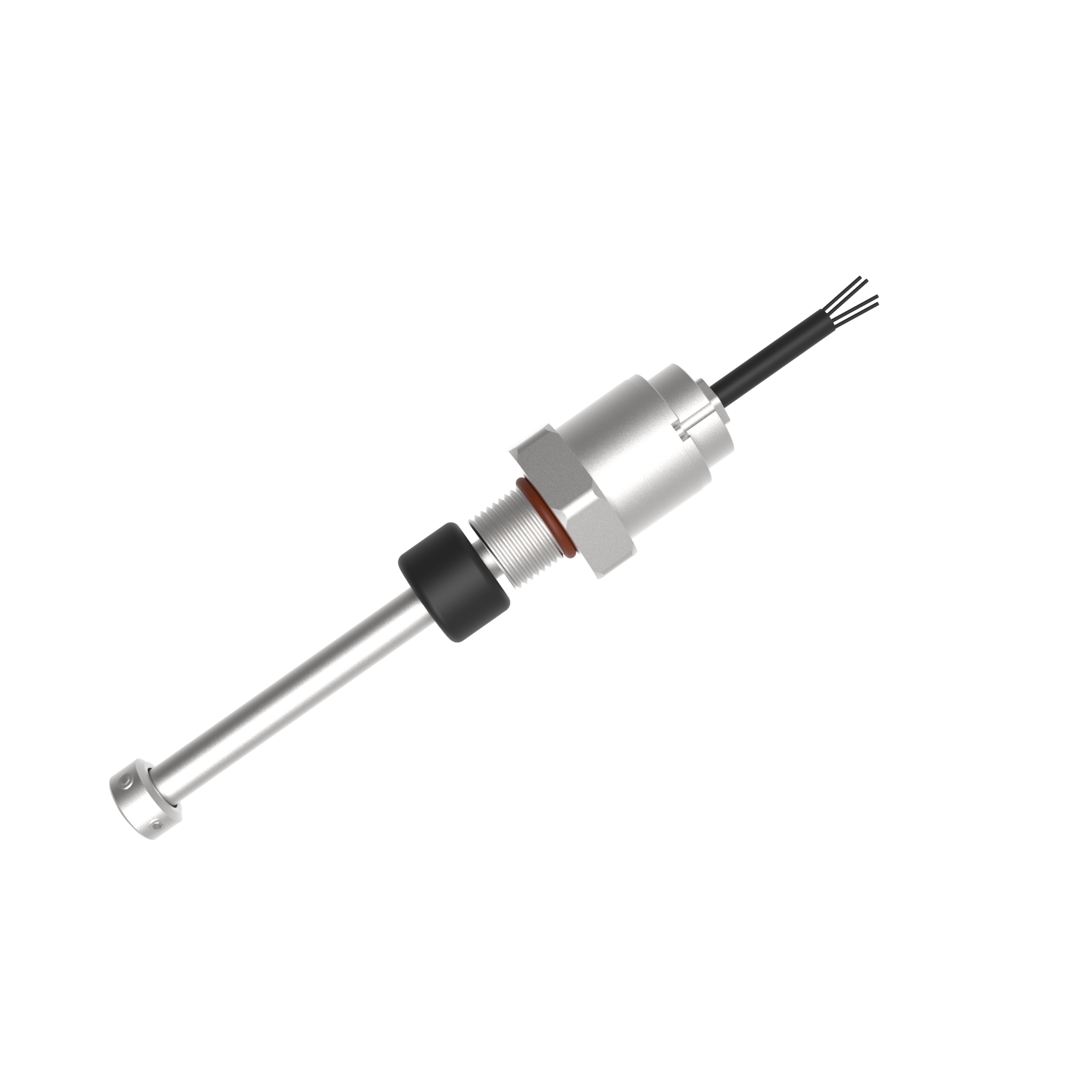 Mixing Station Material Tank E
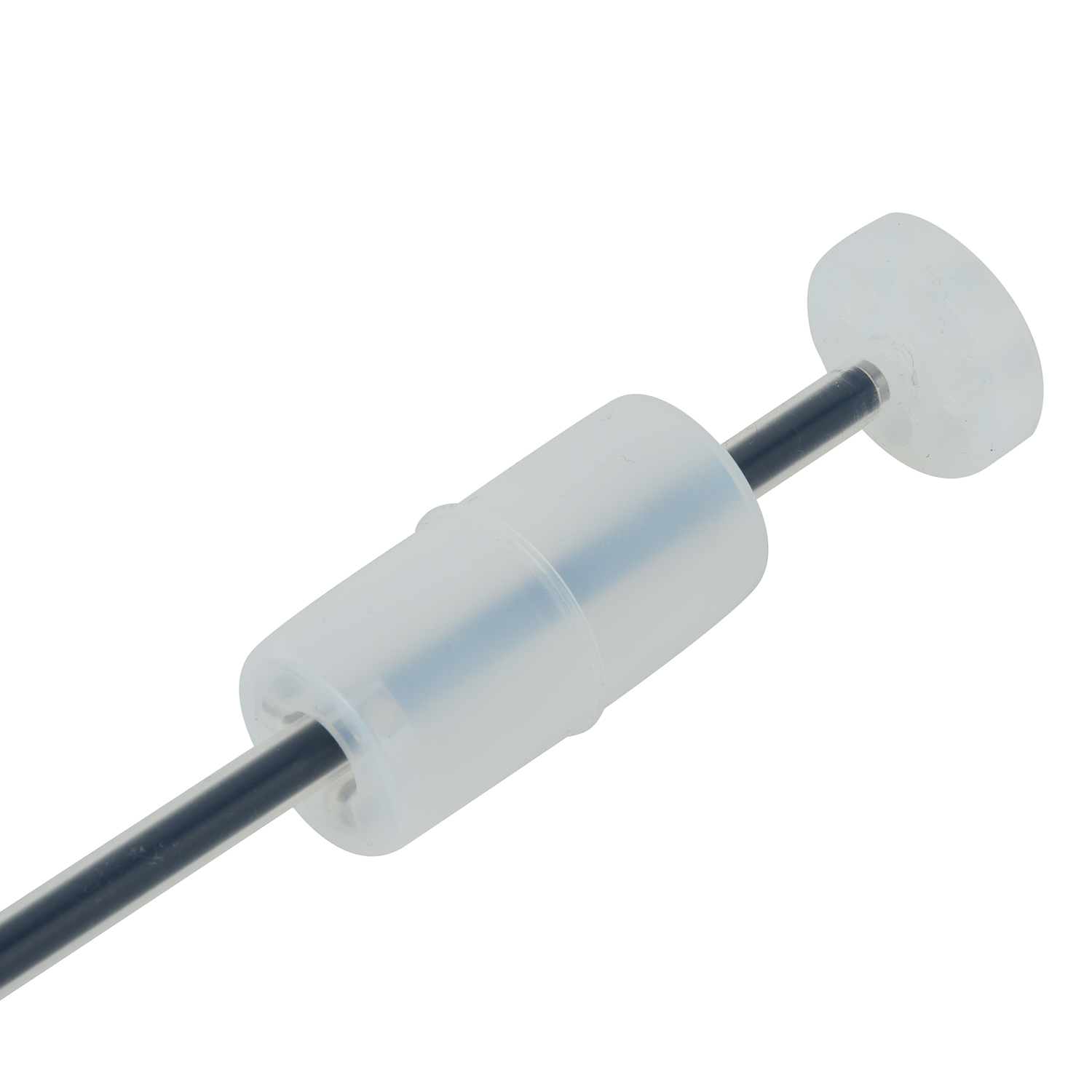 Grain and Oil Storage Tank Rod
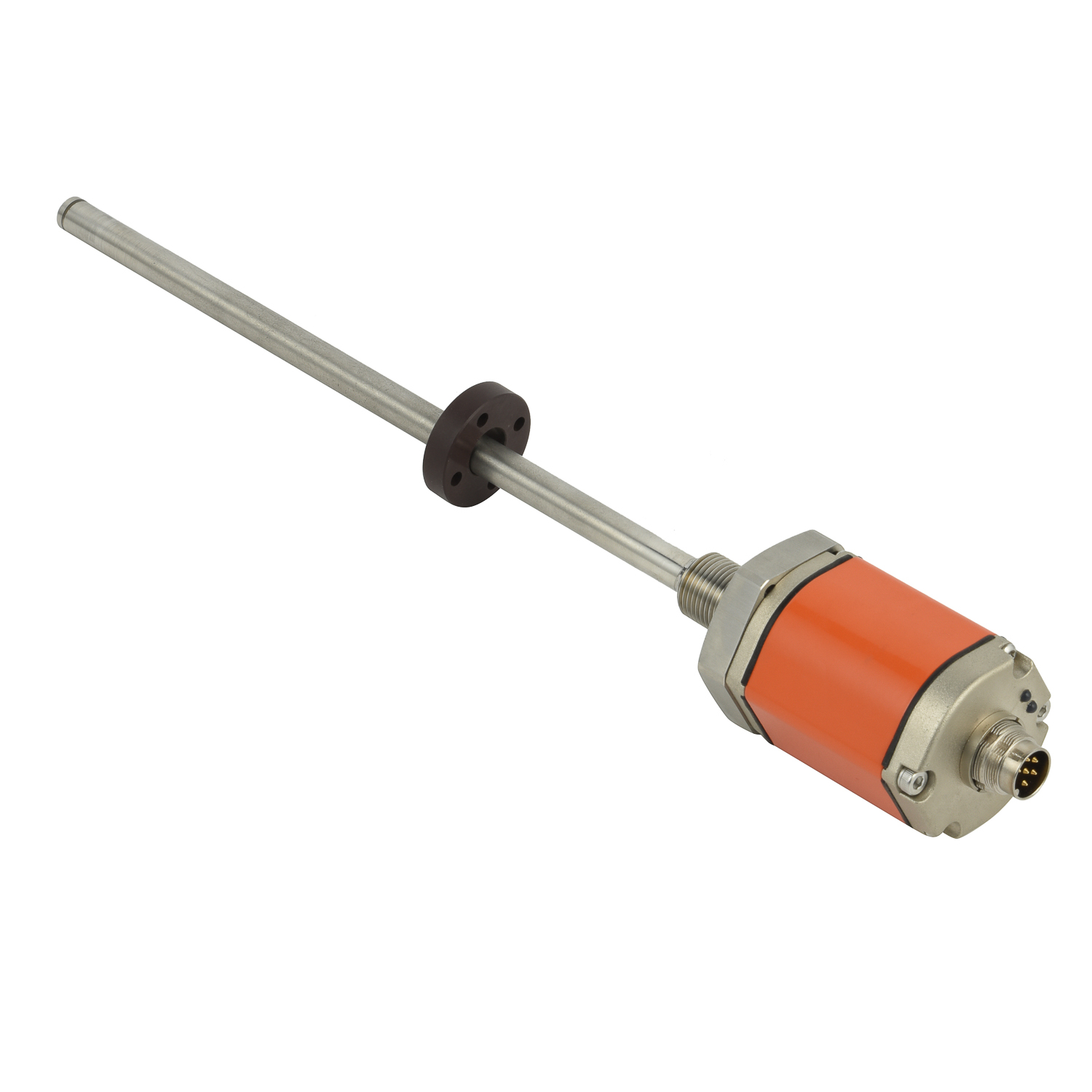 Power Plant Storage Tank Flang
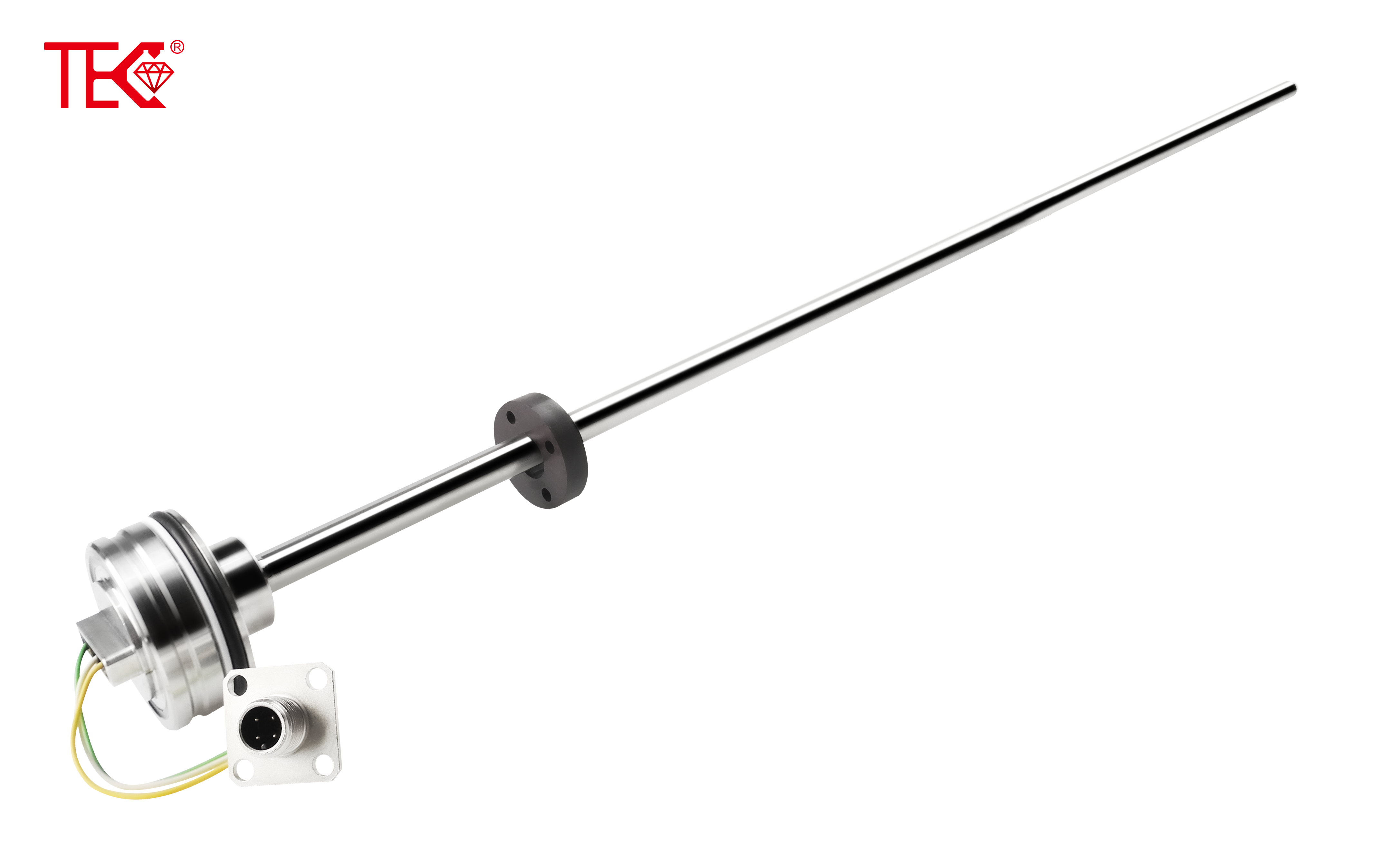 Port Hoist Intrinsically Safe