
Silo High-temperature Radar Sensor Fault
High-temperature radar sensors in silos provide reliable level and inventory data, but heat, dust, condensation, and electrical instability can cause faults. Root causes include blocked ventilation, failed cooling fans, heat radiation from hot material, loose cable glands, moisture ingress, and incorrect parameter settings. Common symptoms include erratic readings, signal loss, sensor overheating alarms, and repeated echo errors. When a fault appears, first isolate the sensor and review the temperature trend. Check whether the silo temperature exceeds the sensor’s rated limit, confirm cooling or heat shielding is working, and inspect the antenna for dust, buildup, or damage. Structured check of alarm history, supply voltage, grounding resistance, and echo curve quality helps distinguish sensor failure from process interference. Verify wiring, grounding, and power supply because voltage fluctuations can mimic sensor failure. If the sensor is hot to the touch or shows internal temperature alarms, stop operation and allow controlled cooling; do not apply cold water or force-cool the housing. Clean the antenna with approved methods, reseat connectors, and perform a calibration or echo profile check. If readings remain unstable, replace the sensor with a high-temperature model rated for the silo’s peak conditions and add thermal protection. Preventive maintenance includes regular cleaning, temperature monitoring, cable inspection, and ensuring proper ventilation. Fast diagnosis reduces downtime, protects inventory accuracy, and extends sensor life in demanding industrial silo environments.
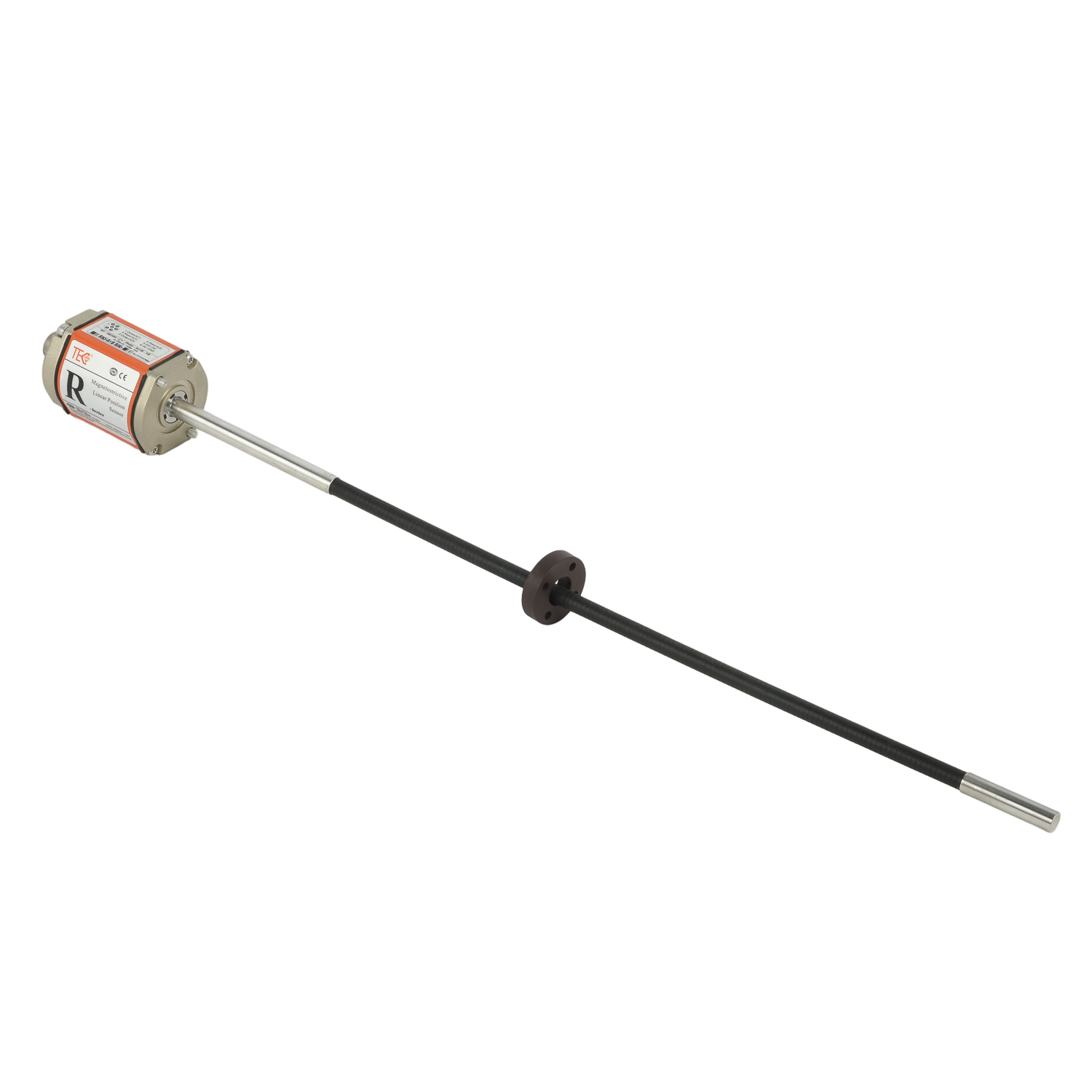
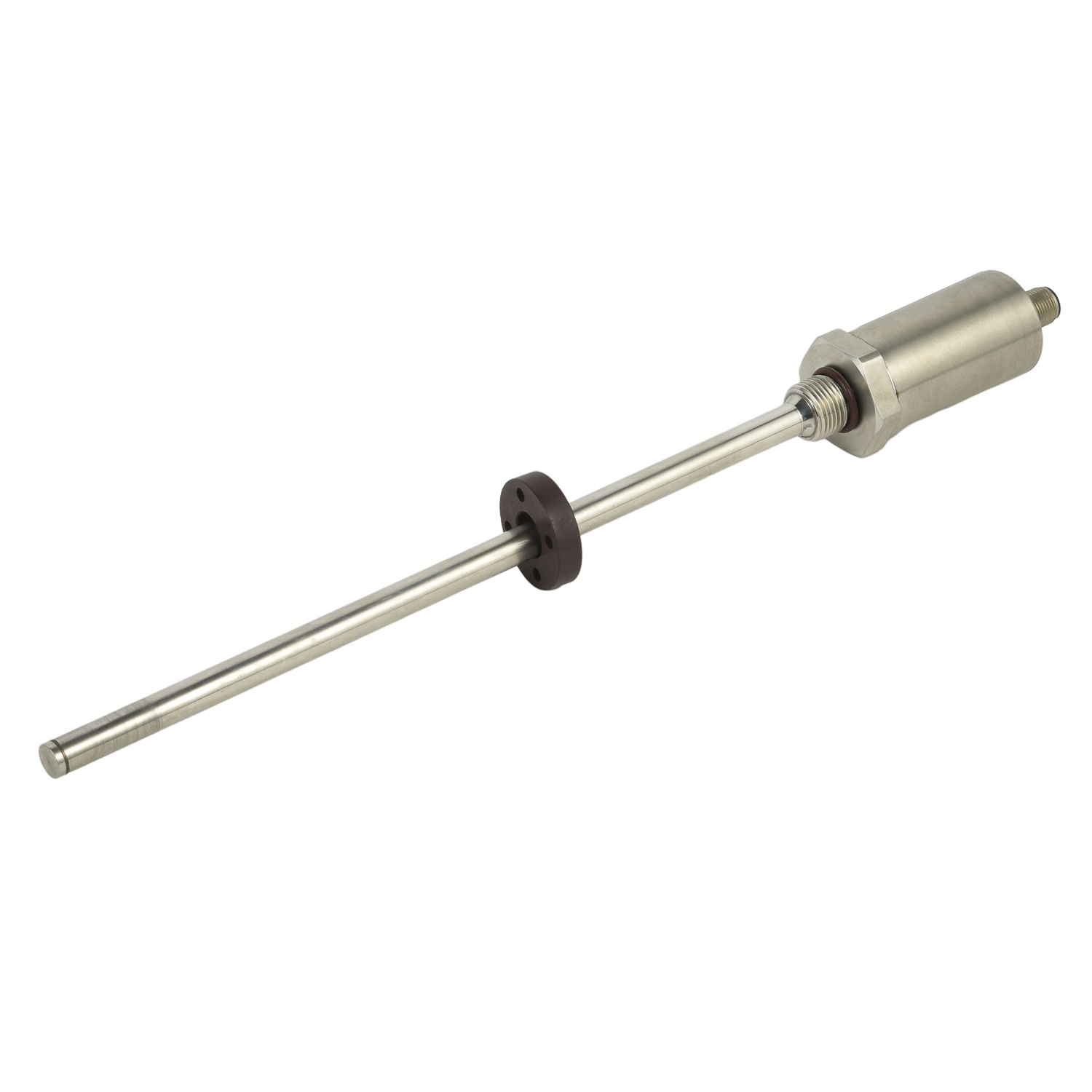 Shield Tunneling Storage Tank
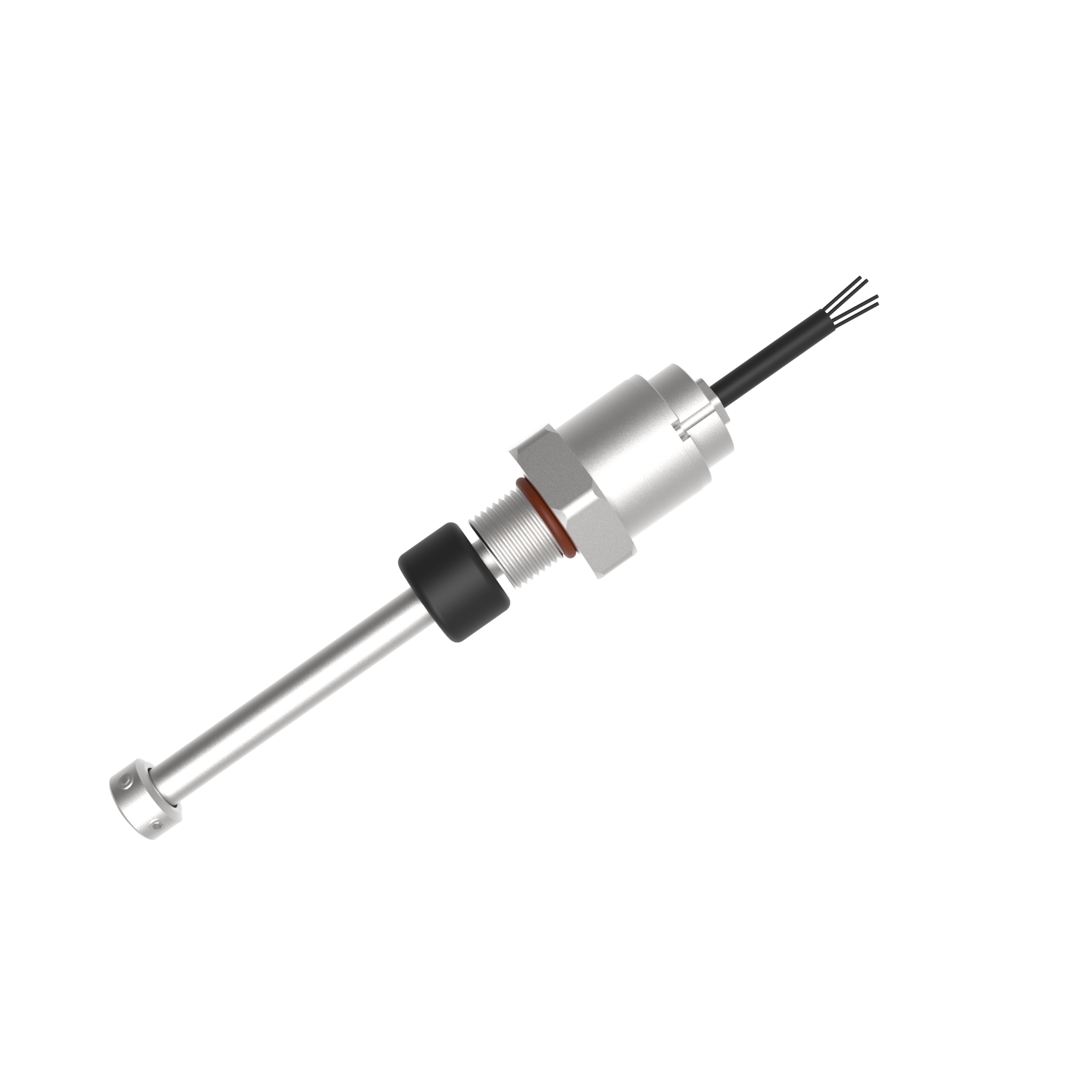 Mixing Station Material Tank E
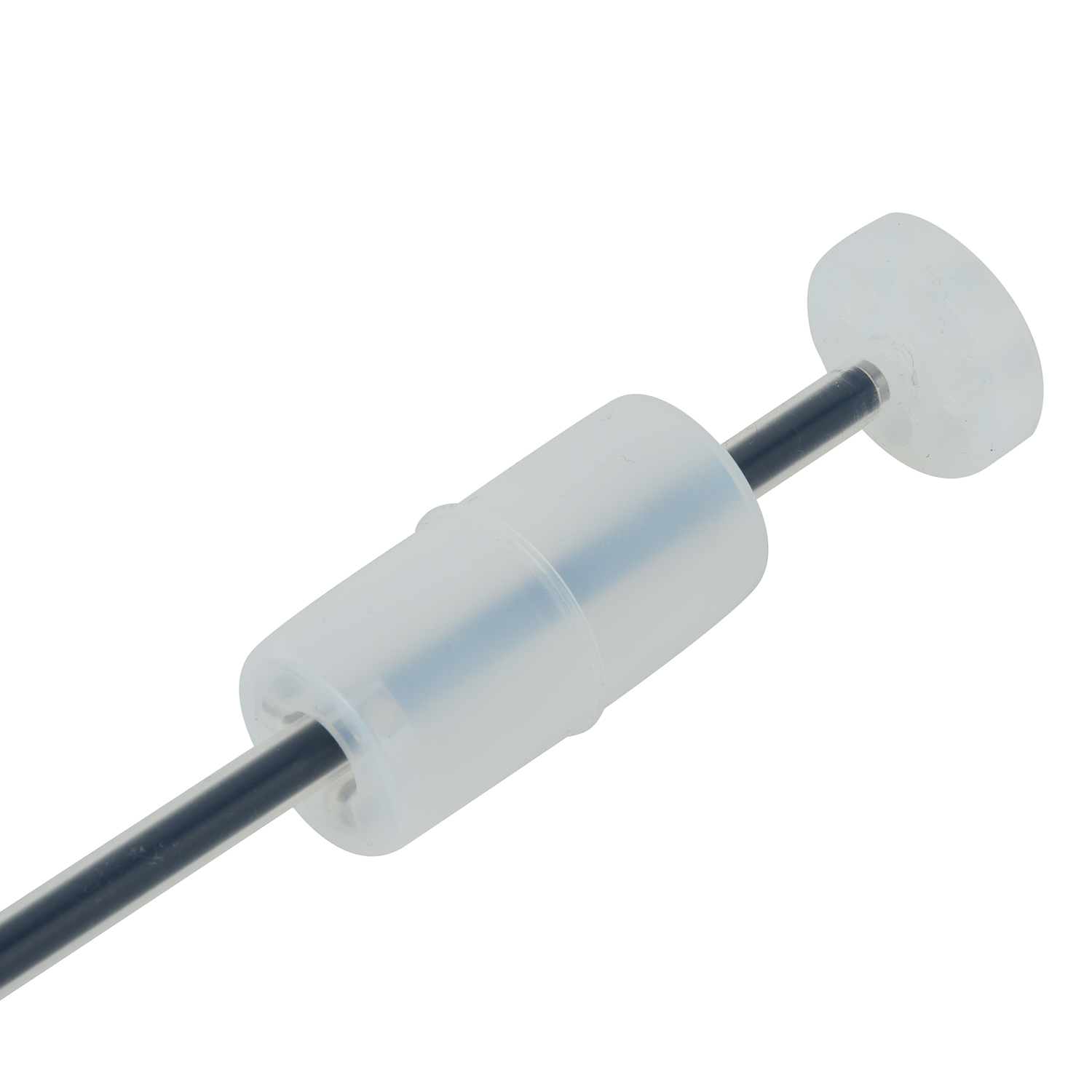 Grain and Oil Storage Tank Rod
 Power Plant Storage Tank Flang