
Shield Tunneling Storage Tank Electromagnetic Flowmeter Fault
Electromagnetic flowmeters in shield tunneling storage tanks monitor slurry, bentonite, water, and grout. Typical faults include zero drift, unstable readings, no signal, false empty-pipe alarms, and large errors. Troubleshooting should cover grounding, medium condition, installation, and instrument health.
Poor grounding is a leading cause. Stray currents from shield machines, pumps, and inverters can enter the signal circuit and cause fluctuation or zero drift. Bond the flowmeter, pipeline, and tank equipotentially; use grounding rings for insulated or plastic-lined pipes. Use shielded twisted-pair signal cables, ground the shield as specified, and keep cables away from power lines.
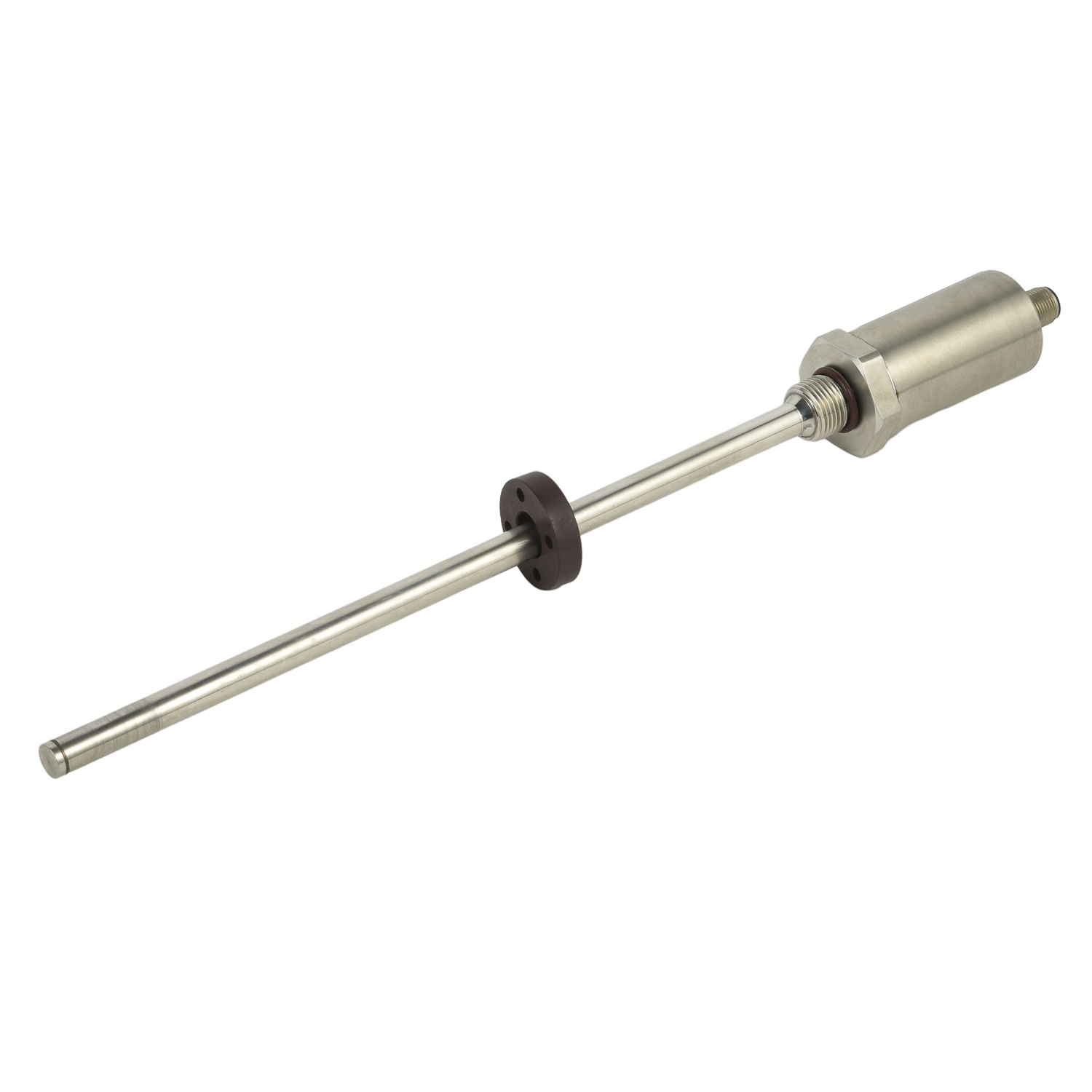
Electrode fouling is common in slurry and grout service. Bentonite, cement, grease, and foam can coat electrodes, reducing conductivity and causing low or zero readings. Clean electrodes with a soft brush and suitable solvent without scratching the liner. Inspect for liner abrasion, damaged seals, or cracked electrodes and replace worn parts.
Other causes include air bubbles, partial pipe filling, low conductivity, vibration, and electromagnetic interference. Install the meter where the pipe stays full, away from pumps and valves, and confirm conductivity and converter settings. Check coil resistance, zero calibration with a full no-flow pipe, and converter parameters. Regular cleaning, correct grounding, and preventive inspection improve reliability in shield tunneling storage tank applications.
Shield Tunneling Storage Tank
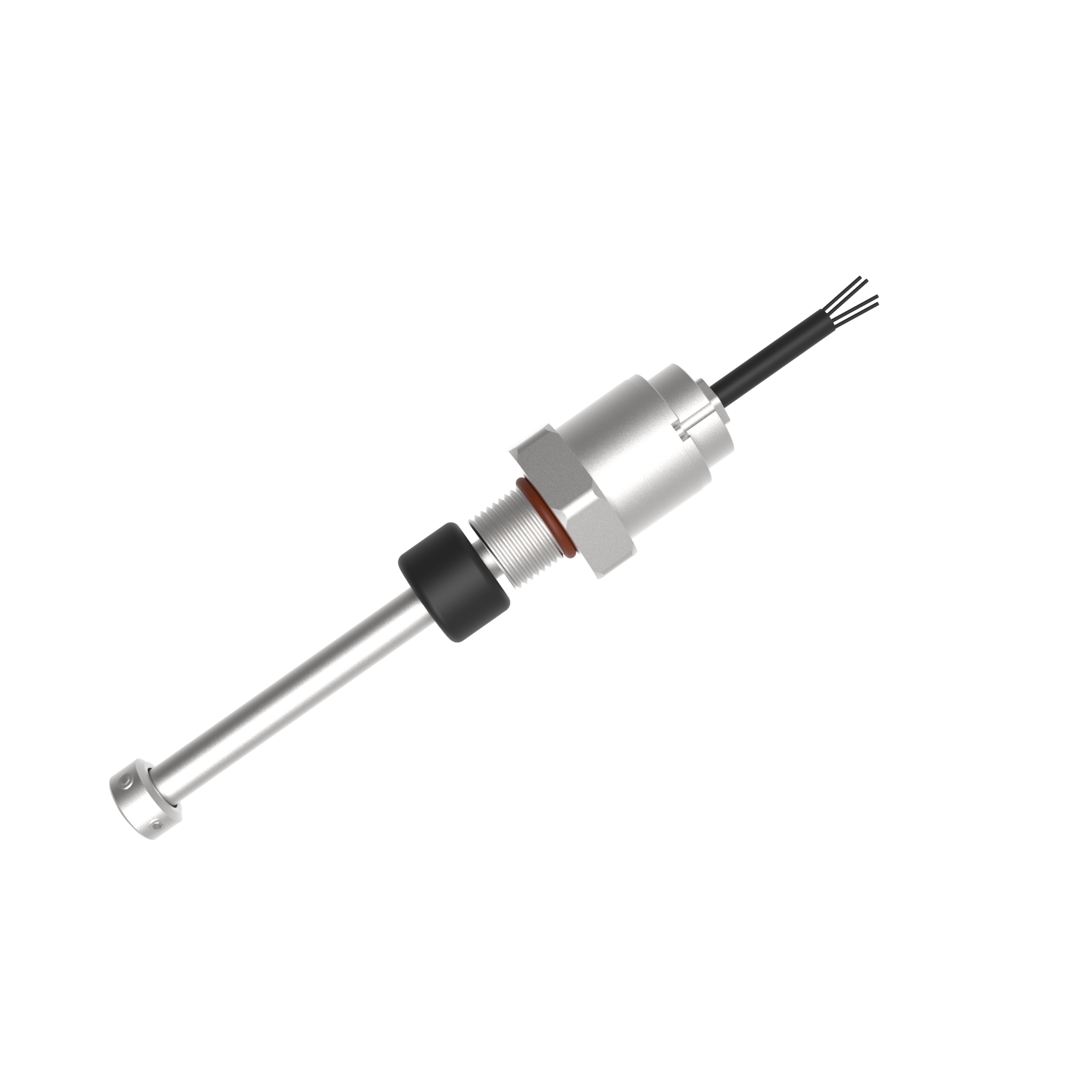 Mixing Station Material Tank E
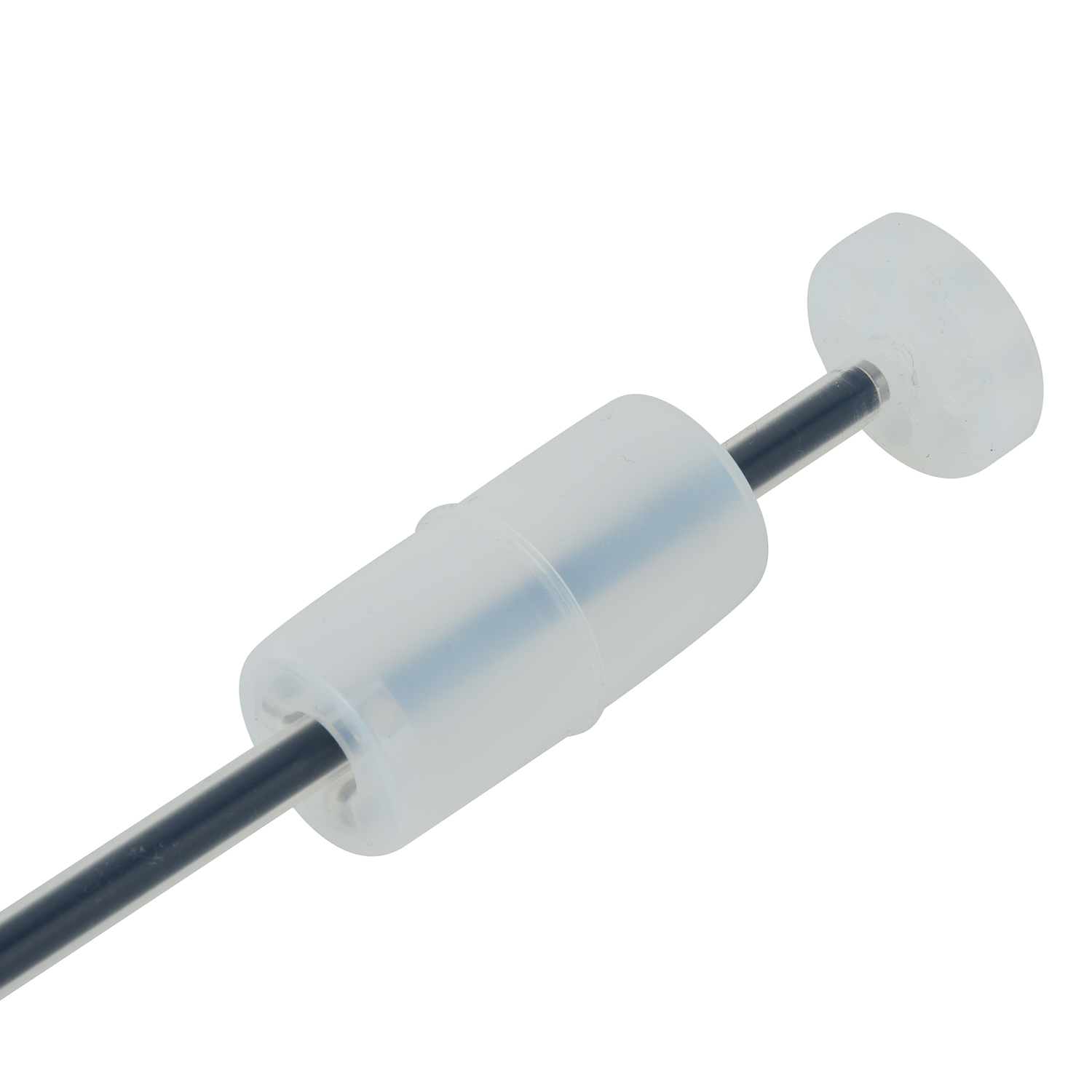 Grain and Oil Storage Tank Rod
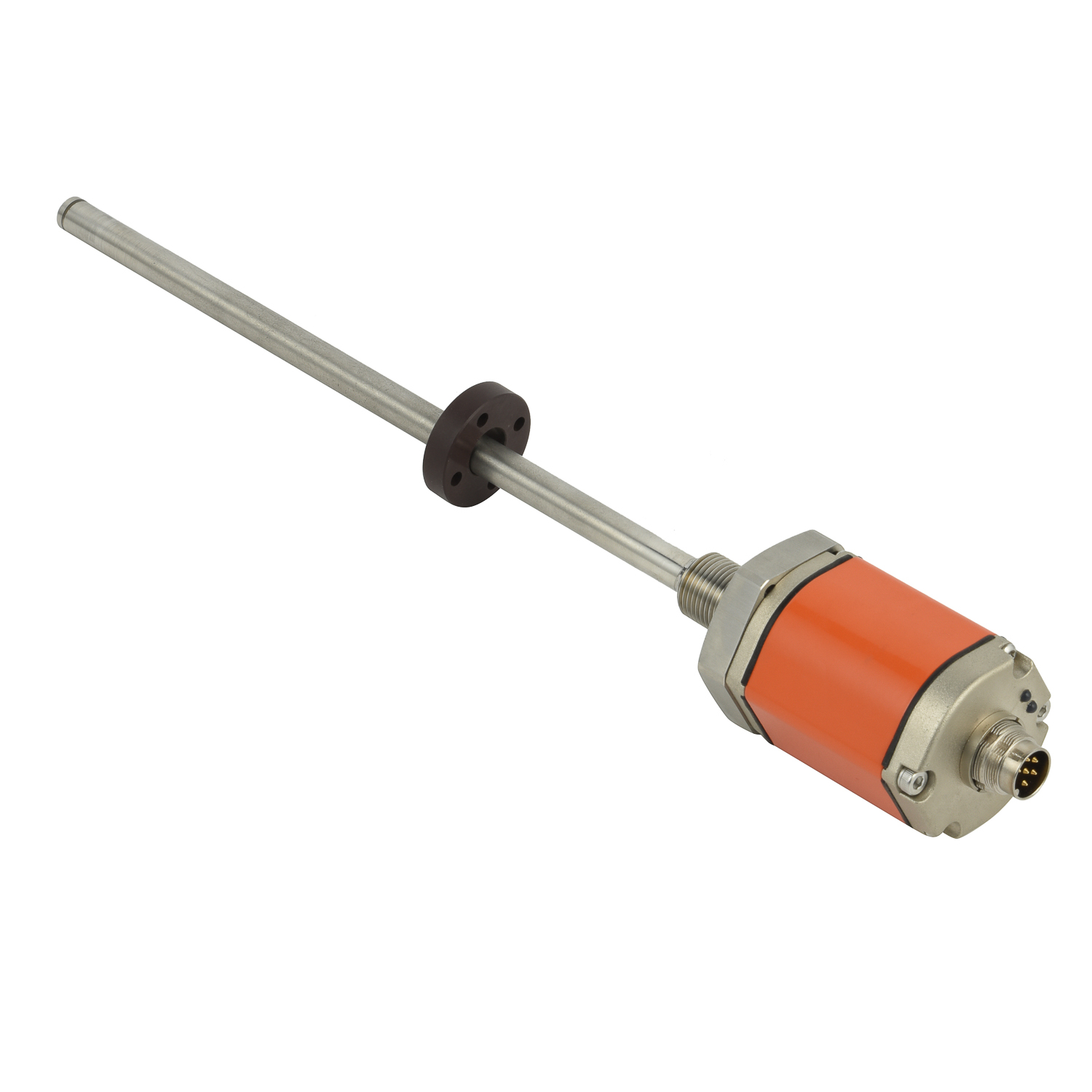 Power Plant Storage Tank Flang