
Reaction Kettle Explosion-proof Radar Sensor Field Application
Reaction kettles create a difficult measurement environment: high temperature, pressure, agitation, solvent vapor, foam, and condensation can defeat conventional level devices. An explosion-proof radar sensor is increasingly used in field applications because it provides continuous, non-contact level measurement without moving parts. Using 80 GHz FMCW radar, the sensor emits a narrow beam through a PTFE or ceramic lens and receives weak echoes from the product surface. Its Ex d or Ex ia housing meets ATEX and IECEx requirements for flammable solvent zones, while the process connection and antenna are rated for reactor pressure and temperature. In a typical installation, the sensor mounts on a top nozzle away from the agitator shaft and inlet stream. During commissioning, operators record the empty spectrum, suppress false echoes from coils and baffles, and set the dielectric constant range. The radar then tracks level through vapor and light foam, helping control charging, heating, reflux, and discharge. It also supports batch endpoint detection and overfill alarms. The lens should be kept clean and checked during shutdowns. When selected correctly, the sensor delivers reliable readings from low to high levels and remains stable during pressure swings and rapid temperature changes. Field experience shows that explosion-proof radar sensors reduce cleaning and maintenance, improve operator safety, and increase batch consistency in chemical, pharmaceutical, and agrochemical reaction kettles.
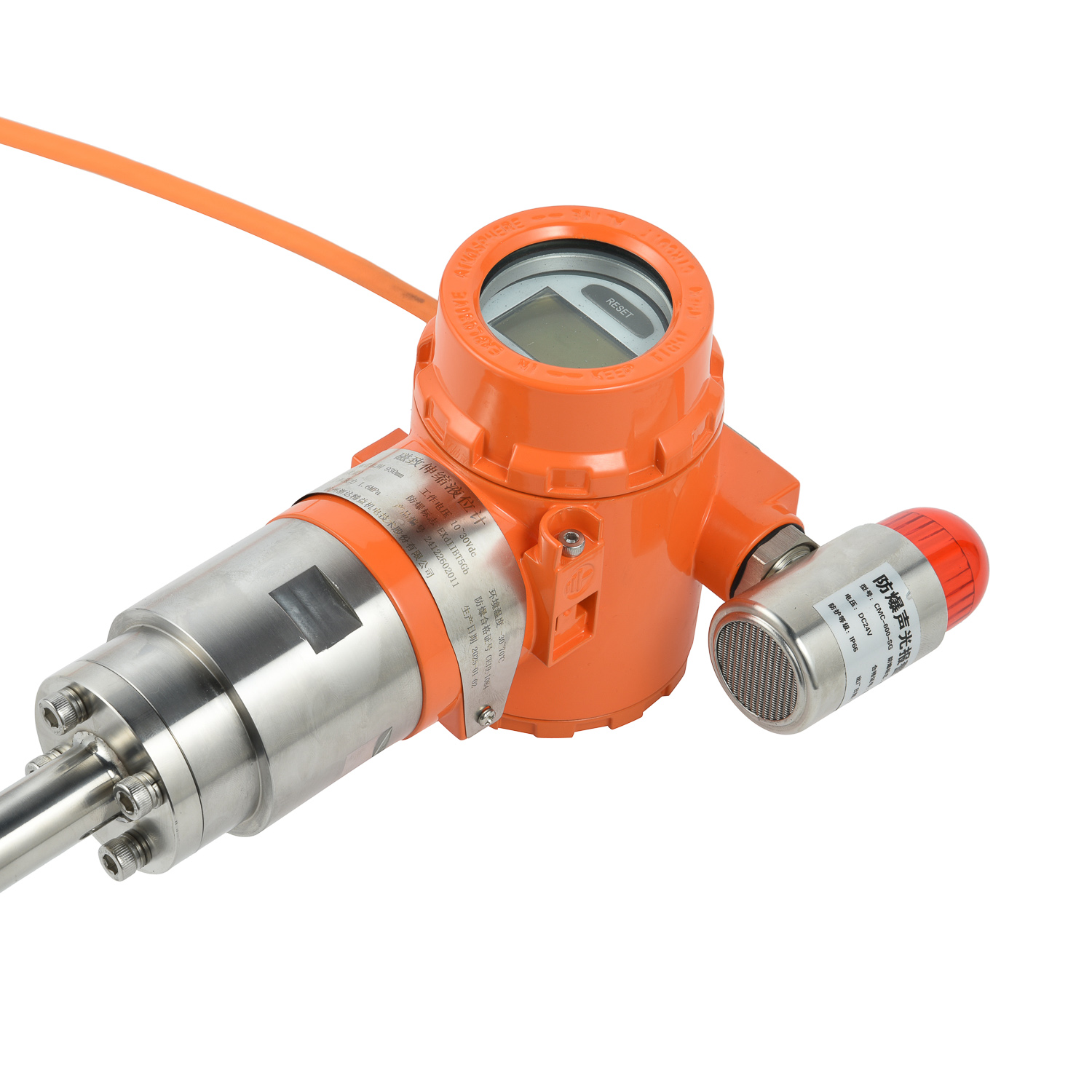
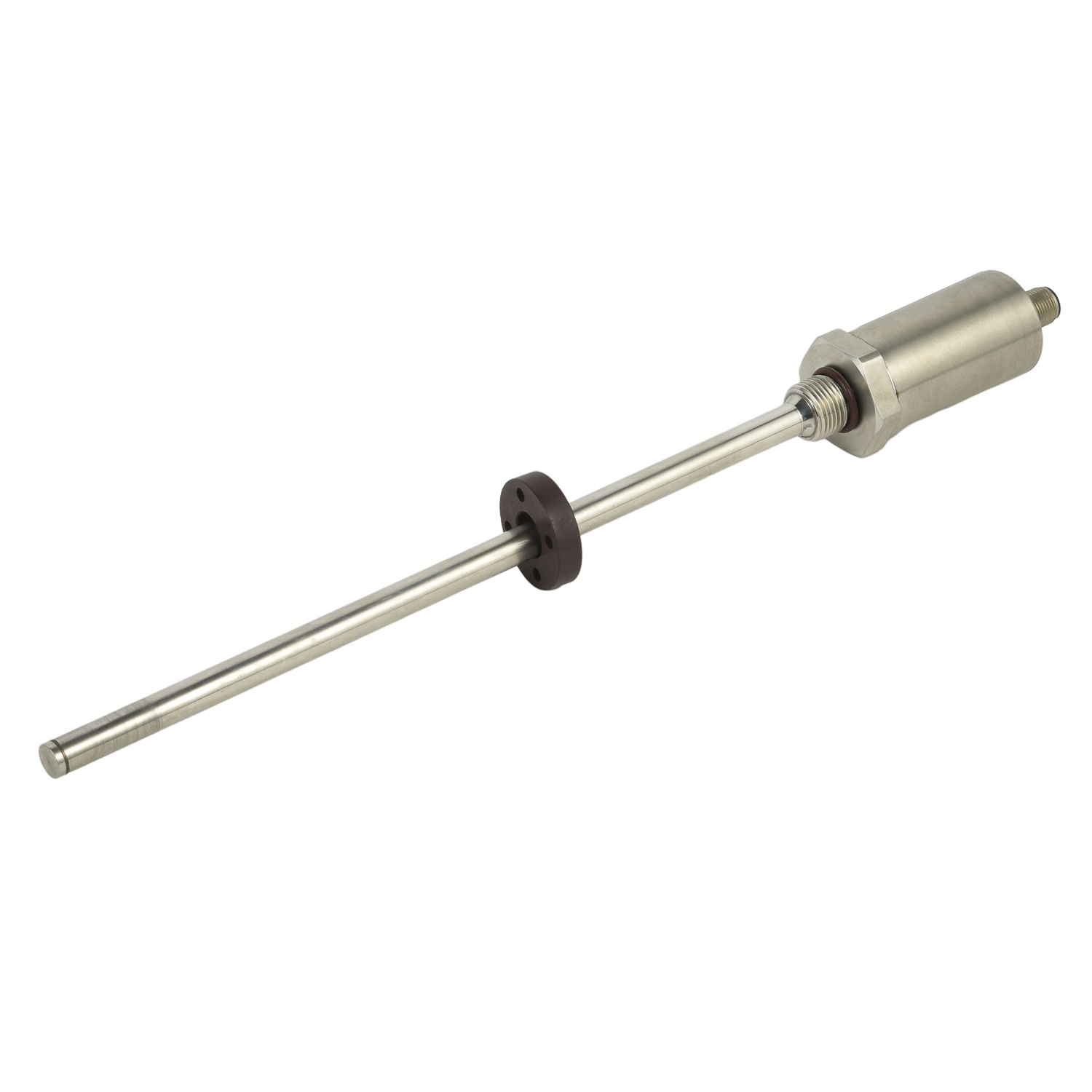 Shield Tunneling Storage Tank
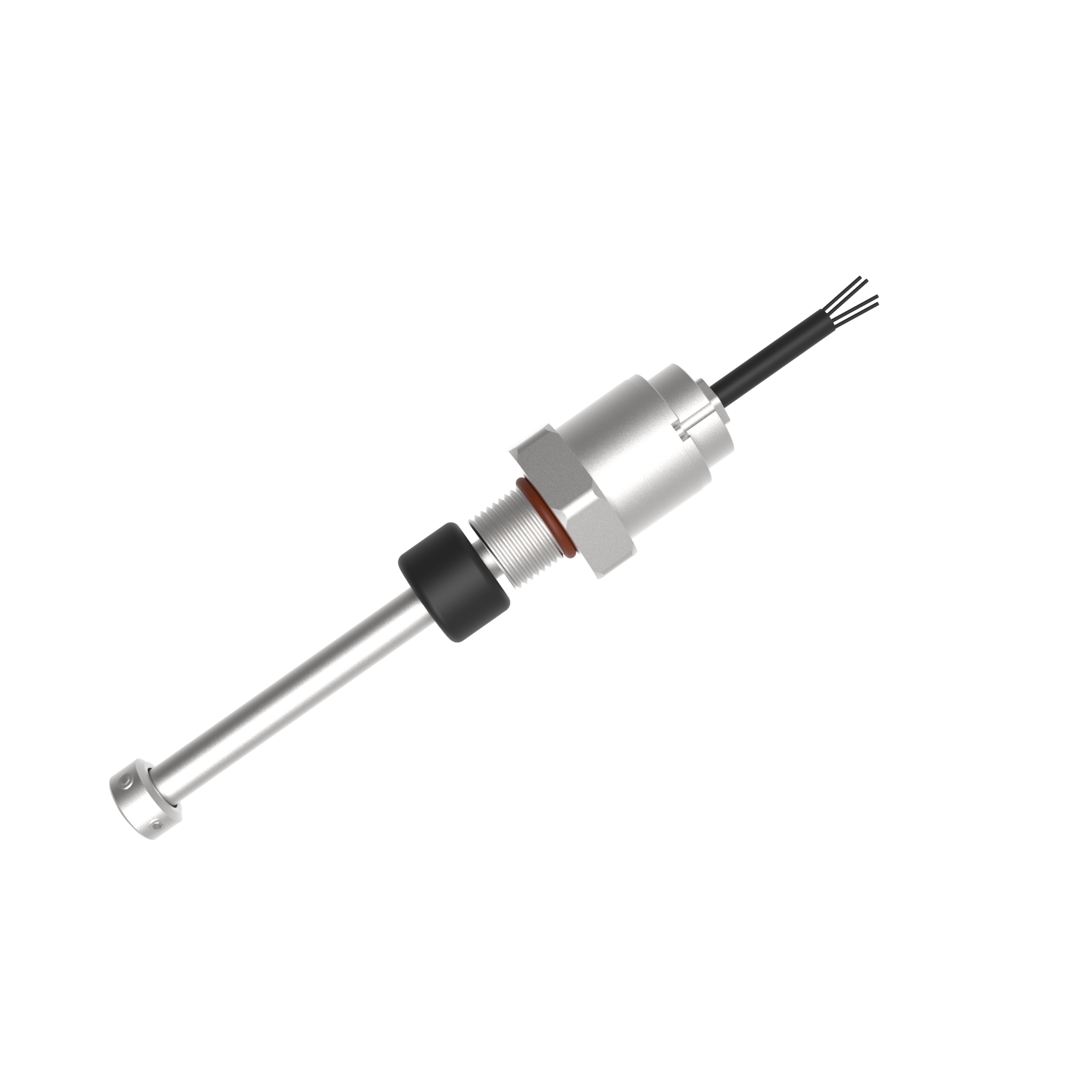 Mixing Station Material Tank E
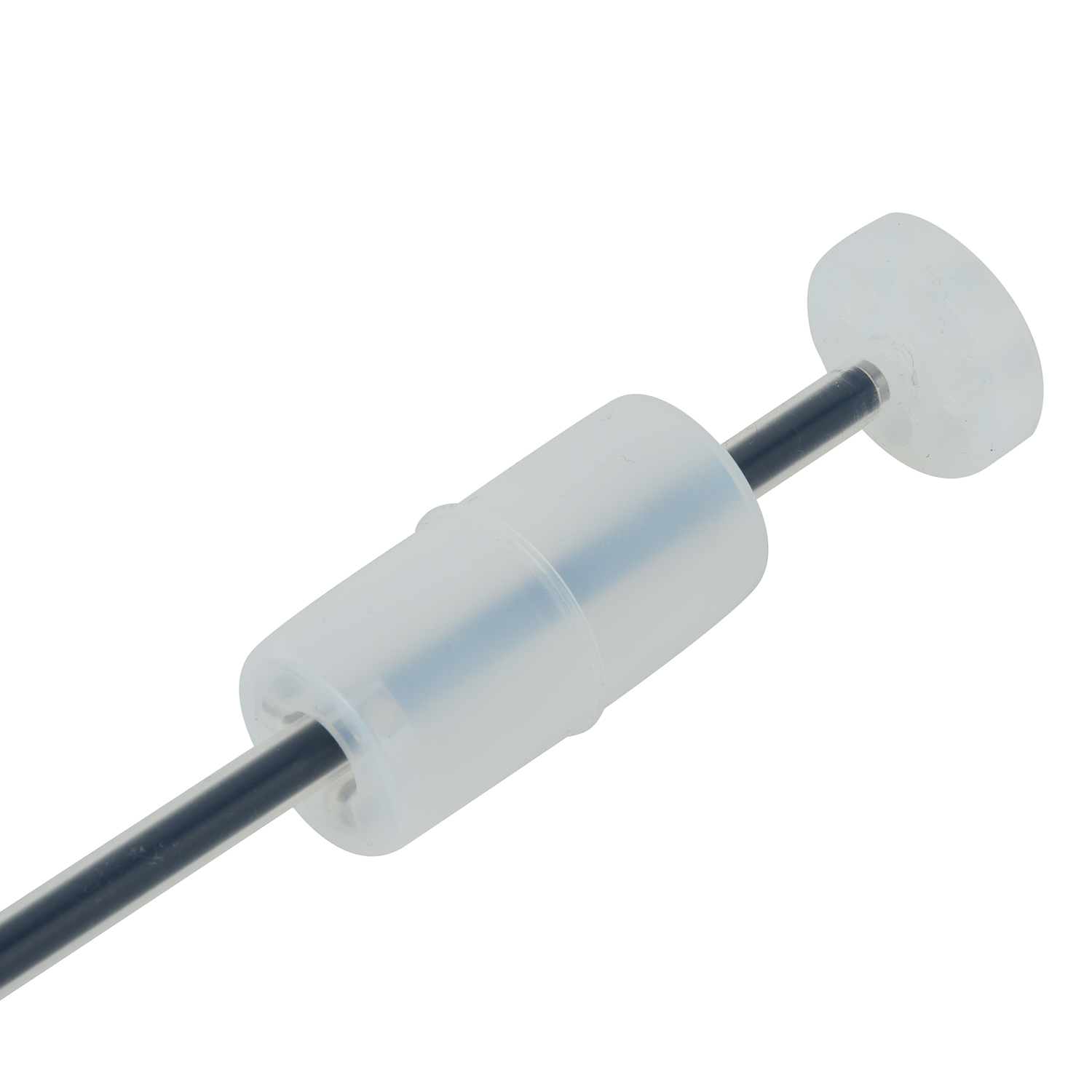 Grain and Oil Storage Tank Rod
 Power Plant Storage Tank Flang