
Shield Tunneling Corrosion-resistant Crane and Trolley Positioning Fault
In shield tunneling, corrosion-resistant cranes lift precast segments, spoil boxes, and maintenance tools in humid, salty, and abrasive conditions. Trolley positioning faults are serious because they can stop segment supply, cause load sway, and trigger unsafe emergency braking. Typical symptoms include inaccurate stopping points, repeated limit-switch alarms, encoder drift, motor overload, uneven travel, and sudden emergency stops. Frequent causes are moisture ingress into sensors, corroded plugs, contaminated rails, loose encoder couplings, worn wheels, brake drag, and electromagnetic interference from inverters or welding work. Fault diagnosis should begin with safe isolation and manual mode checks. Confirm emergency stops, limit switches, and rail condition, then inspect the encoder, cable shielding, and drive coupling. Compare the commanded position with the actual position on the PLC. Test brake release, inverter output, motor current, and insulation resistance. Review alarm history for intermittent signals and check grounding to reduce noise. Corrective actions include replacing sealed connectors, cleaning and lubricating rails, recalibrating the encoder, tightening couplings, and replacing worn wheels. Preventive maintenance should combine daily position verification, weekly corrosion inspections, cable checks, operator training, and safety reviews. A clear structured troubleshooting record helps identify repeat faults and improves crane reliability in shield tunneling.
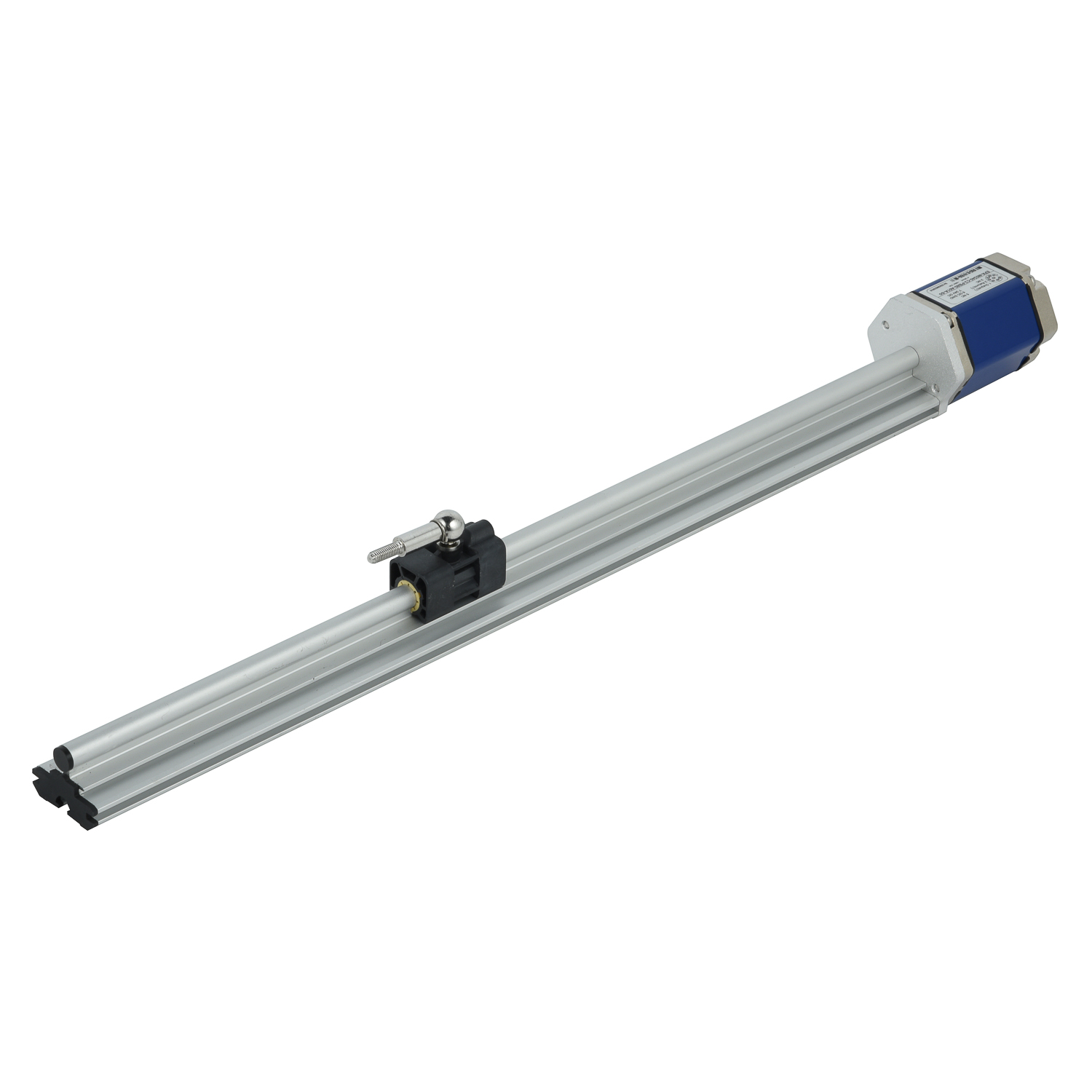
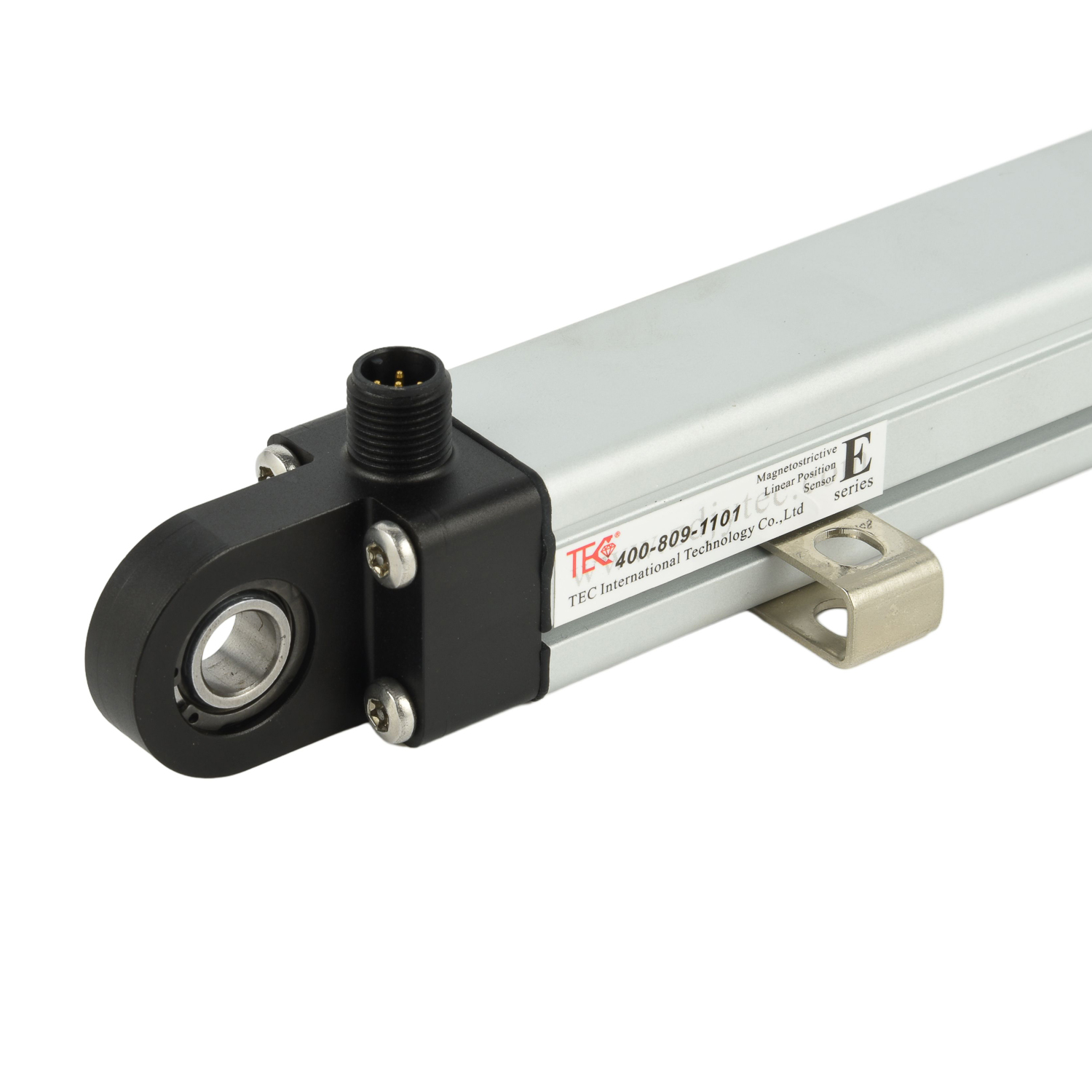 Overhead Crane High-pressure C
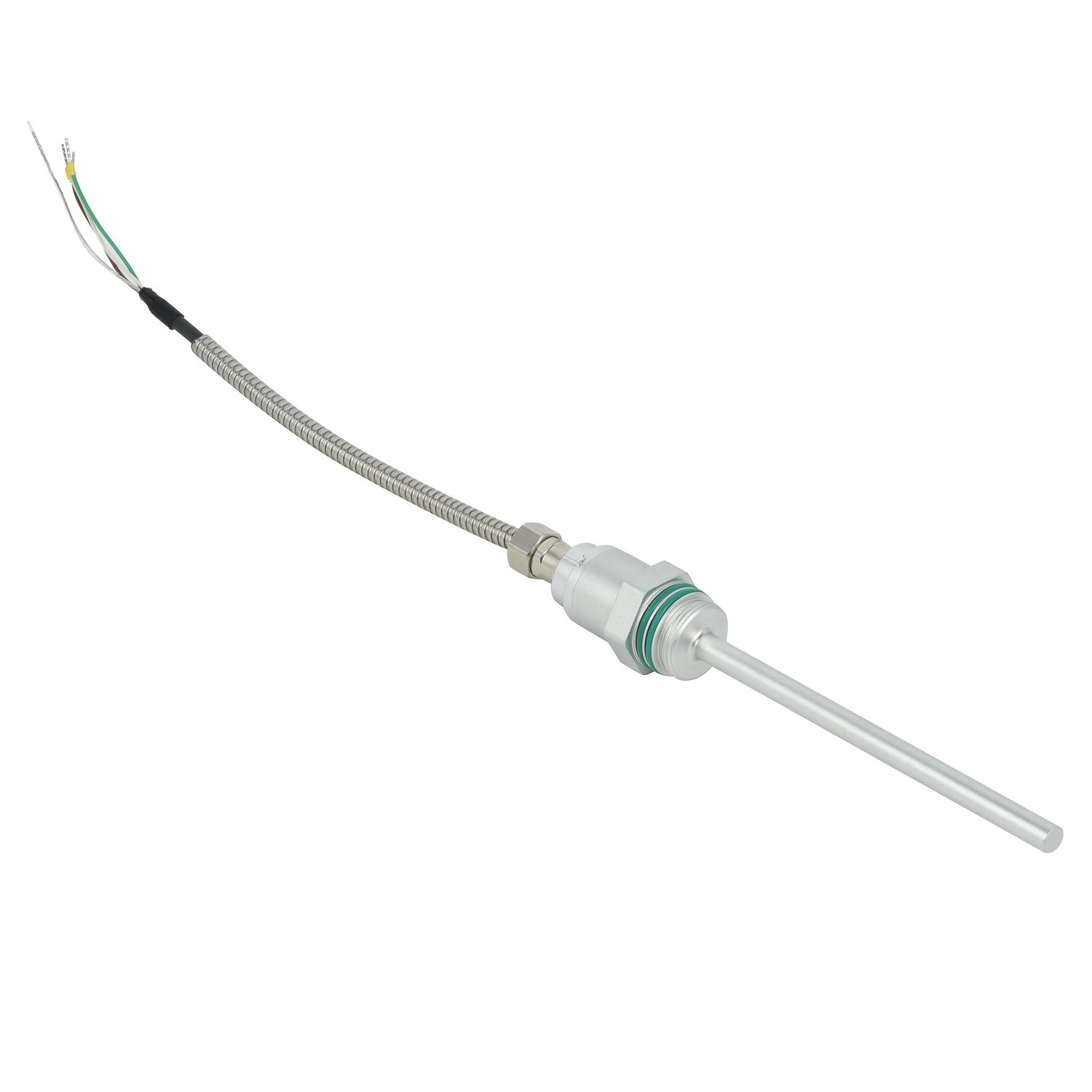 Stacker-reclaimer High-tempera
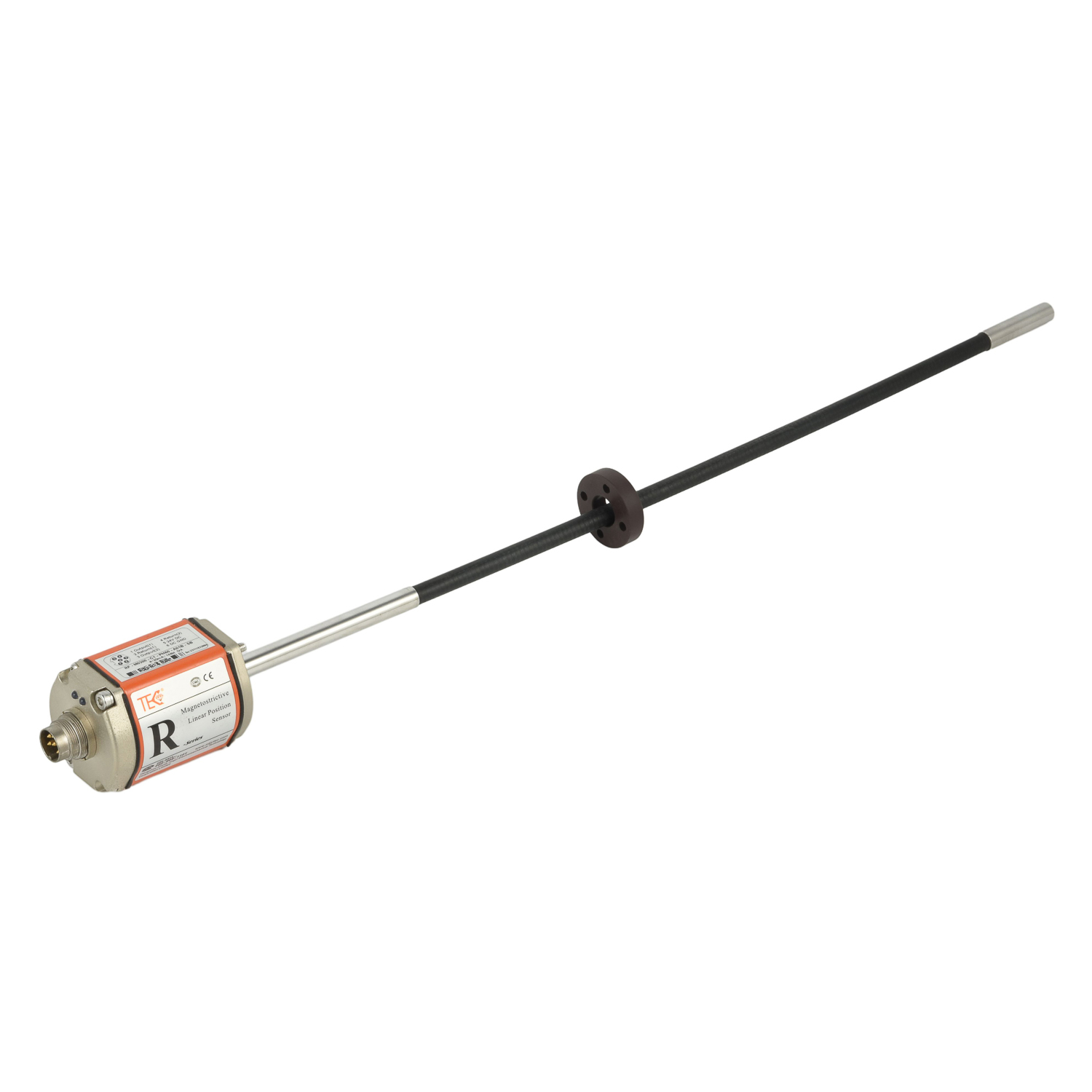 Bucket Wheel Stacker-reclaimer
 Mixing Station Explosion-proof