
Port Overhead Crane Intrinsically Safe Explosion-proof Crane and Trolley Positioning Installation Method
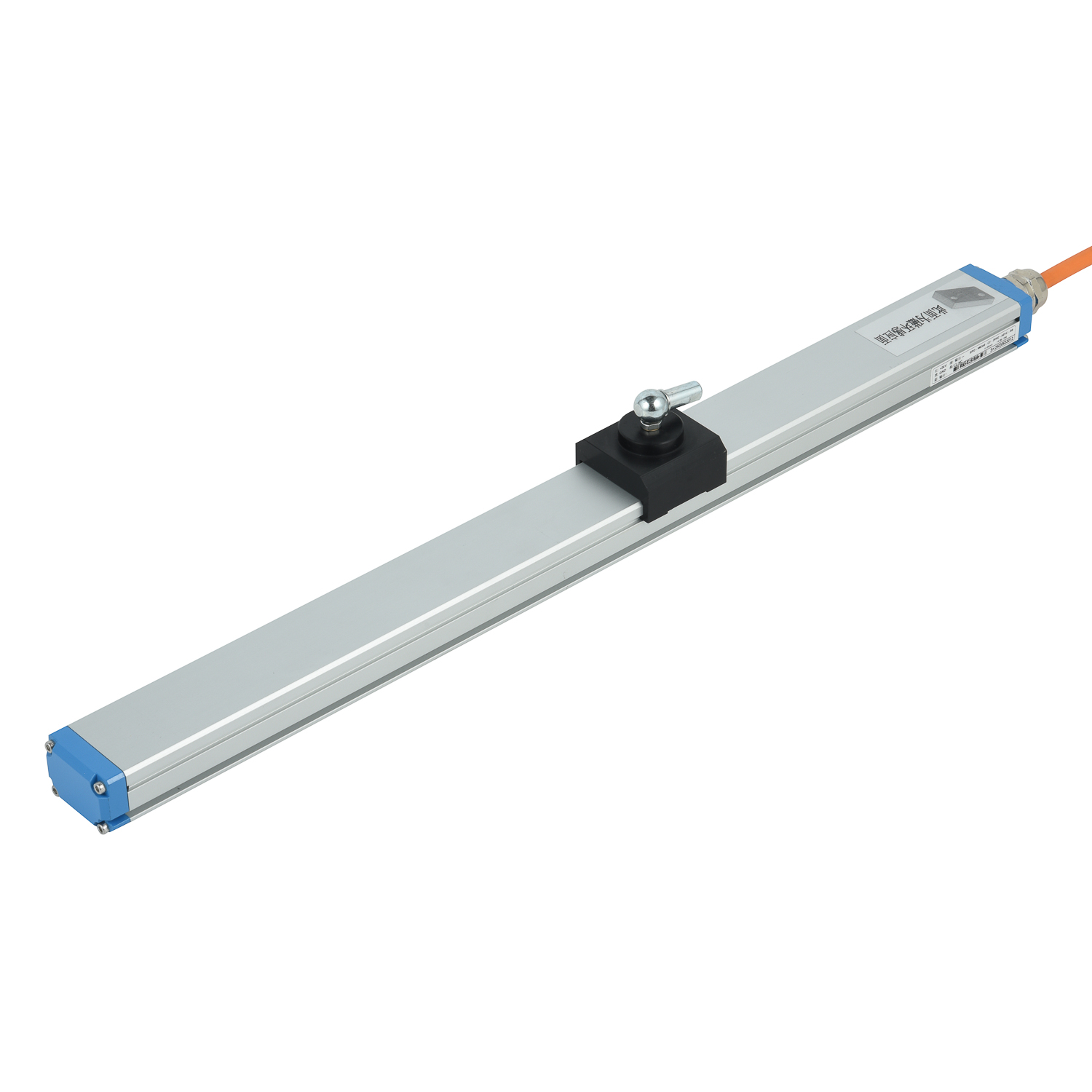
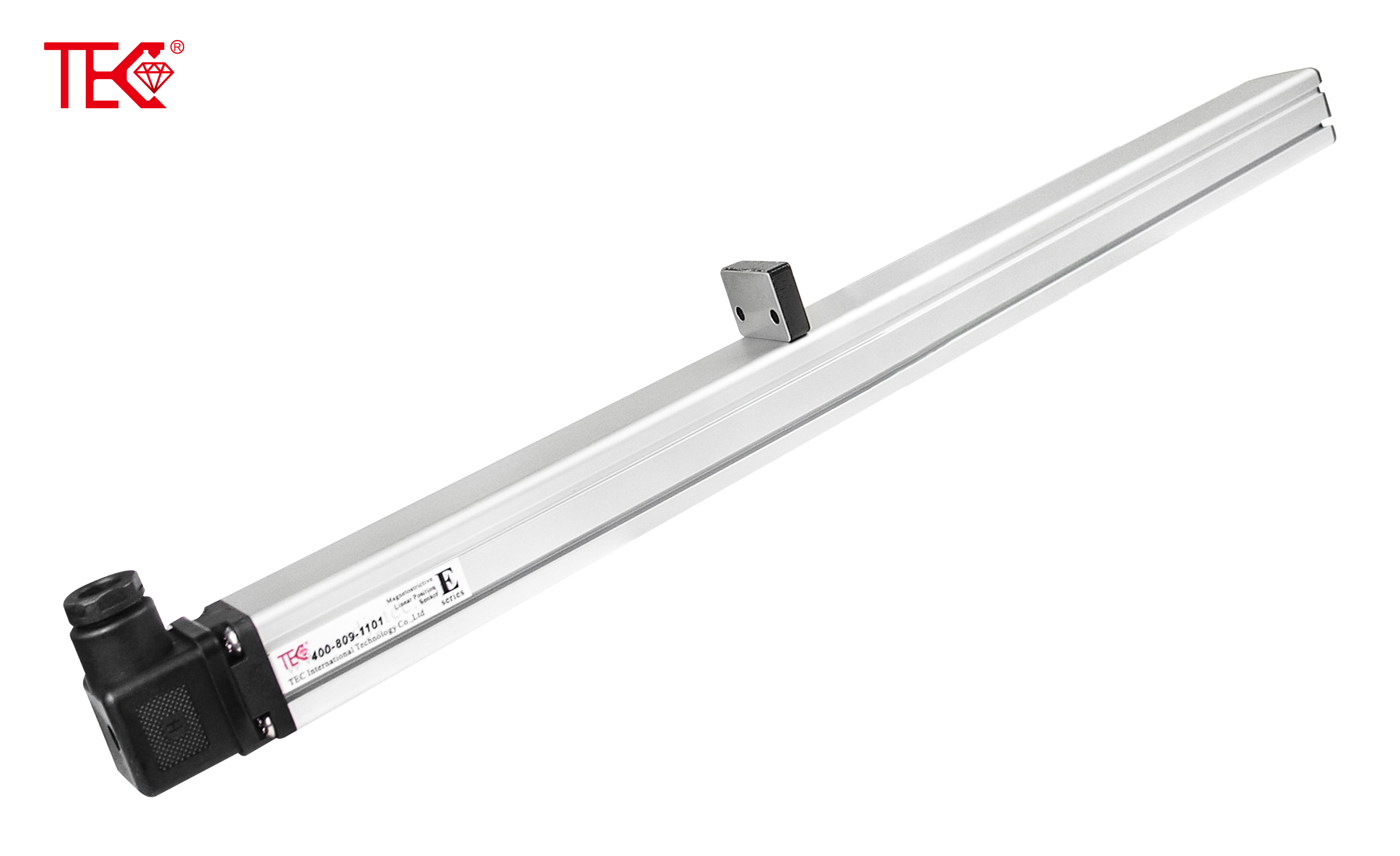
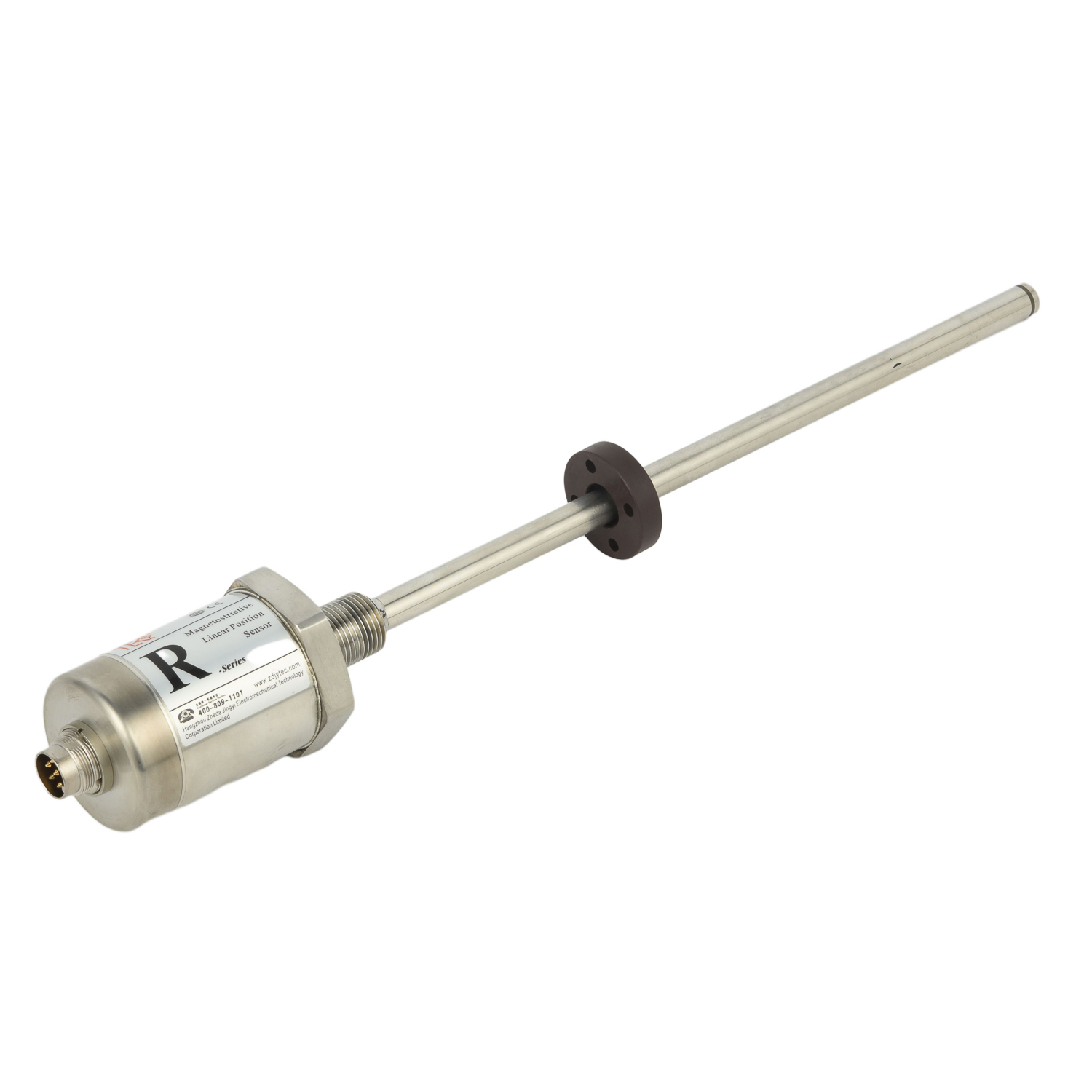
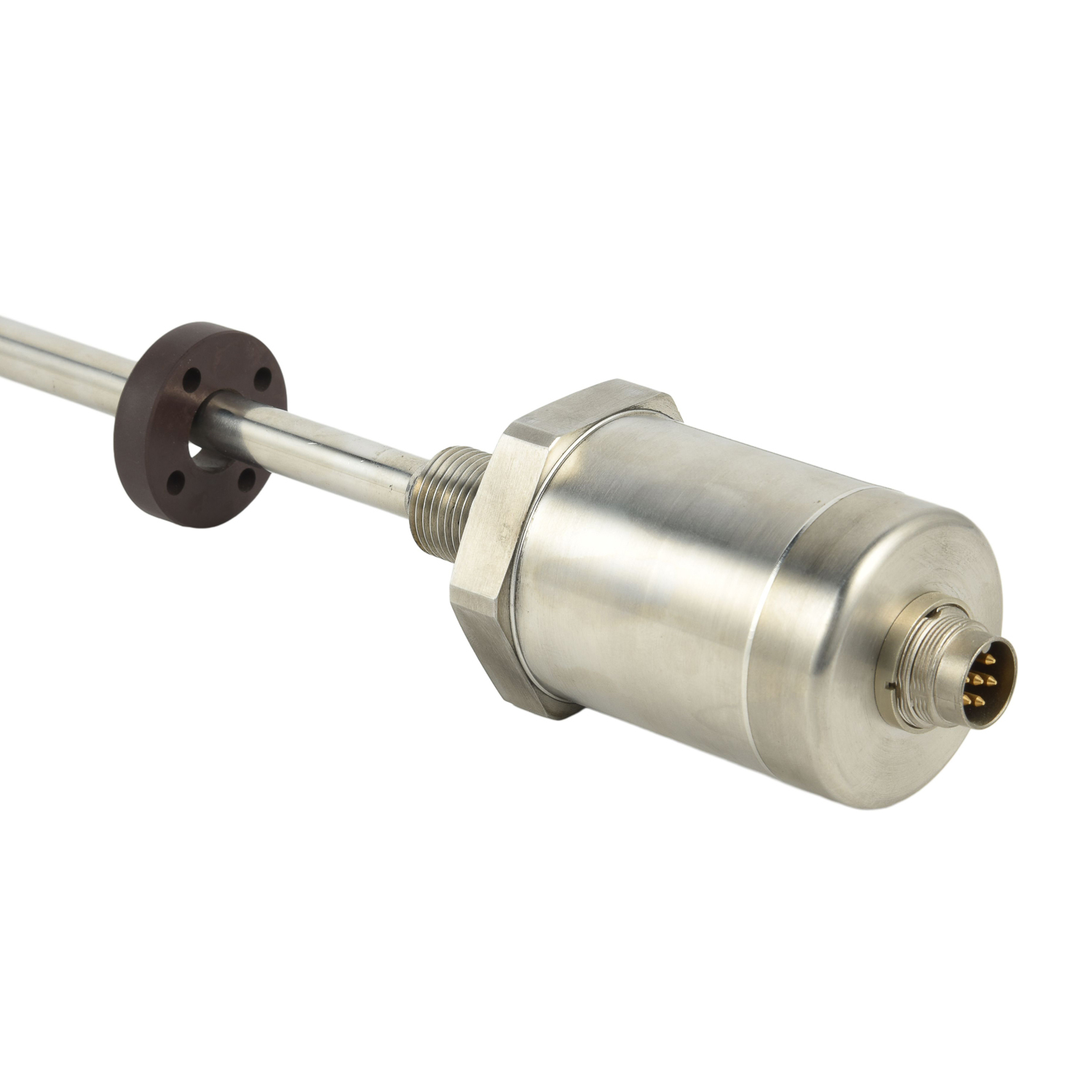
Port overhead cranes installed in hazardous cargo zones require intrinsically safe, explosion-proof construction and accurate trolley positioning. Before installation, verify the hazardous-area classification, foundation strength, rail span, and environmental conditions. The crane runway and trolley rails must be aligned, leveled, and securely anchored to withstand dynamic loads. Intrinsically safe sensors, absolute encoders, limit switches, and signal barriers should be mounted away from heat, impact, and ignition sources. Use shielded cables, certified cable glands, and reliable grounding to maintain explosion-proof integrity. For trolley positioning, establish the rail centerline, check span and diagonal tolerance, then install the explosion-proof trolley and adjust wheel clearance for smooth travel. Confirm rail joints, bolt torque, wheel contact, and buffer clearance before calibration. Mount laser targets or positioning plates, calibrate the encoder zero point, and test movement at slow speed. Configure programmable travel limits, anti-collision zones, and emergency-stop functions. Verify grounding continuity, sealing, and isolation before power-on commissioning. All field devices must meet the approved temperature class and gas group. After installation, perform no-load and load tests, repeat positioning accuracy checks, and record calibration data. Keep a commissioning checklist with sensor offsets and limit values. Regular inspection of fasteners, cables, sensors, and seals helps prevent drift and maintains safe port operations. This installation method improves positioning reliability, reduces maintenance, and supports efficient handling in explosion-proof port environments.
 Injection Molding Die Casting
 Construction Machinery Bridge
 Power Plant Crane Explosion-pr
Port Overhead Crane Intrinsica