
Water Conservancy Hoist Corrosion-resistant Crane and Trolley Positioning Working Principle
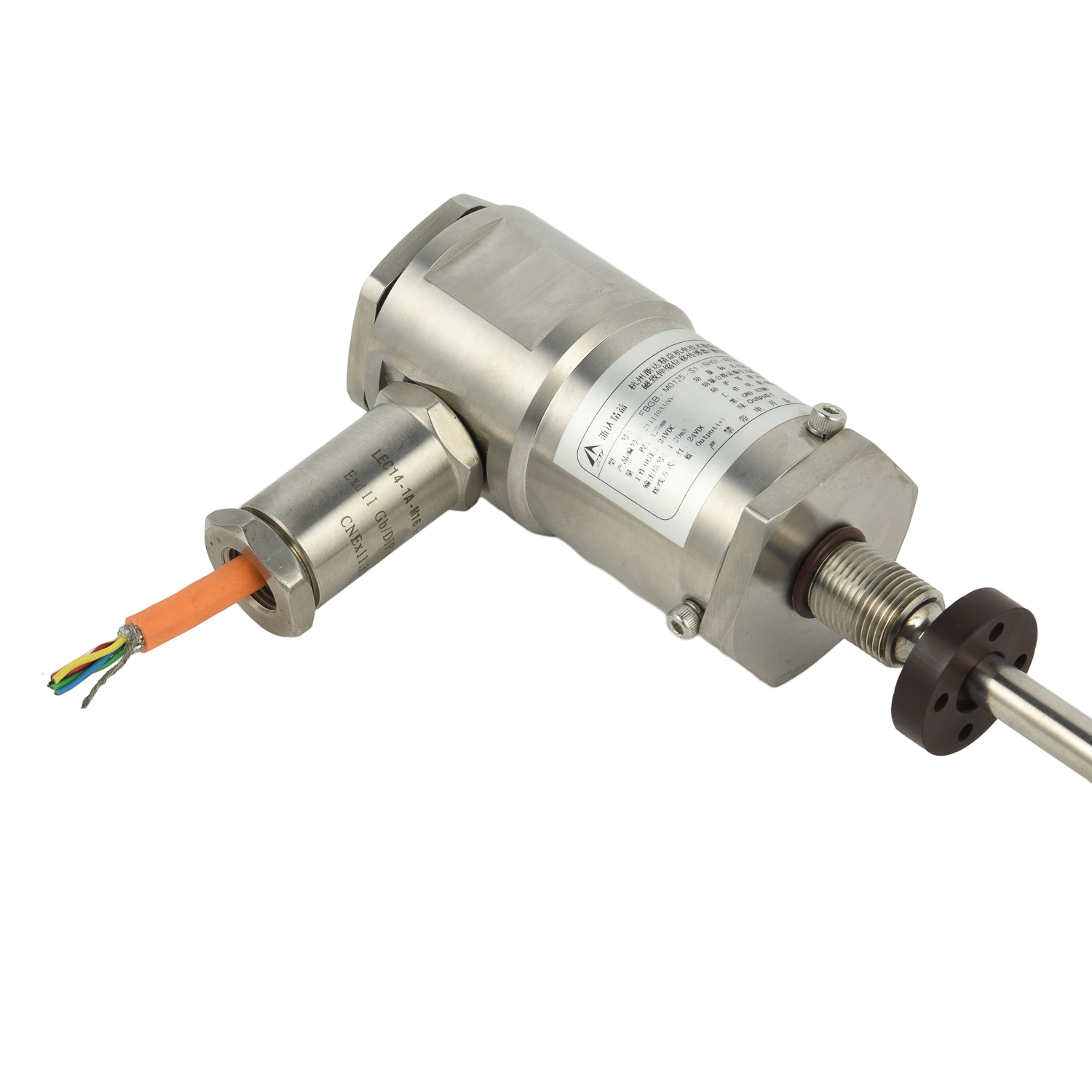
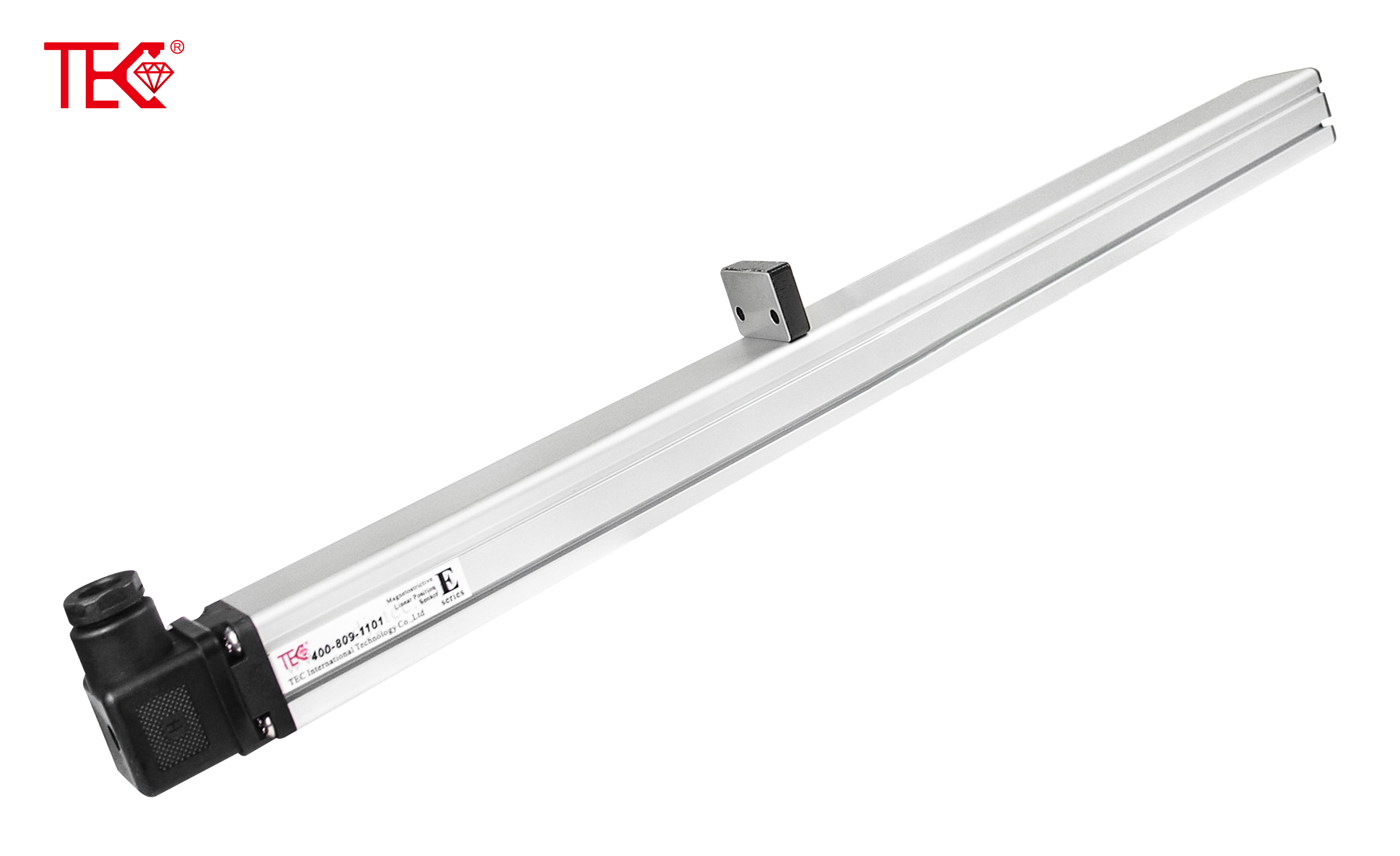
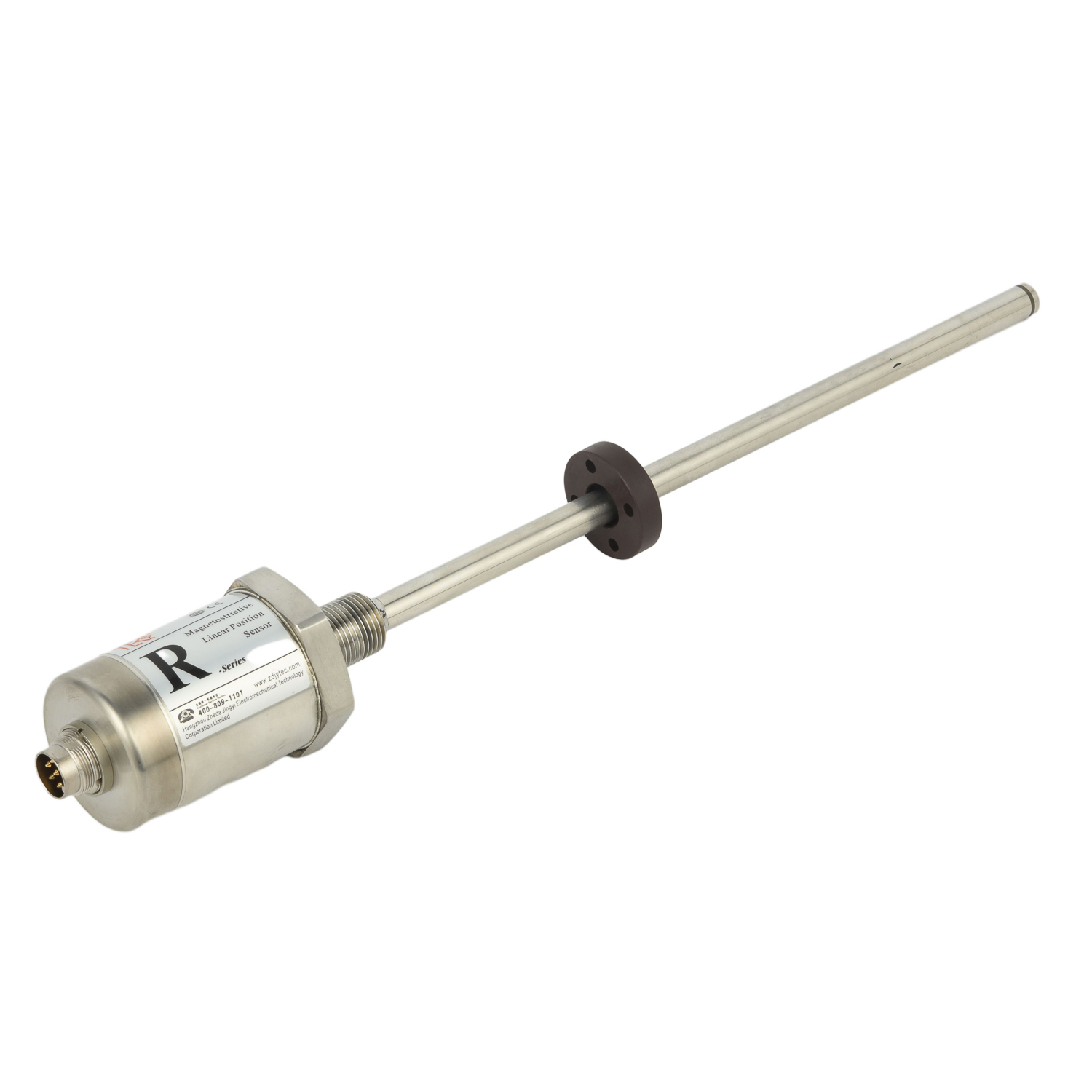
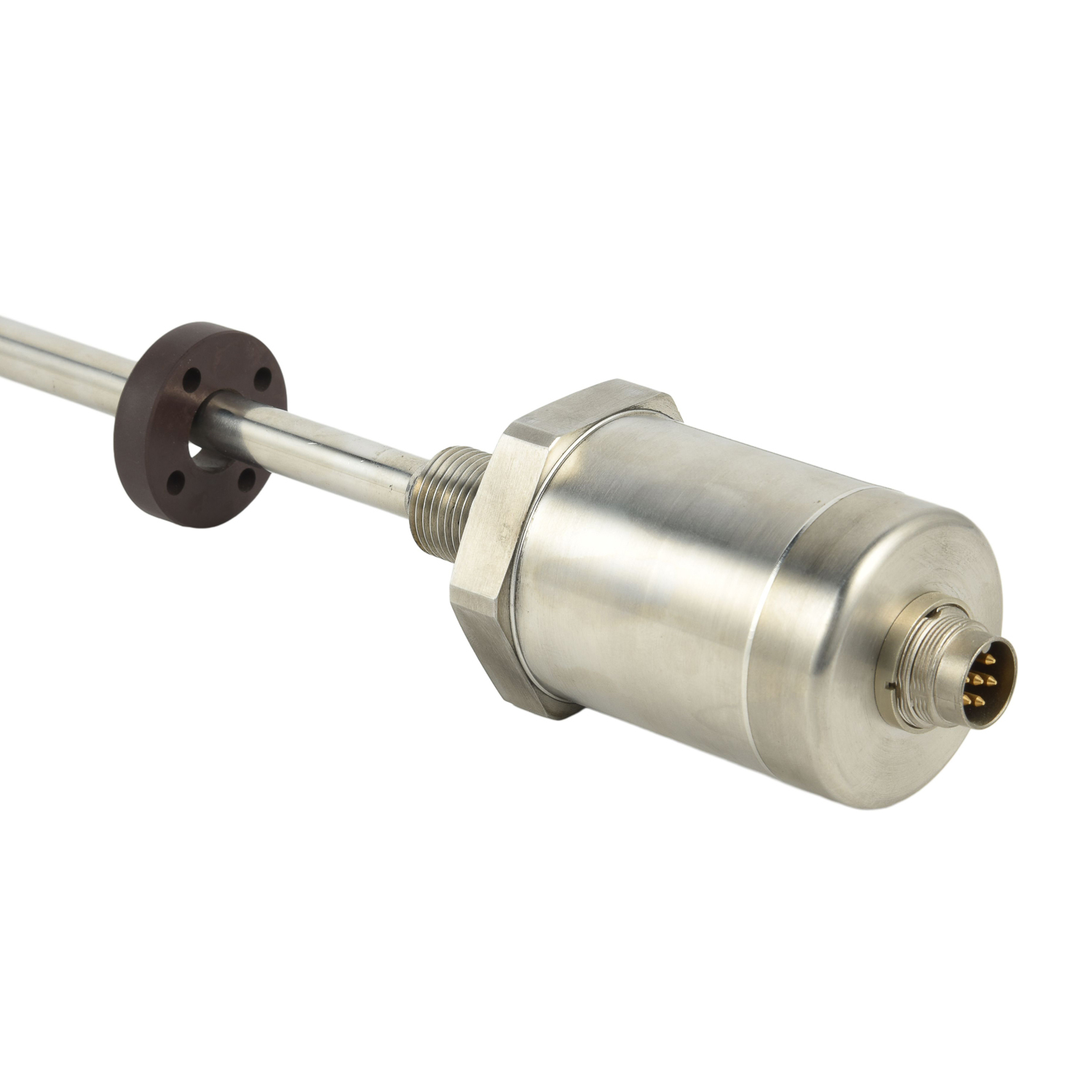
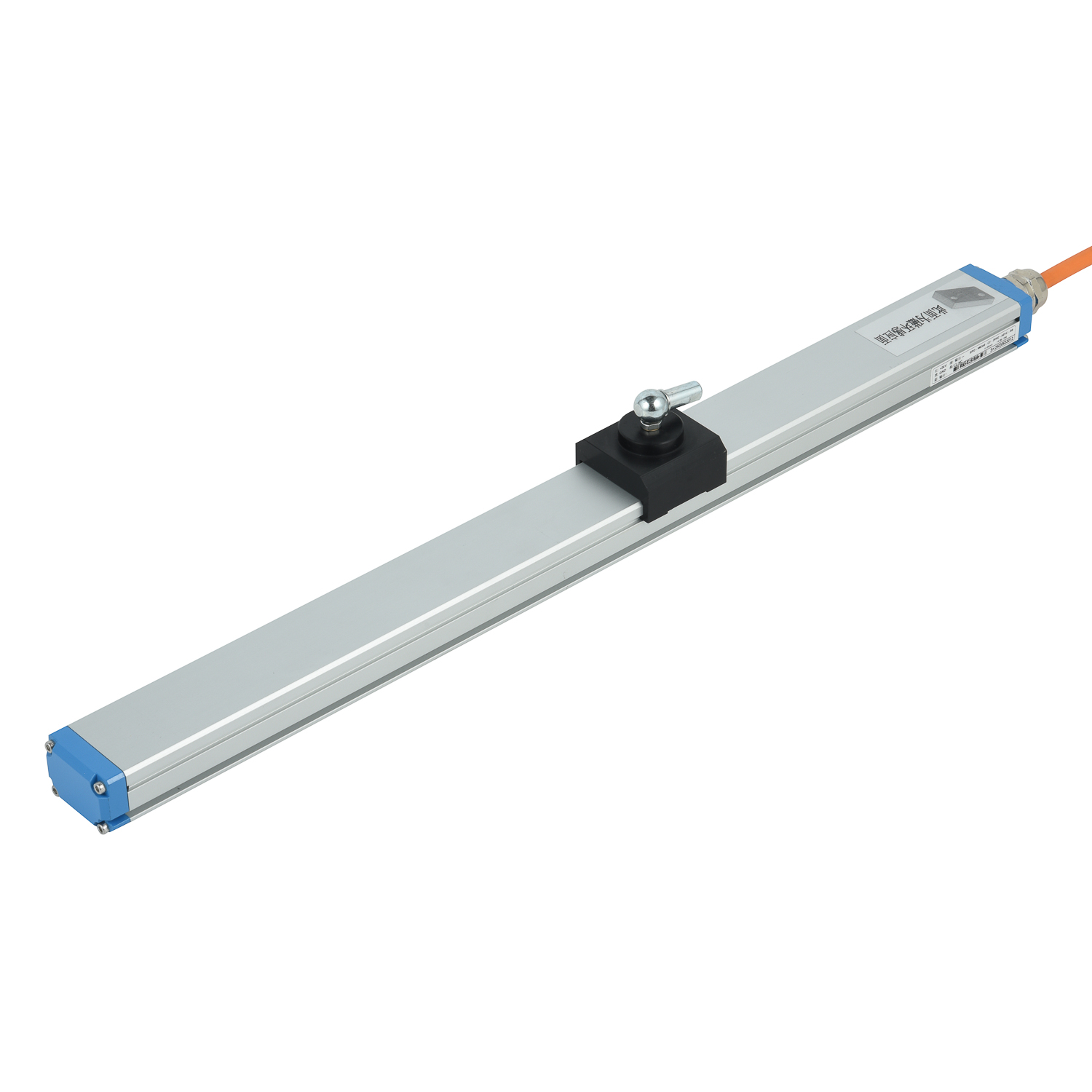
The corrosion-resistant crane used with a water conservancy hoist is designed to operate in humid, splash-prone, and chemically aggressive environments. Its working principle combines mechanical structure, anti-corrosion protection, and closed-loop trolley positioning. The crane frame and trolley are protected by hot-dip galvanizing, epoxy coatings, stainless-steel fasteners, and sealed components. This reduces rust, electrochemical corrosion, and maintenance downtime. Trolley positioning depends on a coordinated control system. A PLC receives commands from the operator or automatic control platform. Encoders and absolute position sensors measure the trolley’s travel along the girder, while limit switches provide safety feedback at the ends. The PLC compares the actual position with the target value and sends speed references to a variable-frequency drive. The VFD controls the trolley motor through acceleration, deceleration, and creep-speed phases, allowing the hook or hoist to stop accurately at the required gate or trash-rack position. An anti-sway function and brake control improve stability. During positioning, the system limits acceleration, monitors load and motor torque, and engages the brake after the trolley reaches the preset window. In water conservancy projects, this principle supports reliable lifting, precise alignment, and long service life under wet and corrosive conditions. Routine inspection of coatings, seals, and position sensors ensures stable performance. The system is widely used for gate hoists, trash-rack cleaners, and maintenance cranes.
 Injection Molding Die Casting
 Construction Machinery Bridge
 Power Plant Crane Explosion-pr
 Port Overhead Crane Intrinsica