
Water Conservancy Hoist Corrosion-resistant LVDT Displacement Sensor Working Principle
Water conservancy hoists operate in humid, splash-prone, and occasionally submerged environments. A corrosion-resistant LVDT displacement sensor provides reliable position feedback for gate opening, brake movement, and hoist stroke control. Its working principle is based on electromagnetic induction. Inside the sensor, a primary coil is excited by an AC carrier signal, while two secondary coils are connected differentially. A movable iron core, linked to the hoist's moving part, changes the magnetic coupling between coils. When the core is centered, the secondary outputs are nearly equal and cancel. As the core moves, one secondary voltage increases and the other decreases. The resulting differential AC signal is proportional to core displacement. A signal conditioner demodulates this output into a stable DC voltage or current, such as 4–20 mA, for PLCs, SCADA systems, and gate controllers. Typical installations include radial gates, penstock valves, and screw hoists where repeatable stroke feedback supports safe opening, closing, and fault detection.
Corrosion resistance is achieved through sealed stainless-steel housings, IP67 or IP68 protection, anti-corrosion coatings, and chemically resistant cable jackets. Non-contact coil-to-core operation reduces wear and avoids fouling-related jamming. The sensor therefore delivers precise, repeatable displacement measurement, helping water conservancy hoists improve safety, automation, and long-term reliability in wet and corrosive conditions.
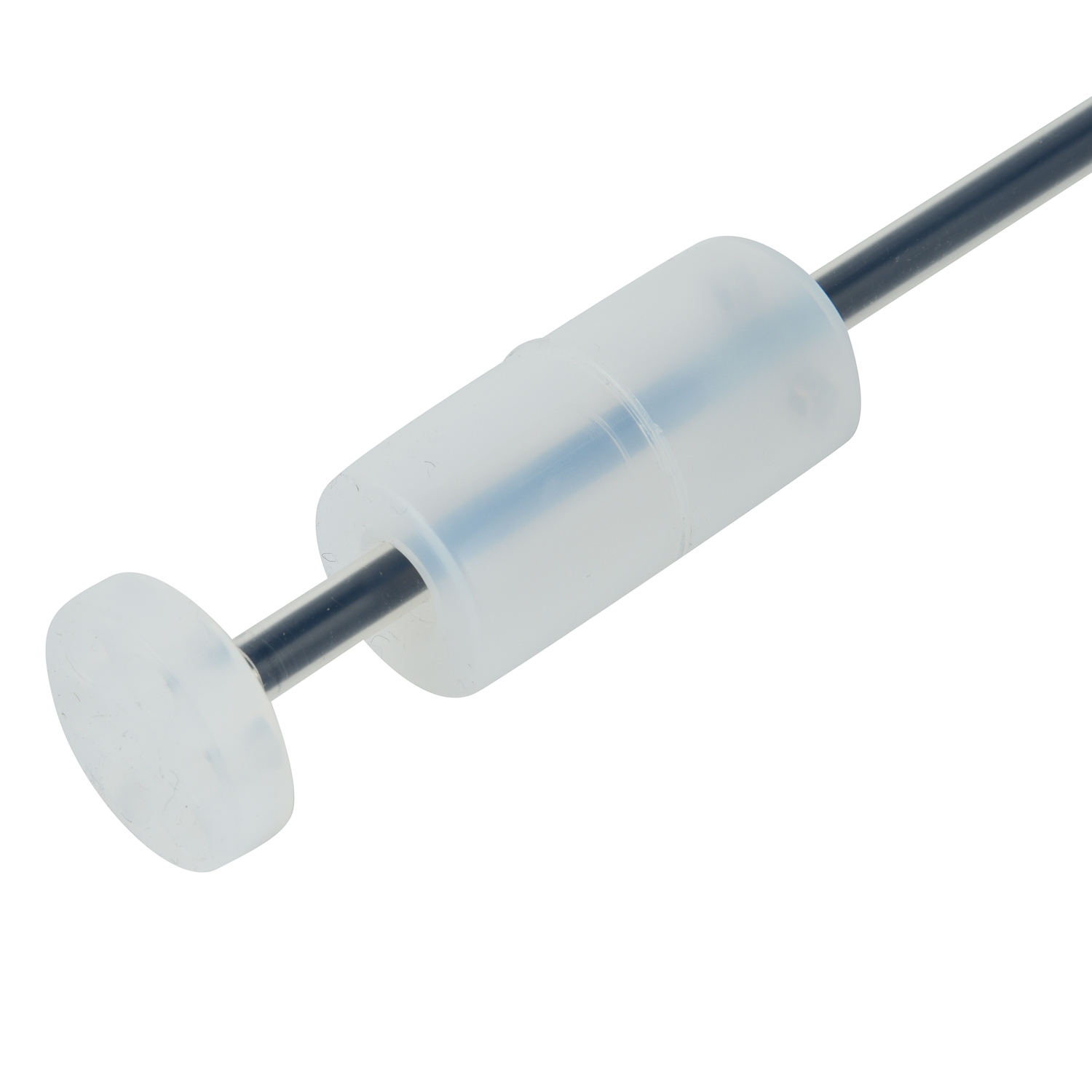 Water Conservancy Hoist Corros
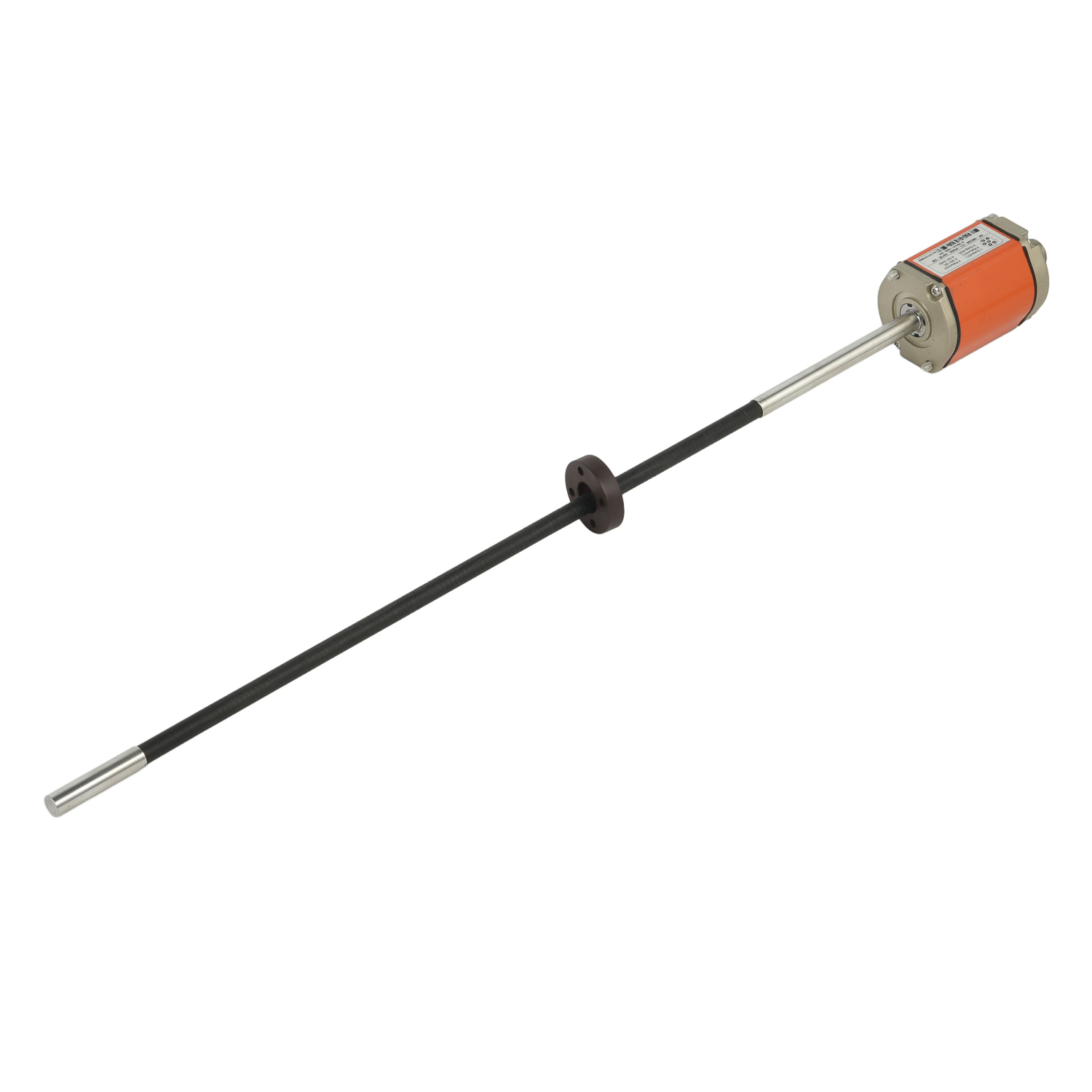 Sewage Treatment Gate Waterpro
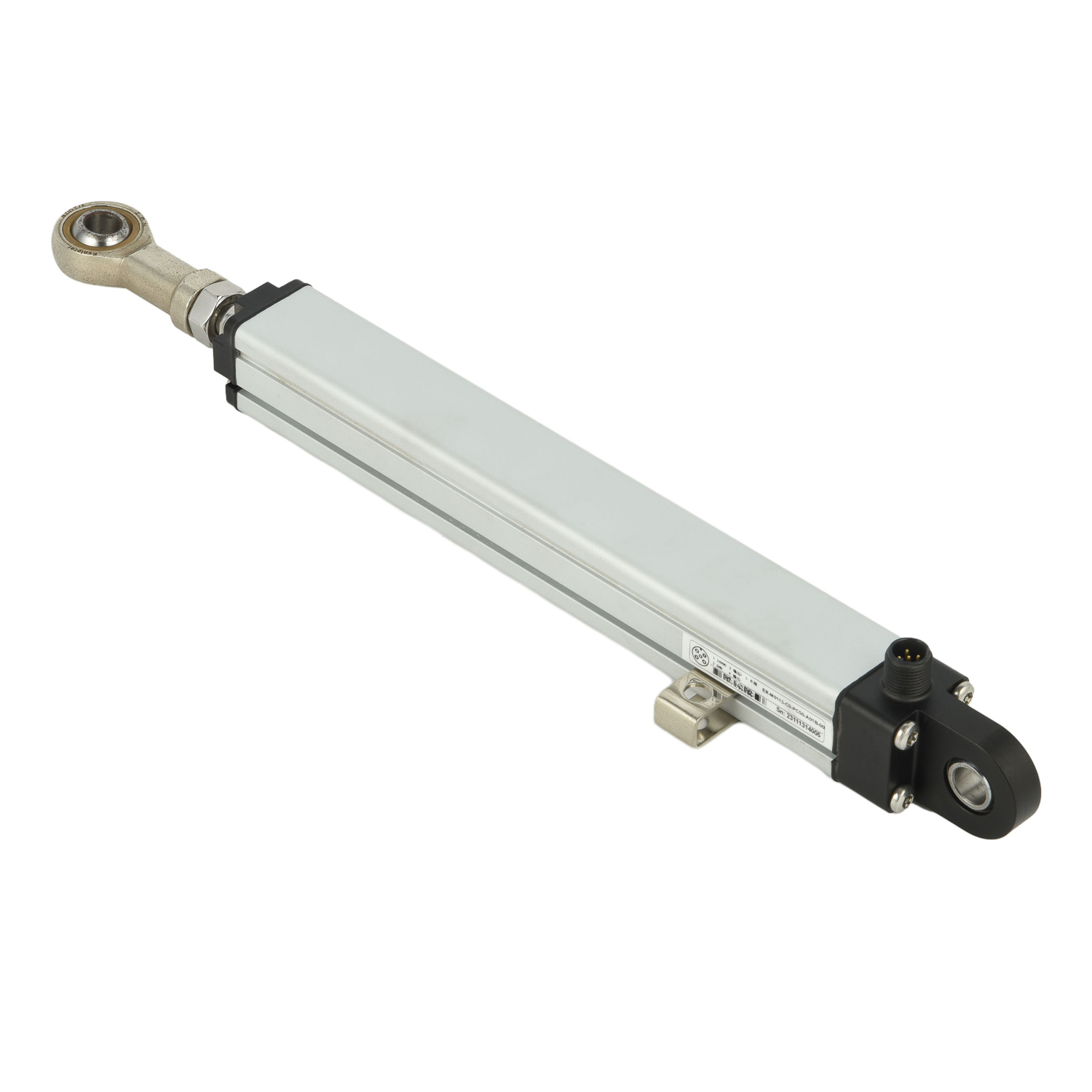 Chemical Hydraulic Cylinder Hi
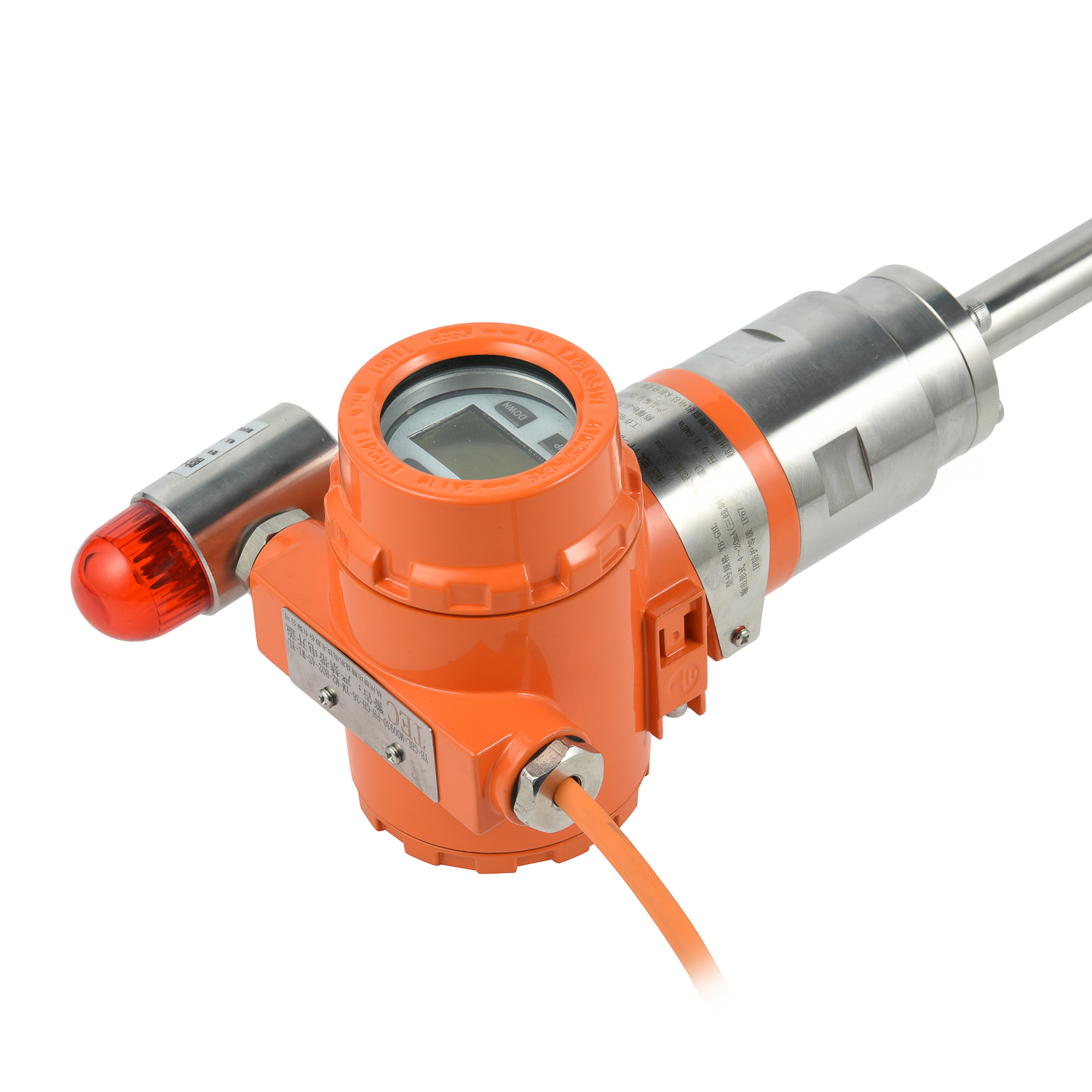 Mining Stacker-reclaimer High-