
Mining Stacker-reclaimer High-temperature LVDT Displacement Sensor Price
When purchasing a high-temperature LVDT displacement sensor for a mining stacker-reclaimer, buyers often focus only on the initial quote. The real price reflects sensor construction, temperature tolerance, stroke length, accuracy, output signal, cable protection, and certification. A standard LVDT may appear cheaper, but it may fail under heat, dust, vibration, and continuous operation common in bulk material handling.
High-temperature LVDTs for stacker-reclaimers use special coils, thermally stable core materials, stainless steel housings, and high-temperature cables. These features increase cost but improve reliability and reduce downtime. Stroke length and mounting affect price: longer ranges and custom threads, rods, or connectors require more engineering. Output options such as 4–20 mA, 0–10 V, or digital interfaces can add cost, while IP67/IP68 protection and extended calibration may raise the quote but protect performance.
Market prices vary widely. A basic industrial LVDT may cost tens of dollars, while a ruggedized high-temperature model for mining equipment can cost hundreds to over a thousand dollars, depending on specifications and supplier support. OEM approval, test reports, fast delivery, and after-sales service also influence total cost.
To get the best value, compare sensors by operating temperature, repeatability, shock and vibration resistance, cable quality, and warranty—not price alone. Request test data and confirm compatibility with the stacker-reclaimer control system. A reliable high-temperature LVDT displacement sensor protects positioning accuracy and keeps operations stable.
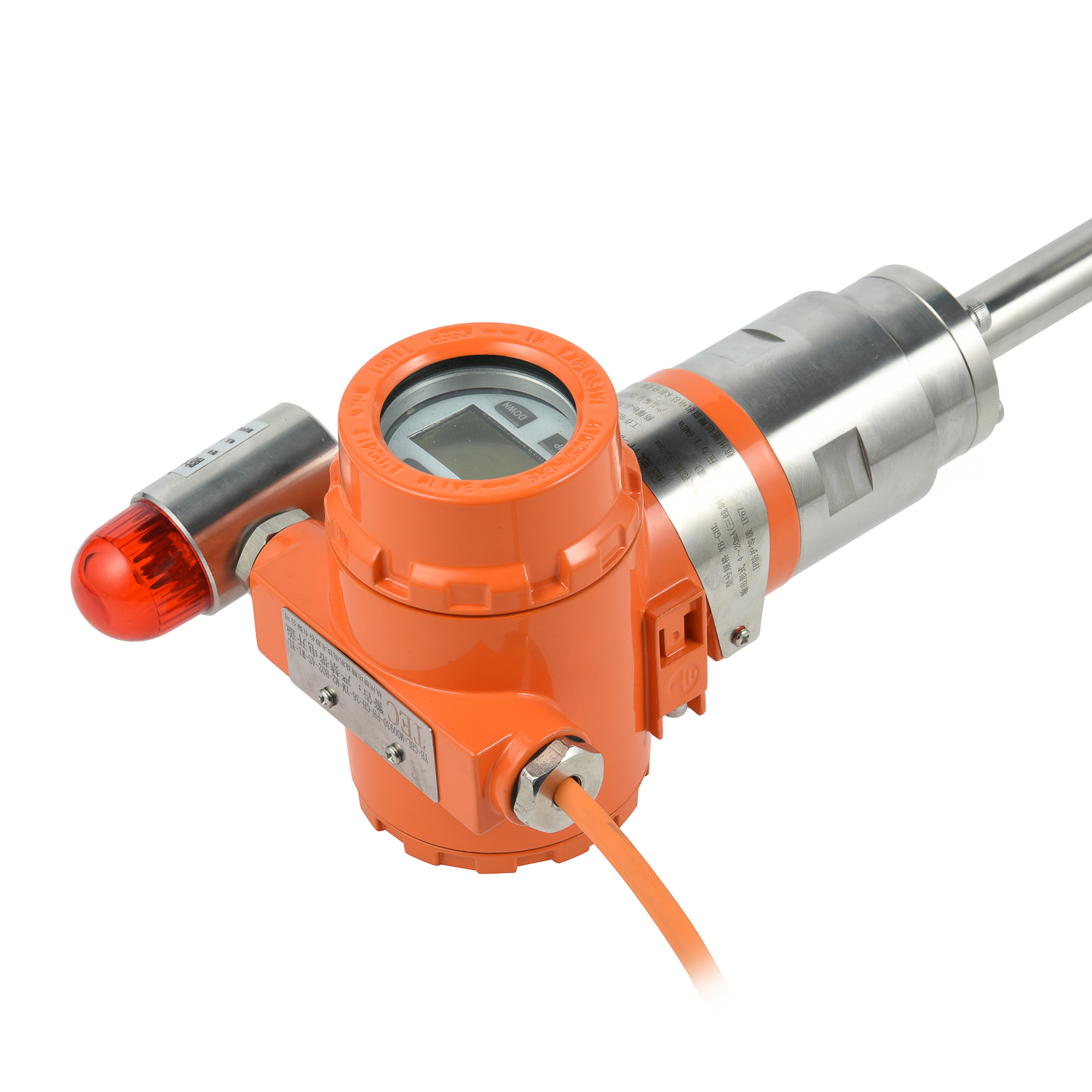 Mining Stacker-reclaimer High-
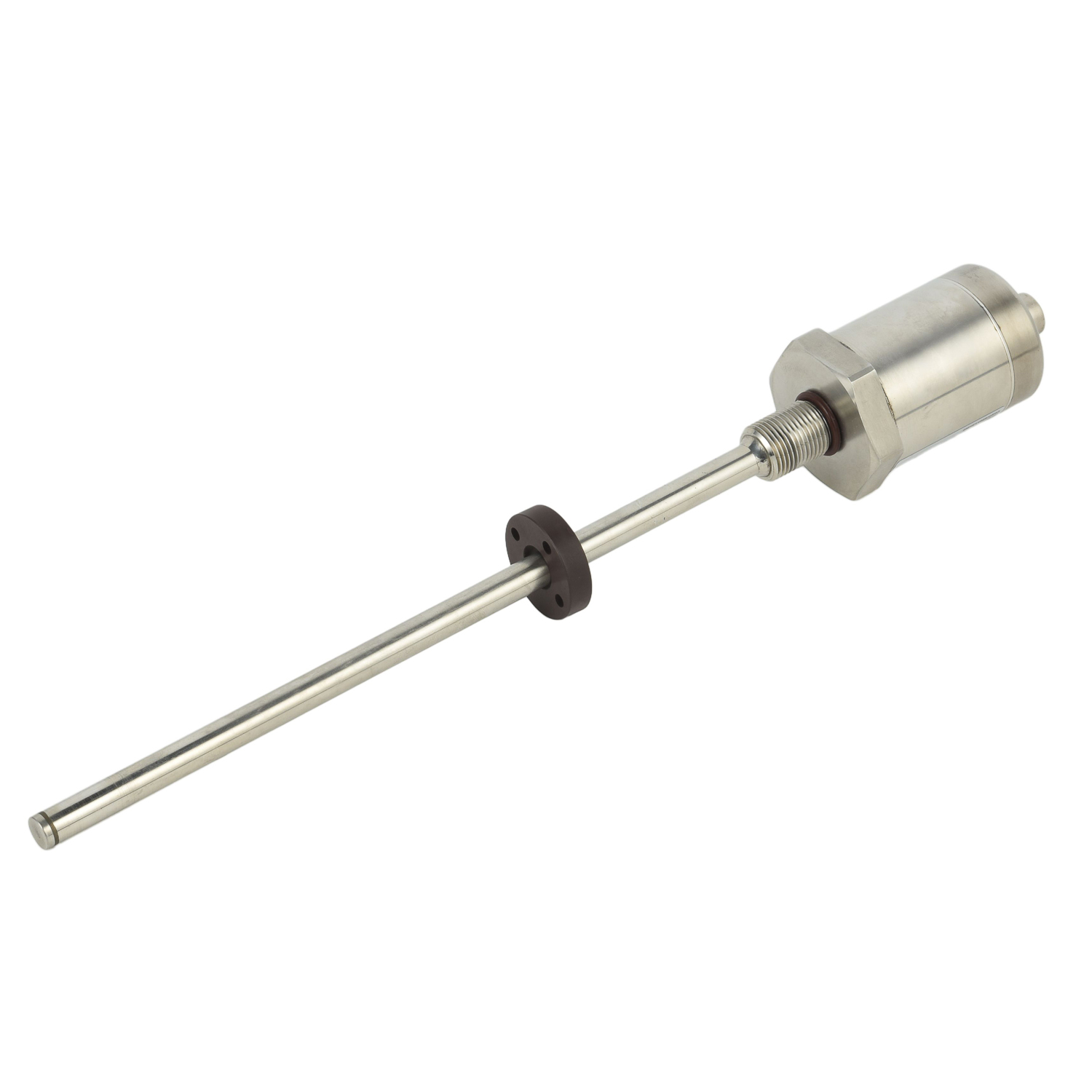 Metallurgy Bucket Wheel Stacke
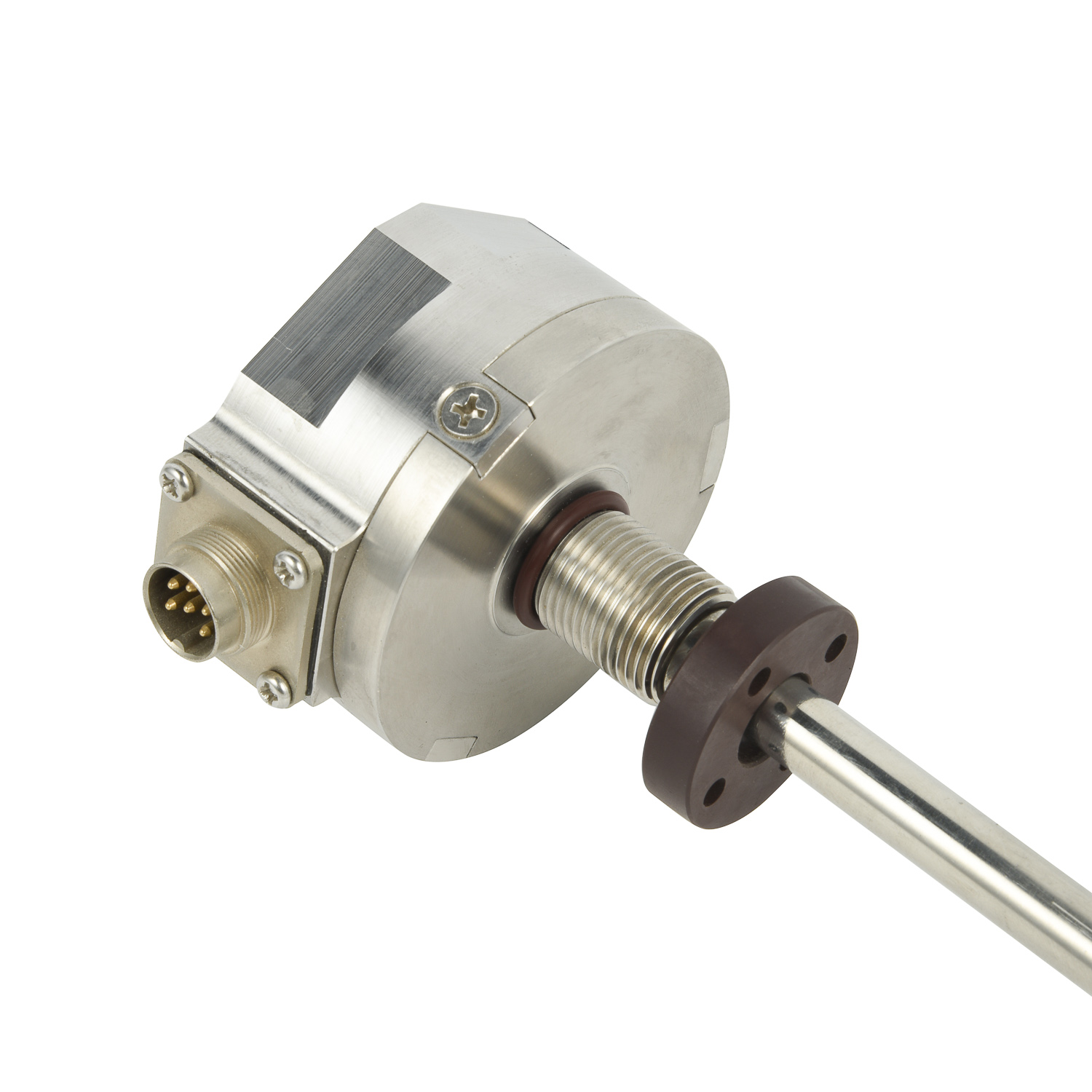 Die Casting Machine Explosion-
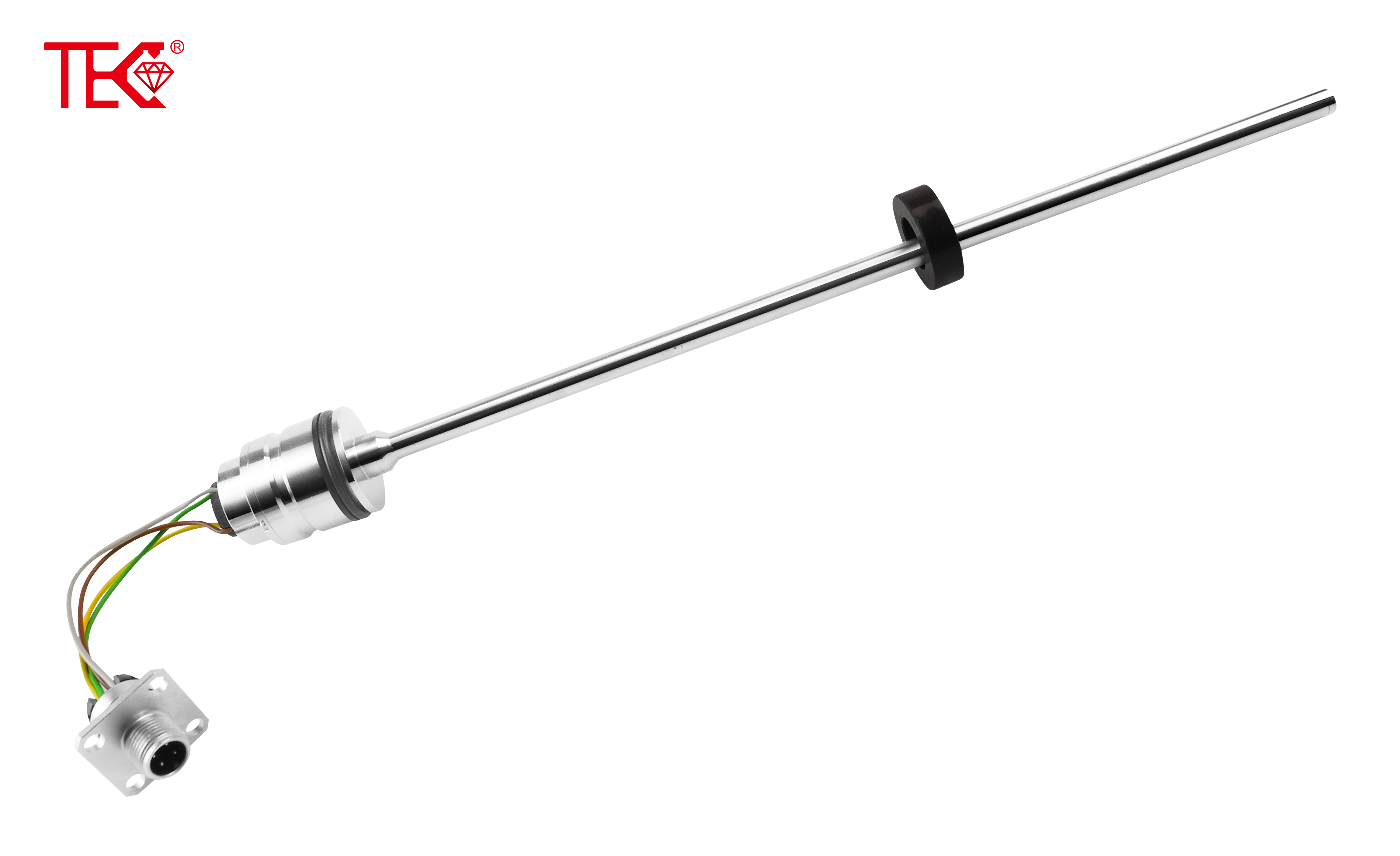 Injection Molding Machine Buil